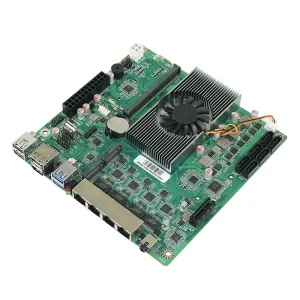
High-performance processing boards, memory upgrades, and cooling systems designed to scale computing capabilities in IoT edge environments.
As the global industrial landscape shifts towards real-time processing and edge intelligence, the demand for robust hardware has never been higher.
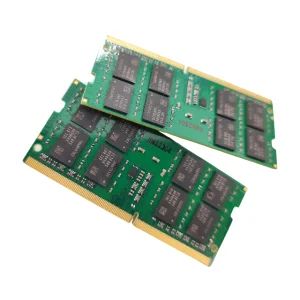
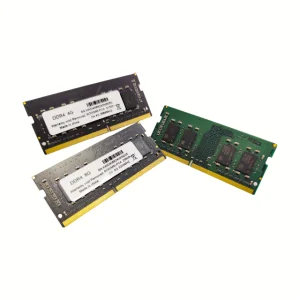
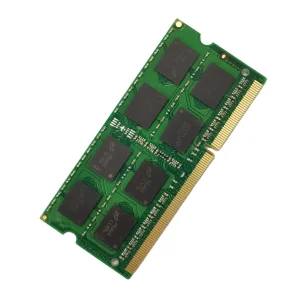
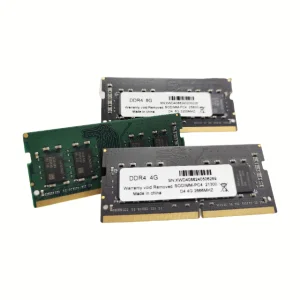
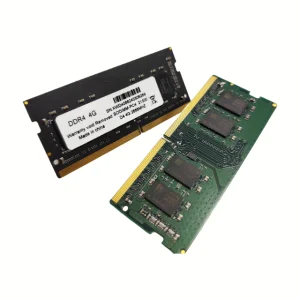
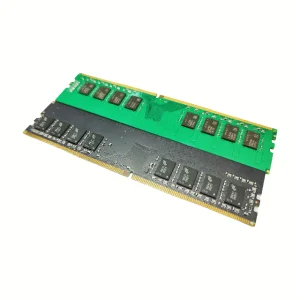
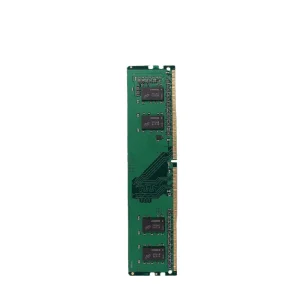
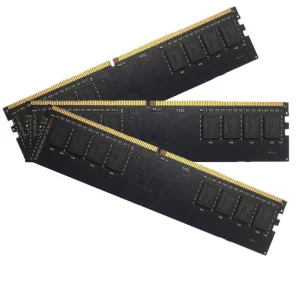
IoT gateways and edge servers require dense, high-speed RAM like DDR4 and DDR5 memory modules to execute microservices, real-time data analytics, and local artificial intelligence execution without relying heavily on high-latency cloud architectures.
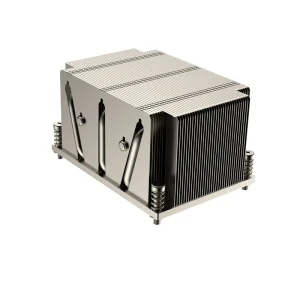
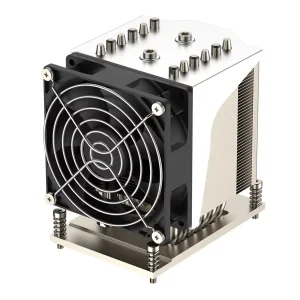
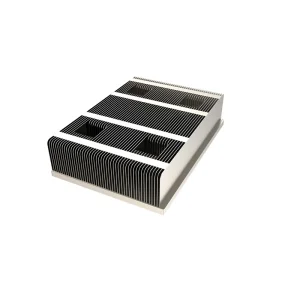
Deployments in extreme environments necessitate cutting-edge server heatsinks and copper cooling arrays. Managing thermal profiles prevents throttling and extends the lifetime of high-power processors, guaranteeing sustained operations in critical fields.
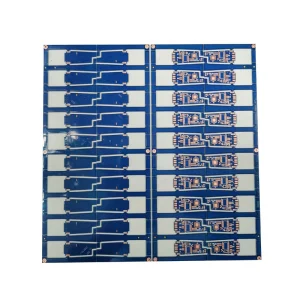
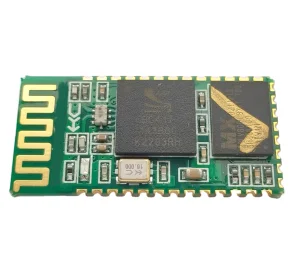
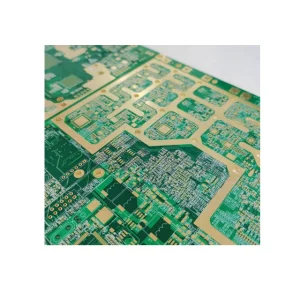
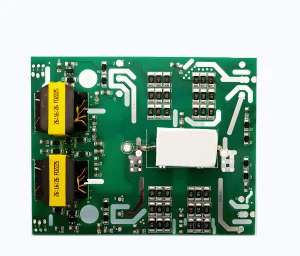
Modern radio communications, whether via 5G, Wi-Fi 6, or proprietary RF protocols, demand RF-optimized PCBs using advanced materials like Shengyi FR4 and Rogers 4000 to maintain signal integrity and minimal transmission losses.
In modern industrial IoT infrastructures, the performance bottleneck has shifted from raw CPU frequency to memory bandwidth. High-performance DRAM modules (specifically ECC-enabled units) protect edge installations against soft errors and data corruption caused by electrical noise in industrial settings. Incorporating high-quality DDR4/DDR5 modules directly directly impacts the deployment life-cycle, reducing total cost of ownership (TCO) across distributed smart grid networks, oil & gas tracking hubs, and automated warehouse robotics.
Leveraging China's unparalleled electronics supply chain cluster offers global tech enterprises significant technological and cost advantages.
From initial copper laminate production and semiconductor sorting to automated SMT processing and heat pipe assembly, all key links of the electronic engineering ecosystem are grouped together, ensuring rapid turn-around prototyping and short production run cycles.
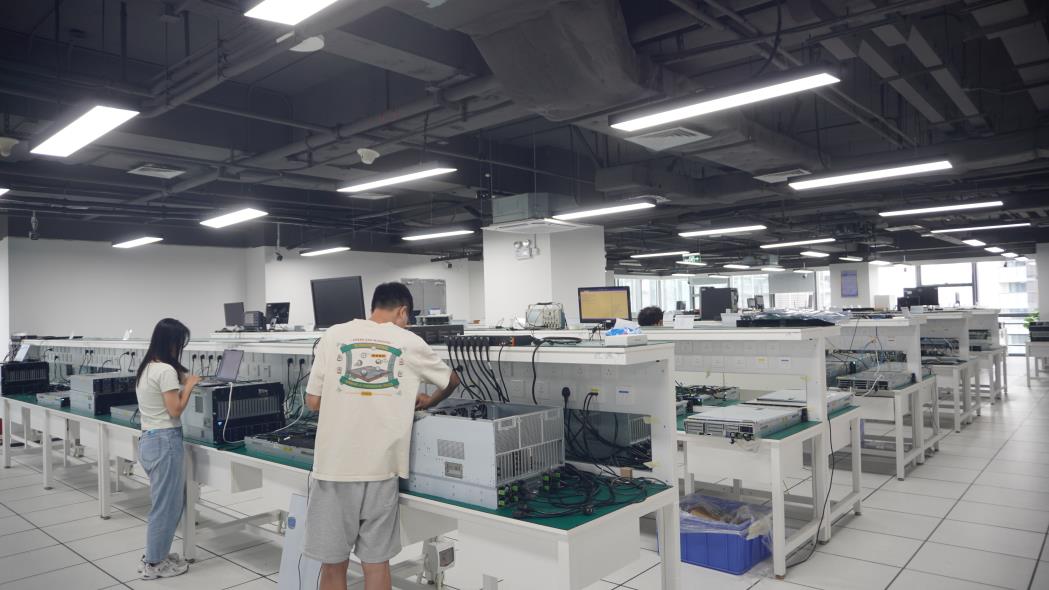
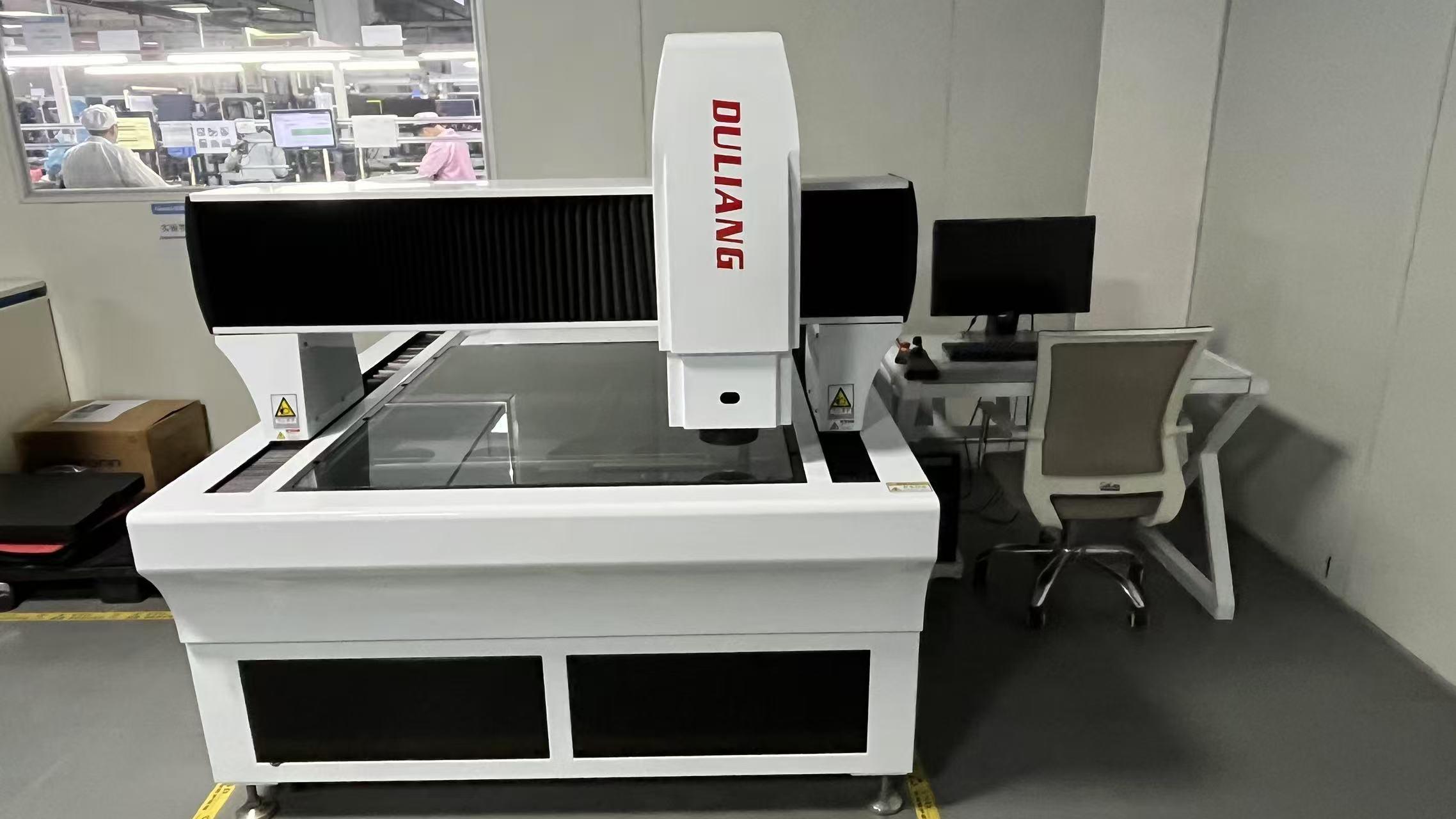
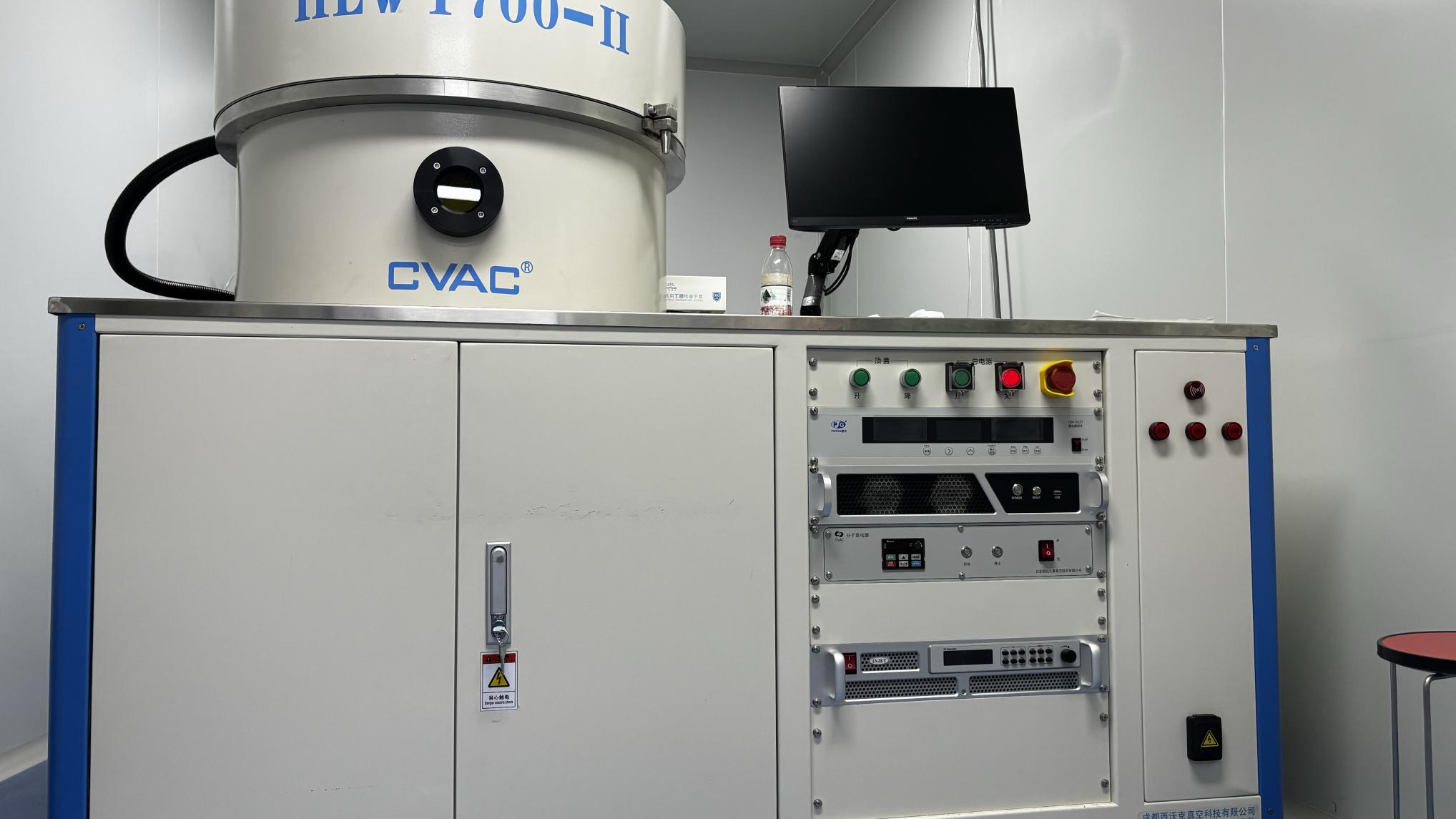
Top-tier Chinese manufacturers operate under ISO9001, RoHS, and CE guidelines. Advanced testing equipment like Automatic Optical Inspection (AOI), X-ray inspection, and comprehensive burn-in testing protocols ensure that products withstand volatile field environments.
Factories provide tailored options for complex requirements: specialized PCB layer designs, proprietary firmware optimizations for industrial modules, custom heatsink configurations, and tailor-made packaging configurations to optimize final assembly lines.
Your Premier Global Partner for Premium DRAM Manufacturing and High-Speed Custom Embedded Hardware Solutions.
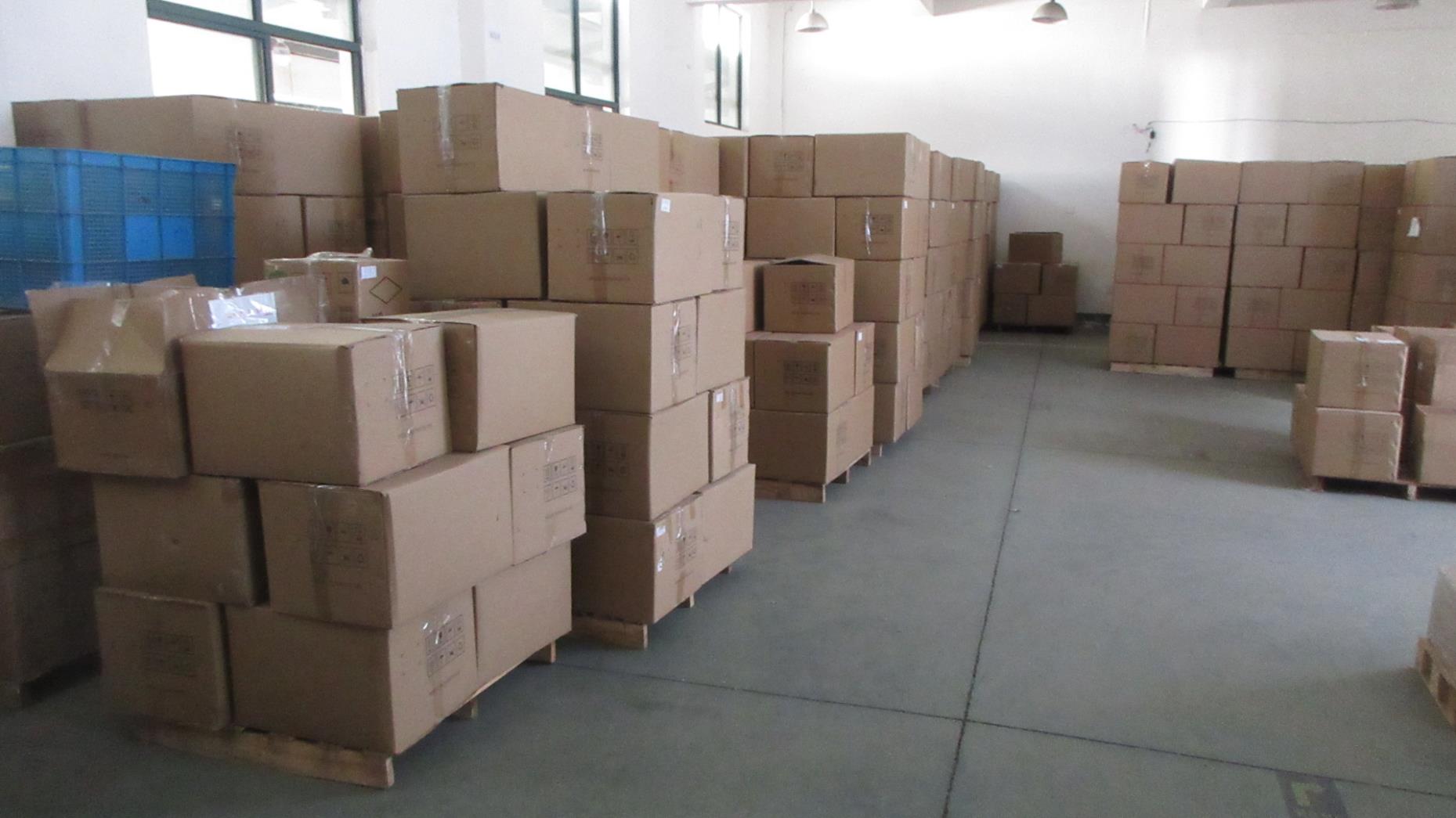
Founded in 2017, Memvora Electronics Technology Co., Ltd. is a professional manufacturer specializing in high-performance DDR5 memory modules, dedicated to delivering reliable memory solutions for consumer, industrial, enterprise, and embedded applications worldwide. With a modern manufacturing facility covering 386㎡, we combine advanced production equipment, strict quality management, and experienced engineering expertise to provide stable, high-speed memory products for global OEM and ODM partners.
Since entering the international market, Memvora has accumulated 7 years of export experience, serving customers across North America, Europe, Southeast Asia, the Middle East, and South America. Our annual export revenue exceeds US$18.6 million, supported by a strong global supply chain and long-term partnerships with more than 1,280 component suppliers and business partners.
With 14 years of industry experience, our team continuously invests in technology innovation and product development. Our R&D department consists of 126 professional engineers who focus on developing next-generation DDR5 memory solutions with higher speed, lower latency, and enhanced reliability. Last year alone, we successfully launched 86 new memory products to meet the evolving needs of gaming, AI computing, industrial automation, and enterprise servers.
Quality is the foundation of everything we do. Every product undergoes 100% functional testing, burn-in testing, compatibility testing, signal integrity testing, and aging tests before shipment. Our dedicated quality control team of 42 inspectors ensures every memory module meets rigorous international quality standards and delivers long-term stable performance.
Memvora provides flexible OEM, ODM, private label, custom capacity, PCB color, heat spreader design, firmware optimization, and packaging customization services to meet different market requirements. Backed by a responsive engineering team and efficient production management, we help customers shorten development cycles and accelerate product launches.
Today, Memvora serves a diverse customer base including memory brands, computer manufacturers, industrial equipment suppliers, system integrators, distributors, wholesalers, and e-commerce retailers. Through continuous innovation, reliable quality, and customer-focused service, we are committed to becoming a trusted global partner for advanced DDR5 memory manufacturing and customized DRAM solutions.
We align our manufacturing standards with worldwide certification authorities to provide risk-free integration into target markets.
Our complete components portfolio—including industrial memory boards and custom high-speed PCB layouts—are engineered to satisfy FCC, CE, RoHS, and WEEE standards. We run systematic lab validations covering EMI (Electromagnetic Interference) and ESD protection.
For large-scale enterprise rollouts, we provide customized firmware variants corresponding to regional carrier configurations and edge protocol structures, assisting developers in deploying hardware safely without localized compatibility friction.
Industrial IoT frameworks demand longevity. We support specific BOM (Bill of Materials) control locks, ensuring the memory ICs and controller chips specified during your prototyping phase remain identical throughout multi-year production runs.
How global engineers implement our custom PCB assembly, cooling units, and high-performance memory boards in active settings.
Reliable communication hubs in energy networks utilize high-frequency PCBs and ECC memory to catalog high-frequency analog measurements. The hardware must sustain wide operational temperature swings (-40°C to +85°C) without signal degradation or device failure.
Visual manufacturing lines require massive real-time processing capabilities. By pairing our 2U server heatsinks with high-density DDR4/DDR5 DRAM, system designers build thermal-efficient inference nodes that prevent processing lag during quality detection cycles.
Embedded vehicle computers rely on compact, low-power laptop DDR4 memory modules and customized multi-layer PCB circuits to process tracking data, vehicle-to-everything (V2X) sensor signals, and route calculations under continuous vibrational stress.
Evaluating technical criteria, component traceability, and manufacturing standards for high-performance deployments.
When securing memory modules and multilayer PCBs, component source verification is paramount. Top-tier Chinese suppliers maintain strong direct partnerships with major tier-1 DRAM manufacturers and raw material suppliers (e.g., Rogers, Shengyi, KB). This guarantees that every component performs within specifications and features verified traceability back to the wafer level, preventing performance loss from sub-standard or recycled materials.
For complex PCB designs and BGA packages, visual inspection is insufficient. Leading-edge production facilities use automated visual inspection (AOI) alongside automated X-Ray inspect tools to inspect critical solder connections beneath high-density packaging components. Furthermore, implementing environmental stress screen testing (ESS)—including thermal shock and vibration cycles—ensures long-term deployment reliability in challenging environments.
Edge servers running 24/7 compute jobs create major thermal challenges. Integrating 2U/4U passive copper plate heatsinks and multi-heat-pipe configurations ensures rapid heat dissipation away from critical silicon. System designers must plan thermal strategies concurrently with hardware development to guarantee maximum hardware efficiency and prevent premature component failure.
Find direct answers to common engineering, procurement, and technical design questions regarding our hardware products.
Explore our specialized hardware portfolio designed for high-density servers, control boards, and specialized electronics assembly.
 Memvora