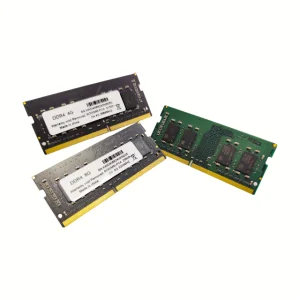
High-reliability printed circuit boards, high-speed SMT assembly, and industrial power system integrations designed to satisfy strict signal integrity specifications.
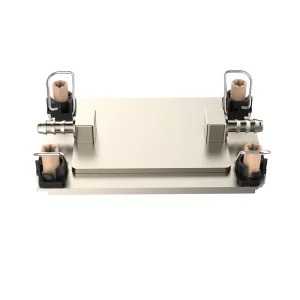
The core infrastructure of modern electronic hardware requires precision, speed, and thermal stability.
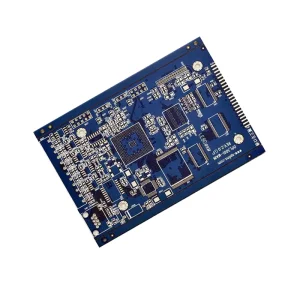
The global printed circuit board (PCB) marketplace is transitioning from low-cost mass production toward high-density, multi-layered, and thermal-tolerant electronic substrate assembly. In high-performance applications like server farms, telecommunication equipment, automation electronics, and computer memory sub-systems, PCBs function as more than physical mounting structures. They serve as active RF transmission media, heat-sinks, and high-frequency waveguides.
Today's hardware architectures necessitate materials capable of maintaining dielectric constant (Dk) stability, low dissipation factors (Df), and controlled thermal expansion. The adoption of lead-free High TG FR-4, copper-clad laminates (CCL), and specialized finishes like Immersion Silver and HASL Lead-Free is critical for satisfying modern performance guidelines. As memory speeds progress from legacy architectures to high-frequency DDR5, PCB signal integrity has become a primary bottleneck for hardware performance.
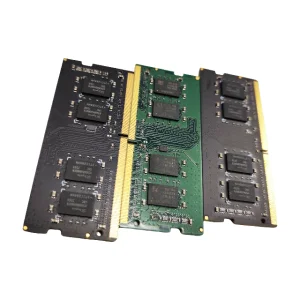
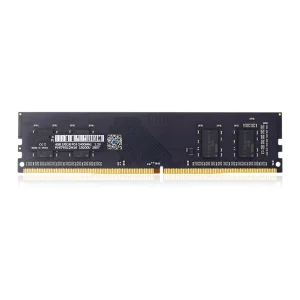
Managing transmission lines, ensuring matched trace-length impedances, and reducing crosstalk are necessary to eliminate bit error rates in high-frequency DDR4 and DDR5 memory modules.
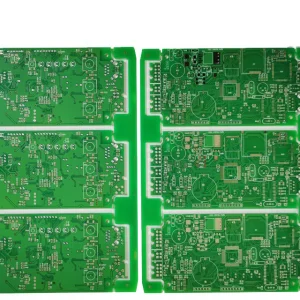
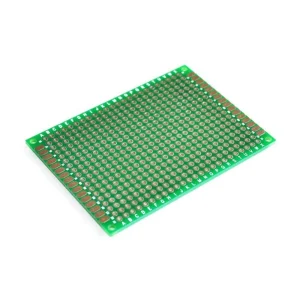
Applying double-sided and multilayer routing with controlled blind/buried microvias to maximize routing densities within small spatial footprints.
Memvora Electronics Technology Co., Ltd. delivers high-precision PCB assemblies, memory storage solutions, and system peripherals for global enterprise applications.
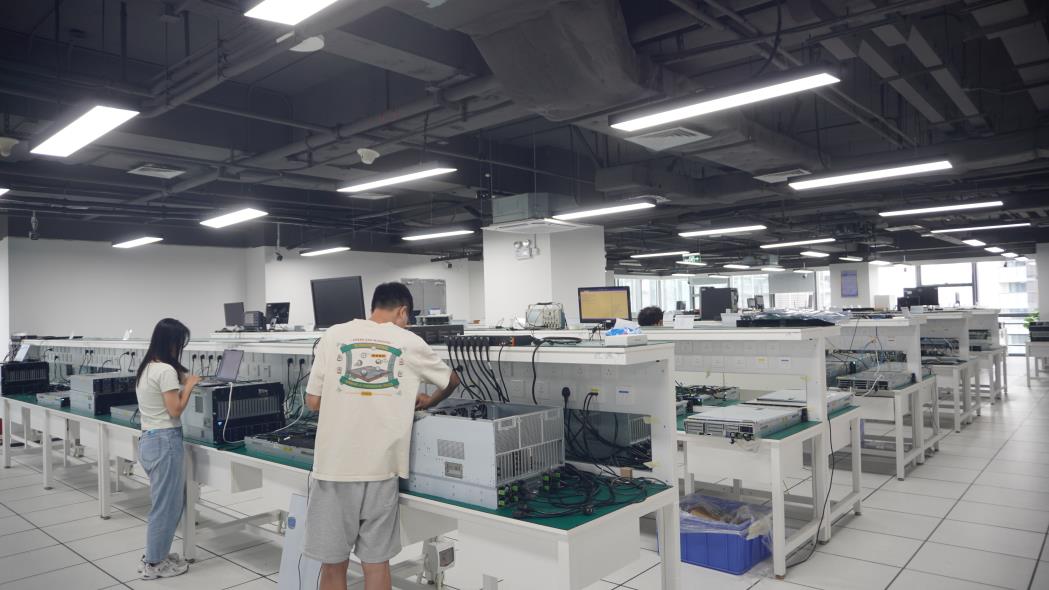
Founded in 2017, Memvora Electronics Technology Co., Ltd. is a high-performance manufacturer specializing in advanced DDR5 and DDR4 memory modules, system motherboard integrations, and dedicated PCB assembly services. From our specialized 386㎡ high-precision facility, we deploy cleanroom SMT placement, DIP plug-in soldering, and rigorous functional testing stages. This allows us to serve enterprise, consumer, and industrial automation clients worldwide.
We leverage 14 years of industry experience to navigate complex signal topologies, high-layer circuit board development, and thermal dissipation systems. Guided by our R&D group of 126 professional engineers, Memvora handles complex routing layouts, controlled impedance requirements, and customized heat spreader integrations. Our QA operations are managed by 42 specialized inspectors, ensuring that every product undergoes functional, thermal, compatibility, and signal-integrity verification before shipment.
Over the years, we have built a supply chain comprising more than 1,280 validated component partners. This network enables us to maintain manufacturing continuity and access high-grade laminates, original DRAM silicon, and reliable soldering materials. Whether configuring custom PCB layers, optimizing firmware profiles for industrial computing, or manufacturing high-heat dissipation CPU server liquid-cooling blocks, Memvora delivers reliable components that meet global market requirements.
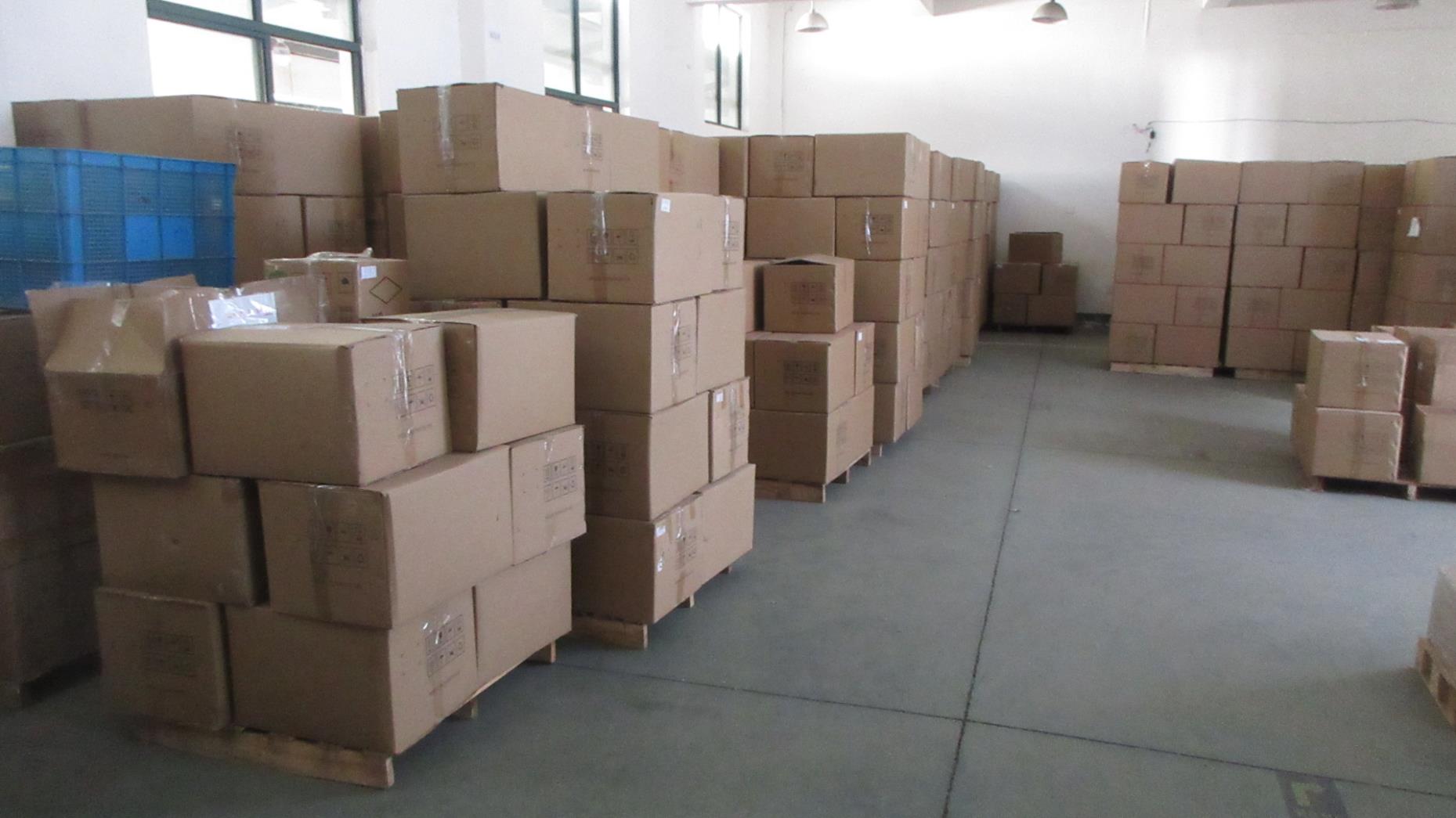
Our commitment to international quality standards has supported our expansion across North America, Europe, South America, and Southeast Asia. We provide partners with end-to-end support—from initial schematic layout and prototyping to high-volume SMT production and quality control.
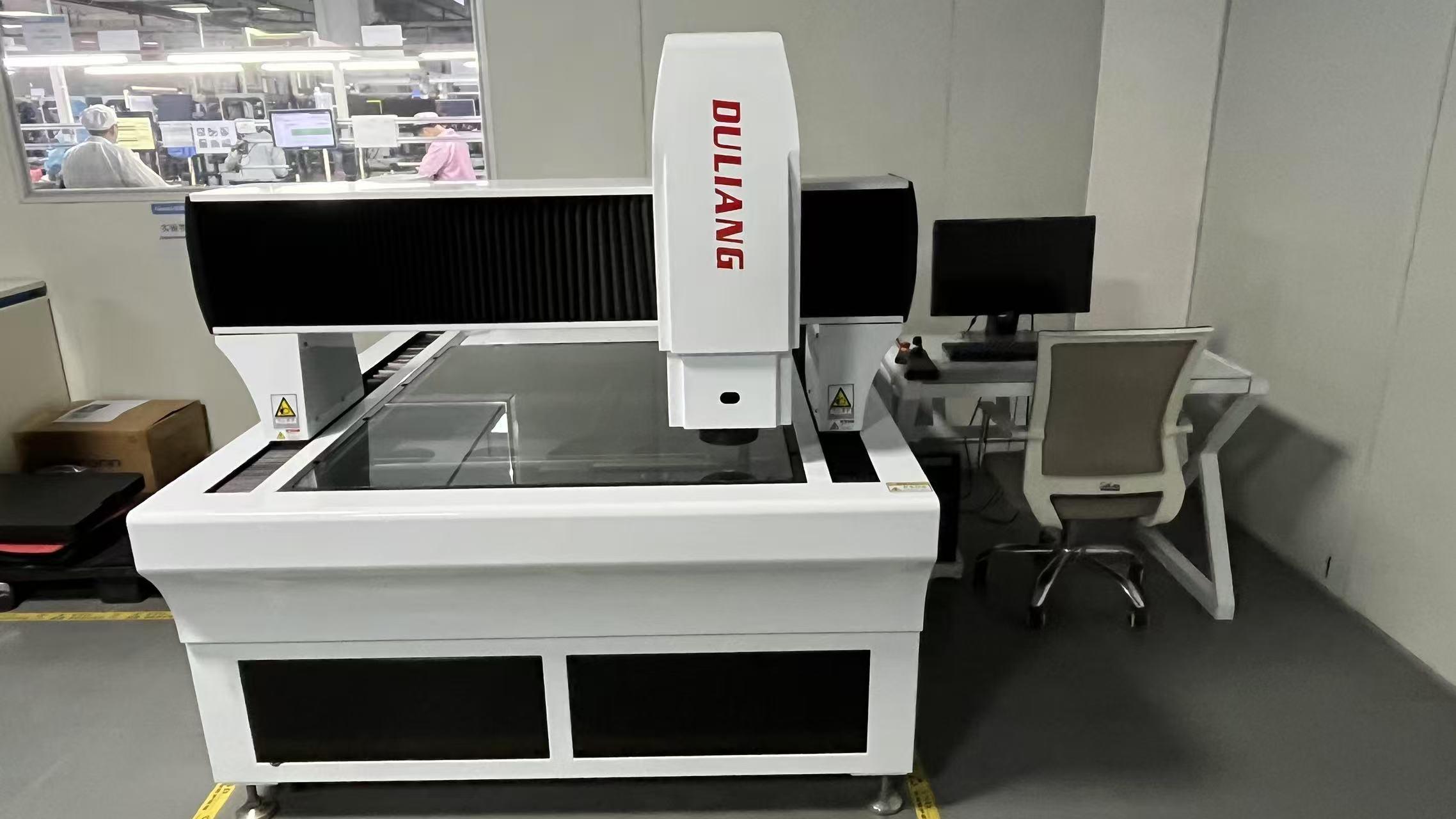
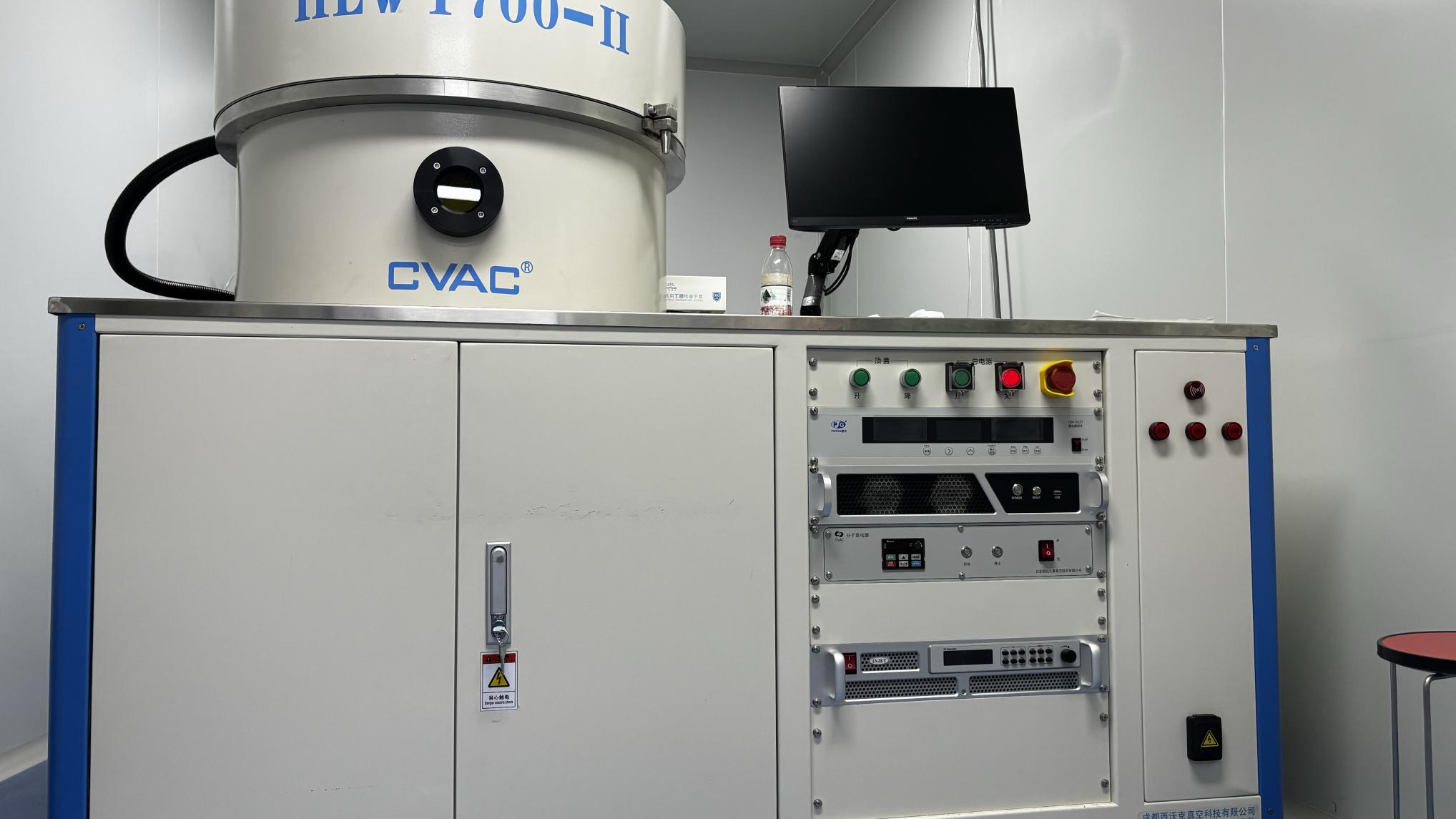
Exploring the mechanical, chemical, and electrical parameters of our fabrication processes.
We utilize Kingboard KB6160 laminates as a standard for high-reliability double-sided and multilayer configurations. Known for stable dielectric constants and thermal performance, this substrate supports consistent impedance control in signal-heavy architectures.
For fine-pitch BGA breakouts, we employ epoxy resin via-plugging with flat copper capping. This prevents solder migration during reflow assembly, enabling component placement directly on top of vias to optimize routing density.
We support various surface finishes, including HASL Lead-Free (for general durability and cost efficiency) and Immersion Silver (for flat landing pads, low high-frequency skin-effect losses, and planar SMT geometries).
How our integrated printed circuit designs and subsystem modules address diverse application scenarios.
Industrial deployment environments subject electronic assemblies to constant vibration, wide thermal fluctuations, and electrical noise. Our heavy-copper PCB layouts and SMT PCBA lines are built to withstand these conditions. We use specialized immersion coatings and selective soldering for power supply modules and instrumentation cards, helping to protect critical control nodes in processing plants and automotive manufacturing facilities.
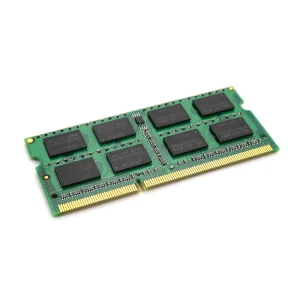
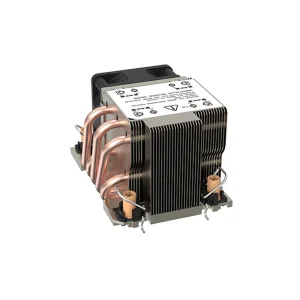
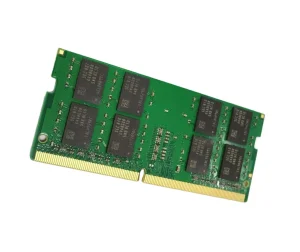
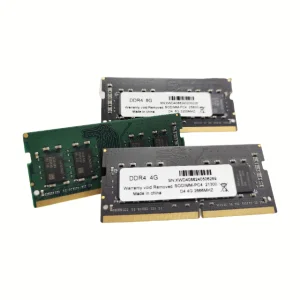
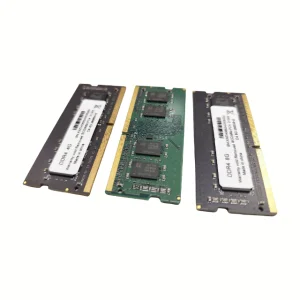
Modern servers require high-frequency signals and robust thermal management. We manufacture server-grade substrates, high-speed memory systems (DDR4/DDR5 SO-DIMM and U-DIMM modules), and high-capacity copper cooling solutions. Our LGA4677 and LGA4189 thermal management blocks help maintain stable junction temperatures for high-power server chips, reducing the risk of thermal throttling.
High-speed data applications require clean signal routing. We manufacture multi-layer PCBs and SMT assemblies for high-density DDR RAM, computer motherboards, and graphics cards. Using strict impedance control, high-Tg dielectric layers, and automated optical inspection (AOI), we help prevent signal degradation and maintain system uptime under sustained workloads.
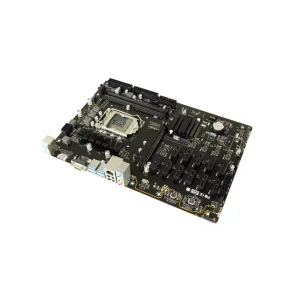
Our custom multi-card motherboards (such as the B250 9-card setup) are designed for continuous, high-load data processing. These boards feature optimized power distribution networks (PDN) and dedicated heat dissipation designs to handle intense electrical demand without experiencing voltage drop or premature component wear.
Maintaining strict compliance with global quality and environmental standards.
Memvora maintains high quality standards across our production operations. We source raw materials from suppliers compliant with RoHS and REACH directives. Our fabrication processes follow IPC-A-600 and IPC-A-610 Class 2 and Class 3 standards, helping to ensure reliable solder joint integrity and board dimensions for industrial applications.
Every product undergoes a comprehensive quality verification process, including 100% functional testing, burn-in verification under thermal stress, memory compatibility checks, signal integrity analysis, and accelerated aging tests. These procedures allow us to identify and address potential component defects before delivery to our global customers.
Preparing for future high-speed and thermal management requirements.
As bus speeds increase, signal attenuation and trace skew become more critical. We are developing low-dissipation substrates and modified microstrip designs to support clean transmission in next-generation memory layouts.
As CPU and GPU TDP exceed 400W, standard cooling systems face performance limits. We integrate thick-copper vapor chambers, cooling blocks, and specialized dielectric interfaces directly into the board stackup.
Embedding passives (resistors and capacitors) directly into the inner layers of the PCB helps reduce parasitic inductance, freeing up surface space and improving high-frequency power delivery.
Answers to common engineering and procurement questions regarding PCB fabrication and component assembly.
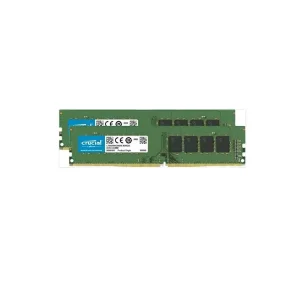
Explore our line of server cooling units, high-speed RAM, and specialized computing boards designed for network applications.
 Memvora