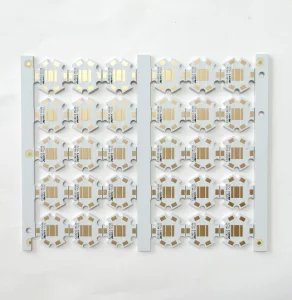
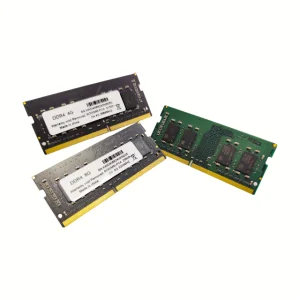
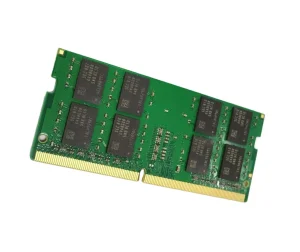
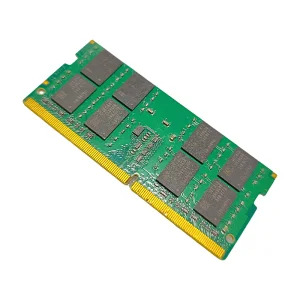
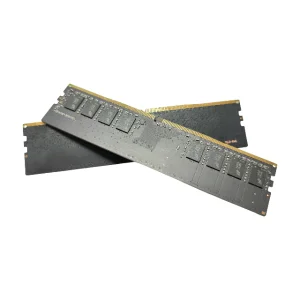
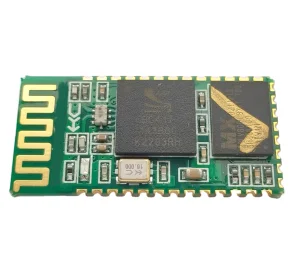
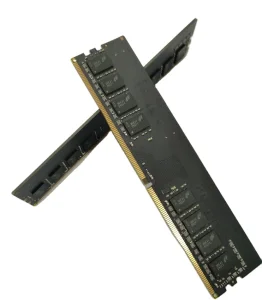
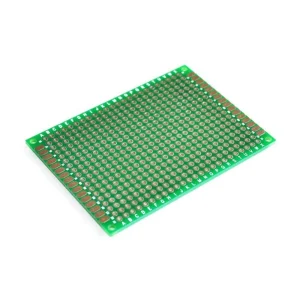
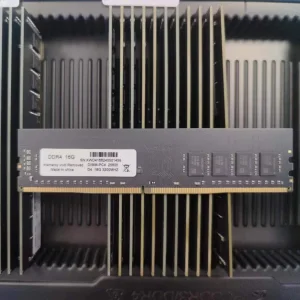
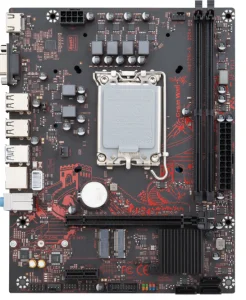
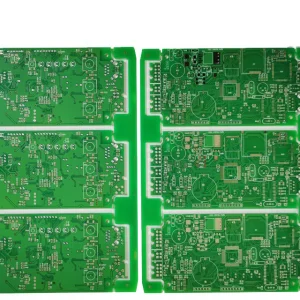
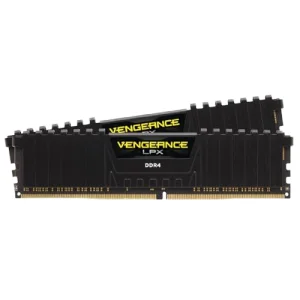
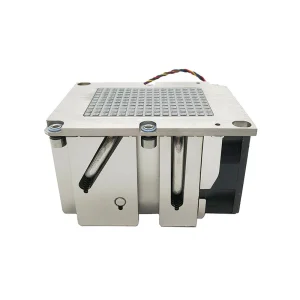
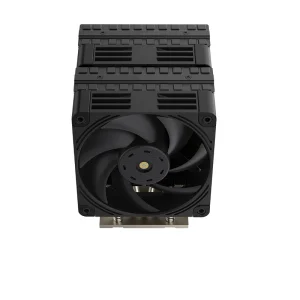
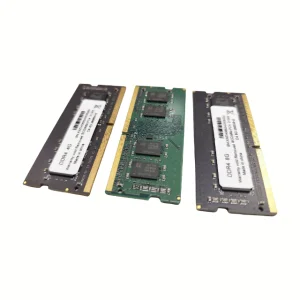
Explore our selection of aluminum circuit substrates, flexible high-density interconnect cards, and performance memory components engineered for thermal dissipation efficiency.
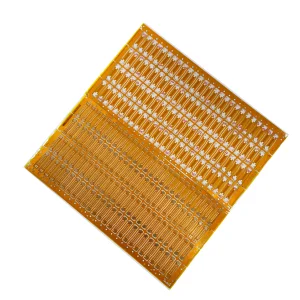
As global electronics push the limits of power density and miniaturization, traditional FR-4 substrates face physical thermal dissipation barriers. Aluminum PCBs (also classified as Metal Clad PCBs, Insulated Metal Substrates, or IMS) have emerged as the foundational solution to keep thermals under check, ensuring longevity, stability, and failure-free operations.
Modern electrical assemblies output significant heat per square millimeter. Traditional epoxy/glass backings fail to disperse this energy quickly enough, leading to junction overheating and semiconductor failure. Aluminum Insulated Metal Substrates transfer heat 10 to 100 times faster than classic fiber boards, protecting crucial components like power LEDs, high-power logic gate arrays, and MOSFETs from thermal stress.
Aluminum bases offer high mechanical strength and dimensional stability. Unlike brittle composite boards, metal-backed PCBs withstand heavy mechanical shock, vibration, and extreme temperature fluctuations. This mechanical resilience minimizes thermal contraction and expansion cracks in solder joints, making it highly preferred for automotive under-hood systems, industrial machinery, and outdoor installations.
Understanding the composition of an Aluminum PCB is vital for strategic sourcing. A typical MCPCB contains three layers: the Copper Circuit Layer, the Dielectric/Insulation Layer, and the Aluminum Base Layer. The dielectric layer acts as the thermal catalyst, determining the ultimate performance of the system.
| Specification Parameter | Standard Performance Range | Advanced Industrial Range | Strategic Applications |
|---|---|---|---|
| Thermal Conductivity (W/m-K) | 1.0 W/m-K – 2.0 W/m-K | 3.0 W/m-K – 8.0 W/m-K | High-Power LED fixtures, EV drivetrains, Server Heatsinks |
| Dielectric Breakdown Voltage | ≥ 2000 V AC | ≥ 6000 V AC | Grid converters, EV onboard chargers, industrial motor control |
| Base Metal Thickness | 0.8 mm – 1.6 mm | 2.0 mm – 3.2 mm | Heavy-duty computer backplanes, power rectifiers |
| Copper Cladding Weight | 1.0 oz (35 μm) | 2.0 oz – 6.0 oz (210 μm) | High-current systems, power distribution units |
| Glass Transition Temp. (Tg) | 130°C | 150°C – 180°C | Aerospace instrumentation, automotive engine modules |
| Thermal Resistance | 0.85 °C/W | ≤ 0.2 °C/W | Solid State Relays, high-speed memory systems |
Originally founded in 2017, Memvora has evolved from a dedicated high-performance DRAM memory manufacturer to an advanced global supplier of integrated thermal PCBs, high-density interconnections, and customized cooling substrates.
Founded in 2017, Memvora Electronics Technology Co., Ltd. is a professional manufacturer specializing in high-performance DDR5 memory modules, dedicated to delivering reliable memory solutions for consumer, industrial, enterprise, and embedded applications worldwide. With a modern manufacturing facility covering 386㎡, we combine advanced production equipment, strict quality management, and experienced engineering expertise to provide stable, high-speed memory products for global OEM and ODM partners.
Since entering the international market, Memvora has accumulated 7 years of export experience, serving customers across North America, Europe, Southeast Asia, the Middle East, and South America. Our annual export revenue exceeds US$18.6 million, supported by a strong global supply chain and long-term partnerships with more than 1,280 component suppliers and business partners.
With 14 years of industry experience, our team continuously invests in technology innovation and product development. Our R&D department consists of 126 professional engineers who focus on developing next-generation DDR5 memory solutions with higher speed, lower latency, and enhanced reliability. Last year alone, we successfully launched 86 new memory products to meet the evolving needs of gaming, AI computing, industrial automation, and enterprise servers.
Quality is the foundation of everything we do. Every product undergoes 100% functional testing, burn-in testing, compatibility testing, signal integrity testing, and aging tests before shipment. Our dedicated quality control team of 42 inspectors ensures every memory module meets rigorous international quality standards and delivers long-term stable performance.
Memvora provides flexible OEM, ODM, private label, custom capacity, PCB color, heat spreader design, firmware optimization, and packaging customization services to meet different market requirements. Backed by a responsive engineering team and efficient production management, we help customers shorten development cycles and accelerate product launches.
Today, Memvora serves a diverse customer base including memory brands, computer manufacturers, industrial equipment suppliers, system integrators, distributors, wholesalers, and e-commerce retailers. Through continuous innovation, reliable quality, and customer-focused service, we are committed to becoming a trusted global partner for advanced DDR5 memory manufacturing and customized DRAM solutions.
Procuring metal core PCBs involves navigating a matrix of quality, lead times, compliance, and material authenticity. For system integrators and tier-1 manufacturers, optimization here directly affects bottom lines and system safety.
Thermal performance relies heavily on the aluminum alloy substrate. Common grades include 1060, 5052, and 6061. 5052 and 6061 offer superior mechanical strength and structural integrity, while 1060 exhibits slightly higher thermal capacity at a lower tensile threshold. Always demand raw material mill certificates to guarantee the properties of your base metal.
Industrial components must comply with environmental and safety standards. High-performance aluminum PCBs must carry UL 94V-0 flammability ratings, RoHS conformity, REACH certifications, and ISO9001 quality system stamps. Sourcing certified PCBs ensures friction-free customs clearance and protects against liability.
Off-the-shelf boards rarely fit complex modern geometries. Work with a manufacturer capable of delivering custom trace layouts, variable dielectric thicknesses, targeted breakdown voltages, surface finishes (HASL lead-free, ENIG, OSP), and specific mechanical routings (V-scoring, routing, punching).
The horizon of metal core substrates is defined by high integration, high layers, and nanoscale materials. Let's explore the key technical transitions that are reshaping the manufacturing space.
Current dielectric layers rely on polymer matrices embedded with ceramic particles. The future lies in carbon-nanotube and nano-ceramic infused polymer blends. These nanomaterials cut thermal impedance, enabling thermal conductivities exceeding 10 W/m-K while maintaining robust dielectric properties.
Historically limited to single-sided designs, the industry is transitioning to multi-layer Insulated Metal Substrates (IMS). By utilizing blind vias, micro-vias, and buried ceramic-filled bridges, engineers can now route complex signals on multi-layered copper circuits while directly sinking heat to the aluminum base plate.
Merging the benefits of Flexible Printed Circuits (FPCs) with rigid aluminum backplates has yielded bendable aluminum PCBs. Manufacturers utilize thin, bendable aluminum sheets paired with flexible polyimide resins. This allows developers to fit thermal PCBs into curved housings, such as smart headlights and compact consumer electronics.
Thermal and electrical integrity cannot be compromised. At Memvora, we enforce rigorous, multi-tiered inspection protocols to ensure every board performs reliably under demanding conditions.
Every single board undergoes high-voltage isolation screening. A high-voltage potential is applied across the copper circuit and the aluminum base to confirm that the thin dielectric layer can withstand operating peaks without electrical arcing or shorting.
Our thermal test simulates real-world processing heat and operating spikes. Substrates are floated in molten solder at 288°C to verify that no delamination, bubbling, or copper trace lifting occurs. This confirms the bond integrity of the dielectric interface under extreme thermal shock.
Frequently asked questions and technical answers to help engineers, supply chain managers, and procurement officers make informed design and purchasing decisions.
FR-4 is made of fiberglass and epoxy resin, which acts as a thermal insulator. In contrast, Aluminum PCBs feature a metal core base and a thermal dielectric layer designed for heat dissipation. Aluminum PCBs are much more effective at transferring heat away from critical components, protecting them from thermal failure. Additionally, Aluminum PCBs provide higher mechanical durability and dimensional stability than FR-4 boards.
Choosing the correct alloy depends on your thermal and mechanical requirements:
The dielectric layer is the critical interface in a metal clad PCB. It must electrically insulate the copper circuit from the aluminum backing while quickly transferring thermal energy. The performance of this layer is measured by its thermal conductivity (typically 1.0 to 8.0 W/m-K). Thinner dielectric layers reduce thermal resistance but require high-quality formulations to prevent electrical breakdown at higher voltages.
Memvora implements a comprehensive quality assurance framework. This includes 100% functional testing, electrical isolation (Hi-Pot) checks, thermal shock testing (solder float testing at 288°C), and automated optical inspections (AOI). Our QA team of 42 inspectors monitors the manufacturing flow to verify that all finished boards meet UL 94V-0, RoHS, and international quality standards.
Yes. While single-sided designs are standard, multi-layer aluminum PCBs are increasingly common for complex, high-power designs. They feature multiple copper circuit layers separated by dielectric layers, bonded to the aluminum backing. This setup allows for dense routing and component placement while routing heat to the metal core.
Browse our secondary catalog featuring double-sided prototypes, lead-free circuit boards, server cooler heatsinks, and compatible memory modules.
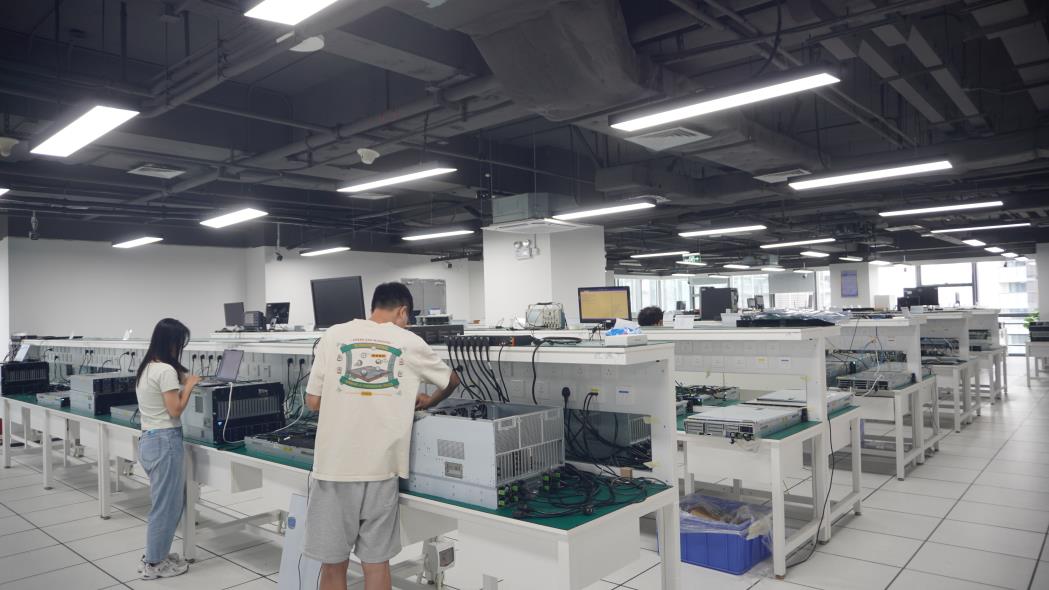
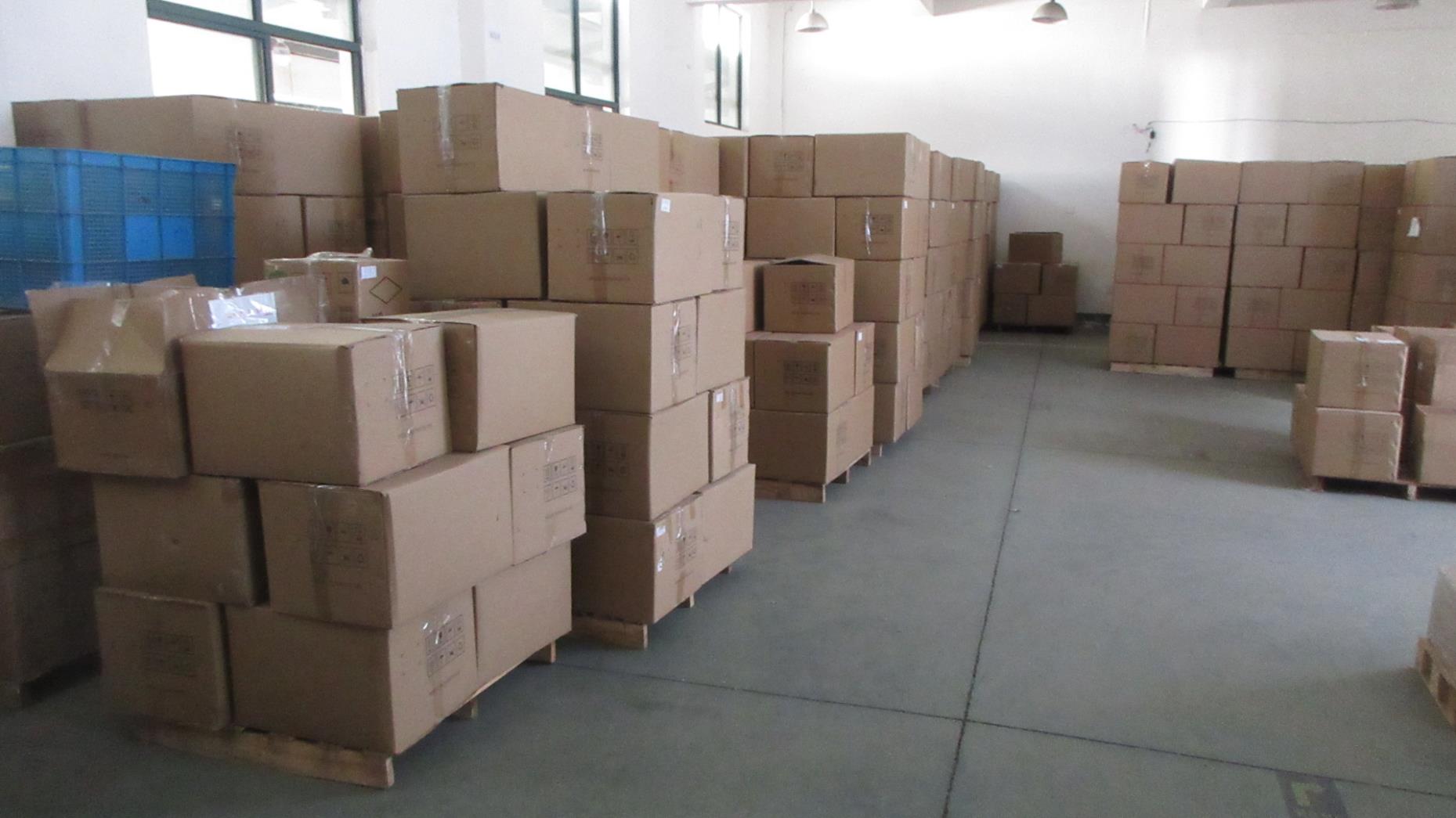
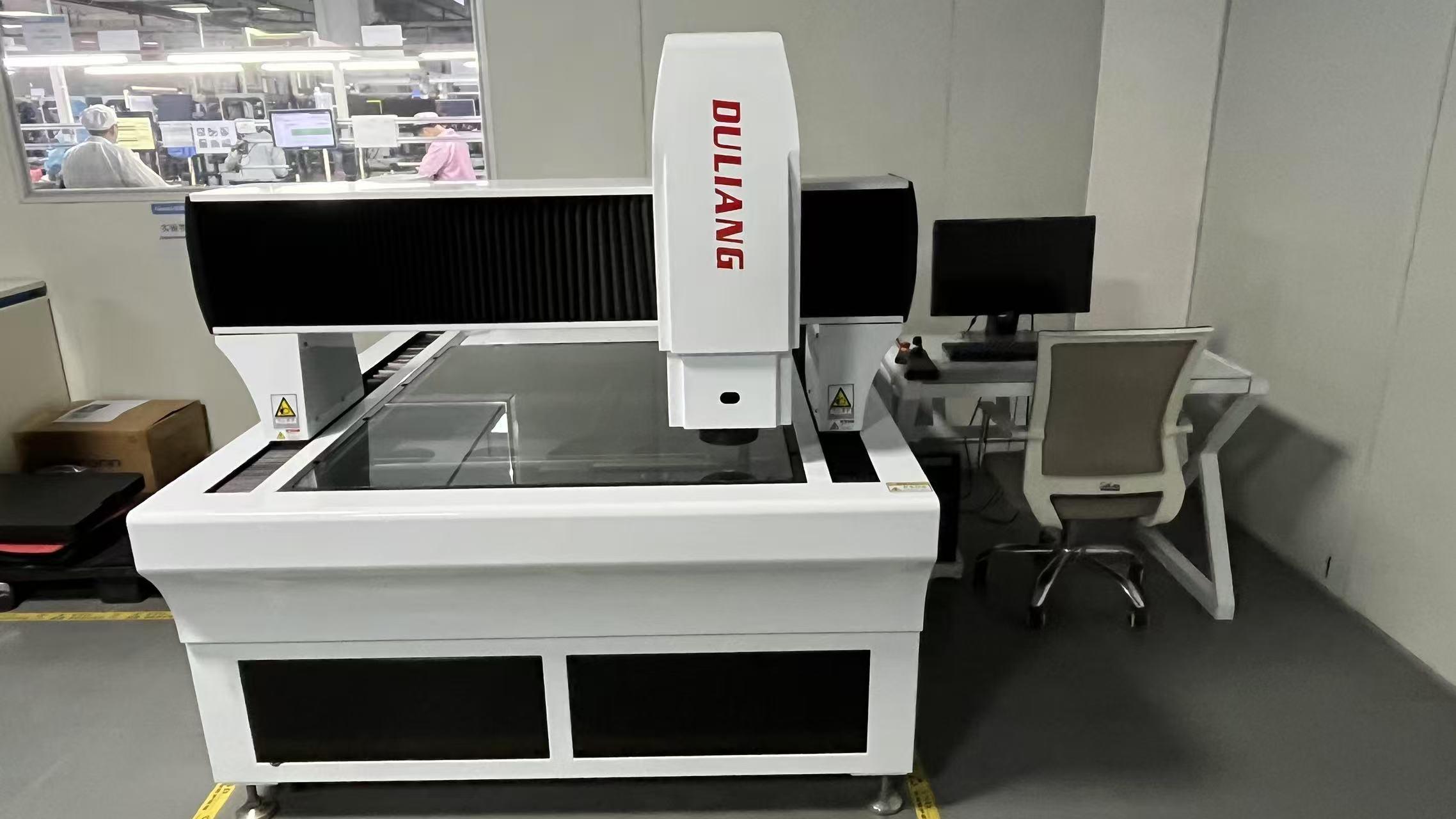
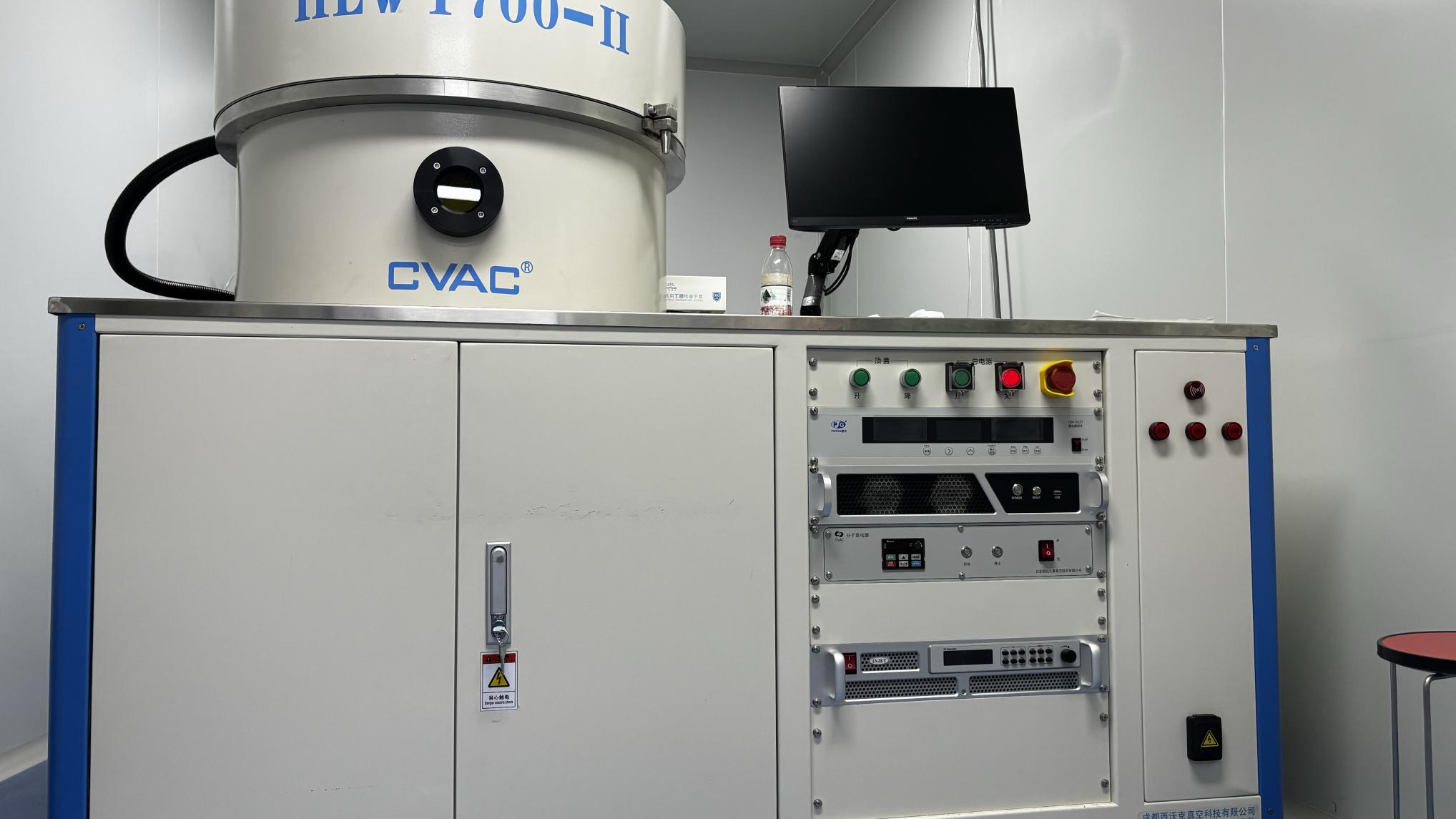
Inside our assembly lines, surface mount machinery, and verification hubs. We sustain quality through structural inspections and strict environmental compliance.
 Memvora