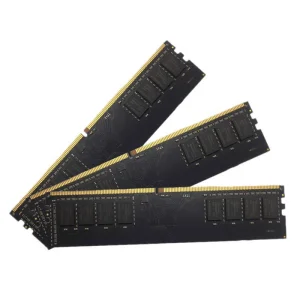
Premium OEM and components designed to support cooling systems and electronic assemblies for high-duty cycle applications in Poland.
An in-depth white paper examining the technological shift toward solid-state ultraviolet disinfection within Central Europe's manufacturing core.
Poland's position as one of Europe's premier industrial and manufacturing hubs—driven by robust automotive, food and beverage processing, and home appliance sectors—makes it a focal point for advanced sanitization technologies. The country's strict adherence to EU environmental directives, notably the RoHS Directive limiting heavy metals and the European Green Deal, is accelerating a comprehensive transition away from legacy mercury-arc discharge lamps toward solid-state UVC (ultraviolet-C) LED systems.
Unlike old gas-discharge mercury lamps that present severe toxic disposal hazards under the Minamata Convention, UVC LED modules emit monochromatic, high-energy germicidal wavelengths (typically 265nm to 280nm) without mercury risk. This technology allows Polish manufacturers to integrate sterilization elements directly into production lines, medical devices, and smart home systems safely and with a significantly reduced carbon footprint.
The core efficacy of UVC disinfection relies on the absorption spectrum of DNA and RNA molecules within biological organisms. Peak absorption occurs between 260nm and 265nm, where ultraviolet photons induce thymine dimerization in genetic strands. Once these molecular bonds are disrupted, the microorganism is rendered bacteriologically inactive (unable to replicate or infect host organisms).
| Parameters | Mercury-Arc Vapor Lamps | Advanced UVC LED Modules | Polish Industrial Impact |
|---|---|---|---|
| Mercury Content | Highly toxic (liquid or vapor form) | Zero mercury (RoHS Compliant) | Ensures compliance with EU environmental directives. |
| Operating Lifespan | 8,000 - 10,000 Hours (Duty cycle sensitive) | Up to 20,000 - 50,000 Hours | Reduces maintenance overhead for remote water infrastructure. |
| Warm-up Period | 3 to 10 minutes required for peak output | Instantaneous (Microsecond response) | Allows pulsing on-demand, optimizing overall energy consumption. |
| Physical Footprint | Fragile quartz tubes, minimum 15cm lengths | Compact semiconductor footprint (<5mm emitter) | Fits inside compact medical equipment & domestic appliances. |
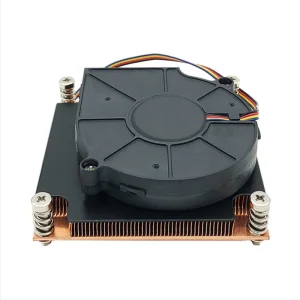
| Thermal Emission | Radiates heat through quartz envelope | Conducted heat through base substrate | Requires precision thermal engineering via copper heatsinks. |
The deployment of UVC LED modules across Poland meets distinct industrial and regulatory needs:
Advanced drivers enable rapid pulsing and customized duty cycles, allowing for system-level energy savings of up to 75% compared to static gas discharge systems.
Designed using high thermal conductivity Aluminum Nitride (AlN) substrates, mitigating heat buildup and guaranteeing optimal photon emission efficiency.
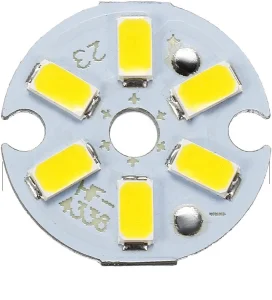
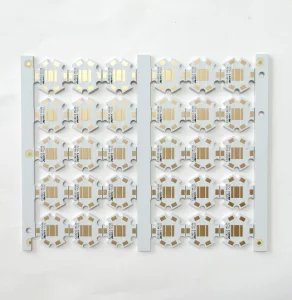
Custom PCB arrays allow for seamless physical configurations, adapting to complex geometries inside industrial machines and consumer products.
A trusted global manufacturing partner of critical electronic components, advanced thermal interfaces, and micro-arrays since 2017.
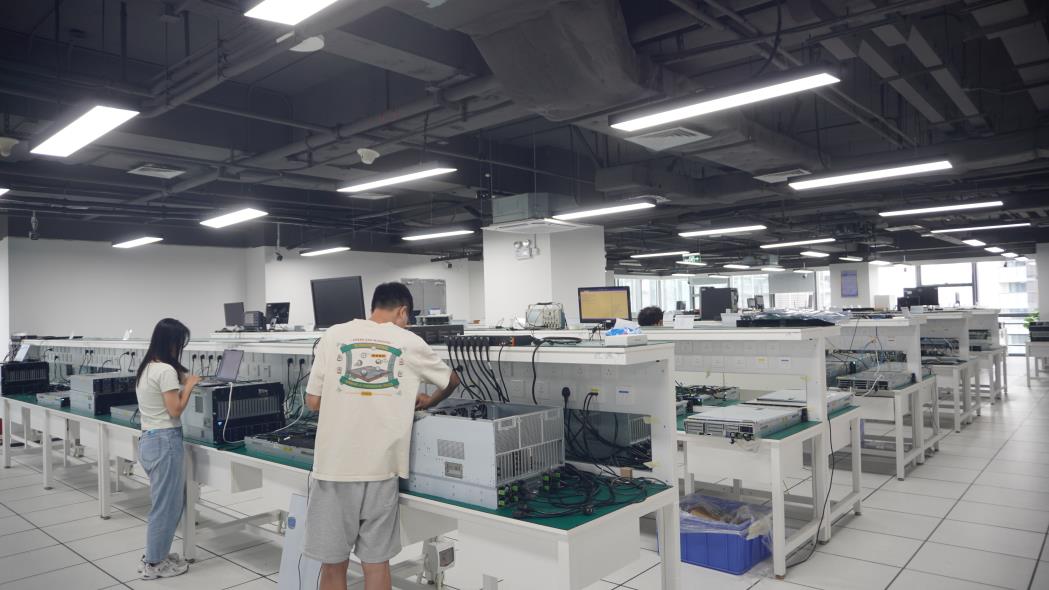
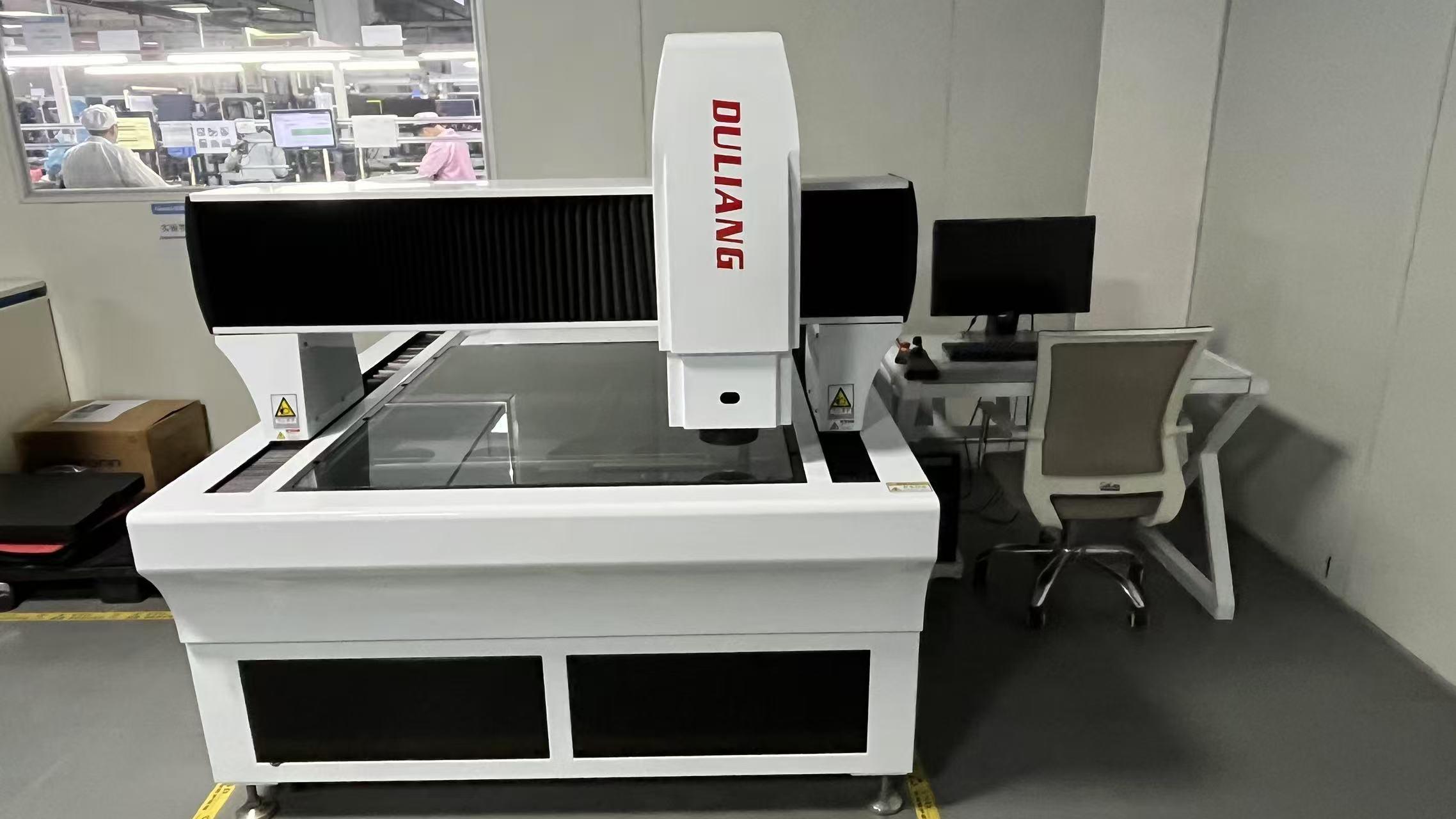
Founded in 2017, Memvora Electronics Technology Co., Ltd. is a professional manufacturer specializing in high-performance computing components and specialized electronic assemblies. With our modern manufacturing facility covering 386㎡, we combine advanced production equipment, strict quality management, and experienced engineering expertise to deliver robust hardware solutions to Polish and global OEM/ODM partners.
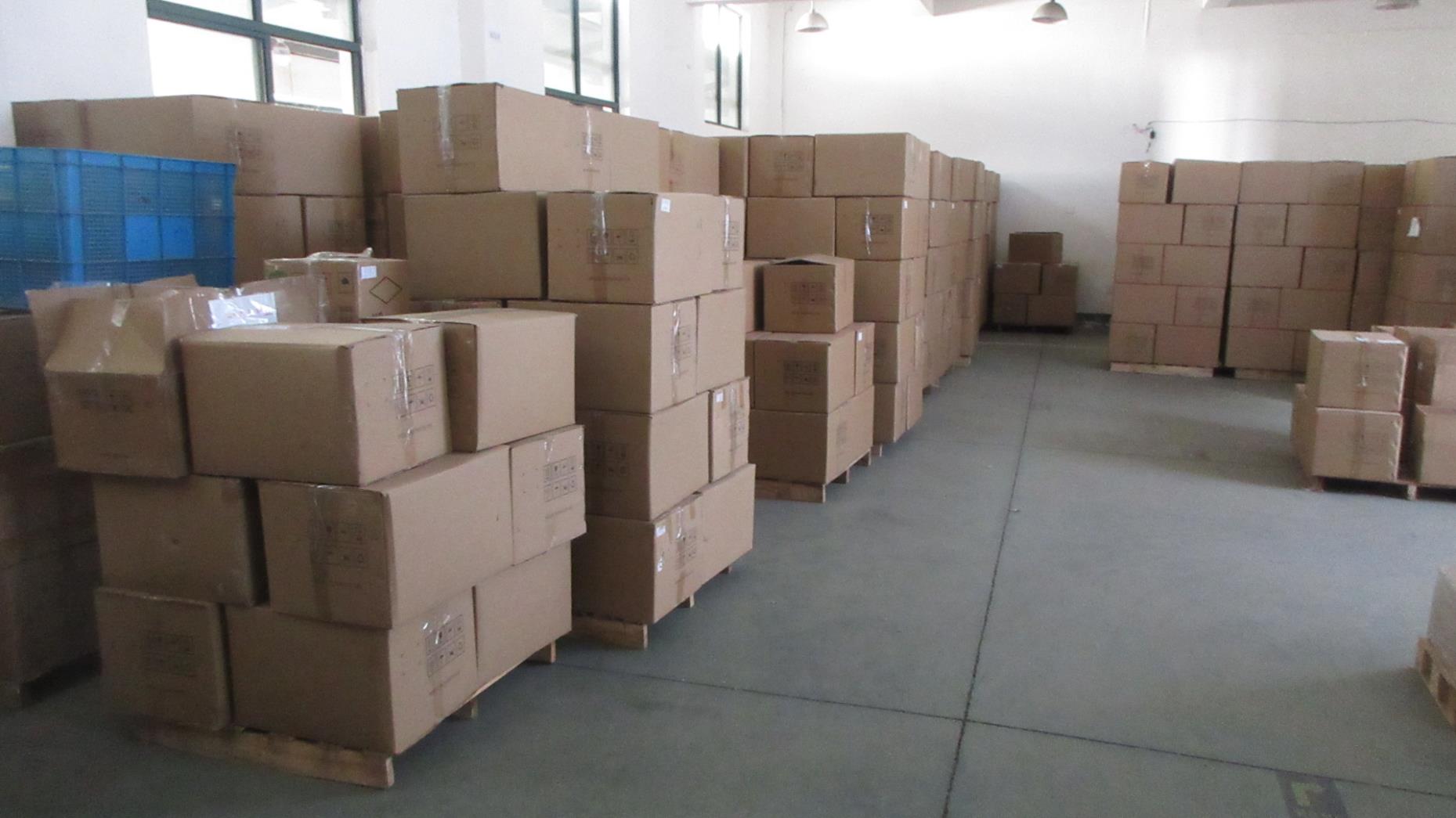
Over our 7 years of export history, Memvora has established a strong presence throughout Europe, notably serving industrial distributors and system integrators in Poland. With annual export revenues exceeding US$18.6 million, our supply chain is reinforced by over 1,280 certified component suppliers.
Our engineering backbone consists of 126 professional engineers with a combined 14 years of industry experience. This team works continuously to refine electronic reliability, thermal architectures, and physical module design. In the past year alone, we introduced 86 new product designs tailored to industrial automation and high-reliability environments.
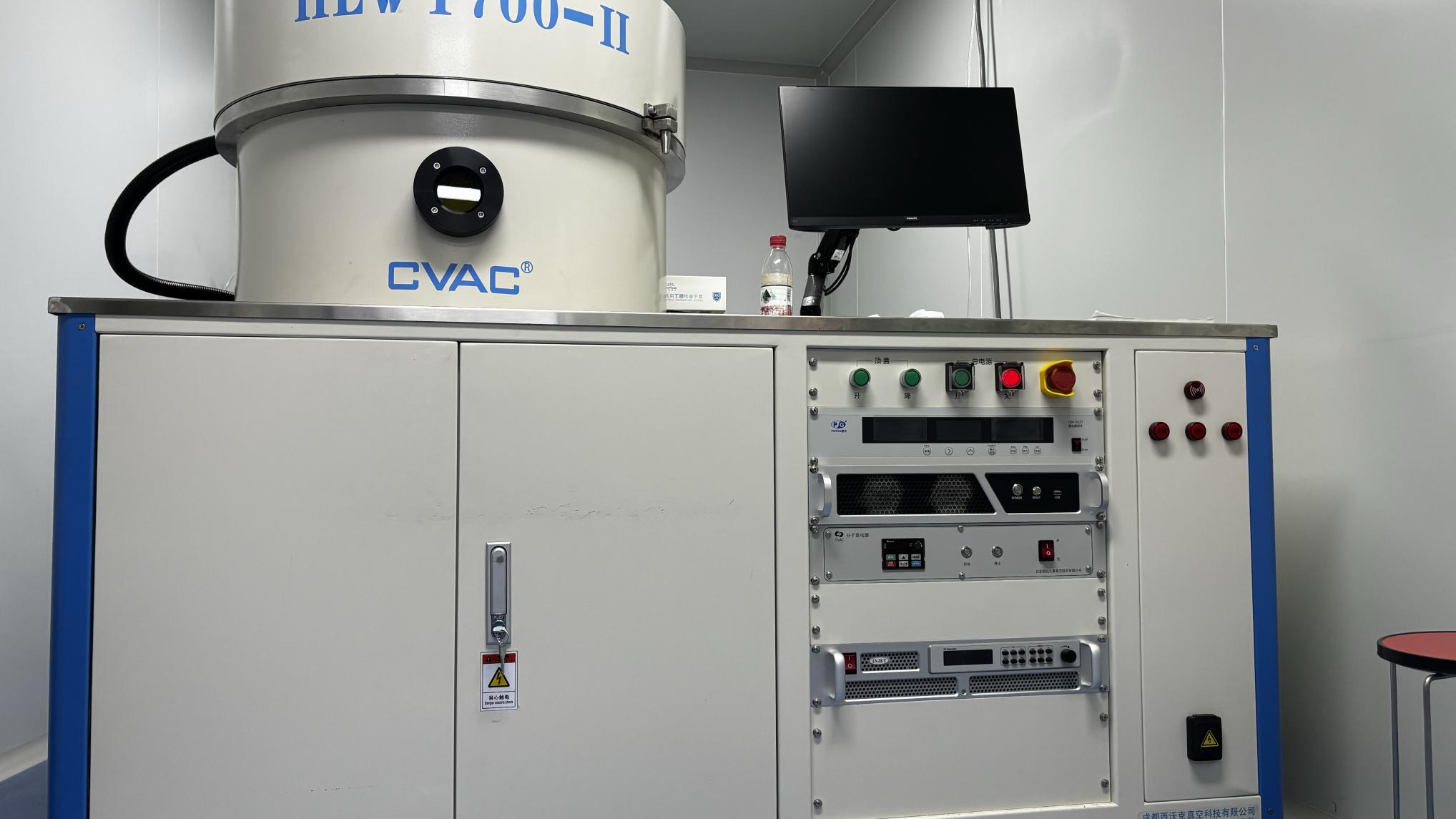
One of the primary engineering challenges associated with UVC LED modules is the low external quantum efficiency (EQE) inherent to AlGaN-based semiconductor materials. Only 3% to 6% of the electrical energy supplied to a UVC LED is converted into optical power; the remaining 94%+ is converted directly into heat at the sub-millimeter junction point. Without adequate thermal dissipation, elevated junction temperatures lead to rapid degradation of output power, wavelength shifts, and a sharp drop in overall lifetime (L70).
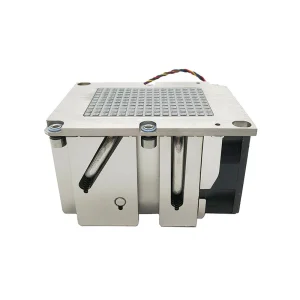
To mitigate this thermal threat, Memvora designs UVC modules using high-performance Metal Core Printed Circuit Boards (MCPCBs) combined with copper and aluminum thermal interfaces. Utilizing advanced materials like Aluminum Nitride (AlN) sub-mounts, which feature a thermal conductivity of >180 W/mK, the heat is rapidly conducted away from the active chip layers. This engineering standard ensures that our solutions maintain continuous peak irradiance in demanding commercial and industrial environments throughout Poland.
The UVC semiconductor sector is undergoing rapid evolution. Key technical milestones projected over the next five years include:
Detailed answers to engineering questions regarding the deployment of UVC modules and critical sub-components.
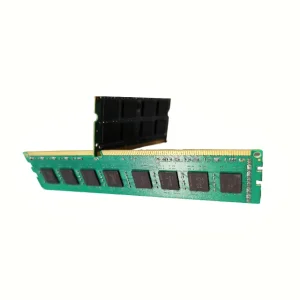
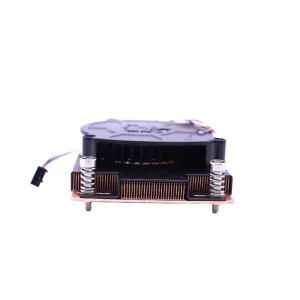
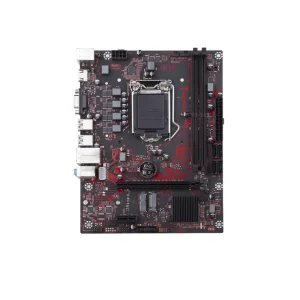
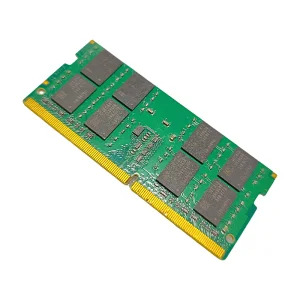
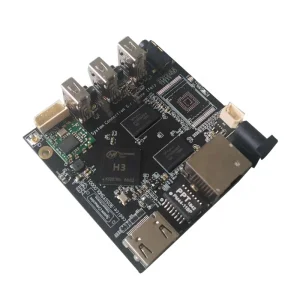
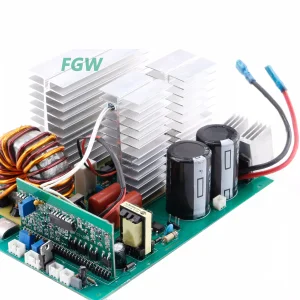
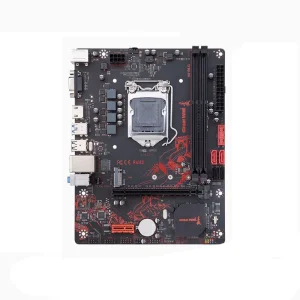
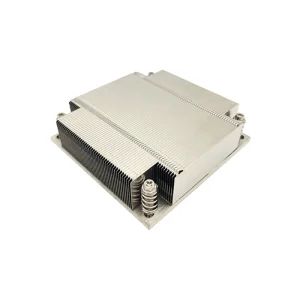
Explore our full range of thermal substrates, circuit boards, memory units, and cooling solutions for your production lines in Poland.
 Memvora