Designed for high-reliability municipal, industrial, and clinical UVC disinfection systems in the Bulgarian and Eastern European markets.
As environmental guidelines under the European Green Deal restrict the usage of mercury-based low-pressure gas discharge lamps (under RoHS directives), industries throughout Bulgaria are actively transitioning to solid-state UV semiconductor devices. UVC LEDs operating within the germicidal absorption band (260nm – 280nm) offer instant-on capabilities, dynamic control, zero toxicity, and exceptional longevity, driving systemic efficiency improvements across Eastern Europe.
The global UVC LED industry is defined by the crystallization of Aluminum Gallium Nitride (AlGaN) epilayers on sapphire substrates. Recent breakthroughs in flip-chip packaging and high-thermal-conductivity ceramic substrates have elevated Wall Plug Efficiency (WPE) from less than 2% to over 6% in industrial modules, making solid-state UVC viable for high-flow municipal systems.
Under the European Union (Drinking Water) Directive 2020/2184, Bulgaria has modernized its public water quality metrics. Municipalities in Sofia, Plovdiv, and Varna are adopting physical disinfection methods like UVC LEDs over aggressive chemical chlorination to mitigate toxic disinfection by-products (DBPs) like trihalomethanes.
Integrating high-efficiency UVC LEDs with solar and wind microgrids matches Bulgaria’s National Energy and Climate Plan (NECP). Traditional mercury lamps consume high standby power; UVC LEDs switch on and off instantly, resulting in up to an 85% operational energy saving in discontinuous liquid lines.
From heavy manufacturing sectors in the Trakia Economic Zone to winter resort hospitality, our UVC LED technology addresses critical regional disinfection challenges.
Bulgaria’s prestigious dairy export sector relies on impeccable hygiene. UVC LED arrays installed on conveyors disinfect milk packaging containers before aseptic filling, ensuring a long shelf life without chemicals, in compliance with HACCP principles.
Our custom multi-channel UVC LED reactor modules integrate directly with municipal water inlets and residential purification systems, targeting Chlorine-resistant protozoa such as Cryptosporidium and Giardia.
To support year-round tourism in Bansko, Golden Sands, and Sunny Beach, hotels are upgrading HVAC systems with UVC LED air sterilization arrays to destroy airborne bacteria, mold, and viruses, optimizing indoor air quality (IAQ).
Developing high-output UVC arrays requires sophisticated thermal management and precise wavelength control. Below is our engineering roadmap for high-flux UVC packages.
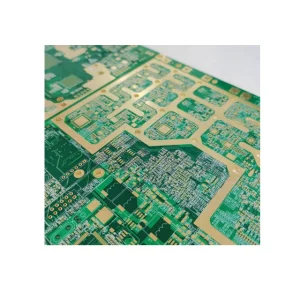
High optical power generates substantial heat at the junction. By replacing standard FR4 boards with thin-film Aluminum Substrate PCBs (Taconic TLY-5 / Rogers 4000 series), we minimize the thermal resistance path. This keeps the junction temperature below 65°C, ensuring a stable L70 lifetime of over 20,000 hours.
Our manufacturing plant controls the AlGaN epilayer growth to guarantee high spectral purity. While 254nm mercury lines are standard, DNA absorption peaks at 265nm. Our specialized 265nm–275nm targeted emitters achieve log-3 (99.9%) pathogens reduction within fractions of a second under turbulent flow conditions.
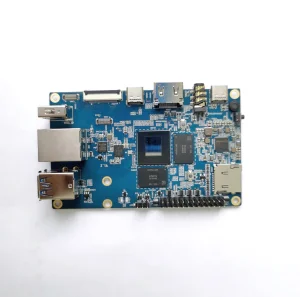
Modern disinfection setups require closed-loop feedback. Integrating AI processors (like the Rockchip RK3588S) allows real-time calculation of UV fluence based on fluid turbidity, water flow velocity, and LED age, optimizing energy efficiency and safety.
We deliver complete system architectures designed to solve complex microbial challenges across municipal, medical, and manufacturing infrastructures.
Engineered with CFD (Computational Fluid Dynamics) modeling, our high-flow reactors use reflective inner chambers lined with high-purity PTFE or polished stainless steel. This design ensures that every fluid path receives the minimum target dose of 40 mJ/cm², effectively eliminating viruses and spores.
For large public complexes, our modular UVC racks slide directly into existing HVAC air handling units (AHUs). Designed to run constantly or cycle on and off based on air speed, they prevent biofilm formation on cooling coils and sanitize the primary air stream.
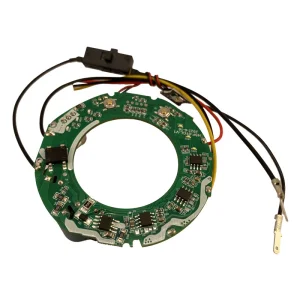
We provide full-stack OEM services, customizing UVC arrays, aluminum-clad driver boards, and intelligent microcontrollers to integrate seamlessly into clinical autoclaves, laboratory biosafety cabinets, and home appliance systems.
Founded in 2017, Memvora Electronics Technology Co., Ltd. is a professional manufacturer specializing in high-performance DDR5 memory modules, dedicated to delivering reliable memory solutions for consumer, industrial, enterprise, and embedded applications worldwide. With a modern manufacturing facility covering 386㎡, we combine advanced production equipment, strict quality management, and experienced engineering expertise to provide stable, high-speed memory products for global OEM and ODM partners.
Since entering the international market, Memvora has accumulated 7 years of export experience, serving customers across North America, Europe, Southeast Asia, the Middle East, and South America. Our annual export revenue exceeds US$18.6 million, supported by a strong global supply chain and long-term partnerships with more than 1,280 component suppliers and business partners.
With 14 years of industry experience, our team continuously invests in technology innovation and product development. Our R&D department consists of 126 professional engineers who focus on developing next-generation DDR5 memory solutions with higher speed, lower latency, and enhanced reliability. Last year alone, we successfully launched 86 new memory products to meet the evolving needs of gaming, AI computing, industrial automation, and enterprise servers.
Quality is the foundation of everything we do. Every product undergoes 100% functional testing, burn-in testing, compatibility testing, signal integrity testing, and aging tests before shipment. Our dedicated quality control team of 42 inspectors ensures every memory module meets rigorous international quality standards and delivers long-term stable performance.
Memvora provides flexible OEM, ODM, private label, custom capacity, PCB color, heat spreader design, firmware optimization, and packaging customization services to meet different market requirements. Backed by a responsive engineering team and efficient production management, we help customers shorten development cycles and accelerate product launches.
Today, Memvora serves a diverse customer base including memory brands, computer manufacturers, industrial equipment suppliers, system integrators, distributors, wholesalers, and e-commerce retailers. Through continuous innovation, reliable quality, and customer-focused service, we are committed to becoming a trusted global partner for advanced DDR5 memory manufacturing and customized DRAM solutions.
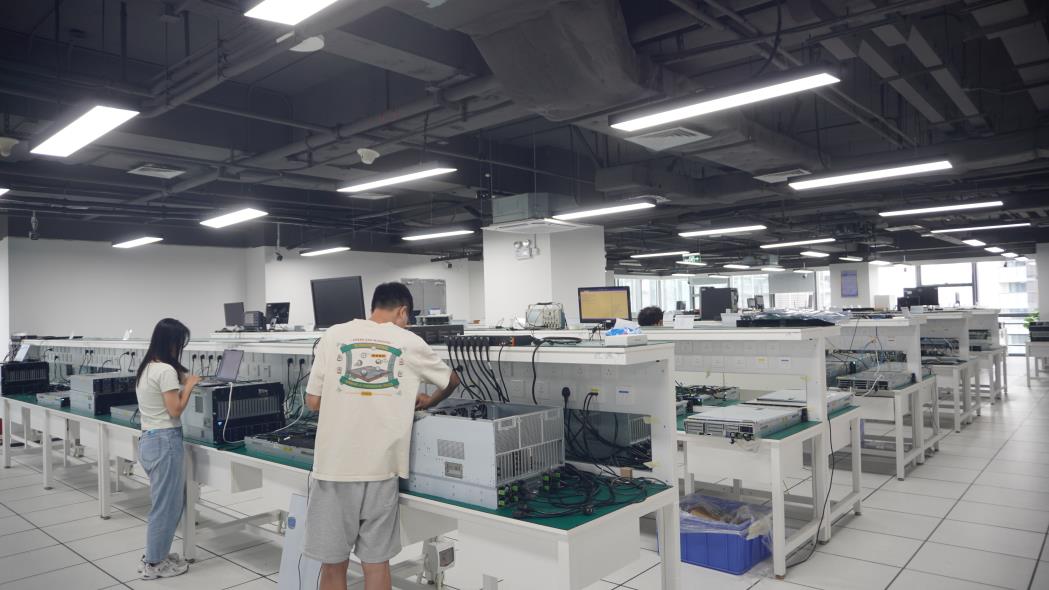
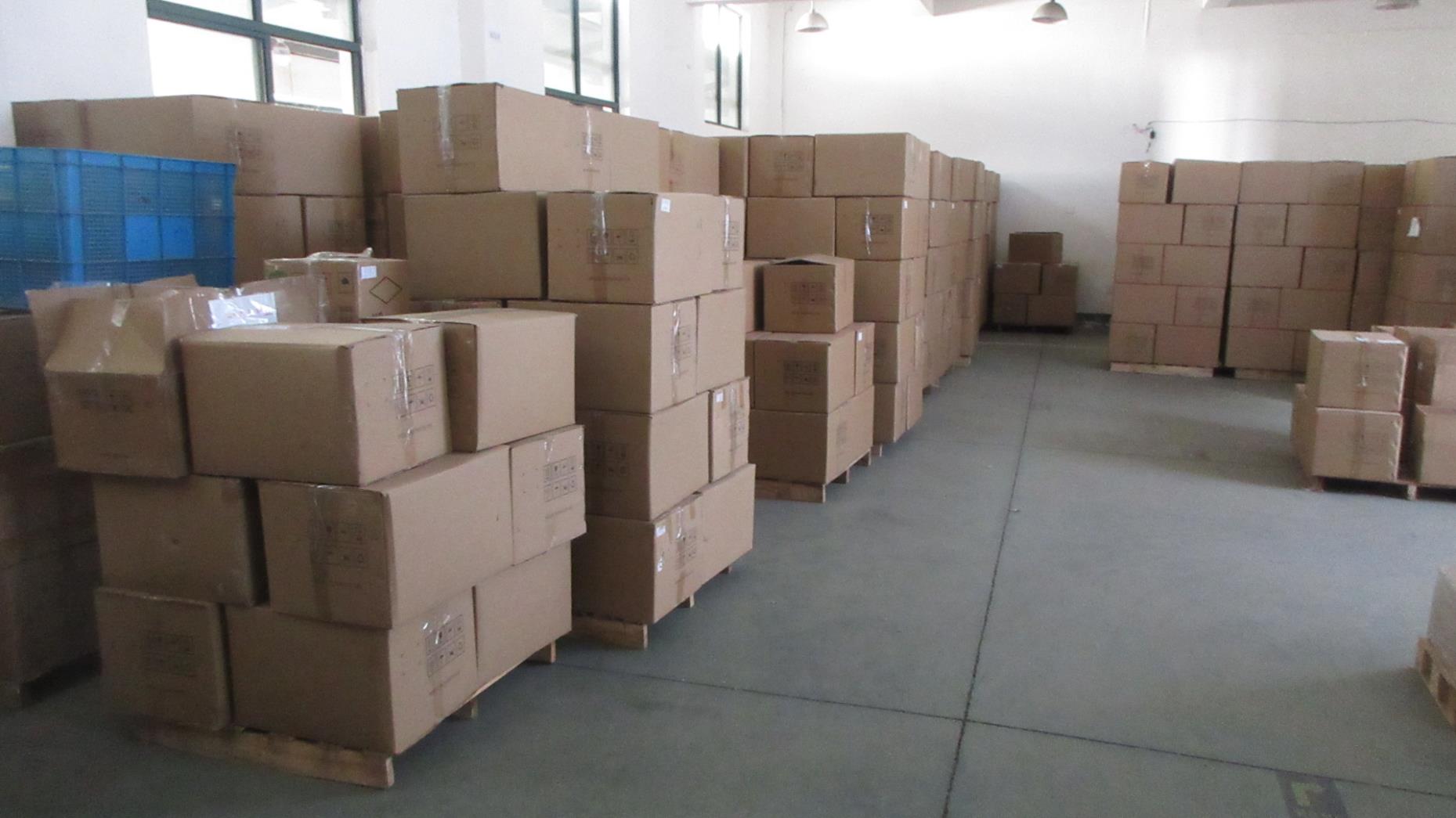
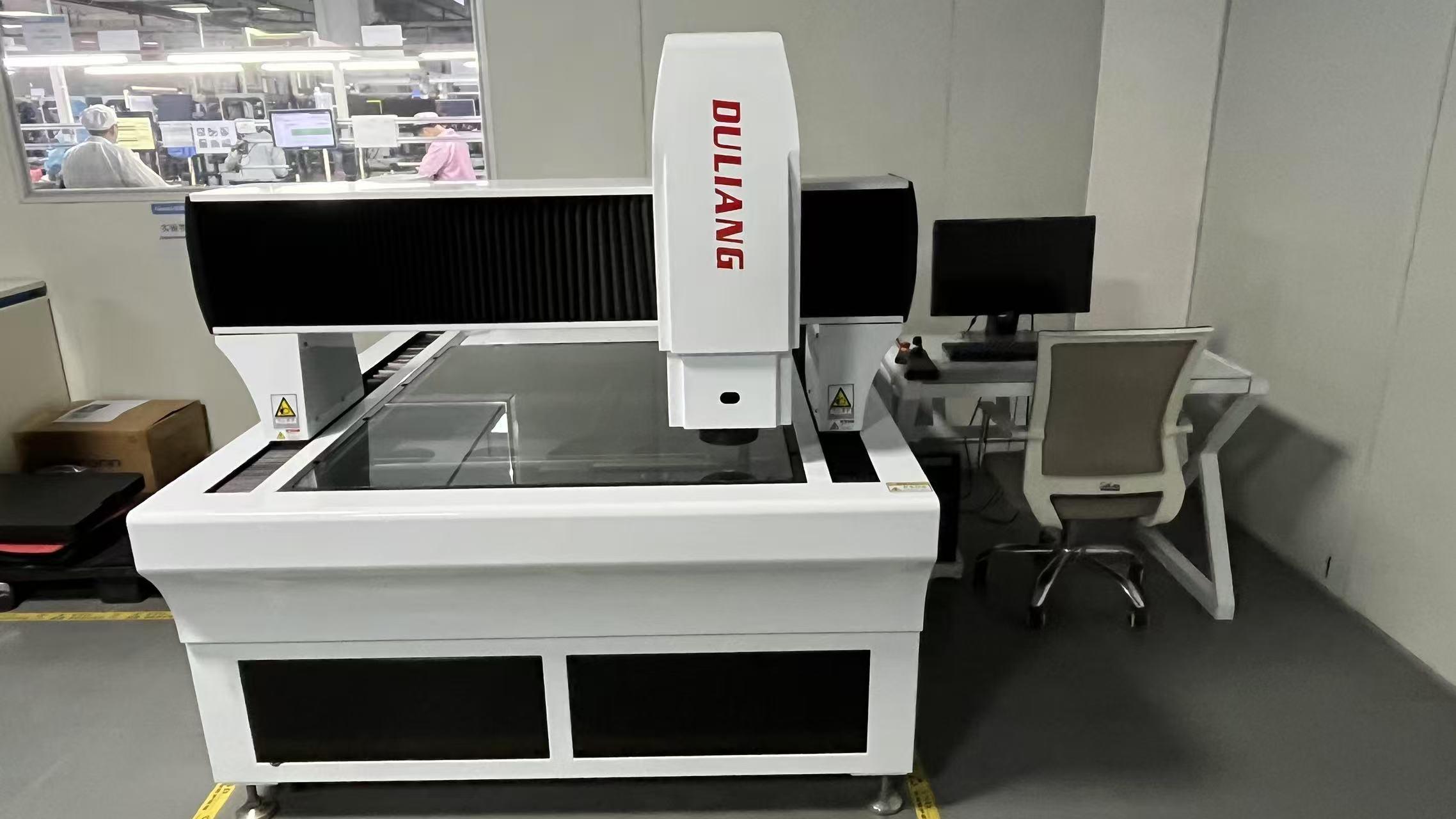
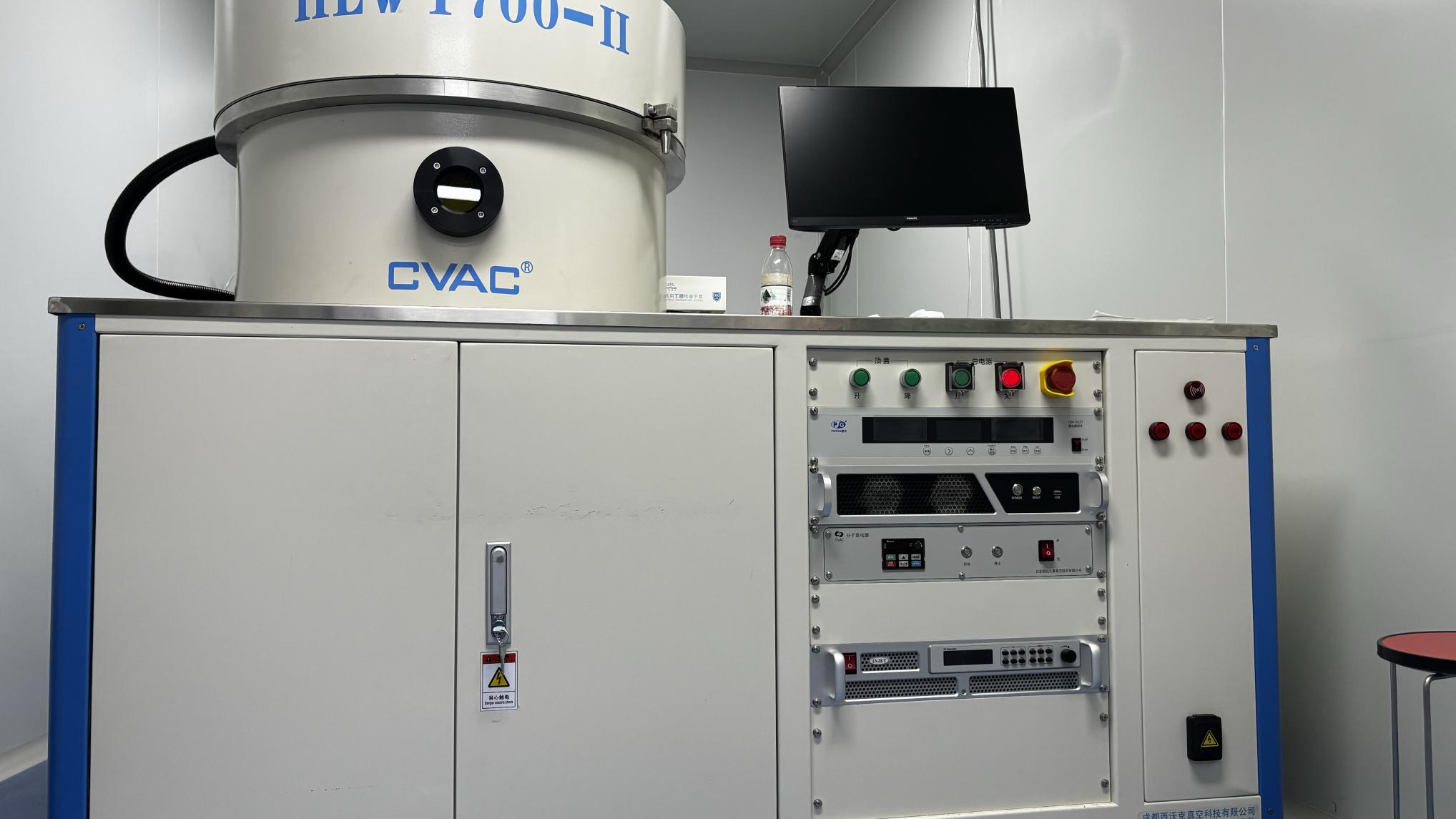
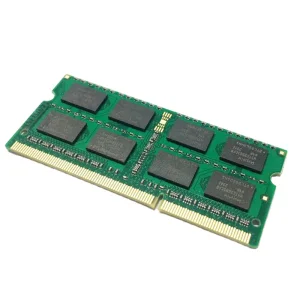
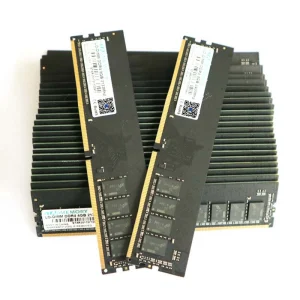
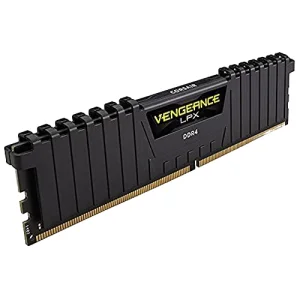
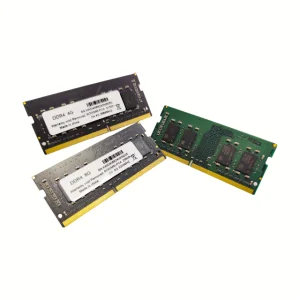
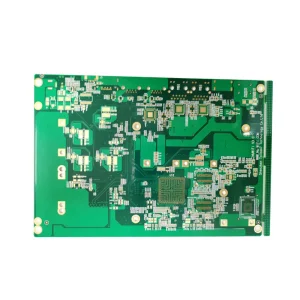
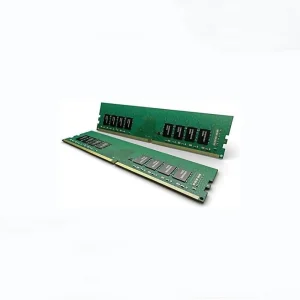
Our robust portfolio of computing modules, high-frequency PCBs, and dynamic driver substrates engineered to power state-of-the-art UVC installations.
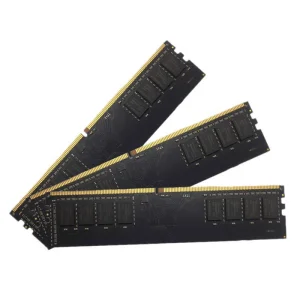
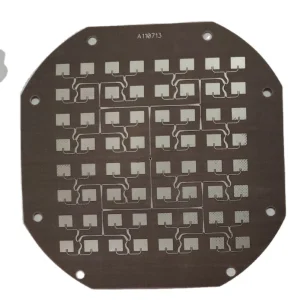
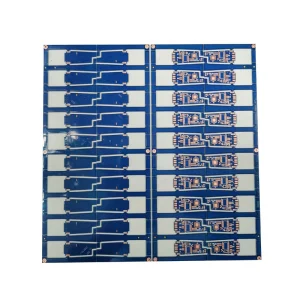
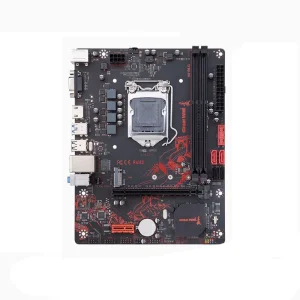
Explore answers to frequently asked engineering questions about integrating solid-state UVC systems in the EU.
The absorption peak of pathogen DNA/RNA is approximately 265nm. Traditional low-pressure mercury vapor lamps emit at 253.7nm, which is slightly off-peak. Our AlGaN-based UVC LEDs are calibrated to emit between 265nm and 275nm, increasing germicidal efficiency by up to 30% compared to traditional discharge lamps.
Unlike standard LEDs, UVC LEDs convert around 95% of electricity into heat instead of light. High junction temperatures accelerate chip degradation. We address this by utilizing high-thermal-conductivity aluminum substrates and ceramic submounts with low thermal resistance (Rth < 8 K/W), ensuring structural integrity and a long L70 operating lifetime.
Yes. All our products comply with CE, RoHS, and REACH guidelines. Since our solid-state emitters are 100% mercury-free, they help companies comply with the EU’s restriction on hazardous substances (RoHS Directive), which is phasing out traditional mercury lamps.
Our premium UVC LEDs are rated for 20,000+ hours of continuous operation. In typical water and air purification setups with automated dynamic power cycles, this corresponds to several years of maintenance-free service. This reduces downtime compared to the annual bulb replacements required by mercury-based systems.
Connect with our expert application engineering team. We supply turnkey OEM/ODM systems, high-efficiency aluminum driver PCBs, and custom semiconductor configurations tailored to your industrial requirements.
Send Inquiry Now Memvora