Engineered for Kenyan renewable energy grids, smart municipal lighting systems, and specialized mining industries.
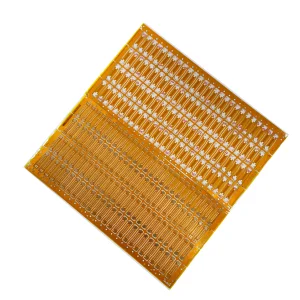
Kenya is rapidly evolving from an import-dependent digital economy into East Africa’s preeminent technological and assembly powerhouse—often referred to as the "Silicon Savannah". Backed by government initiatives under Kenya's Vision 2030, the establishment of the Konza Technopolis, and favorable tax incentives for local assemblers, domestic hardware manufacturing has seen unprecedented acceleration. In this digital shift, the reliability of embedded systems is crucial. Electronics utilized in telecom tower grids, high-temperature Rift Valley geothermal monitoring stations, smart solar charge controllers, and commercial agricultural processing units require more than standard FR-4 circuit boards.
Standard printed circuit boards face significant thermal degradation, delamination, and substrate flexing under high-stress conditions. In Kenya's varied climate zones—ranging from the arid, high-heat northern landscapes to the highly humid coastal zones of Mombasa—thermal management is not an option; it is a requirement. This is where High-TG (Glass Transition Temperature) PCBs become the foundation of reliable product development.
The "TG" value of a printed circuit board indicates the temperature range at which the base resin matrix changes from a rigid, glassy state into a softer, pliable rubbery state. Standard PCBs normally exhibit a TG value of 130°C to 140°C. In contrast, High-TG PCBs boast a threshold exceeding 170°C, offering superior thermal stability, lower coefficient of thermal expansion (CTE) along the Z-axis, and exceptional resistance to high-frequency dielectric losses. For Kenyan manufacturers integrating IoT networks or deploying remote telecommunications equipment, utilizing High-TG laminates prevents micro-cracks in multi-layer copper tracks and ensures continuously operating electronics with minimal downtime.
Operates stably in environments exceeding 170°C. Perfect for automotive engine electronics and hot Rift Valley industrial plants.
Significantly reduces Z-axis expansion during multi-stage reflow soldering, eliminating internal barrel cracking in multi-layered microvias.
Engineered to resist atmospheric moisture absorption, maintaining dielectric constant stability in coastal Mombasa or humid highlands.
Before launching a manufacturing contract, procurement officers and hardware designers in Nairobi must choose correct materials that balance cost and performance. Selecting high-TG options is a form of design insurance for smart energy grids and micro-datacenters. Below is a comparative breakdown of standard vs. high-performance laminates used in high-temperature applications:
| Property Parameter | Standard FR-4 PCB | Medium-TG PCB | High-TG PCB (FR-4/Polyimide) |
|---|---|---|---|
| Glass Transition Temp (Tg) | 130°C - 140°C | 150°C - 160°C | > 170°C (Up to 260°C for Polyimide) |
| Decomposition Temp (Td) | ≤ 310°C | ≤ 325°C | ≥ 340°C |
| Z-Axis Thermal Expansion (CTE) | 55 - 60 ppm/°C | 45 - 50 ppm/°C | 35 - 40 ppm/°C (Lower is more stable) |
| Delamination Time (T260 / T288) | < 5 minutes | 15 minutes | > 30 minutes / > 15 minutes |
| Ideal Kenyan Applications | Consumer desktop hardware, simple LED bulbs | Office routers, general purpose IoT trackers | Industrial telemetry, Geothermal, Off-grid Solar controllers, Telecom power supply units |
Kenya is a global leader in geothermal energy generation, centered around the Olkaria geothermal fields in the Great Rift Valley. Subsurface monitoring equipment, high-output power alternators, and transmission switchgear operate near intense heat reservoirs. Standard circuit boards degrade under these thermal profiles, leading to sensor errors or grid failures. By sourcing High-TG PCBs manufactured with high-thermal reliability laminates, Kenyan energy contractors can ensure continuous telemetry and control without frequent component replacements.
Off-grid solar solutions, such as pay-as-you-go solar home systems (M-KOPA, etc.) and solar agricultural pumps, are critical to Kenya's rural electrification. The charge controllers are housed in outdoor enclosures exposed to intense direct sunlight, which can push internal housing temperatures past 75°C. Under these prolonged conditions, thermal load cycling on the printed circuit board leads to thermal expansion mismatch between copper and laminate. A high-TG layout prevents trace separation and structural cracks, ensuring decades of reliable clean energy generation in rural homesteads.
As Safaricom, Airtel, and Telkom Kenya roll out their 5G network towers across East Africa, baseband units and active antenna systems are handling higher computing loads. These power amplifiers generate significant localized heat. Deploying high-TG substrates prevents copper peeling and trace deformation on the radio frequency (RF) layers, maintaining high signal integrity and low latency even during peak grid operations in urban Nairobi and dry rural outposts.
Your Global OEM/ODM Partner for High-Performance Memory Modules and Advanced PCB Systems
Founded in 2017, Memvora Electronics Technology Co., Ltd. is a professional manufacturer specializing in high-performance DDR5 memory modules, dedicated to delivering reliable memory solutions for consumer, industrial, enterprise, and embedded applications worldwide. With a modern manufacturing facility covering 386㎡, we combine advanced production equipment, strict quality management, and experienced engineering expertise to provide stable, high-speed memory products for global OEM and ODM partners.
Since entering the international market, Memvora has accumulated 7 years of export experience, serving customers across North America, Europe, Southeast Asia, the Middle East, and South America. Our annual export revenue exceeds US$18.6 million, supported by a strong global supply chain and long-term partnerships with more than 1,280 component suppliers and business partners.
With 14 years of industry experience, our team continuously invests in technology innovation and product development. Our R&D department consists of 126 professional engineers who focus on developing next-generation DDR5 memory solutions with higher speed, lower latency, and enhanced reliability. Last year alone, we successfully launched 86 new memory products to meet the evolving needs of gaming, AI computing, industrial automation, and enterprise servers.
Quality is the foundation of everything we do. Every product undergoes 100% functional testing, burn-in testing, compatibility testing, signal integrity testing, and aging tests before shipment. Our dedicated quality control team of 42 inspectors ensures every memory module meets rigorous international quality standards and delivers long-term stable performance.
Memvora provides flexible OEM, ODM, private label, custom capacity, PCB color, heat spreader design, firmware optimization, and packaging customization services to meet different market requirements. Backed by a responsive engineering team and efficient production management, we help customers shorten development cycles and accelerate product launches.
Today, Memvora serves a diverse customer base including memory brands, computer manufacturers, industrial equipment suppliers, system integrators, distributors, wholesalers, and e-commerce retailers. Through continuous innovation, reliable quality, and customer-focused service, we are committed to becoming a trusted global partner for advanced DDR5 memory manufacturing and customized DRAM solutions.
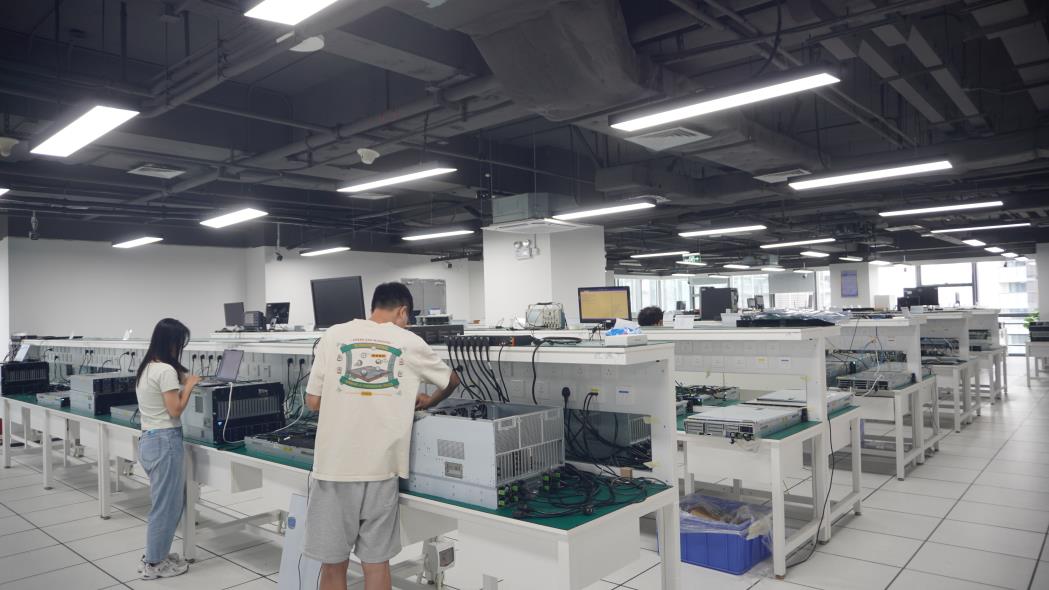
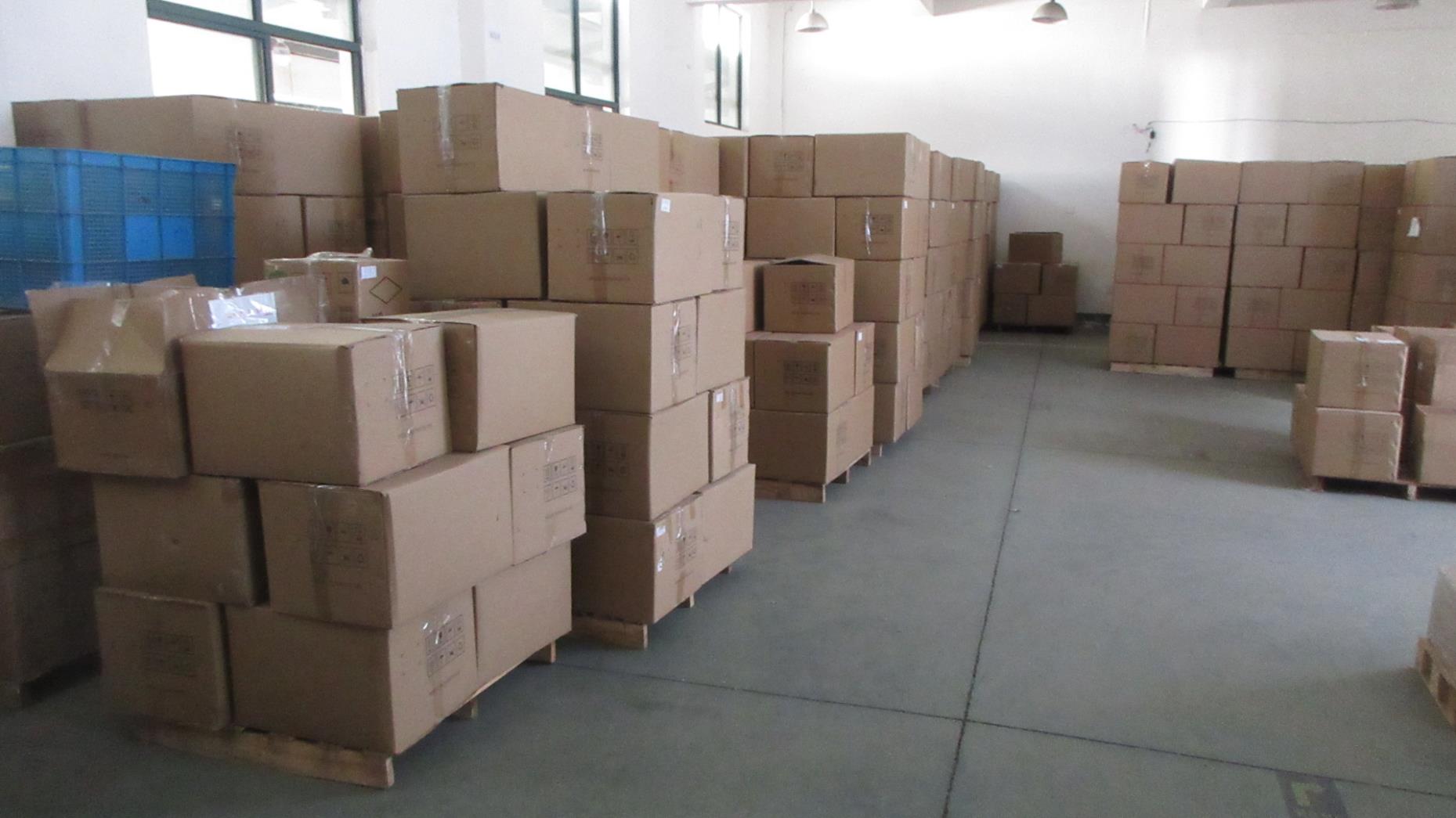
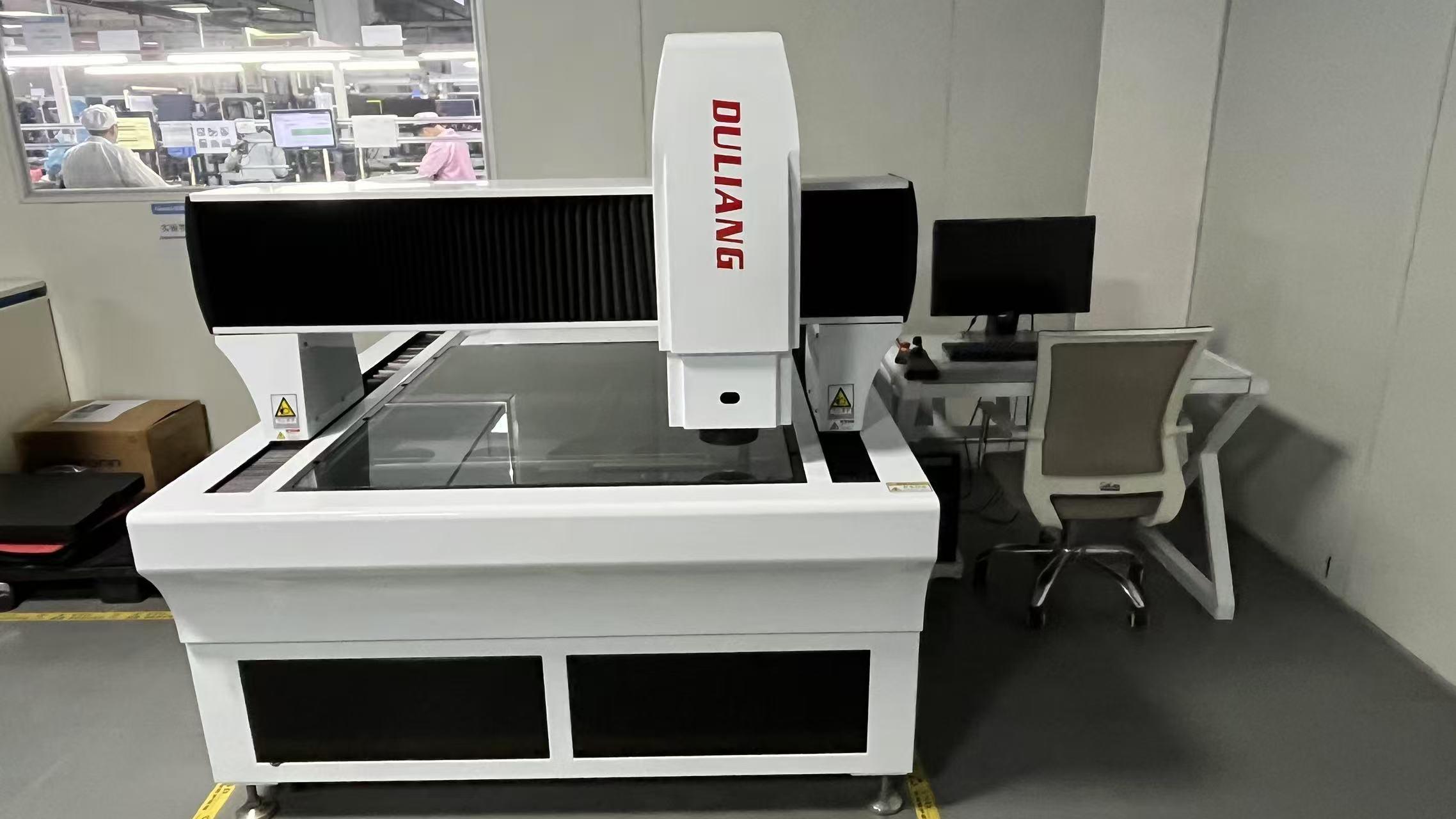
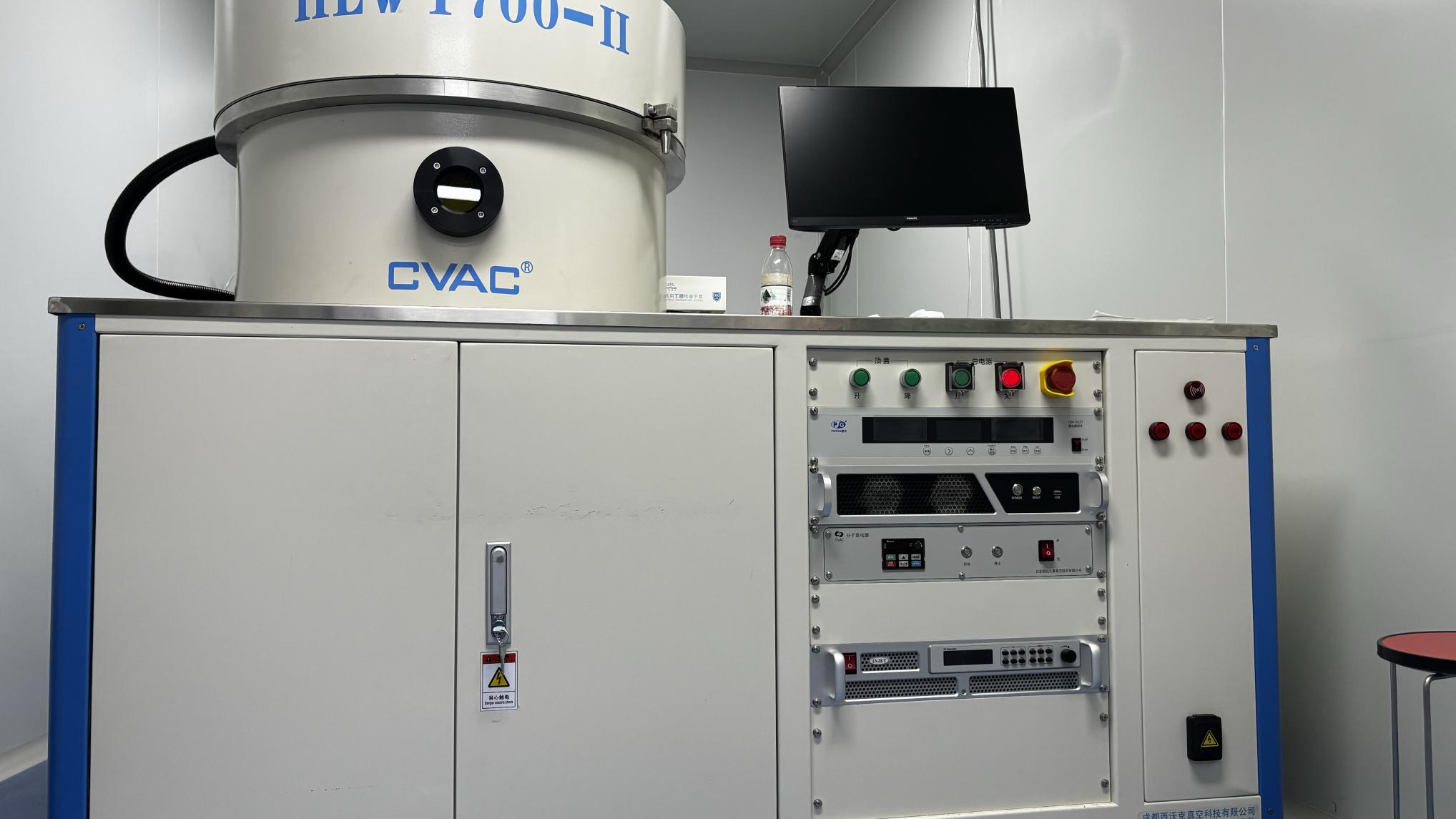
Sourcing High-TG PCBs and high-capacity DRAM modules from overseas hubs to Kenya requires navigating local compliance guidelines. At Memvora, we streamline this process by aligning our manufacturing protocols with both international standards and Kenyan statutory regulations.
All electronics imported into Kenya must comply with the Kenya Bureau of Standards (KeBS) regulations under the Pre-Export Verification of Conformity (PVoC) program. Our PCB products undergo rigorous electromagnetic compatibility (EMC) testing, lead-free compliance validation (RoHS directive), and safety certifications. We provide fully documented test reports (UL 94V-0 flammability ratings, IPC-A-600 Class 2/3 inspection certificates) to facilitate smooth clearance through the Port of Mombasa or Jomo Kenyatta International Airport (JKIA) in Nairobi.
Our logistics network offers flexible delivery options tailored to Kenyan business requirements. Whether you require sea freight for large assembly runs or air freight via DHL/FedEx/EMS for rapid prototyping cycles to your tech office in Nairobi, we provide full support with customs clearance documentation. This includes detailed packing lists, Certificates of Origin, and Harmonized System (HS) code classification for reduced import tariff risk.
Expert insights on importing, deploying, and specifying High-TG PCBs for the Kenyan electronics market.
A High-TG (Glass Transition Temperature) PCB uses special epoxy resins and glass-fiber laminates that maintain their structural integrity at temperatures above 170°C. Standard boards soften at around 130°C-140°C. This makes High-TG boards essential for applications involving high power densities, extreme environmental heat, or repeated thermal cycling.
Yes, we ship globally and deliver directly to Kenyan technology hubs, manufacturing plants, and import agents located in Nairobi, Mombasa, Kisumu, Nakuru, and Konza Technopolis. We manage standard air cargo, express delivery, and ocean freight logistics paths.
Yes. Our High-TG PCBs are formulated with materials that exhibit low moisture absorption rates and high CAF (Conductive Anodic Filament) resistance. For coastal areas like Mombasa, we recommend applying a conformal coating (acrylic or polyurethane resin) to protect the exposed copper tracks from saline and high-humidity environments.
Northern Kenya experiences extreme daytime temperatures. Solar charge controllers and power inverters generate significant internal heat while operating under full load. A High-TG board maintains a low coefficient of thermal expansion (CTE) along the Z-axis, which prevents vias and internal connections from fracturing over years of daily thermal cycles.
Yes. In addition to our core DDR4/DDR5 high-density memory modules, we support custom board layouts, thickness optimization, material selection (FR-4 High-TG, Rogers, Polyimide), and turnkey PCBA services based on your engineering drawings and Gerber files.
We execute 100% functional testing, Automated Optical Inspection (AOI), X-ray inspection of BGAs, signal integrity testing, and thermal burn-in tests. Our 42-inspector quality control team guarantees that every single batch conforms to IPC Class 2 or Class 3 parameters before export shipping.
Prototyping and manufacturing typically take 3 to 7 working days depending on design complexity. Express air shipping from our facility to Nairobi takes 5 to 8 working days. Sea freight to the Port of Mombasa typically ranges between 25 and 35 days.
Yes. Our materials meet safety and environmental standards (such as UL, CE, RoHS, and FCC certifications). We support clients in acquiring the necessary Pre-Export Verification of Conformity (PVoC) certificates to prevent custom clearance delays.
Premium components tailored to Kenya's expanding data centers, server farms, and corporate hardware networks.
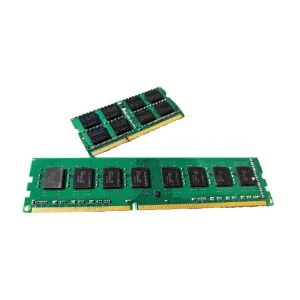
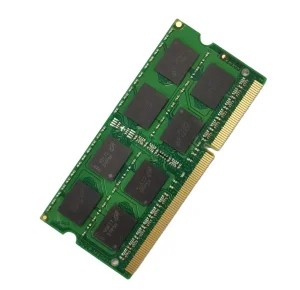
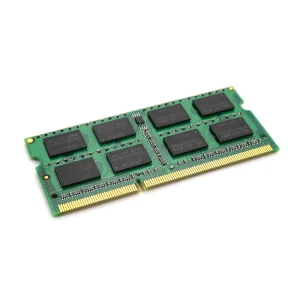
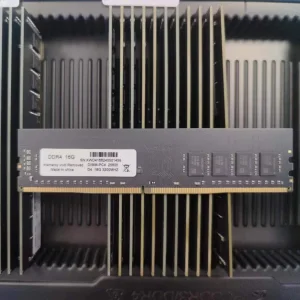
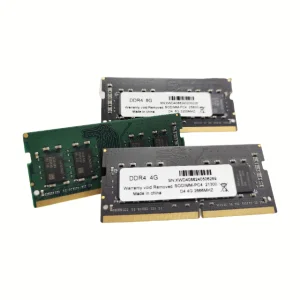
From custom high-TG multi-layered printed circuit boards to ultra-stable enterprise RAM modules, partner with Memvora to guarantee operational stability in Kenyan environments.
Send Inquiry Now Memvora