Pre-engineered configurations optimized for high-speed signal integrity and telecommunication hardware deployed across Moscow industrial hubs.
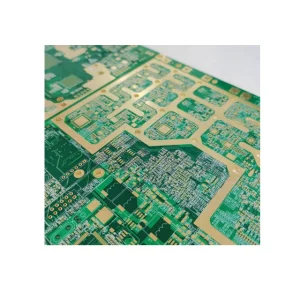
The metropolitan area of Moscow stands as the primary technological epicentre and high-tech manufacturing hub of the Russian Federation. Home to specialized development clusters such as the Zelenograd microelectronics zone (often dubbed the Russian Silicon Valley) and the Skolkovo Innovation Center, Moscow demand for advanced electronic infrastructure has grown exponentially. As local industries modernize, the necessity for high-reliability, low-loss, and high-frequency Printed Circuit Boards (PCBs) is critical.
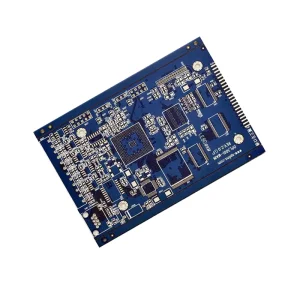
Modern applications in Moscow's telemetry, aerospace, telecommunications, and high-speed rail routing networks require substrates that minimize signal attenuation and can operate under strict thermal profiles. Historically, procuring specialized RF (Radio Frequency) and high-frequency laminates, such as the Rogers 4000 series or high-Tg Shengyi FR4, presented logistics and technical coordination barriers for local system integrators. By establishing a direct China-to-Moscow technical and manufacturing corridor, we supply custom-engineered boards that align directly with these localized hardware specifications.
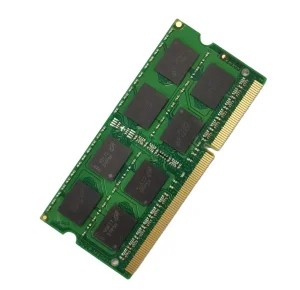
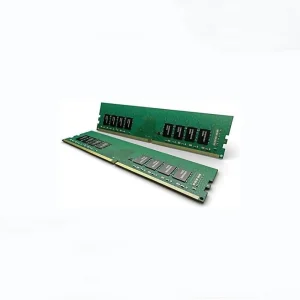
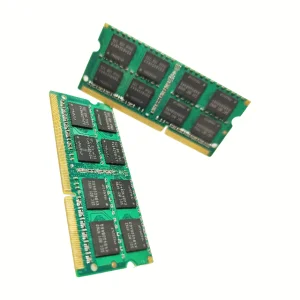
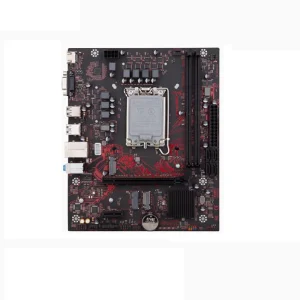
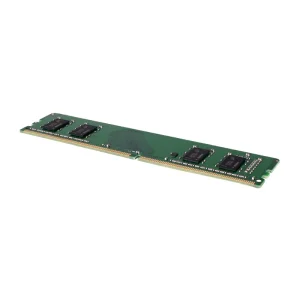
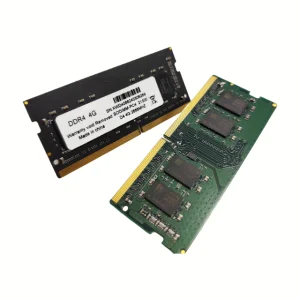
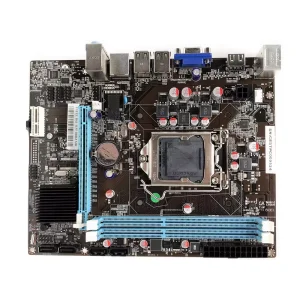
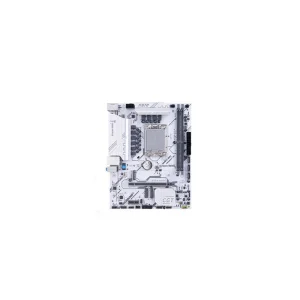
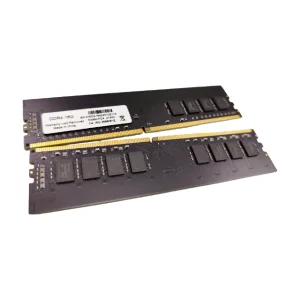
Furthermore, local development initiatives focus on replacing obsolete computing systems with modern edge-computing nodes, demanding robust integration between specialized processing motherboards, server heatsinks, and high-density memory modules (DDR4 and DDR5). Integrating high-frequency PCB fabrications with industrial memory distribution offers Moscow based telecommunication equipment vendors a unified supply chain partner.
High-frequency PCBs serve as the foundational backbone for high-speed data transmission systems. In the context of Moscow's smart-city networks and defense-civil dual-use modernization, several key local application environments demand these specialized circuits:
Moscow's dense telecommunications network requires continuous infrastructure upgrades. base station antennas, remote radio heads (RRH), and high-frequency power amplifiers demand substrates with a stable dielectric constant ($D_k$) and ultra-low dissipation factor ($D_f$) to prevent signal drop and thermal overload.
The Moscow Ring Road (MKAD) and the wider urban transit grid utilize automated radar, vehicle-to-everything (V2X) communication transceivers, and traffic monitoring equipment operating at frequencies up to 77 GHz, requiring precision-controlled impedance laminates.
High-frequency data processing centers in the Moscow oblast utilize high-speed server motherboards configured with high-Tg hybrid PCBs (FR4 mixed with Rogers) and high-speed DDR4/DDR5 memory modules to ensure reliable operation under continuous compute loads.
Engineered performance at microwave frequencies (typically from 1 GHz to well over 70 GHz) requires a shift away from standard FR4 materials toward specialized copper clad laminates (CCL). When designing PCBs for high-frequency applications, three primary material physical attributes must be balanced:
To provide Moscow buyers with cost-effective, high-performance hardware, we specialize in hybrid stackup engineering. By combining premium high-frequency laminates on the outer signal layers with economical, high-Tg Shengyi FR-4 cores on the inner layers, we significantly lower material costs while maintaining maximum RF signal integrity on critical paths.
| Substrate Material Class | Dielectric Constant ($D_k$ @ 10GHz) | Dissipation Factor ($D_f$ @ 10GHz) | Thermal Conductivity (W/m/K) | Primary Application Environment |
|---|---|---|---|---|
| Rogers RO4003C / RO4350B | 3.38 - 3.48 | 0.0021 - 0.0037 | 0.62 - 0.71 | RF Amplifiers, Radar Transceivers, LNBs |
| Shengyi FR-4 (High TG170) | 4.60 | 0.0150 | 0.40 | Digital Controls, Power Supplies, Mixed-Signal Layers |
| Hybrid Rogers + Shengyi FR4 | Graded (3.48 / 4.60) | Graded (Low Outer Layer Loss) | 0.55 | High-Speed Multilayer Digital & RF Integrated Boards |
In today's global supply chain environment, reliability of component sourcing and transportation logistics is paramount for industrial buyers. Our production facilities, optimized through a unified manufacturing layout, ensure robust delivery mechanisms targeting the Moscow customs region. Leveraging established rail corridors like the Chongqing-Xinjiang-Europe Railway (directly connecting manufacturing hubs in China to terminal stations in the Moscow region such as Bely Rast and Vorsino), transit times are reduced to 12-15 days compared to longer maritime routes.
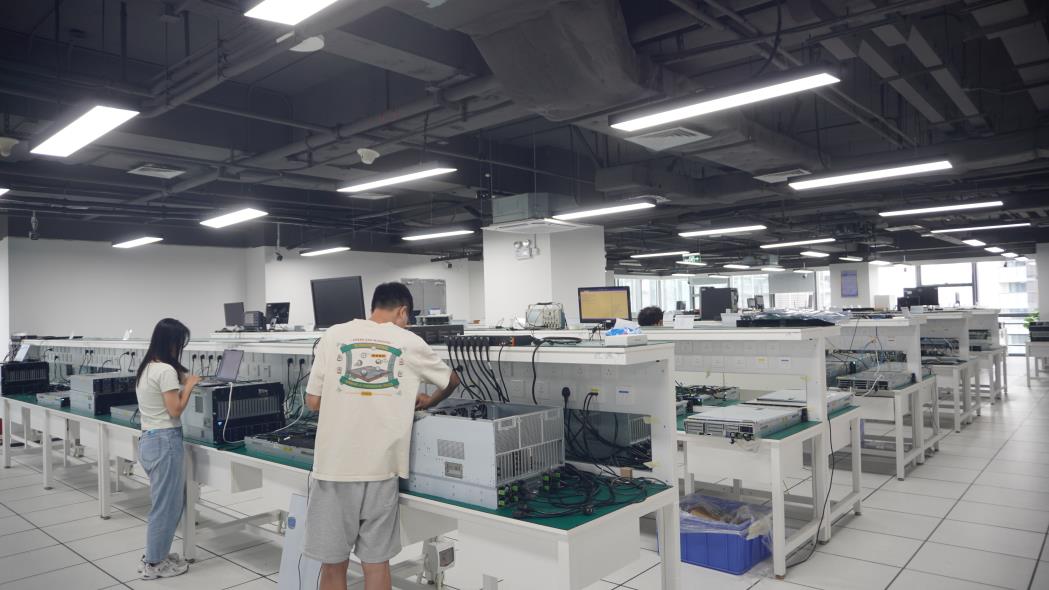
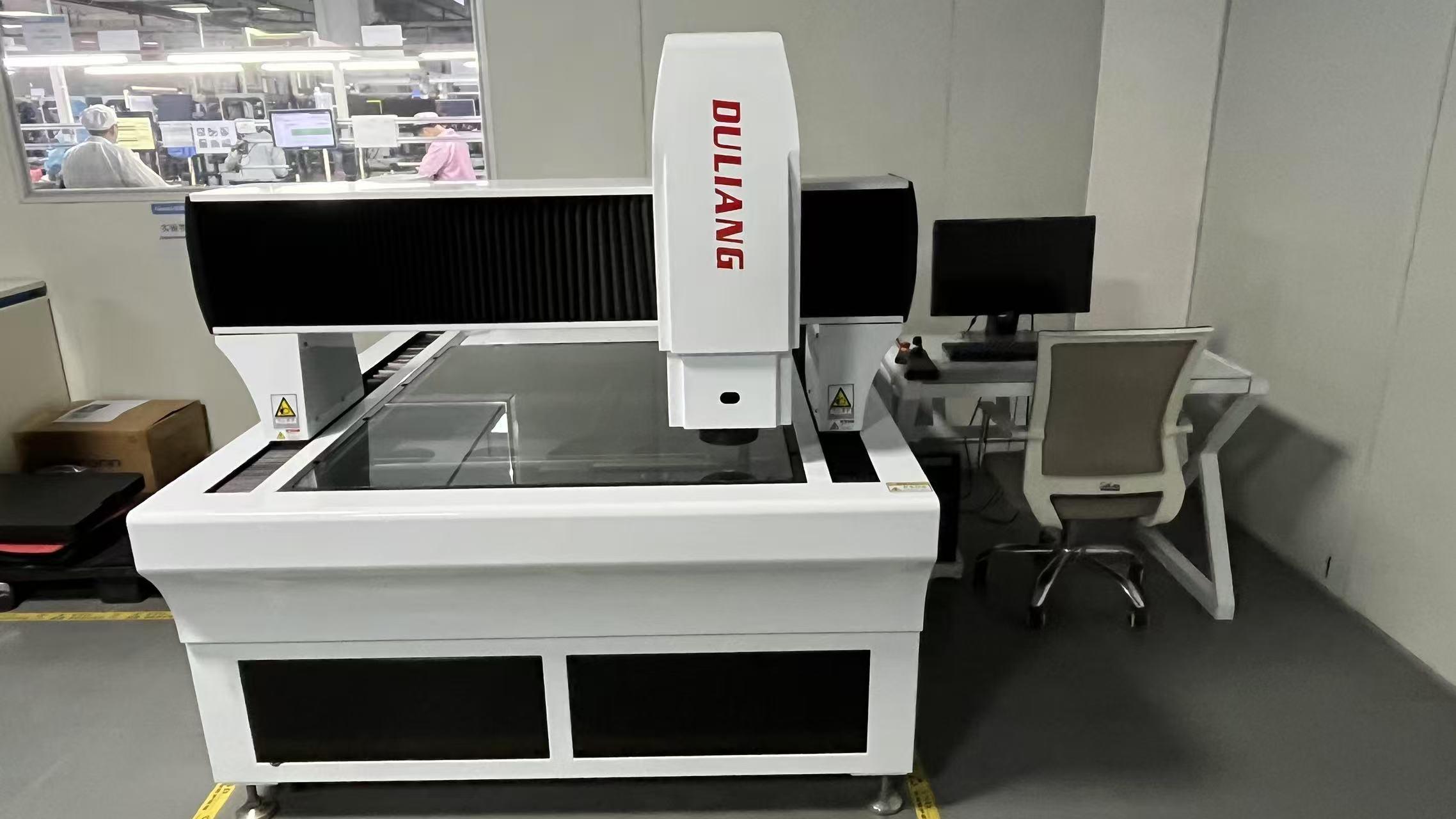
Our manufacturing and PCB Assembly (PCBA) pipeline employs automated surface-mount technology (SMT) with 3D solder paste inspection (SPI), multi-axis automated optical inspection (AOI), and in-circuit testing (ICT). This ensures that every high-frequency multi-layer board, whether utilizing a complex hybrid stack-up or high-Tg dielectric, conforms to IPC Class 2 and Class 3 manufacturing tolerances before export packaging.
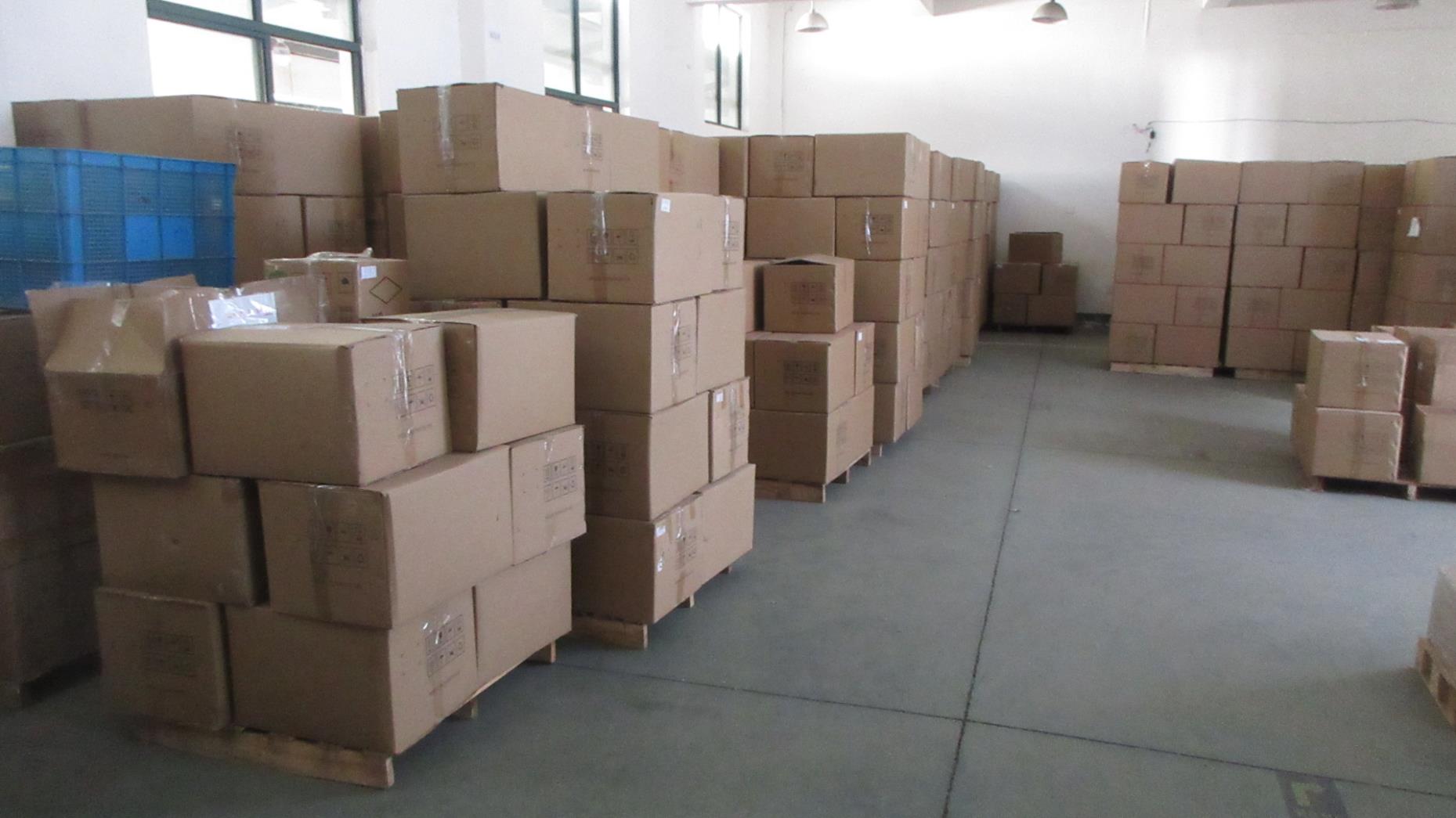
We maintain pre-allocated buffer stocks of key high-frequency raw laminates, including Rogers, Taconic, and Shengyi, insulating our clients against global raw-material supply shocks. For system integrators in Moscow developing specialized computing modules, our ability to bundle custom PCB designs with enterprise-grade DRAM and thermal heatsinks dramatically reduces purchase complexity.
Electronics deployed in the Moscow region are subject to extreme seasonal thermal fluctuations, with outdoor equipment expected to operate reliably in sub-zero winter temperatures down to -40°C and warm summer conditions up to +35°C. These drastic temperature variations pose unique challenges for PCB trace integrity and component solder joints due to internal thermal stresses.
To mitigate these environmental stressors, we focus on thermal design optimization:
Our quality verification protocols align with IPC-A-600/610 Class 3 specifications for high-reliability systems. Furthermore, we assist Moscow system integrators with comprehensive documentation packages (including microsection analysis, copper plating thickness logs, and impedance test reports) to streamline local compliance and import customs protocols.
Your Strategic Manufacturing Partner for Advanced Multi-Layer PCBs and High-Performance DRAM Memory Solutions
Founded in 2017, Memvora Electronics Technology Co., Ltd. is a professional manufacturer specializing in high-performance DDR5 memory modules, dedicated to delivering reliable memory solutions for consumer, industrial, enterprise, and embedded applications worldwide. With a modern manufacturing facility covering 386㎡, we combine advanced production equipment, strict quality management, and experienced engineering expertise to provide stable, high-speed memory products for global OEM and ODM partners.
Since entering the international market, Memvora has accumulated 7 years of export experience, serving customers across North America, Europe, Southeast Asia, the Middle East, and South America. Our annual export revenue exceeds US$18.6 million, supported by a strong global supply chain and long-term partnerships with more than 1,280 component suppliers and business partners.
With 14 years of industry experience, our team continuously invests in technology innovation and product development. Our R&D department consists of 126 professional engineers who focus on developing next-generation DDR5 memory solutions with higher speed, lower latency, and enhanced reliability. Last year alone, we successfully launched 86 new memory products to meet the evolving needs of gaming, AI computing, industrial automation, and enterprise servers.
Quality is the foundation of everything we do. Every product undergoes 100% functional testing, burn-in testing, compatibility testing, signal integrity testing, and aging tests before shipment. Our dedicated quality control team of 42 inspectors ensures every memory module meets rigorous international quality standards and delivers long-term stable performance.
Memvora provides flexible OEM, ODM, private label, custom capacity, PCB color, heat spreader design, firmware optimization, and packaging customization services to meet different market requirements. Backed by a responsive engineering team and efficient production management, we help customers shorten development cycles and accelerate product launches.
Today, Memvora serves a diverse customer base including memory brands, computer manufacturers, industrial equipment suppliers, system integrators, distributors, wholesalers, and e-commerce retailers. Through continuous innovation, reliable quality, and customer-focused service, we are committed to becoming a trusted global partner for advanced DDR5 memory manufacturing and customized DRAM solutions.
Common technical challenges and supply chain concerns resolved by our engineering support team.
A hybrid stackup places the premium high-frequency material (like Rogers RO4350B) only on the specific signal routing layers where RF loss must be minimized. The internal layers and mechanical structure utilize high-Tg Shengyi FR4. This hybrid approach delivers the critical electrical performance of RF laminates while reducing material procurement costs by up to 40%.
We utilize raw laminates with high glass transition temperatures (Tg ≥ 170°C) and low vertical expansion values (CTE z-axis). This limits internal board stresses during thermal cycling from -40°C up to typical operating temperatures, preventing plated through-hole (PTH) cracks and delamination of copper traces.
For volume shipments, we utilize the direct China-Europe block train lines (routing via Kazakhstan and terminating in Moscow terminals such as Vorsino). Rail transit averages 12 to 15 days, providing a fast and cost-effective overland route compared to maritime shipping.
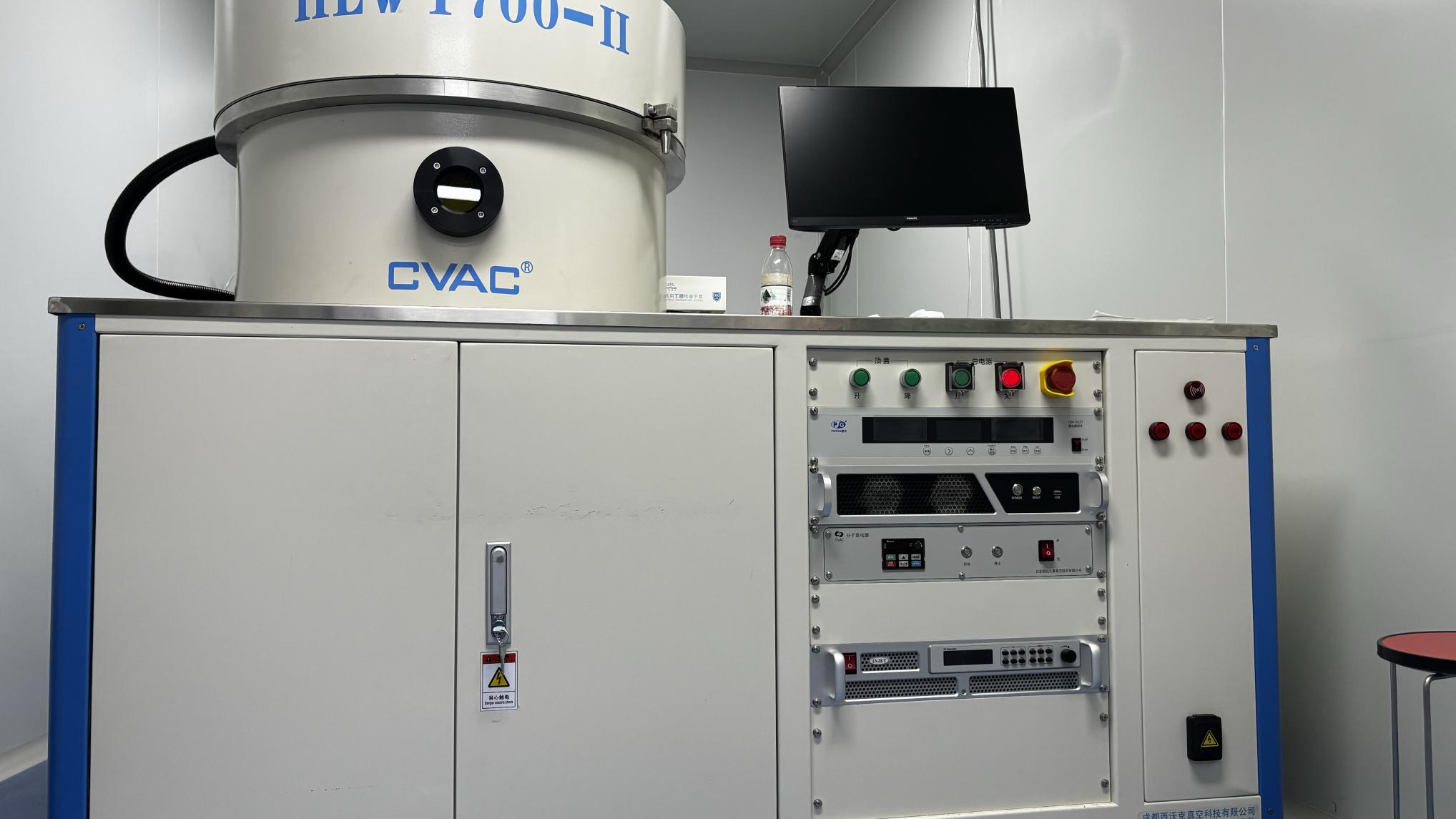
We offer precision impedance tolerance down to ±5% (standard is ±10%). This is achieved by utilizing laser-direct imaging (LDI), vacuum etching machines, and tight control over prepreg thicknesses, verified using high-performance Time Domain Reflectometry (TDR) testing.
Yes. In addition to raw PCB fabrication and PCBA, we manufacture server-grade DDR4/DDR5 DRAM memory and provide custom-engineered CPU and BGA cooling solutions. This allows system integrators in Moscow to source unified processing sub-assemblies from a single supplier.
Our experienced engineering team can review your Gerber files and provide an optimized DFM (Design for Manufacture) analysis within 24 hours.
Send Inquiry NowComprehensive components designed to complement high-speed networking systems and industrial PC architectures deployed across Moscow logistics and energy grids.
 Memvora