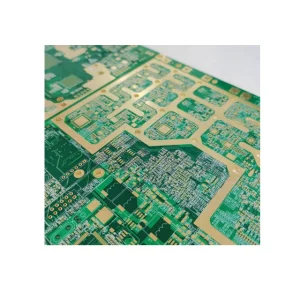
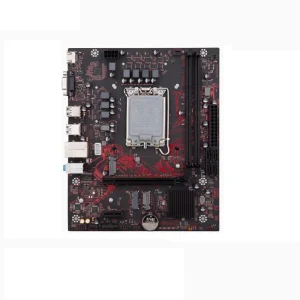
Engineered thermal paths and computational control units designed to drive high-intensity UVC matrices in demanding environments.
Takamaka, representing the ecological heart of the southern region of Mahé, Seychelles, faces unique biological preservation and public health challenges. With its reliance on pristine tourism, world-class resort infrastructure, and high-purity water requirements for local agricultural and beverage processing—including the renowned local rum distillation—implementing chemical-free, highly efficient sanitization is paramount.
Traditional water and surface treatment systems relying on chlorine dosing introduce hazardous disinfection byproducts (DBPs) that threaten the delicate coral and coastal ecosystems of Seychelles. Transitioning to 260nm-270nm 3535 UVC LED solid-state emitters offers a sustainable, mercury-free alternative that fits perfectly into the region's sustainable blue economy strategy.
However, the humid, high-salinity oceanic climate of Takamaka places extreme demands on optoelectronic components. Standard packaging easily succumbs to galvanic corrosion, thermal accumulation, and moisture penetration. Our customized 3535 UVC LED products are engineered with robust ceramic substrates, non-porous gold plating, and hermetic quartz glass covers to guarantee long-term stability under tropical conditions.
Key parameters required to operate optical emitters within the coastal humid climate zone of Takamaka:
| Parameter | Requirement |
|---|---|
| RH Tolerance | Up to 95% Non-condensing |
| Thermal Dissipation | Copper MCPCB (Rth ≤ 4.5 K/W) |
| Salt Fog Protection | ISO 9227 compliant encapsulation |
| Ingress Protection | Recommended IP68 hermetic flow chambers |
Understanding the absorption spectrum of nucleic acids and why this narrow band delivers unmatched disinfection speed.
The germicidal action spectrum of microorganisms peak precisely between 260nm and 265nm, matching the maximum absorption curve of DNA and RNA. Within this window, UVC photons induce adjacent thymine (in DNA) or uracil (in RNA) bases to bind together, forming pyrimidine dimers. This structural damage halts the replication transcription mechanism of pathogens, rendering them completely inactive and unable to colonize hosts.
By focusing emissions within the 260nm-270nm band rather than the traditional 254nm mercury lamp wavelength, our LEDs deliver up to 30% higher relative germicidal cross-section efficiency against resistant pathogens like Cryptosporidium and Giardia.
Advanced Aluminum Gallium Nitride (AlGaN) MQW (Multiple Quantum Well) structures are grown on high-quality sapphire templates, enabling stable deep-UV photon extraction rates and reduced defect densities across the active layers.
Measuring 3.5mm x 3.5mm, this package is the global industry standard for high-power optics. Its optimized thermal path permits drive currents up to 350mA-700mA, maximizing radiant flux output while maintaining small physical footprints.
Translating decades of high-frequency substrate manufacturing and semiconductor packaging experience into high-performance UVC systems.
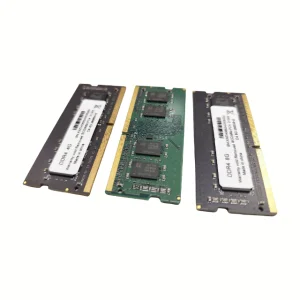
Memvora Electronics Technology Co., Ltd. does not just assemble components; we construct complete reliability solutions. Initially founded on complex high-speed memory systems and advanced multi-layer printed circuit boards, we apply the same stringent tolerances and material characterizations to high-power UVC LED systems. Our ISO 9001 certified production floor integrates automated die bonding, vacuum reflow soldering, and real-time optical emission spectrographs to ensure every module shipped to Takamaka performs to specifications.
With our specialized OEM/ODM services, clients in Seychelles can secure completely custom-designed UVC LED bars, driver circuits with built-in current compensation, and high-frequency control boards configured to interface directly with existing SCADA systems in municipal water distribution and hospitality plants.
A quick technical reference manual for mechanical, thermal, and electrical integration of 3535 UVC LEDs.
UVC LEDs convert approximately 95% of applied electrical energy into heat instead of light. Operating junction temperature ($T_j$) must be kept below 85°C to protect internal wire bonding and maintain external quantum efficiency (EQE). Always utilize Metal Core PCBs (MCPCBs) containing high-purity aluminum or copper cores with thermal dielectric layers of high conductivity (≥ 3.0 W/m·K).
Never drive UVC LEDs using constant voltage sources. Thermal runaway occurs as internal diode junction resistance decreases with temperature rise. Constant current regulators with dynamic over-voltage and ESD protection (Zener diodes integrated within the 3535 package) are mandatory for prolonged module lifespans.
UVC rays are highly absorbed by ordinary PMMA and glass optics. When designing moisture-sealed systems for water pipes or sanitization chambers in Takamaka:
Tailoring solid-state ultraviolet capabilities to the agricultural, municipal, and commercial demands of the region.
Micro-treatment and point-of-use (POU) disinfection chambers built with our 260nm-270nm arrays can protect hotel tap water and private wells from bacteria without introducing chlorine taste or odor, vital for luxury resort experiences.
Eliminate wild yeast strains and bacterial contamination on production line surfaces and fermentation tanks. Micro-biological integrity is maintained without altering natural local flavor profiles.
Prevent "sick building syndrome" in humid coastal hotels. Integrating UVC panels directly in the cooling duct paths of air handlers prevents mold growth on coils and airborne transmission of pathogens.
Answering the most critical engineering queries regarding wavelength precision, packaging materials, and longevity.
Precision surface-mount electronics designed to control, drive, and support robust sanitization hardware platforms.
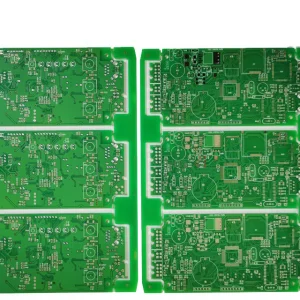
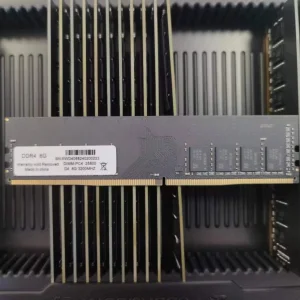
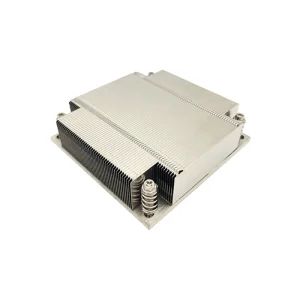
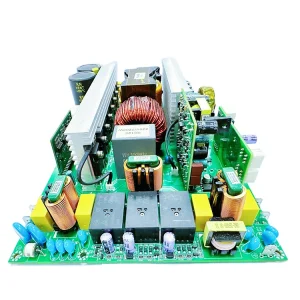
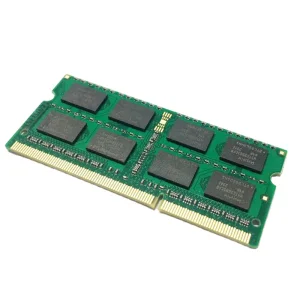
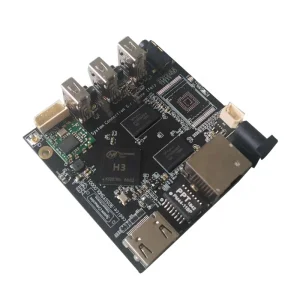
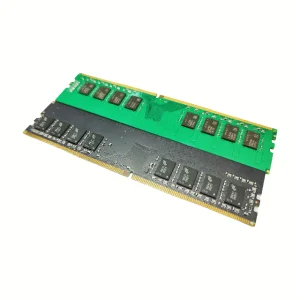
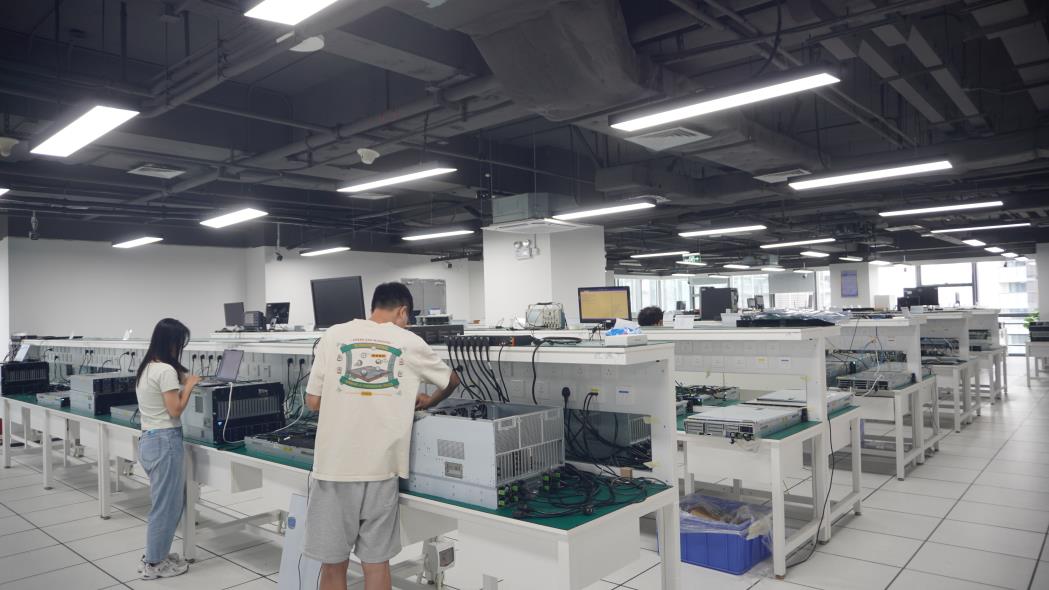
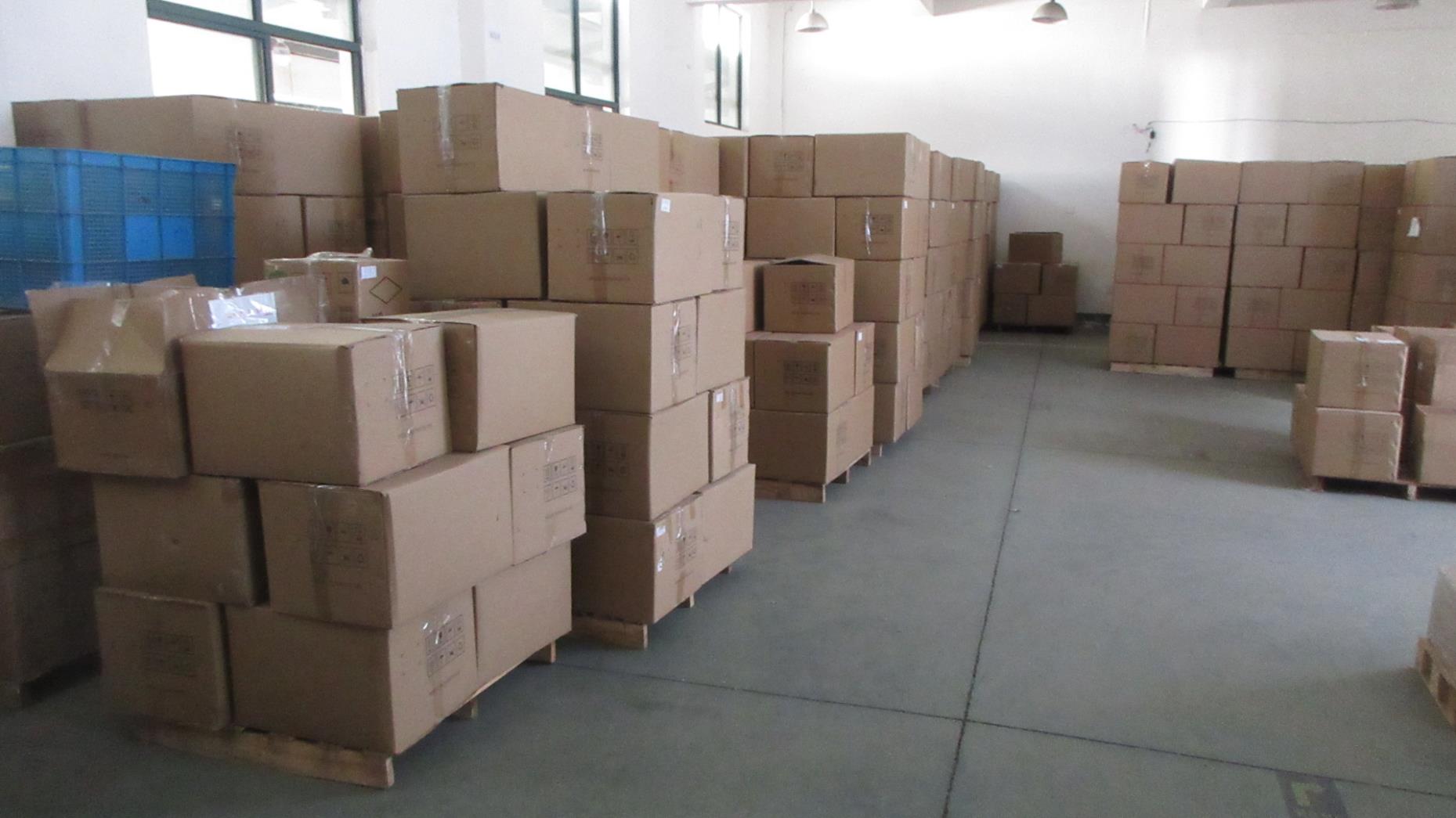
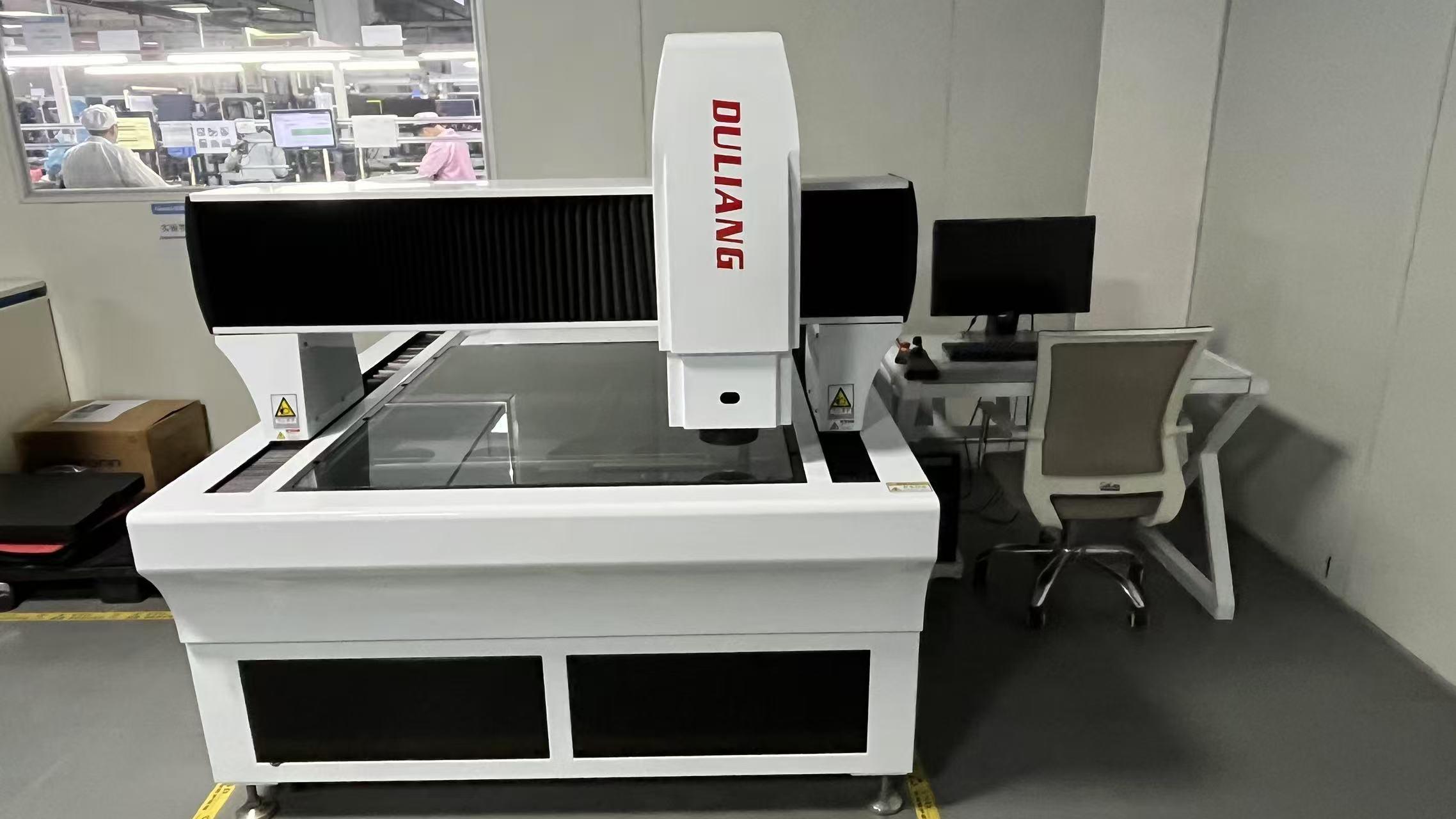
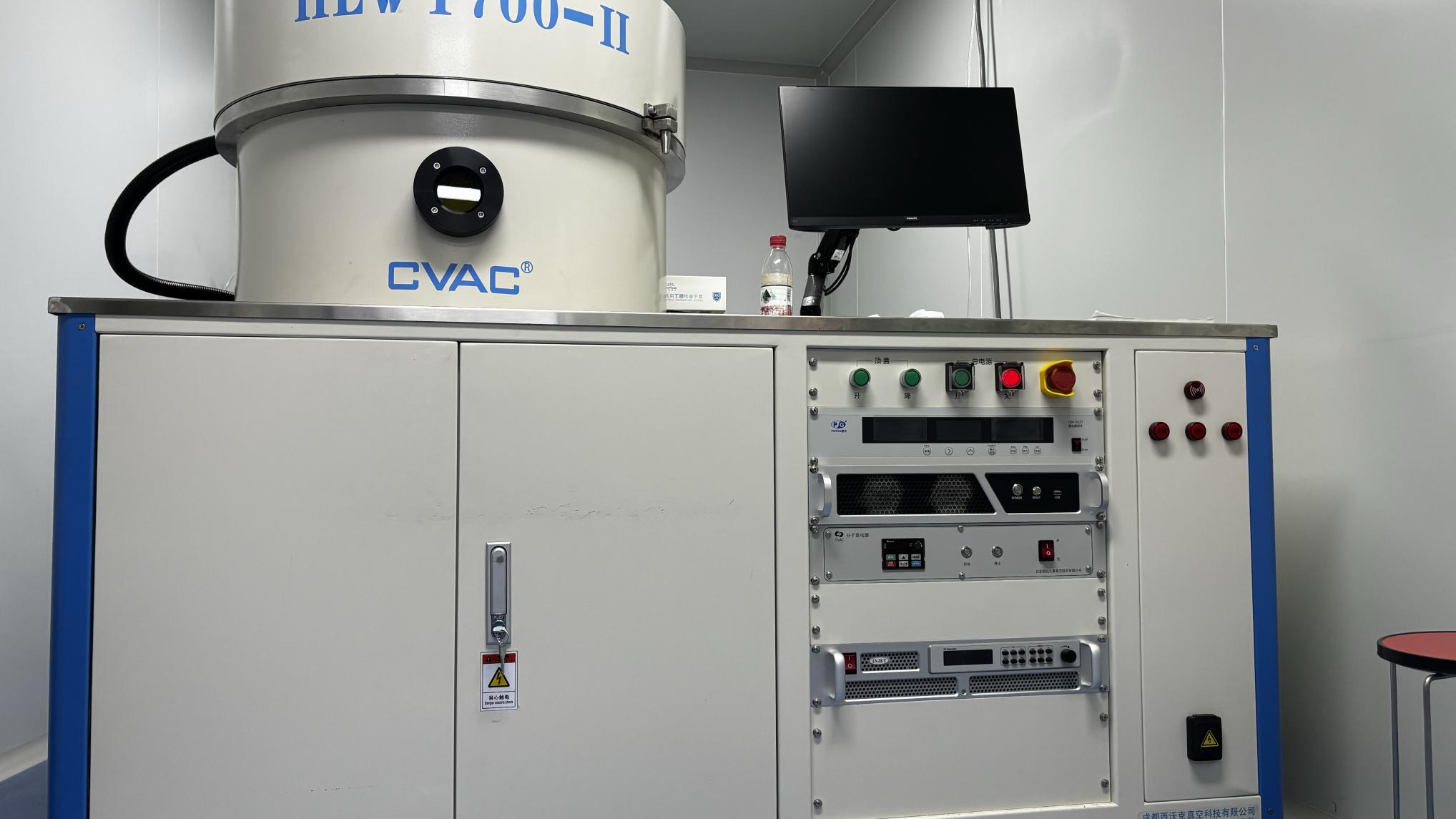
A glimpse inside our specialized electronics manufacturing facility. Where precision assemblies undergo 100% rigorous validation testing.
Need custom dimensions, tailored driver PCBs, or specific optical spectrum bins for your application in Takamaka? Get in touch with our team of optoelectronic engineers today.
 Memvora