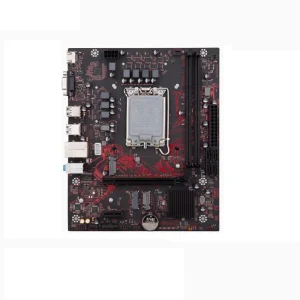
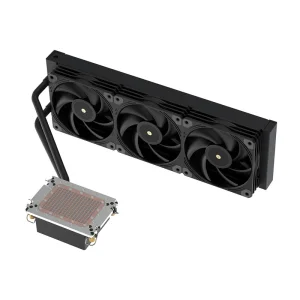
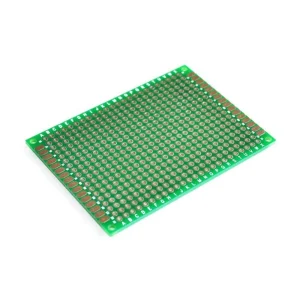
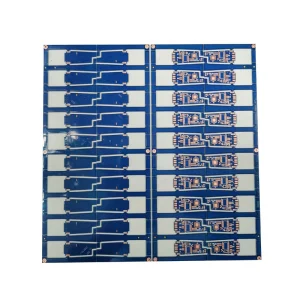
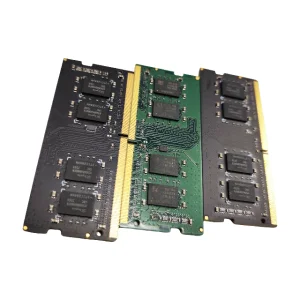
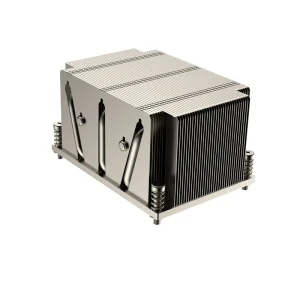
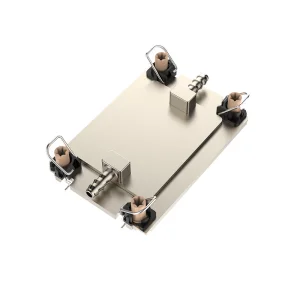
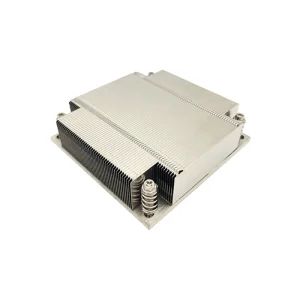
Explore our foundational infrastructure components designed to support high-performance server processing and high-frequency communication pipelines.
Bridging passive fiber optic networks with active high-performance server architecture to realize unified data transmission ecosystem.
Modern global networks demand an unprecedented scale of high-bandwidth, ultra-low latency infrastructure. As artificial intelligence (AI), machine learning (ML), and cloud computing continue to expand exponentially, the boundary between active data processing hardware and passive transmission pipelines is dissolving. Top China optical fiber cables manufacturers & factories now lead this paradigm shift, developing solutions that integrate advanced fiber preform fabrication with optimized system computing hardware to ensure data integrity from processor to subscriber terminal.
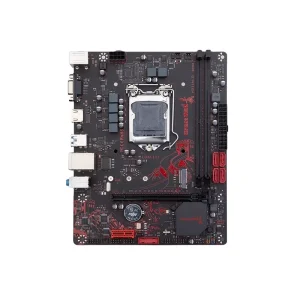
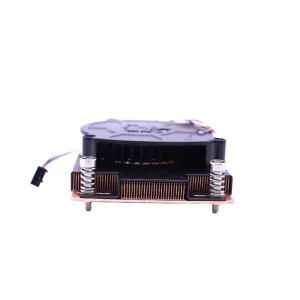
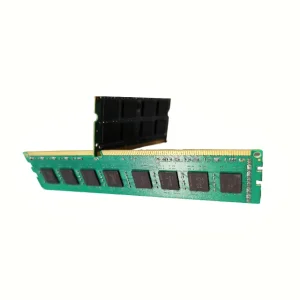
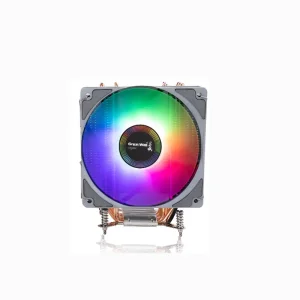
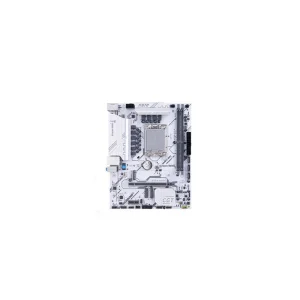
From the transoceanic subsea networks carrying terabits of international traffic to FTTR (Fiber-to-the-Room) systems supporting smart households, the choice of optical fibers is critical. Our industrial macro-solutions are designed to meet these exact needs, providing the physical layer backbone that handles high-throughput demands. Concurrently, the servers processing this data rely on high-speed hardware—such as DDR5 DRAM, multi-layered high-frequency PCBs, and advanced heatsink assemblies—ensuring zero data transmission bottlenecks at physical junctions.
Delivering high-density, low-attenuation optical fibers specifically optimized for 5G fronthaul, midhaul, and backhaul architectures, maintaining signal integrity across vast geographical spans.
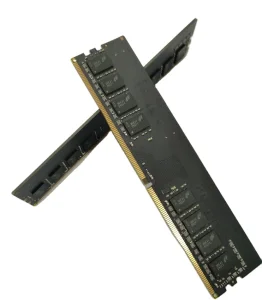
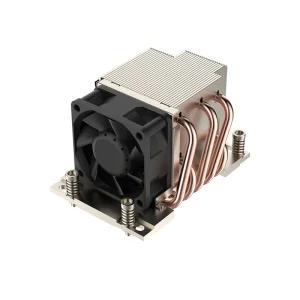
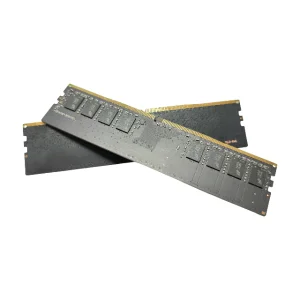
Providing high-density MPO/MTP patch cables, optical transceivers, and matching server components (DDR5 memory modules, copper radiators) to support ultra-dense computing arrays.
Engineered armored, steel-tape jacketed optical cables resilient to electromagnetic interference (EMI), chemical exposure, mechanical stress, and harsh outdoor environments.
How China's production capacity and technological advancements dictate global fiber optic rollouts and structural connectivity costs.
Today, China's optical fiber manufacturing output accounts for over 50% of the world’s total supply. This massive industrial footprint has evolved from simple low-cost assembly to highly complex, vertically integrated production chains. Top tier manufacturers control the raw materials, specifically the formulation of synthetic silica preforms utilizing VAD (Vapor Axial Deposition) and OVD (Outside Vapor Deposition) methods, maintaining strict purity standards that directly lower optical attenuation levels globally.
Furthermore, the ongoing integration of passive optics and active high-speed memory systems represents the leading edge of telecom factory innovation. Global telecommunication networks are no longer simple point-to-point connections; they are massive neural nets requiring localized computing nodes (edge data centers) that combine heavy fiber termination modules with robust computing hardware (like DDR4/DDR5 systems and customized copper cooling mechanisms) to process data on the spot. Through localized manufacturing hubs in regions like Jiangsu, Zhejiang, and Guangdong, factories leverage proximity to component suppliers, shortening lead times for global projects.
A rigorous breakdown of key single-mode, multi-mode parameters and overall mechanical build standards required for compliance.
When procurement managers compare Chinese manufacturers, understanding technical variables guarantees performance reliability under E-E-A-T principles. The table below represents standard optical benchmarks maintained across high-tier Chinese production facilities:
| Fiber Type | ITU-T Standard | Attenuation (dB/km) | Typical Application | Key Advantage |
|---|---|---|---|---|
| Single-Mode (SM) | G.652.D | ≤ 0.35 at 1310nm / ≤ 0.21 at 1550nm | Metropolitan & Long-Haul Networks | Low zero-dispersion wavelength, high reach |
| Bend-Insensitive SM | G.657.A1/A2 | ≤ 0.38 at 1310nm / ≤ 0.23 at 1550nm | FTTH Drops, Tight In-Building Routing | Allows bend radius down to 7.5mm with minimal loss |
| Multi-Mode OM3 | ISO/IEC 11801 | ≤ 2.5 at 850nm / ≤ 0.7 at 1300nm | Data Center LAN, Short distance Trunks | Supports 10G/40G/100G Ethernet up to 300m |
| Multi-Mode OM4 | ISO/IEC 11801 | ≤ 2.3 at 850nm / ≤ 0.6 at 1300nm | High-Density computing backbones | Extended reach for 100G systems up to 150m |
Beyond the core glass parameters, mechanical durability determines real-world deployment success. Cable sheathing configurations must correspond to target deployment environments:
A global leader in high-performance electronics, active computing systems, and hardware integration.
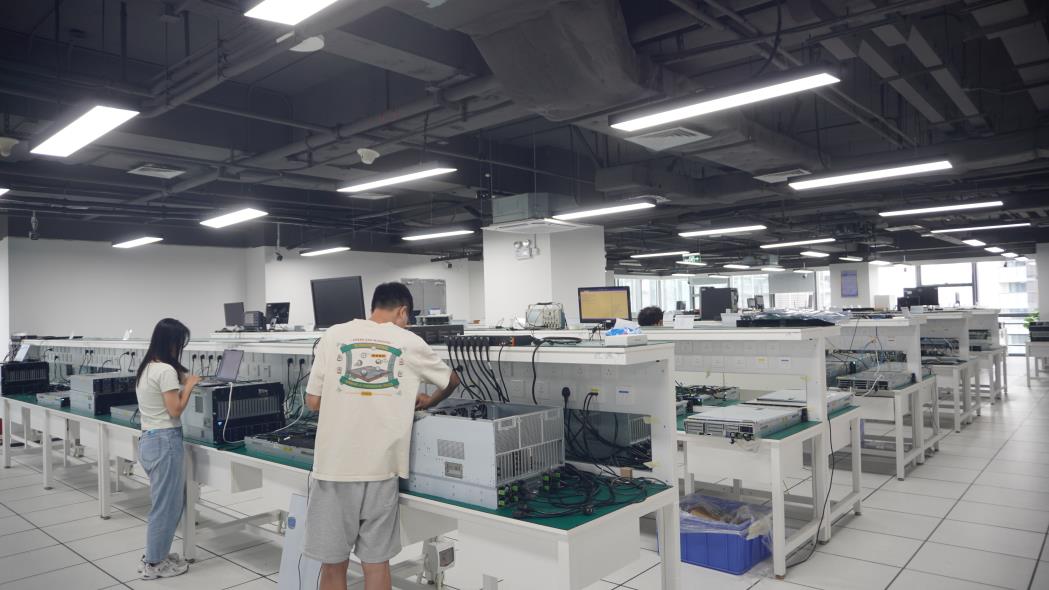
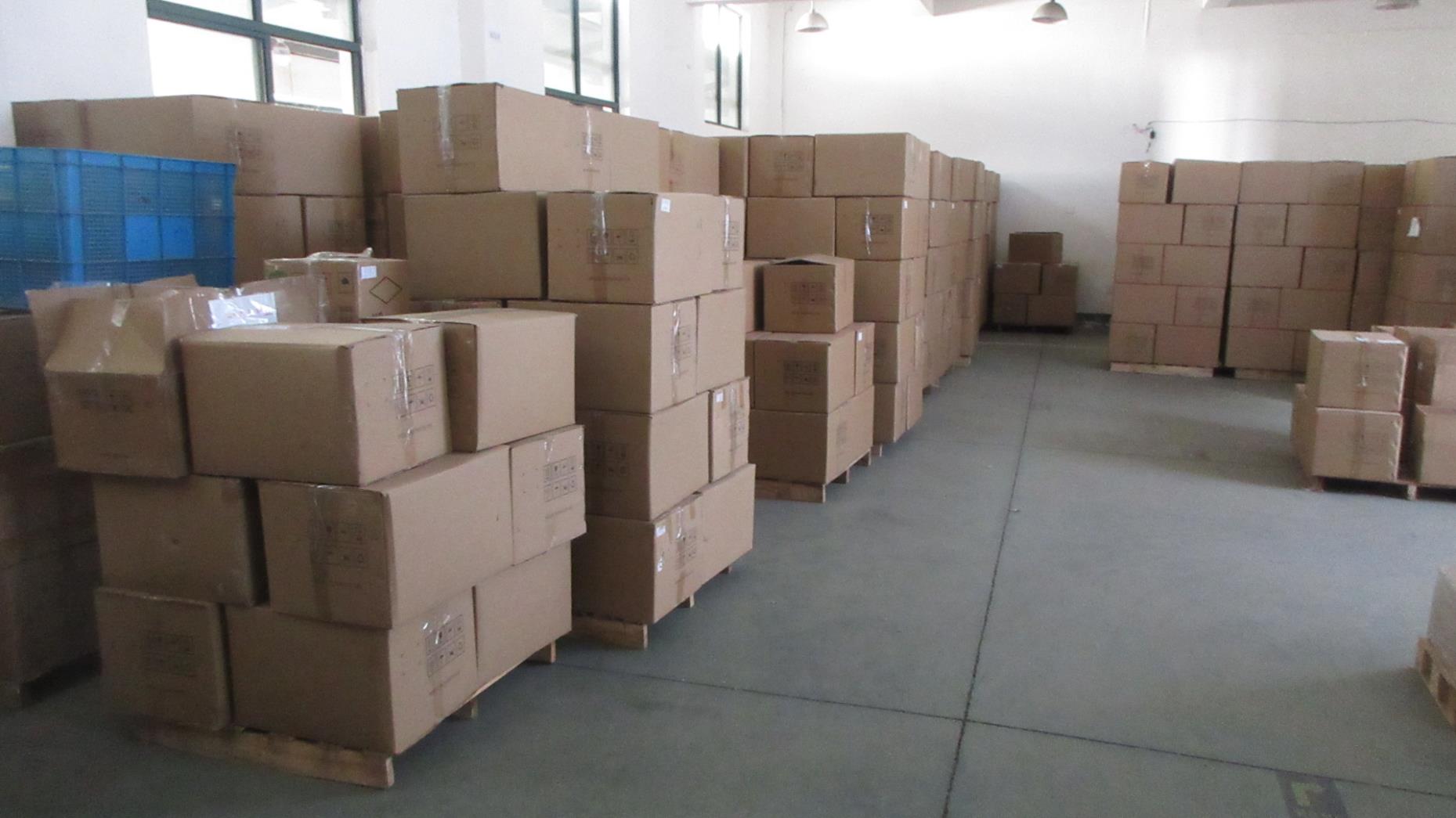
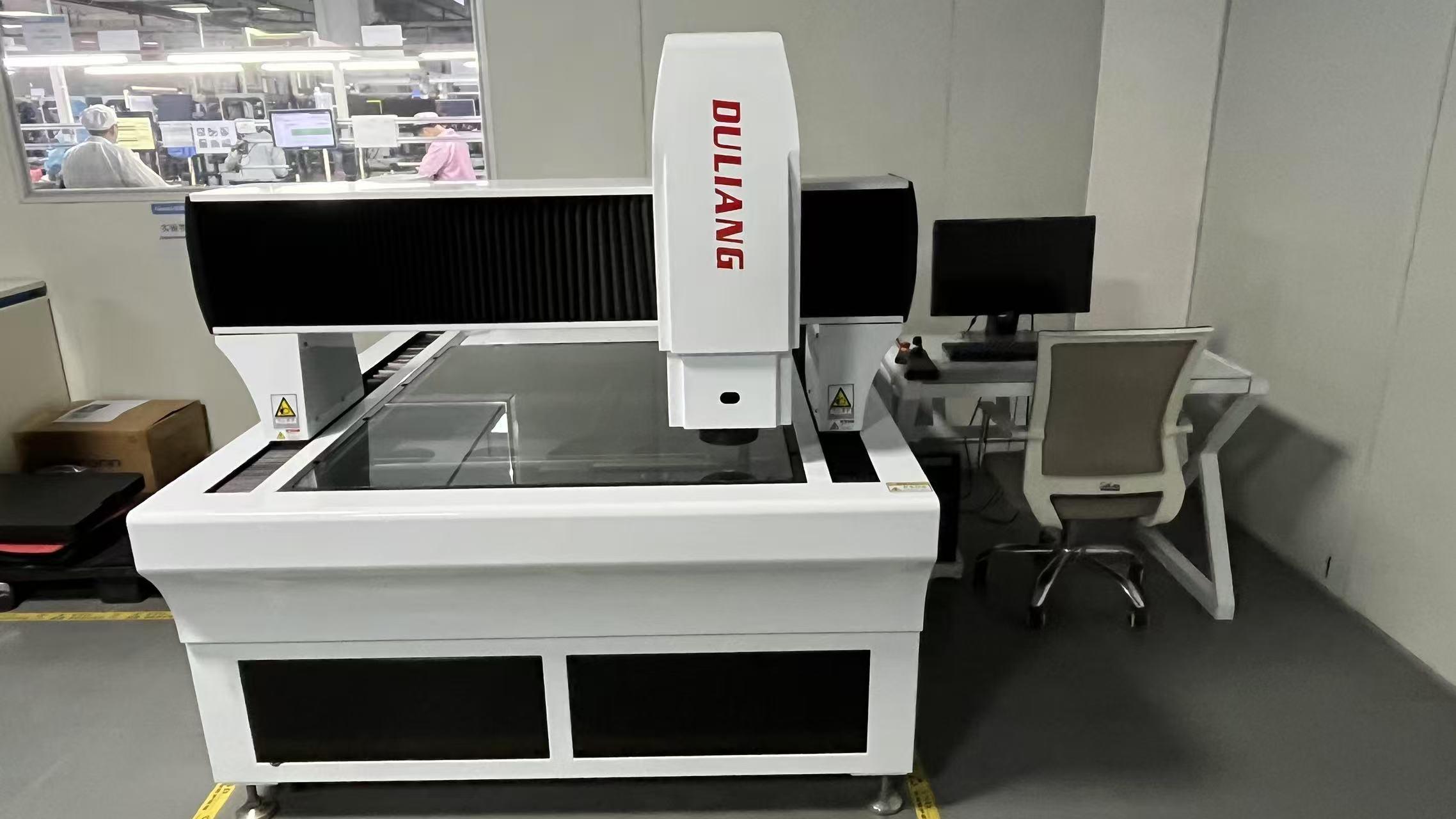
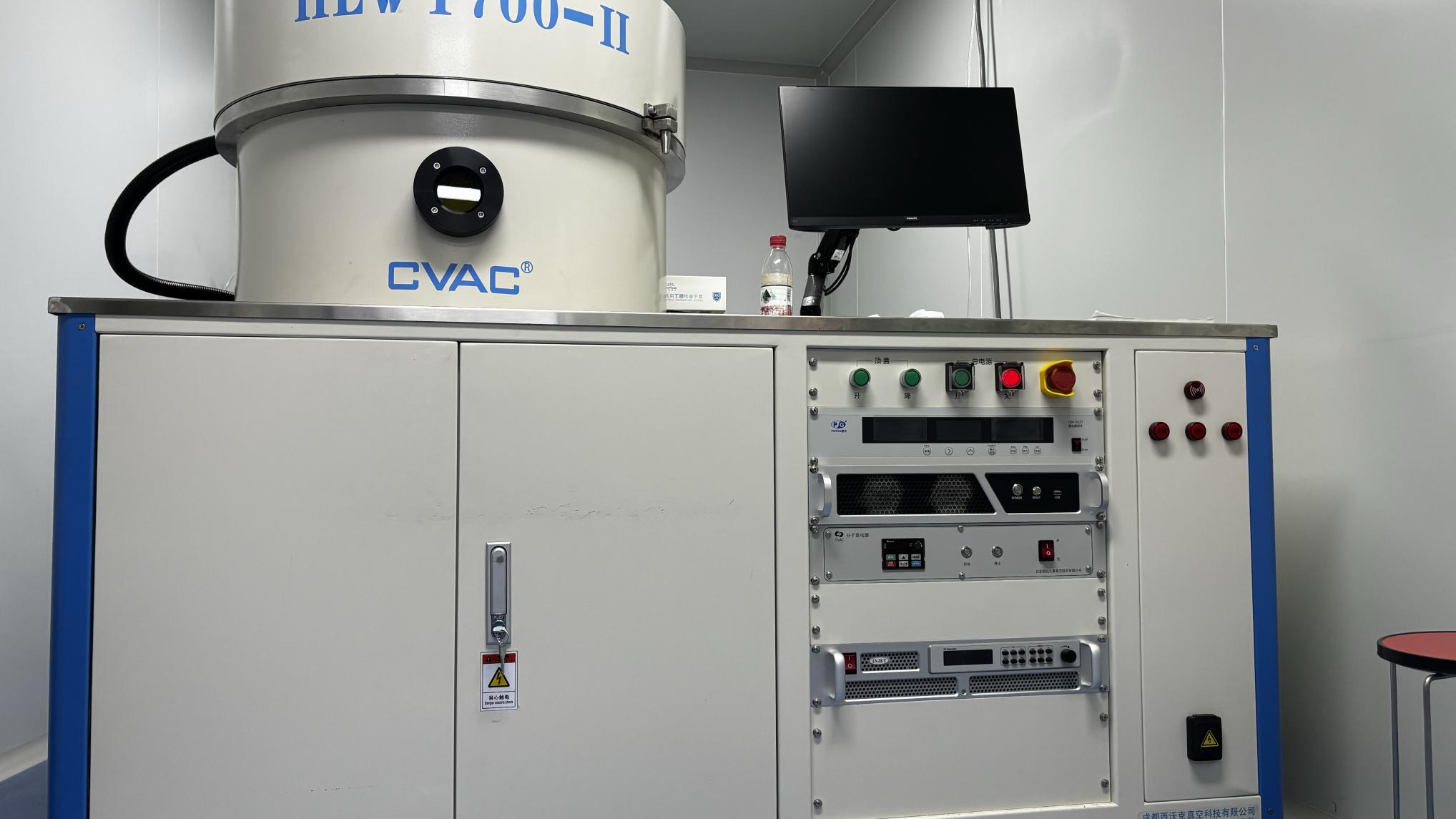
Founded in 2017, Memvora Electronics Technology Co., Ltd. is a professional manufacturer specializing in high-performance DDR5 memory modules, dedicated to delivering reliable memory solutions for consumer, industrial, enterprise, and embedded applications worldwide. With a modern manufacturing facility covering 386㎡, we combine advanced production equipment, strict quality management, and experienced engineering expertise to provide stable, high-speed memory products for global OEM and ODM partners.
Since entering the international market, Memvora has accumulated 7 years of export experience, serving customers across North America, Europe, Southeast Asia, the Middle East, and South America. Our annual export revenue exceeds US$18.6 million, supported by a strong global supply chain and long-term partnerships with more than 1,280 component suppliers and business partners.
With 14 years of industry experience, our team continuously invests in technology innovation and product development. Our R&D department consists of 126 professional engineers who focus on developing next-generation DDR5 memory solutions with higher speed, lower latency, and enhanced reliability. Last year alone, we successfully launched 86 new memory products to meet the evolving needs of gaming, AI computing, industrial automation, and enterprise servers.
Quality is the foundation of everything we do. Every product undergoes 100% functional testing, burn-in testing, compatibility testing, signal integrity testing, and aging tests before shipment. Our dedicated quality control team of 42 inspectors ensures every memory module meets rigorous international quality standards and delivers long-term stable performance.
Memvora provides flexible OEM, ODM, private label, custom capacity, PCB color, heat spreader design, firmware optimization, and packaging customization services to meet different market requirements. Backed by a responsive engineering team and efficient production management, we help customers shorten development cycles and accelerate product launches.
Today, Memvora serves a diverse customer base including memory brands, computer manufacturers, industrial equipment suppliers, system integrators, distributors, wholesalers, and e-commerce retailers. Through continuous innovation, reliable quality, and customer-focused service, we are committed to becoming a trusted global partner for advanced DDR5 memory manufacturing and customized DRAM solutions.
Analyzing real-world requirements across different regions and engineering demands.
Optical cables manufactured in China face diverse operational and localized environmental challenges depending on where they are deployed globally. A professional optical fiber manufacturer must understand these regional contexts to deliver custom cable modifications:
The transition toward multi-core fiber designs, hollow-core architecture, and ultra-high-speed DRAM modules.
As standard single-mode optical fibers approach their physical Shannon Limit (the maximum theoretical data transmission rate over a single channel), the research and development pipeline of China optical fiber factories shifts towards alternative fiber designs. Two major technologies are leading the future transmission roadmap:
Concurrently, the backend processing systems are transforming. The implementation of CPO (Co-Packaged Optics) puts the optoelectronic conversion chips directly on the same substrate as the main ASIC switch or CPU. This structural convergence joins optics directly with active electronics—like DDR5 DRAM modules and multi-layer high-density interconnect PCBs. Managing this dense, high-frequency physical integration requires advanced thermal designs, utilizing high-heat dissipation server radiators and multi-pipe copper heatsinks to maintain stability.
Direct answers to technical queries, shipping challenges, and certification concerns.
Browse our selection of server motherboards, high-density DRAM modules, and performance cooling kits supporting modern high-speed data nodes.
 Memvora