Explore our premium range of high-frequency components, memory modules, and specialized PCB designs engineered to maintain peak integrity at gigahertz speeds.
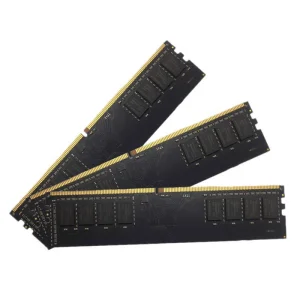
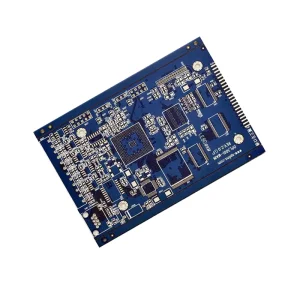
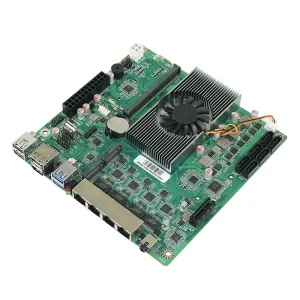
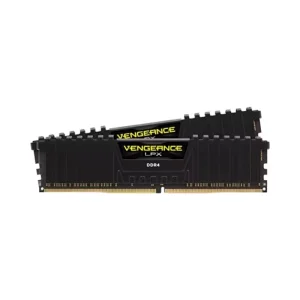
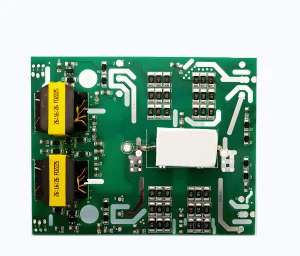
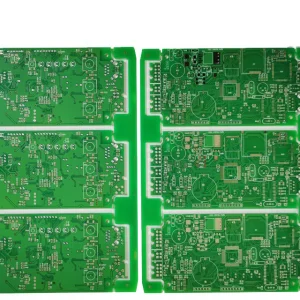
High-frequency (HF) circuit boards represent the foundational backbone of modern high-speed communications, aerospace radar configurations, autonomous driving architectures, and enterprise AI computing clusters. As operational frequencies move past the 5 GHz mark and transition into the millimeter-wave (mmWave) bands, the design requirements change drastically.
Standard FR-4 materials cannot operate efficiently at these levels due to excessive insertion loss and dielectric degradation. High-frequency PCBs require specialized substrates like PTFE (Teflon), ceramics, and advanced polyimides. These materials provide a stable dielectric constant (Dk) and low loss tangent (Df) across varying temperatures and signal frequencies.
"Without precision-manufactured HF circuit boards, the high-speed data transmission required for modern communications would degrade. This results in signal reflection, crosstalk, and thermal dissipation failures."
Critical for 5G/6G macro base stations, active antenna arrays (MIMO), high-frequency transceivers, and satellite ground receivers, requiring clean paths with minimal loss.
Supports 24GHz and 77GHz autonomous vehicle driver assistance systems, demanding exceptional reliability under harsh thermal and mechanical conditions.
The global high-frequency PCB manufacturing sector is undergoing rapid structural transitions. The rising demand for cloud computing, high-frequency AI acceleration, and automotive radar systems has driven the market forward.
Global reliance on specialty raw material suppliers like Rogers, Taconic, Panasonic Megtron, and Isola requires factories to maintain strong vendor relations to prevent delays.
East Asian hubs (specifically China) handle high-volume commercial manufacturing, while European and North American facilities focus on niche defense and aerospace runs.
Global environmental mandates, including RoHS and REACH, are forcing high-frequency PCB factories to adopt lead-free, halogen-free, and energy-efficient lamination runs.
| Material Class | Common Trade Name | Dielectric Constant (Dk @ 10 GHz) | Loss Tangent (Df @ 10 GHz) | Key Industrial Applications |
|---|---|---|---|---|
| Woven Glass Reinforced PTFE | Rogers RT/duroid 5880 | 2.20 | 0.0009 | Defense Electronics, Millimeter-wave Antennas |
| Ceramic Filled Thermoset | Rogers RO4350B | 3.48 | 0.0037 | Cellular Base Station Power Amplifiers, LNBs |
| Polyphenylene Ether (PPE) Resin | Panasonic Megtron 6 | 3.70 | 0.0020 | High-Speed Server Mainboards, Core Routers |
| Modified Polyimide (MPI) | Nanya / Shengyi MPI | 3.20 - 3.50 | 0.0040 | Smartphones, Wearable Flex Electronics |
Established Year
Annual Export Value
R&D Engineers
Supply Partners
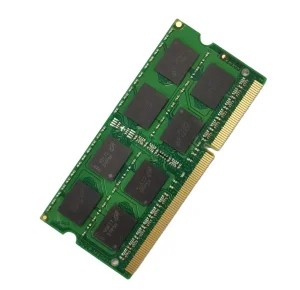
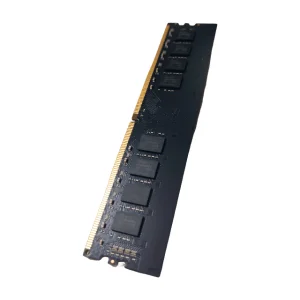
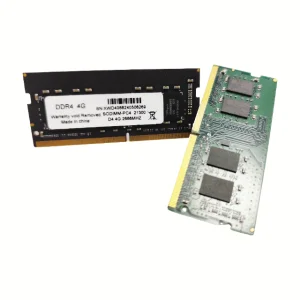
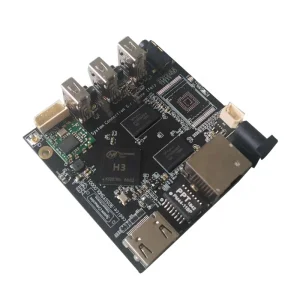
Founded in 2017, Memvora Electronics Technology Co., Ltd. is a professional manufacturer specializing in high-performance DDR5 memory modules, high-frequency printed circuit boards, and integrated PCB assemblies. We deliver reliable memory and processing solutions for consumer, industrial, enterprise, and embedded applications worldwide. With a modern manufacturing facility covering 386㎡, we combine advanced production equipment, strict quality management, and experienced engineering expertise to provide stable, high-speed memory products for global OEM and ODM partners.
Since entering the international market, Memvora has accumulated 7 years of export experience, serving customers across North America, Europe, Southeast Asia, the Middle East, and South America. Our annual export revenue exceeds US$18.6 million, supported by a strong global supply chain and long-term partnerships with more than 1,280 component suppliers and business partners.
With 14 years of industry experience, our team continuously invests in technology innovation and product development. Our R&D department consists of 126 professional engineers who focus on developing next-generation DDR5 memory solutions and multi-layer high-frequency PCB assemblies with higher speed, lower latency, and enhanced reliability. Last year alone, we successfully launched 86 new memory products and high-density layouts to meet the evolving needs of gaming, AI computing, industrial automation, and enterprise servers.
Every product undergoes 100% functional testing, burn-in testing, compatibility testing, signal integrity testing, and aging tests before shipment. Our dedicated quality control team of 42 inspectors ensures every memory module and board meets rigorous international quality standards.
Our OEM/ODM capability extends across private label packaging, custom capacitance configurations, heat spreader design, firmware optimization, and high-frequency signal tuning. Through continuous innovation, reliable quality, and customer-focused service, we are committed to becoming a trusted global partner for advanced DDR5 memory manufacturing and customized DRAM solutions.
The transition toward sub-6GHz, mmWave, and sub-THz (6G) communication frequencies requires continuous material and process innovation. High-frequency circuit boards must adapt to tighter design parameters.
To optimize costs, factories laminate high-frequency Rogers/Taconic materials only on the outer signal layers, using standard FR-4 for the inner layers.
By backdrilling unused via stubs, designers remove signal reflection sources in multi-layer boards, supporting high data transfer rates.
Inserting solid copper coins directly into the board structure provides localized thermal relief for power-dense high-frequency components.
Implementing high-frequency circuit boards requires careful design adaptation to meet the distinct engineering standards of different global regions.
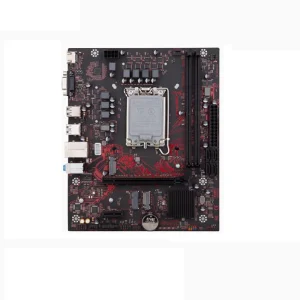
In North American and European hyperscale data centers, high-frequency motherboards and server memory modules must operate continuously. Signal paths must handle PCIe Gen 5 and Gen 6 interfaces while maintaining signal integrity across fluctuating temperatures.
For industrial automation setups, interference from heavy equipment can disrupt system data. The high-frequency PCBs used here must have high electromagnetic compatibility (EMC) and shielding, combined with low-loss performance to prevent transmission errors.
Automotive safety modules demand strict consistency. The PCB's dielectric constant must remain stable over temperatures ranging from -40°C to +125°C. This requires specific ceramic-filled PTFE substrates to prevent radar calibration drift.
High-frequency communication hardware requires minimal passive intermodulation (PIM). Factories use rolled copper foil rather than electrodeposited copper to minimize surface roughness and reduce signal loss.
Reliable high-frequency PCB manufacturing requires strict adherence to international quality standards. Compliance certification acts as proof of a factory's engineering control, material traceability, and quality management systems.
When auditing a high-frequency circuit board manufacturer, check their:
1. Advanced Impedance Testing equipment (e.g., TDR systems).
2. Precision Laser Direct Imaging (LDI) for fine trace configurations.
3. Controlled lamination lines capable of working with high-temperature PTFE.
4. Micro-section analysis equipment to verify layer registration.
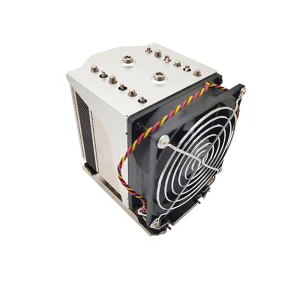
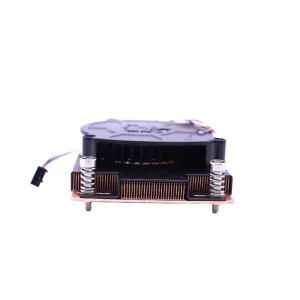
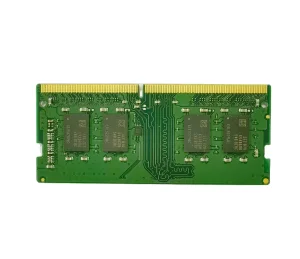
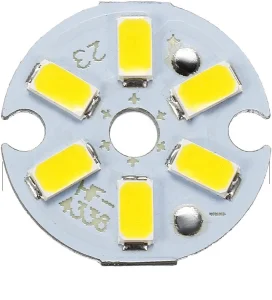
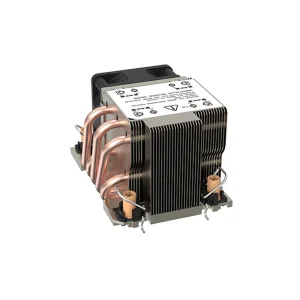
Examine the second tier of our high-frequency capabilities, from server cooling components to multi-layer PCB builds and SMT PCBA prototypes.
Find answers to common questions about material selection, design criteria, and manufacturing parameters for high-frequency PCBs.
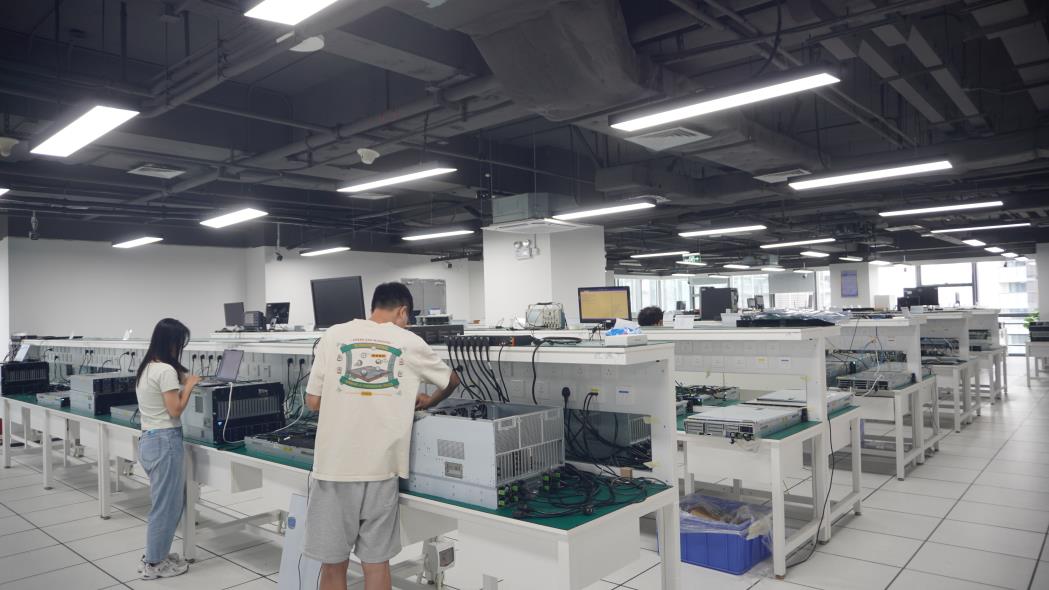
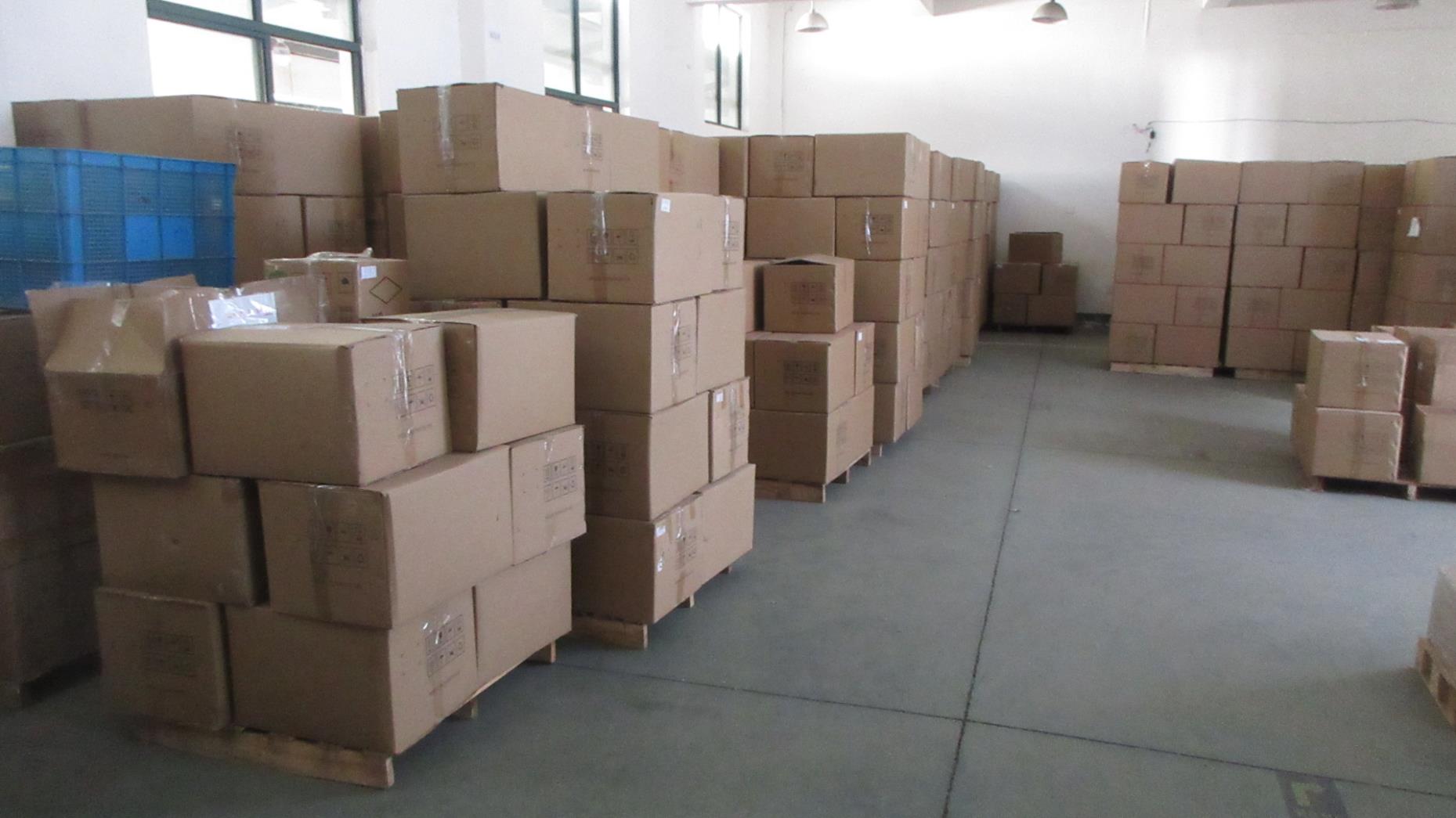
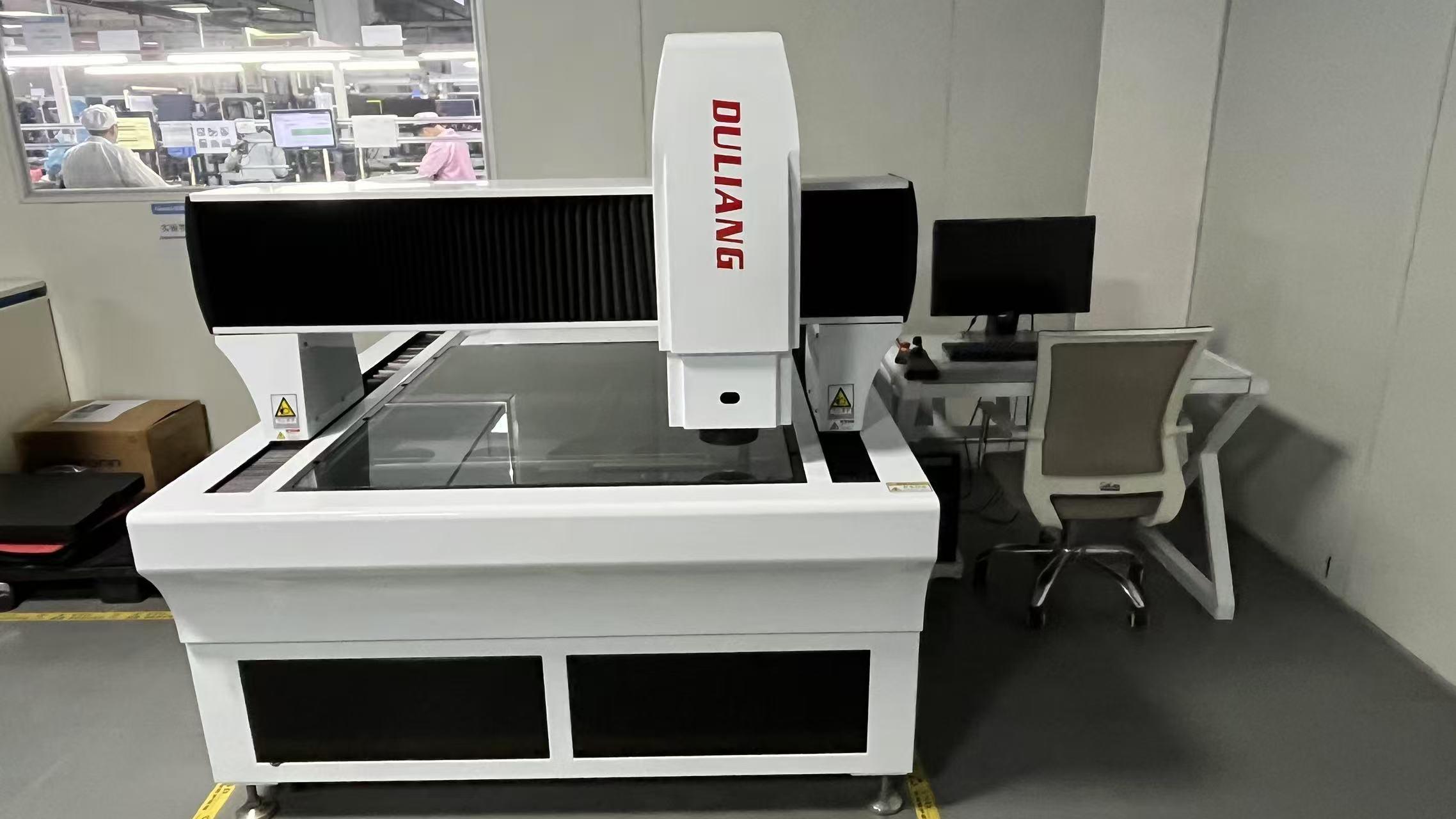
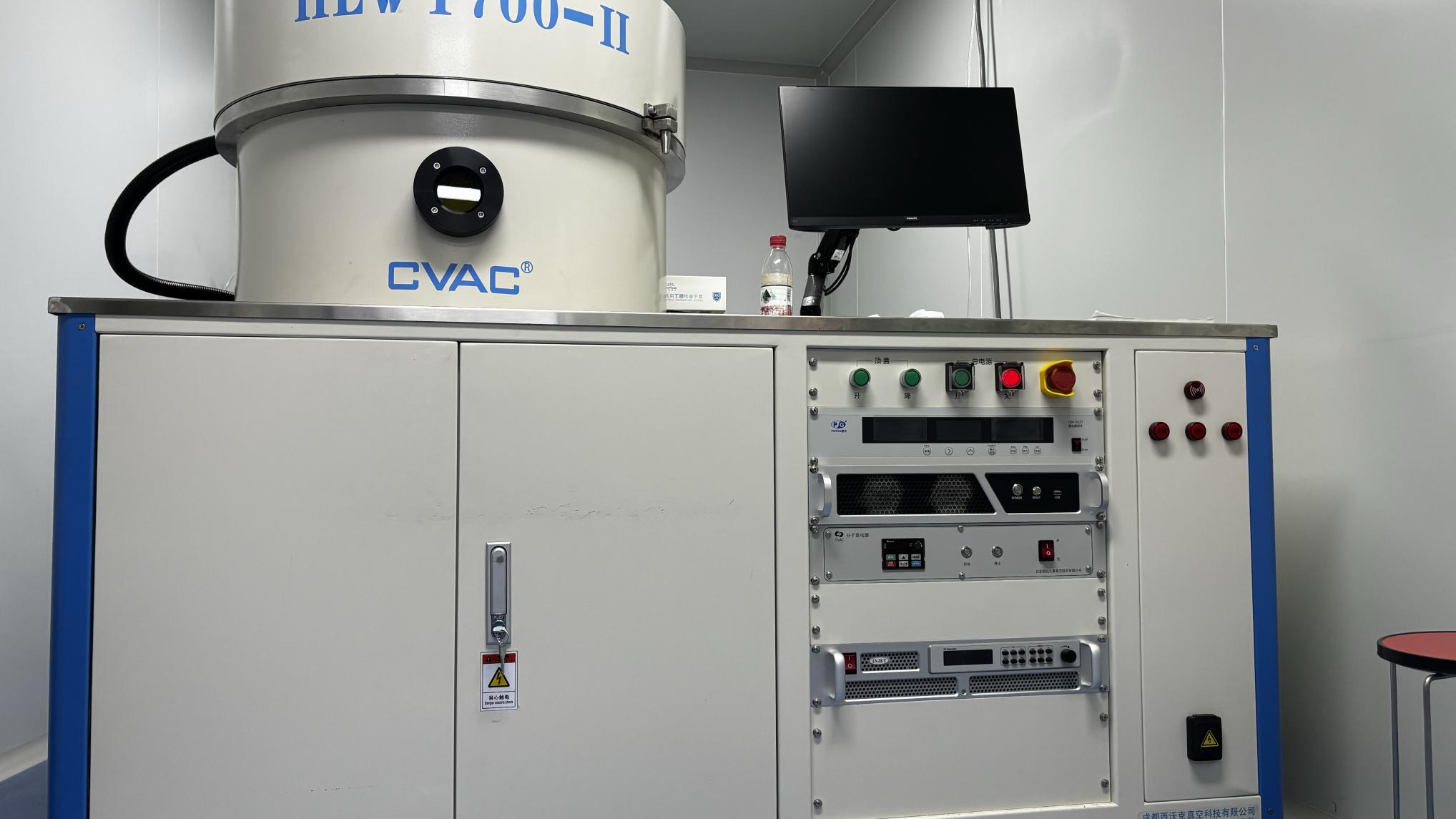
Take a look at the equipment and environments where our technical teams assemble, inspect, and package high-frequency hardware.
 Memvora