High-frequency memory modules, core PCB assemblies, and hardware foundations powering today's smart wireless speakers.
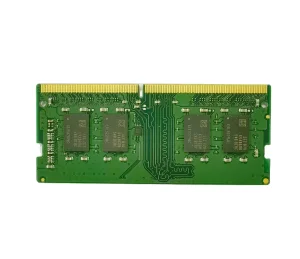
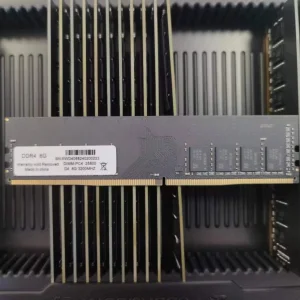
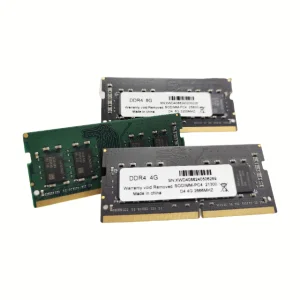
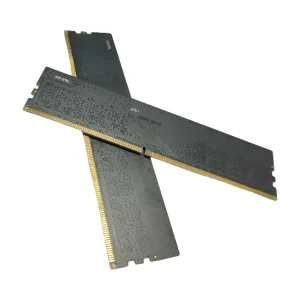
The consumer audio segment is undergoing a massive transformation driven by high-resolution audio codecs, IoT integration, and advanced Bluetooth standards. Sourcing professional-grade wireless products requires navigating a complex environment of chip architectures, power management integrated circuits (PMICs), and acoustic chamber calibrations. As a premium manufacturer in China, we understand that smart audio devices are no longer just simple speakers; they are highly integrated hardware platforms.
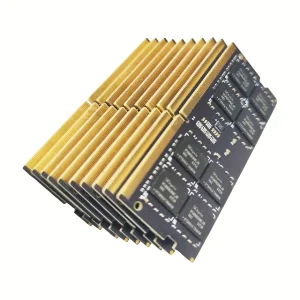
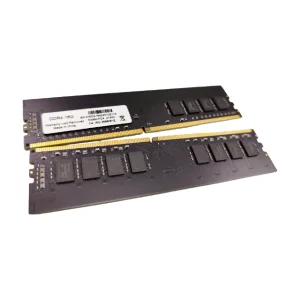
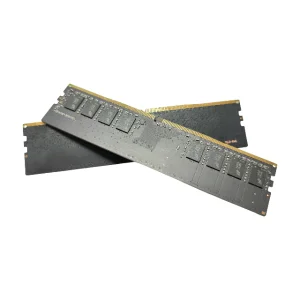
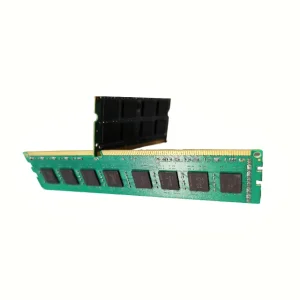
From portable mini speakers with high waterproof ratings to voice-activated smart home assistants and high-fidelity bookshelf audio systems, wholesale buyers must balance acoustic performance with supply chain reliability. A stable hardware architecture—comprising top-tier components like precision-engineered PCBs, high-frequency buffer memory (such as specialized DDR SRAM), and thermal management modules—is critical to eliminating latency, improving audio synchronization, and preventing component failure.
To produce high-quality Bluetooth speakers, manufacturers must coordinate several hardware layers. Each layer requires meticulous planning, design, and testing:
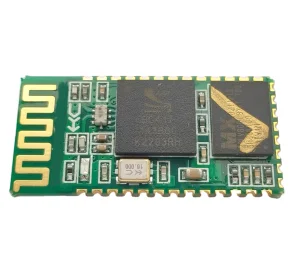
Multi-layer FR-4 PCBs designed with clean signal separation to isolate RF circuits from analog audio amplification paths, reducing total harmonic distortion (THD).
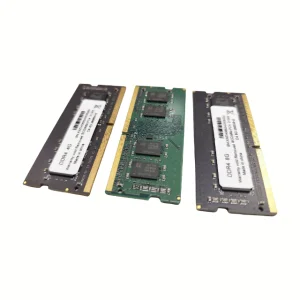
Integrated high-speed memory buffers prevent buffering delay and packet loss in smart speakers running advanced operating systems and local AI voice processing.
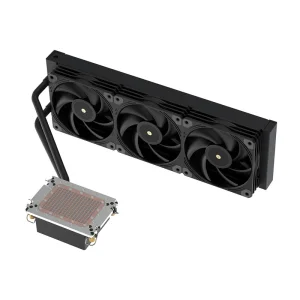
Class-D amplifiers produce significant heat in compact housings. Specialized heatsinks and power management ICs extend runtime and preserve lithium-ion battery health.
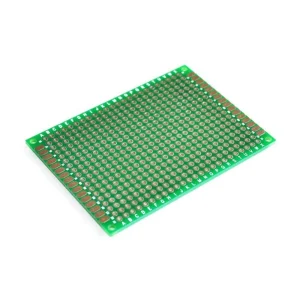
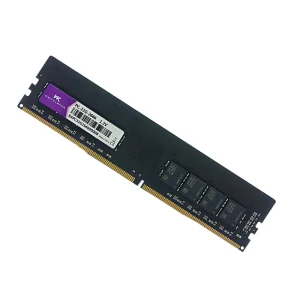
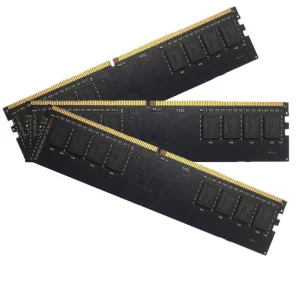
A premium audio product is built on a high-speed SMT assembly line. By managing both the active DRAM modules (like DDR4 configurations) and specialized double-sided circuit boards, manufacturers can maintain control over latency, power consumption, and mechanical layout constraints. This comprehensive capability allows brands to build smart speakers that connect quickly, decode lossless codecs like LDAC and aptX Adaptive, and maintain connections over long distances.
China's manufacturing ecosystem provides major advantages through supply chain integration, material access, and engineering scale. Shenzhen, Dongguan, and Guangzhou are home to the world's most concentrated cluster of acoustic research centers, SMT factories, injection molding houses, and testing laboratories. This ecosystem allows manufacturers to quickly move from industrial design prototypes to mass production.
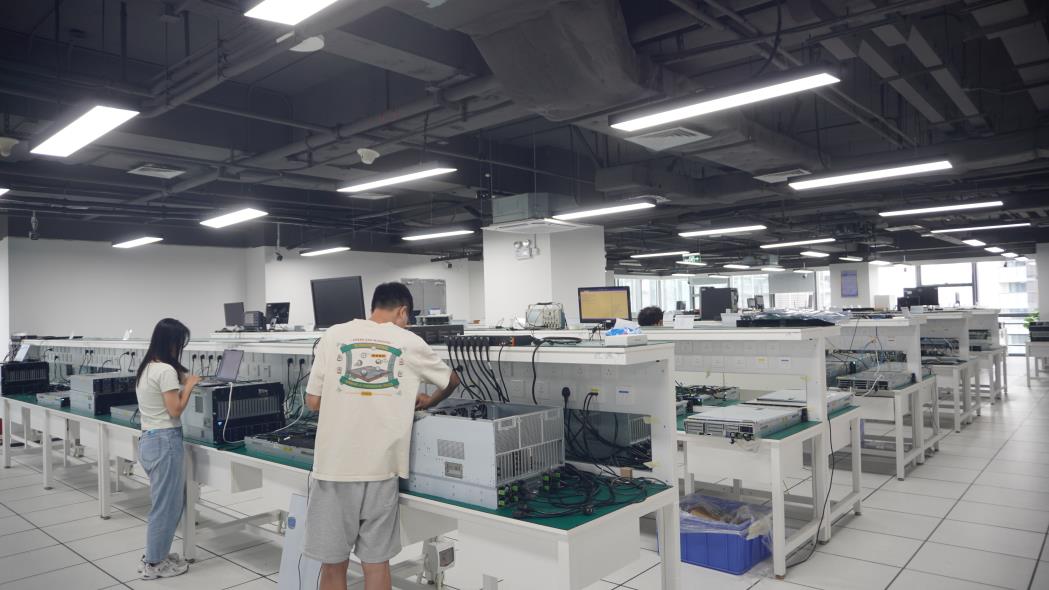
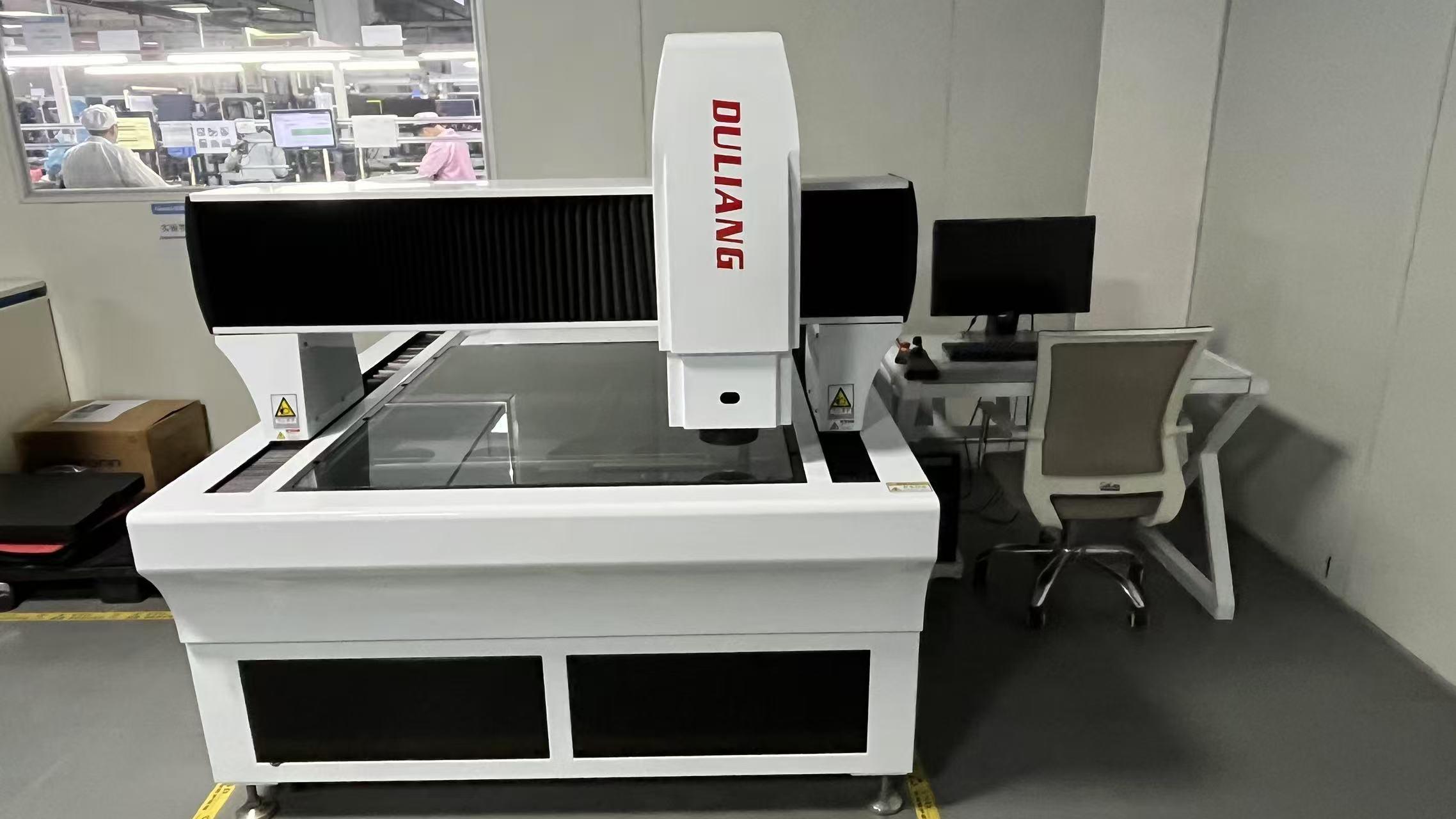
Many factories operate only as simple final assembly workshops. However, advanced factories manage the entire process, including SMT chip placement, RF antenna design, automated optical inspection (AOI), and acoustic anechoic testing. Sourcing from a factory with direct component-level engineering capabilities helps minimize common B2B problems, such as component mismatch, firmware bugs, and slow production ramp-ups.
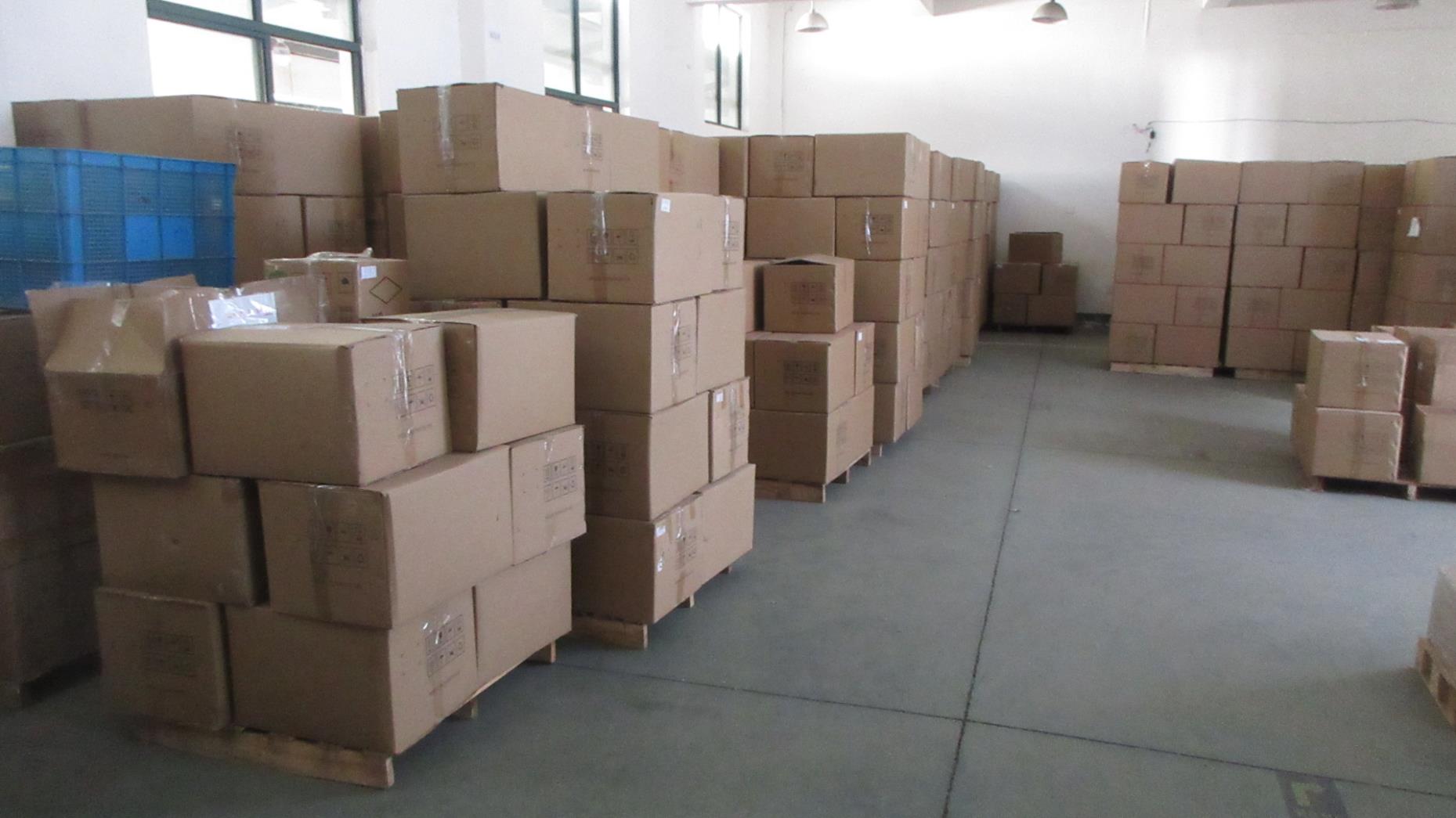
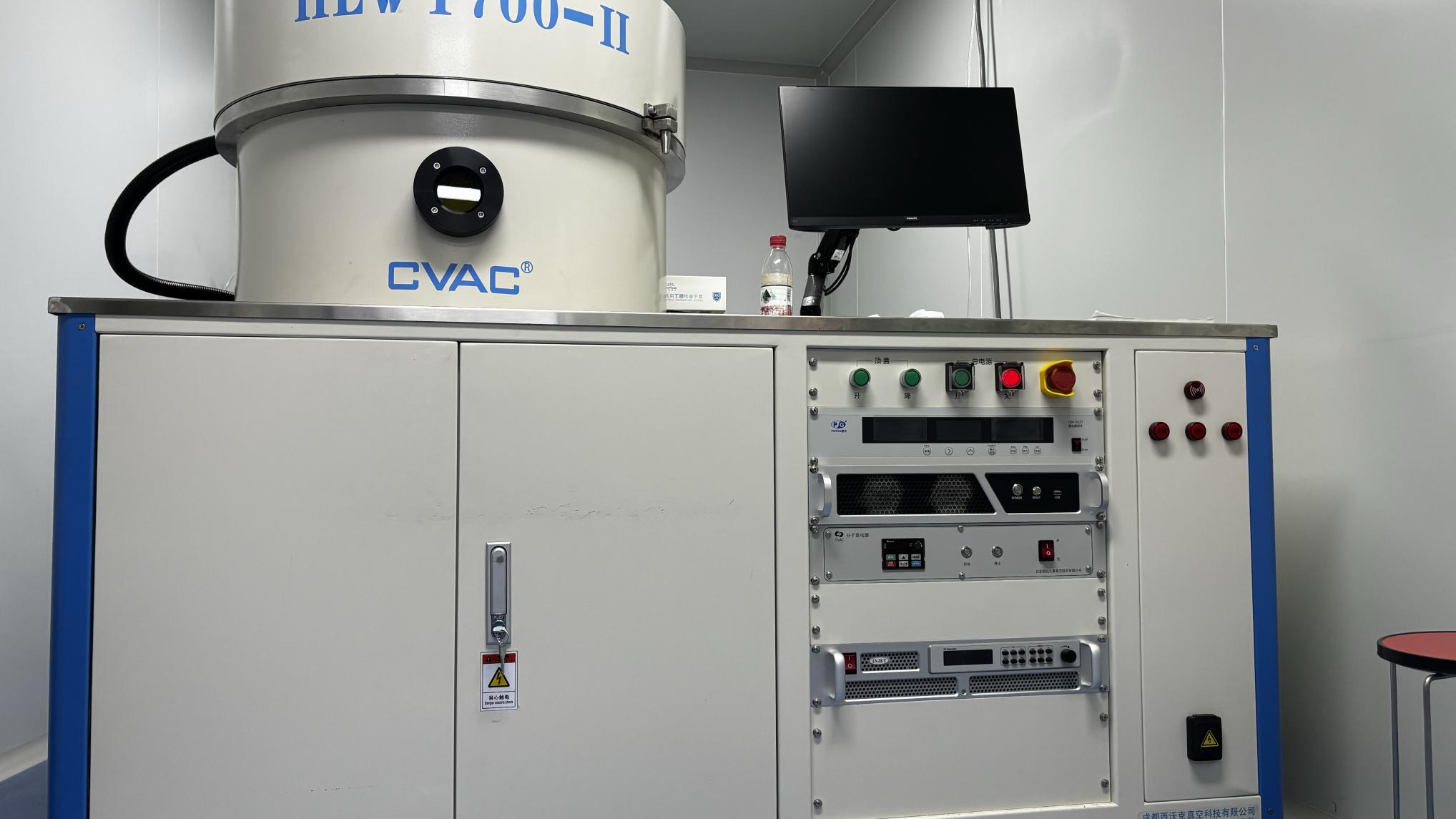
Founded in 2017, Memvora Electronics Technology Co., Ltd. is a professional manufacturer specializing in high-performance memory modules and advanced PCB electronics. We deliver reliable hardware and component solutions for consumer, industrial, enterprise, and embedded applications worldwide. With our specialized manufacturing facility covering 386㎡, we combine SMT production lines, quality management, and engineering expertise to support global OEM and ODM partners.
Since expanding internationally, Memvora has built 7 years of export experience, serving clients across North America, Europe, Southeast Asia, the Middle East, and South America. Our annual export revenue exceeds US$18.6 million, backed by a global supply chain and long-term partnerships with more than 1,280 component suppliers and business partners.
With 14 years of industry experience, our core engineering team continuously refines SMT design, high-frequency signal processing, and thermal management. Our R&D department includes 126 professional engineers focused on high-efficiency, high-reliability circuit assemblies. Last year alone, we launched 86 new hardware and component products, supporting applications from high-speed computing to wireless communications and premium audio systems.
Memvora provides flexible OEM, ODM, private label, custom capacity, PCB color, heat spreader design, firmware optimization, and packaging customization services. We help brand owners, system integrators, and distributors bring highly customized hardware to market quickly and reliably.
Modern wireless audio equipment must be designed for specific use cases, environmental hazards, and consumer expectations:
Sourcing electronics internationally requires compliance with strict safety and radio standards. A lack of proper certifications can lead to customs seizures, high fines, or product recalls.
Understanding upcoming technology shifts helps sourcing managers future-proof their product portfolios. Here is where wireless audio technology is heading over the next few years:
Adopting the Low Complexity Communication Codec (LC3) to deliver higher audio quality at half the bitrate, significantly extending wireless speaker battery life.
Enabling one transmitter to stream to an unlimited number of nearby receivers, creating new opportunities for public spaces, venues, and multi-speaker home systems.
Integrating artificial intelligence into hardware modules for real-time room tuning, active wind-noise filtering, and adaptive audio equalization.
Expert answers to common engineering, procurement, and logistical questions for global buyers.
For standard OEM models with custom logos and packaging, MOQs generally range from 1,000 to 2,000 units. For fully customized ODM products requiring unique plastic housing molds, the MOQ is typically 5,000 units or more to cover the tooling and engineering setup costs.
We use specialized RF testers and clean chambers to verify signal strength. We tune the trace design, matching circuits, and antenna layouts on the main PCB to achieve a stable connection range of 10 to 30 meters, depending on the Bluetooth class specified.
We address latency by selecting high-performance chipsets (like Qualcomm or Bestechnic) that support low-latency codecs, optimizing the firmware buffers on the PCB, and using fast DDR memory storage to prevent packet decoding delays.
Yes, we provide UL2054, IEC62133, and UN38.3 certified lithium battery packs through approved partners. We customize the battery protection circuit board (BMS) layout on our SMT lines to ensure safe charging, over-voltage protection, and thermal monitoring.
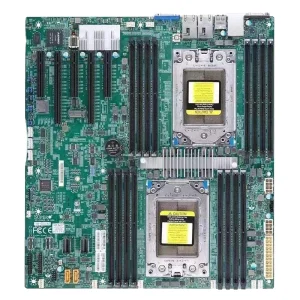
High-precision circuit boards, motherboard systems, and specialty cooling components supporting smart production lines and enterprise audio-video platforms.
 Memvora