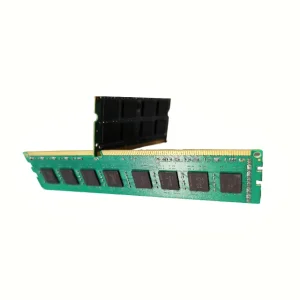
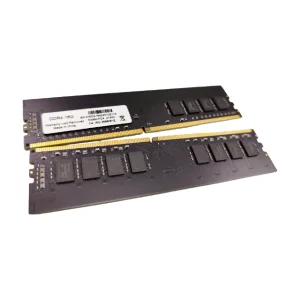
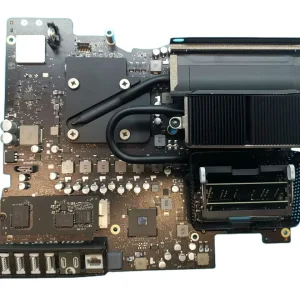
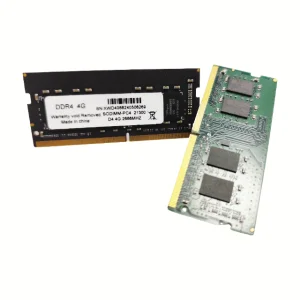
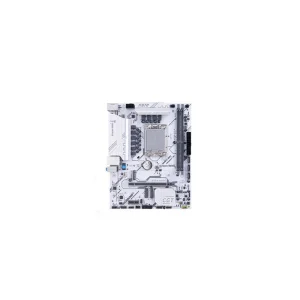
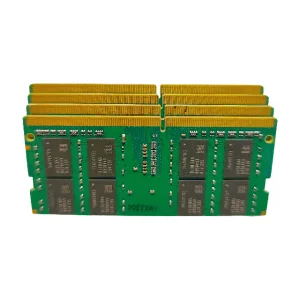
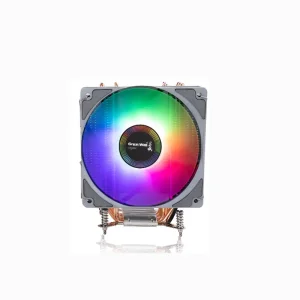
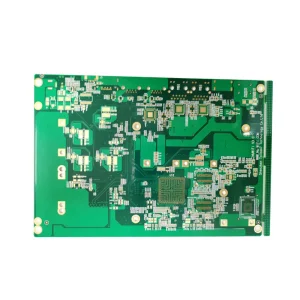
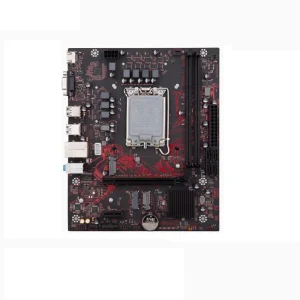
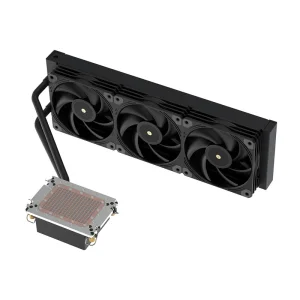
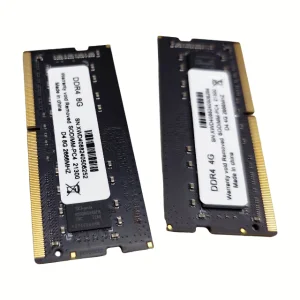
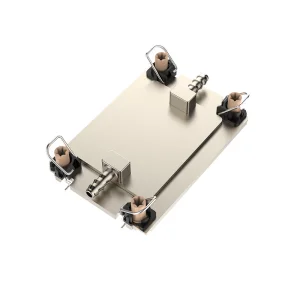
Direct sourcing of advanced computer motherboards, RAM, heat sinks, and PCB configurations foundational to high-performance UVC disinfection driver assemblies.
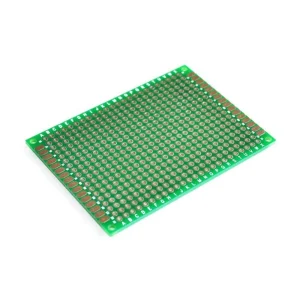
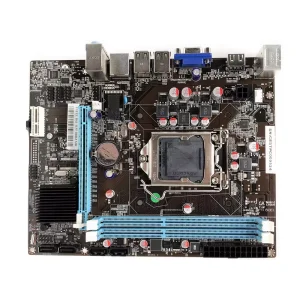
An executive briefing on wavelength physics, optical power calibration, and the technical parameters driving modern solid-state UVC modules.
Over the past decade, the global germicidal irradiation landscape has experienced a paradigm shift. The phased withdrawal of legacy mercury vapor discharge lamps under the Minamata Convention has accelerated the deployment of high-efficiency solid-state UVC LED Disinfection Modules. Emitting ultraviolet light within the critical germicidal window of 260nm to 280nm, these modules directly disrupt the molecular bonds of DNA and RNA in viruses, bacteria, and spores, forming pyrimidine dimers that inhibit reproduction and render pathogens inert.
However, engineering a reliable, long-lifecycle industrial UVC module requires solving complex problems in solid-state physics, thermodynamics, and high-frequency power electronics. Unlike visible light LEDs, UVC semiconductor materials present a high bandgap energy, converting only 2% to 6% of the electrical energy into optical radiant flux. The remaining 94%+ energy translates directly into thermal dissipation load. Unmitigated heat drives junction temperatures up, accelerating package yellowing, phosphor degradation, and optical power output decay.
As premier Chinese exporters and electronic engineering factories, our production philosophy integrates high-conductivity Metal-Core PCBs (MCPCBs), optimized constant-current driver circuitry, and advanced active or passive cooling mechanisms. By controlling the junction temperature (Tj) below 65°C, we protect the structural integrity of the AlGaN (Aluminum Gallium Nitride) active layers. This ensures our UVC modules sustain an L70 lifetime exceeding 20,000 hours, meeting the rigorous standards of global appliance manufacturers and medical-grade device systems.
For system integrators, selecting the correct manufacturer goes beyond evaluating a datasheet. It requires auditing the factory's SMT placement precision, its optical measurement laboratories, and its capacity to customize mechanical footprints and electrical loads for localized target markets. This document outlines how Chinese supply chains deliver high-efficiency, compliant UVC engines to the global market.
Leveraging deep industrial clusters, automated cleanroom operations, and rapid prototyping capabilities to drive down unit costs while scaling quality.
Based in China's premier electronic manufacturing corridors (Shenzhen-Dongguan-Guangzhou), we procure premium AlGaN raw chips, high-transmittance quartz lenses, thermal silicas, and multi-layer PCBs within a 50-mile radius. This unmatched local supply chain reduces raw material lead times to just 3-5 working days.
Leveraging our in-house PCB prototyping, SMT lines, and fast-molding facilities, we can refine customized driver board layouts, mechanical dimensions, and connector interfaces within 7 to 10 days, allowing our clients to capture dynamic market opportunities with minimal delay.
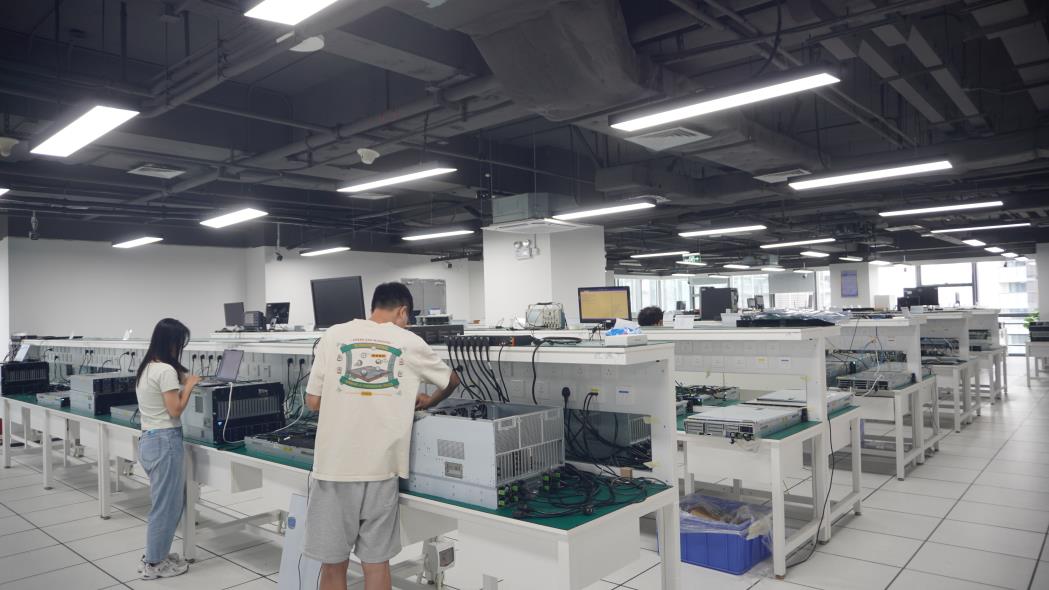
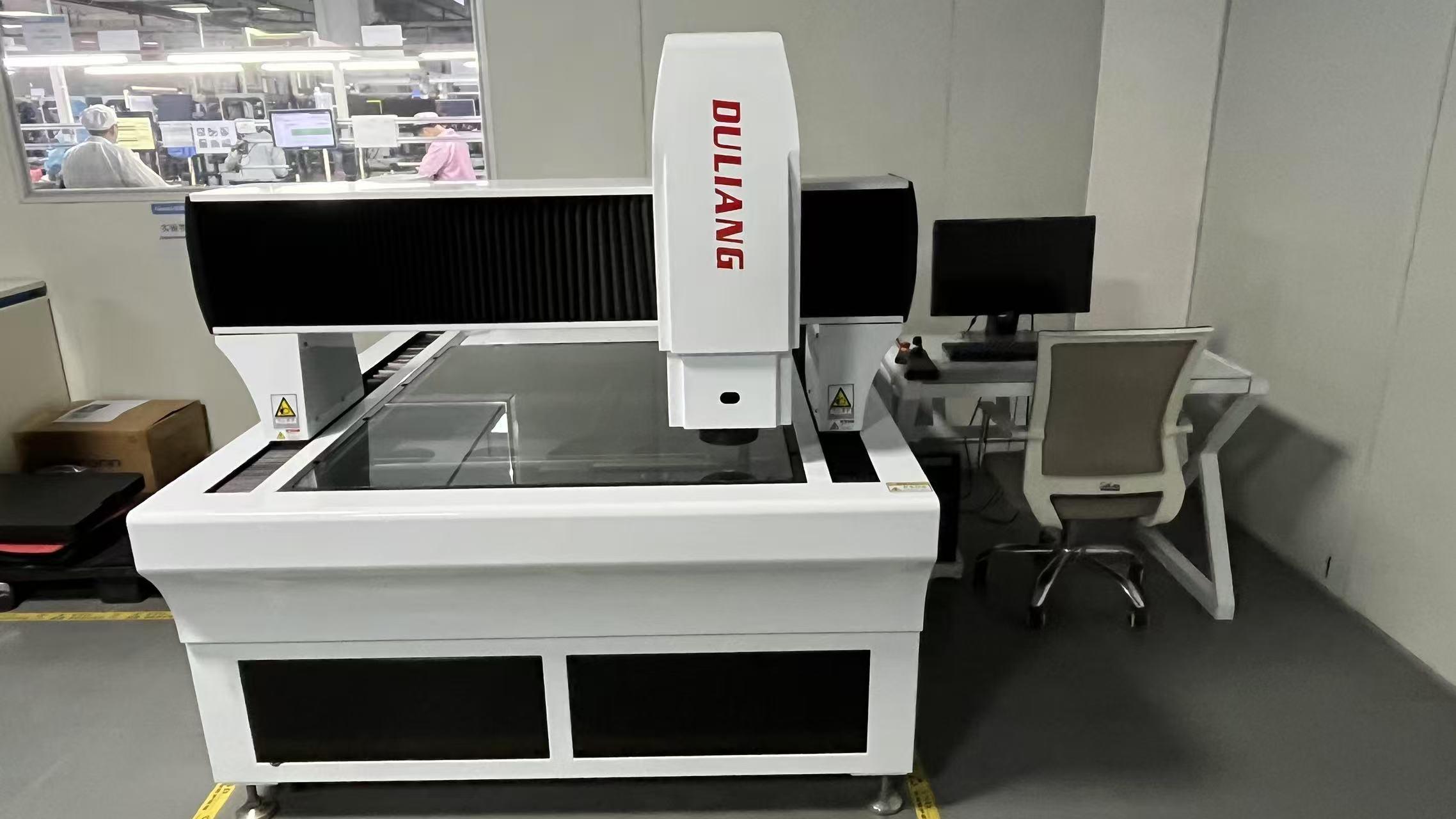
By using modern, automated high-speed SMT assembly lines equipped with online AOI (Automated Optical Inspection), SPI (Solder Paste Inspection), and helium leak detection systems, we maintain a production yield of over 99.85% for large-scale production runs.
A premier Chinese enterprise translating high-speed processing electronics and advanced thermal management design into industrial UVC applications.
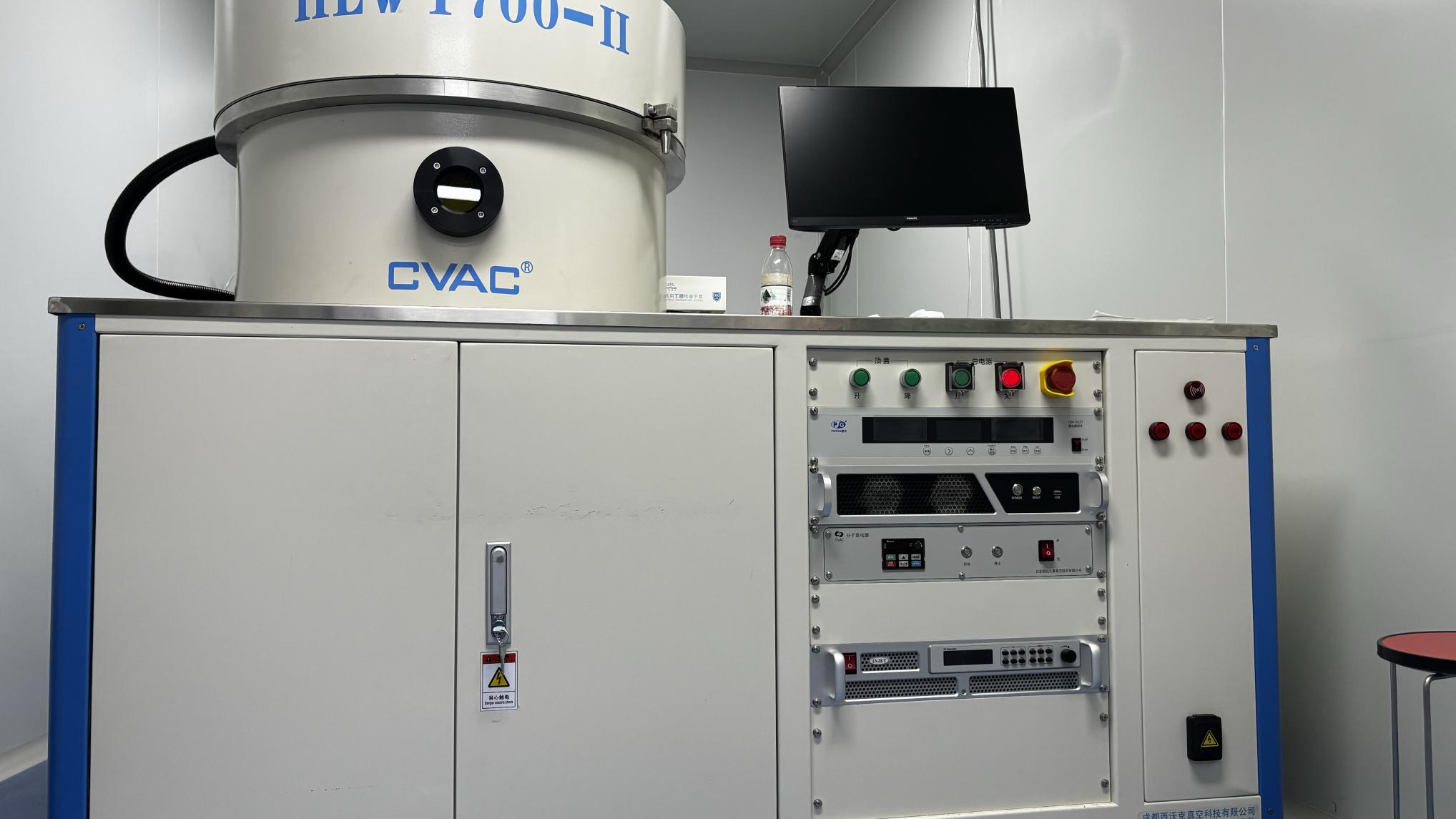
Founded in 2017, Memvora Electronics Technology Co., Ltd. is a professional manufacturer specializing in high-performance electronic modules, dedicated to delivering reliable hardware and control solutions for consumer, industrial, enterprise, and embedded applications worldwide. With a modern manufacturing facility covering 386㎡, we combine advanced production equipment, strict quality management, and experienced engineering expertise to provide stable, high-speed electronic products and custom driver modules for global OEM and ODM partners.
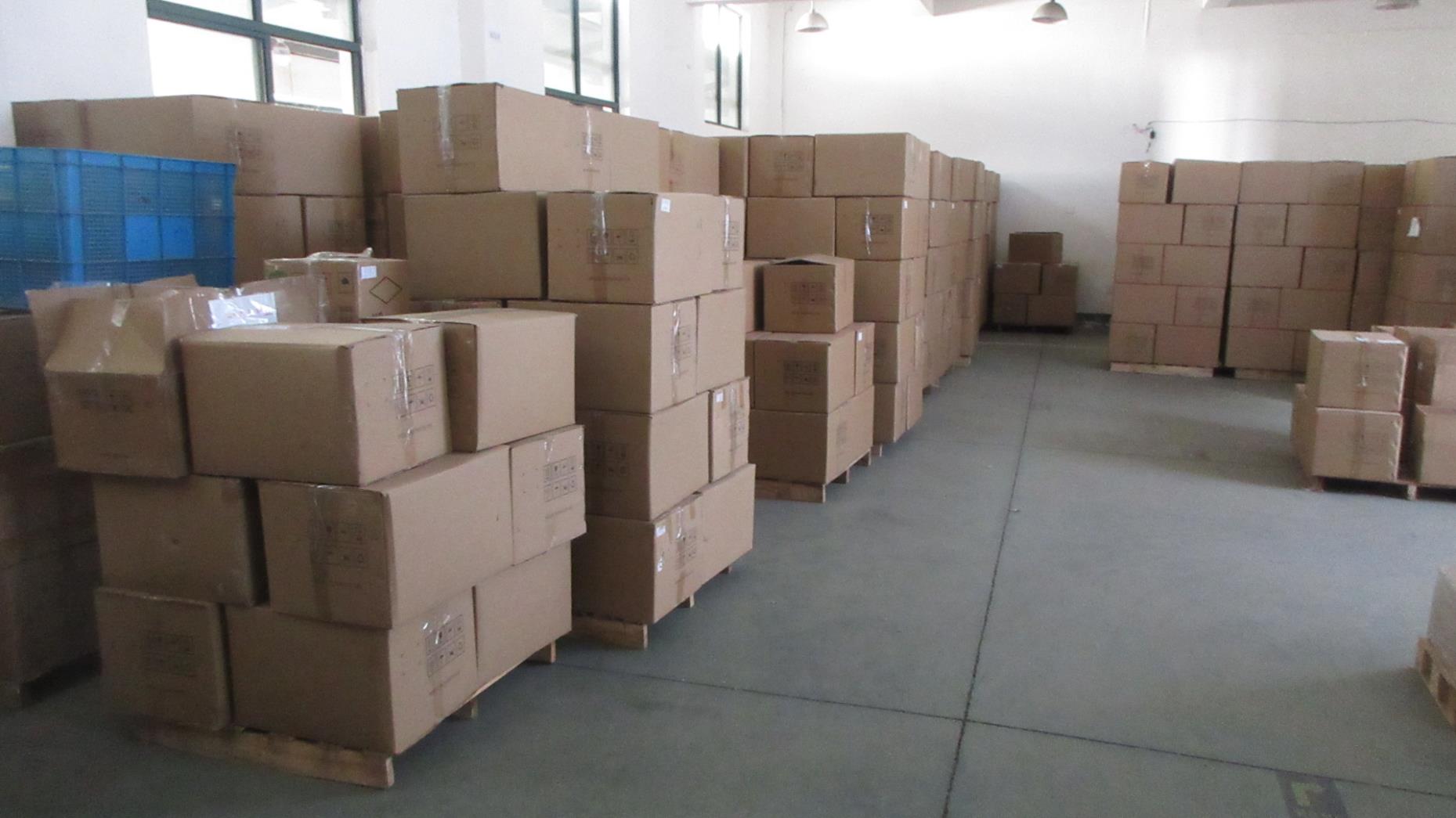
Since entering the international market, Memvora has accumulated 7 years of export experience, serving customers across North America, Europe, Southeast Asia, the Middle East, and South America. Our annual export revenue exceeds US$18.6 million, supported by a strong global supply chain and long-term partnerships with more than 1,280 component suppliers and business partners. This broad ecosystem guarantees immediate component availability for all custom projects.
With 14 years of industry experience, our team continuously invests in technology innovation and product development. Our R&D department consists of 126 professional engineers who focus on developing next-generation hardware solutions with higher efficiency, lower latency, and enhanced reliability. Last year alone, we successfully launched 86 new products, adapting to the evolving needs of advanced gaming, AI computing, industrial automation, and biological sterilization control.
Quality is the foundation of everything we do. Every product undergoes 100% functional testing, burn-in testing, compatibility testing, signal integrity testing, and aging tests before shipment. Our dedicated quality control team of 42 inspectors ensures every electronic card and UVC module assembly meets rigorous international quality standards and delivers long-term stable performance.
Memvora provides flexible OEM, ODM, private label, custom capacity, PCB color, heat spreader design, firmware optimization, and packaging customization services to meet different market requirements. Backed by a responsive engineering team and efficient production management, we help customers shorten development cycles and accelerate product launches.
How UVC disinfection modules are custom-configured to meet structural and regulatory requirements in localized environments.
For office buildings and logistics hubs in North America and Europe, we engineer high-flow UVC modules designed for installation in air ducts. By utilizing high-intensity AlGaN LED arrays and customized cooling fins, these modules continuously sterilize airborne viruses and mold spores at air velocities up to 5 m/s without generating harmful ozone.
Designed for residential reverse osmosis systems and commercial dispensers, our modules feature direct-flow quartz tubes with reflective inner walls. They deliver a 40 mJ/cm² germicidal dose, ensuring 99.99% disinfection of waterborne pathogens at flow rates up to 5 LPM, complying with NSF/ANSI 55 standards.
Engineered for medical equipment, ATMs, and mass transit terminals, these compact surface sterilization modules project targeted beams. Equipped with smart motion sensors and proximity control circuits, they sanitize contact surfaces immediately after use, preventing pathogen transmission in public areas.
Our commitment to international standards, rigorous validation processes, and global safety certifications.
For international procurement managers, compliance is critical. Industrial UVC modules are subject to strict regulations globally. In the United States, manufacturers must register their facilities with the EPA, and products must meet optical and electrical safety standards under UL 8802 (standard for UV germicidal equipment). In Europe, CE marking and RoHS compliance are mandatory to prove the absence of hazardous substances like mercury or lead in electronic assemblies.
Our QA laboratories use high-precision tools, including integrating spheres and spectroradiometers calibrated to NIST standards, to measure absolute radiant flux. This ensures the output power specifications match the values in our documentation, eliminating concerns about counterfeit components or overstated sterilization rates.
Furthermore, our modules undergo testing in third-party microbiology labs. We test them against target organisms like *Escherichia coli*, *Staphylococcus aureus*, and bacteriophages to verify log-reduction calculations. Our engineering division compiles comprehensive technical files, covering thermal simulation reports, SMT component trace maps, and photobiological safety audits under IEC 62471. This documentation enables smooth import customs clearance and accelerates end-product certification for our clients.
Expert answers addressing the thermal, optical, electrical, and commercial questions raised by international procurement managers.
We mount high-power UVC LEDs on high-conductivity Metal-Core PCBs (MCPCBs) with copper substrates (thermal conductivity up to 380 W/m·K) and match them with custom copper fins or active cooling systems. This keeps junction temperatures below 65°C under continuous operation, maintaining optical output and extending the module's lifetime.
Yes, we provide customizable optical configurations. Depending on your target application (air, water, or surface), we select chips in the 265nm to 275nm range for maximum germicidal efficiency. We also design quartz lenses with beam angles of 30°, 60°, or 120° to match your target area's footprint.
For European markets, CE, RoHS, and REACH certifications are required. In North America, the manufacturing facility must have an EPA Establishment Registration Number. The finished module must also meet FCC Part 15 electromagnetic compatibility standards and be ready for UL 8802/UL 1598 safety testing during system integration.
UVC radiation degrades standard epoxy resins and organic coatings. We use inorganic solder masks, gold-plated surface finishes (ENIG), and UVC-resistant silicon protective coatings to protect the control circuit and trace lines on the PCBA from degradation over long-term exposure.
Once electrical parameters, mechanical dimensions, and optical requirements are finalized, we can deliver functional prototypes within 7 to 14 working days. This fast turnaround is supported by our in-house SMT assembly lines and rapid PCB tooling capabilities.
Explore our catalog of double-sided boards, high-sensitivity PCBA, cooling fans, and server memory modules built for heavy-duty industrial systems.
 Memvora