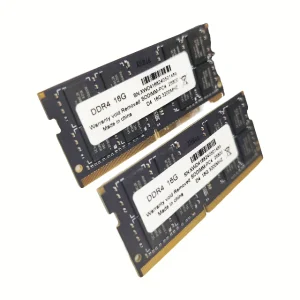
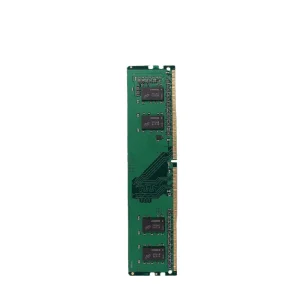
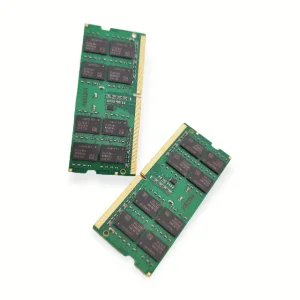
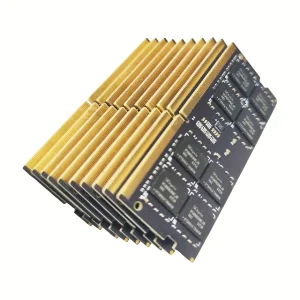
Premium electrical protection infrastructure components, microcontrollers, control system memory boards, and server modules optimized for power grid automation.
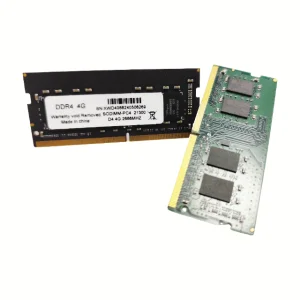
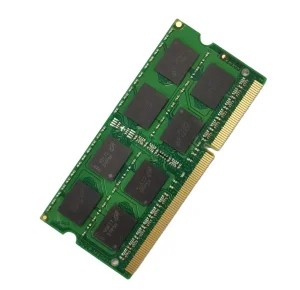
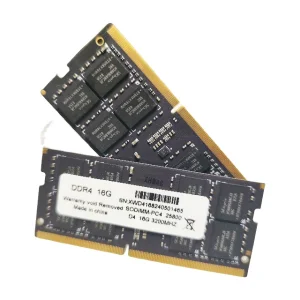
An authoritative analytical overview of the macro power distribution protection sector, market dynamics, and global safety standards integration.
In modern electrical systems, the global industrial circuit breaker market represents a critical line of defense for critical infrastructure, manufacturing plants, and datacenters. With the rapid electrification of heavy industries and the incorporation of renewable power networks, the requirement for robust CE Certified Circuit Breakers has expanded exponentially. CE Certification indicates compliance with essential European safety directives, ensuring that exporters adhere to stringent manufacturing tolerances, electro-magnetic compatibility (EMC), and operational durability under extreme thermal loads.
Historically, circuit breakers operated on purely thermomagnetic mechanics. However, the rise of industrial smart grids has mandated the integration of micro-processing units within the switchgear itself. These modern circuit breakers monitor waveforms in real-time, record energy consumption, and communicate fault diagnostics over IoT networks. Consequently, the reliability of a circuit breaker is increasingly determined by the stability of its internal digital control systems—such as high-speed processing boards, low-latency RAM modules, and thermal dissipation systems—bridging the gap between electrical engineering and high-end hardware manufacturing.
As traditional power distribution networks transform into two-way smart grids, switchgear components must adapt to variable renewable currents. This requires fast-acting digital circuit breakers with embedded processor controls.
Mission-critical operations require zero-downtime solutions. Certified Air Circuit Breakers (ACBs) and Molded Case Circuit Breakers (MCCBs) provide granular fault-isolation capabilities to safeguard servers from localized current surges.
Mining, chemical processing, and metal refining operations experience extreme starting currents. Sturdy, vibration-resistant breakers prevent costly false trips while ensuring absolute protection when short circuits occur.
How microelectronics, predictive algorithms, and thermal efficiency are defining the future of smart electrical protection.
The paradigm of circuit breaker manufacturing is undergoing a dramatic shift. Leading global manufacturers and exporters are moving beyond basic compliance towards integrated smart diagnostics. By installing dedicated microcontrollers and high-performance memory buffers directly into industrial switchgear, real-time waveform monitoring is now standard. In the event of a fault, the circuit breaker’s internal system archives localized diagnostic logs, which can be analyzed later to identify structural failure patterns.
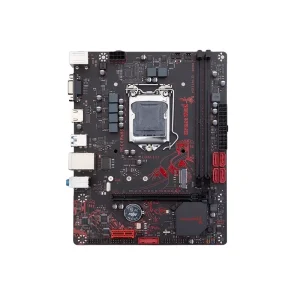
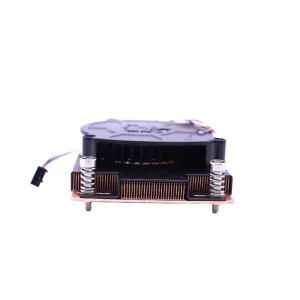
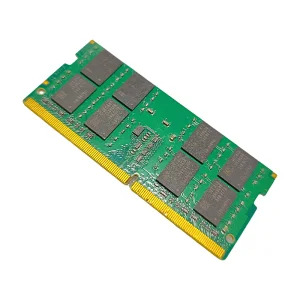
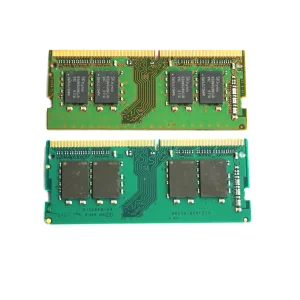
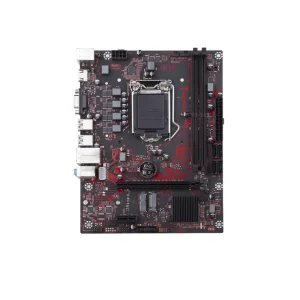
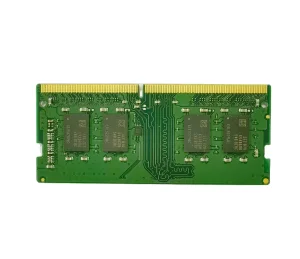
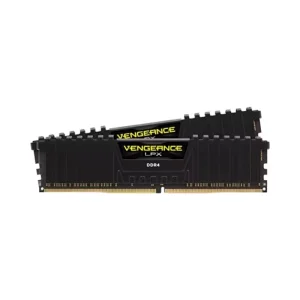
Furthermore, thermal management has become a crucial engineering vector. As circuit breakers handle high current levels in confined enclosures, the heat generated by the copper contacts and internal electronics must be mitigated. Utilizing custom-engineered copper-aluminum heat sinks and highly heat-resistant PCB components prevents component degradation, ensuring that the control system operates within safe thermal limits. This intersection of high-density computing components (like DDR4/DDR5 system memory, custom PCBA boards, and heat sink assemblies) is now a central pillar in high-reliability circuit breaker design.
| Feature Category | Legacy Systems | Smart CE-Certified Breakers | Impact on Industrial Operators |
|---|---|---|---|
| Tripping Mechanism | Bi-metallic strip & magnetic coil | Microprocessor control with adjustable trip curves | Precision configuration, preventing premature wear and false trips. |
| Telemetry & Logs | None | Real-time current/voltage logs stored in DRAM buffers | Facilitates proactive predictive maintenance and root-cause analysis. |
| Thermal Control | Passive convective airflow | Copper bottom cooling elements & optimized heat sinks | Maintains structural integrity and lifespan in compact switchboards. |
| Communication Protocols | Hardwired trip indicators | Modbus, Ethernet/IP, and cloud-connected IoT interfaces | Seamless integration with SCADA systems for remote control. |
Analyzing the application of certified breakers in various global environments, from high-altitude solar farms to marine control cabinets.
DC circuit breakers must handle extreme fluctuating voltages and high ambient temperatures. Integrating dedicated temperature sensors and high-performance processing modules ensures consistent tripping times even in remote, unconditioned outdoor desert substations.
Industrial robotic arms draw large, rapid pulse currents. Smart MCCBs with customizable electronic trip units distinguish between normal motor startup spikes and genuine overload conditions, preserving manufacturing efficiency without compromising system safety.
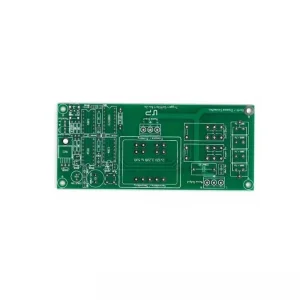
High relative humidity and saline environments cause corrosion and electrical tracking. Using high-grade FR4 double-sided PCB assemblies with conformal coating and robust heat sinks prevents electrical leakage and structural degradation in marine switchgear.
The long-term development of solid-state relays, hybrid breakers, and high-performance embedded diagnostic processors.
The ultimate goal of modern electrical switchgear R&D is to reduce arc duration. In typical air or vacuum circuit breakers, mechanical separation of contacts generates an electric arc that can exceed 5,000°C. Solid-state circuit breakers (SSCBs) represent the next stage of evolution, offering near-instantaneous tripping times measured in microseconds rather than milliseconds.
Because SSCBs utilize semiconductors rather than mechanical contacts, they generate significant heat during continuous operation. As a result, advanced power semiconductor cooling, heavy-duty copper backing, and high-efficiency thermal interfaces are crucial design elements. Modern engineering methodologies utilize multi-core computing modules to execute complex algorithmic operations at the edge, dynamically predicting short circuits based on voltage degradation waves. This synthesis of high-level industrial design and robust digital hardware ensures maximum network protection.
By integrating high-speed DRAM modules (DDR4/DDR5) and multi-layered FR4 control systems directly into smart power hubs, we enable real-time grid simulation directly at the node. Operators can simulate various fault scenarios remotely, allowing for immediate firmware updates and custom trip logic configuration without physical interventions.
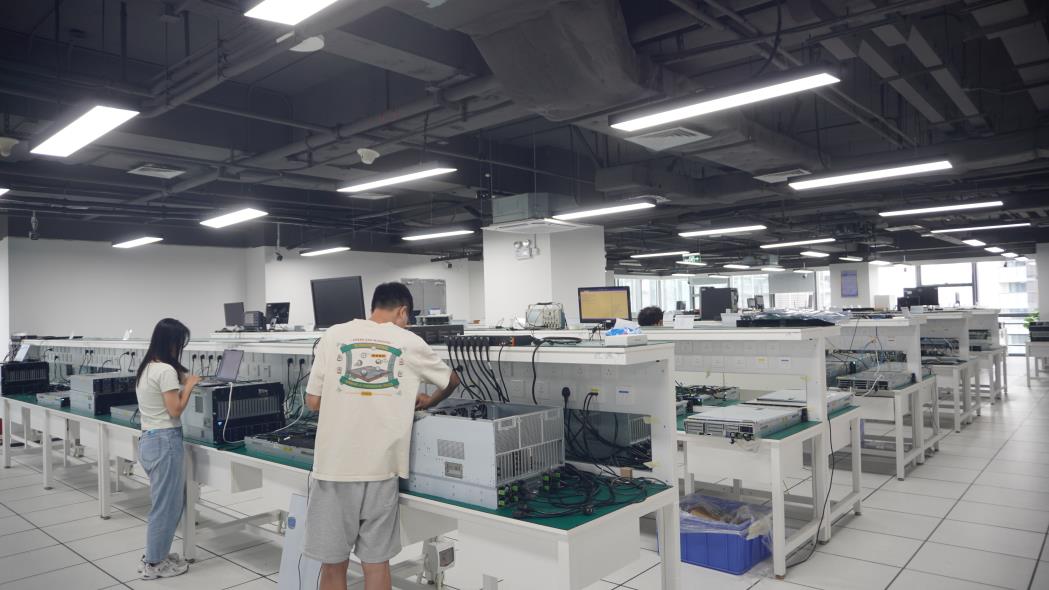
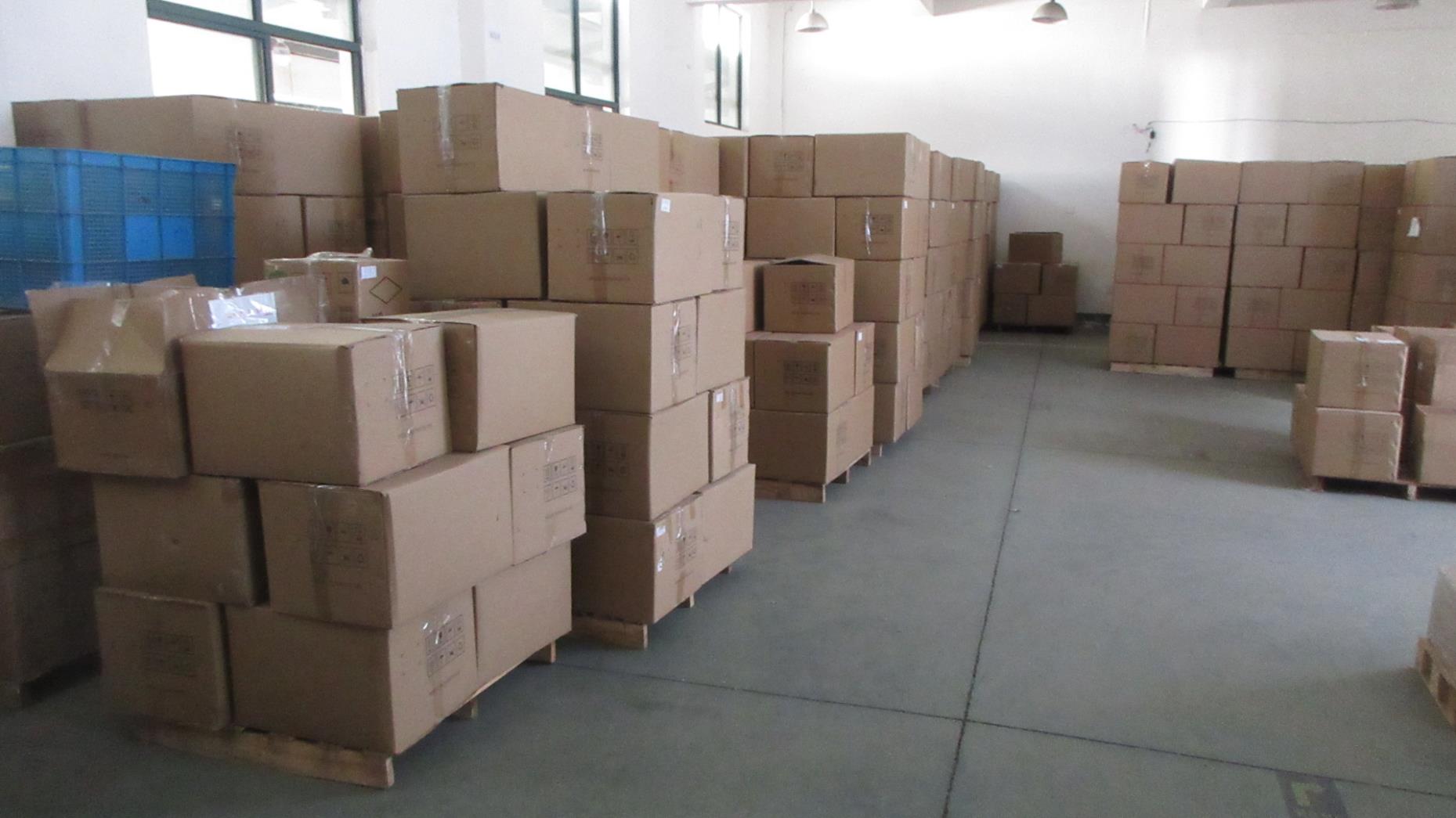
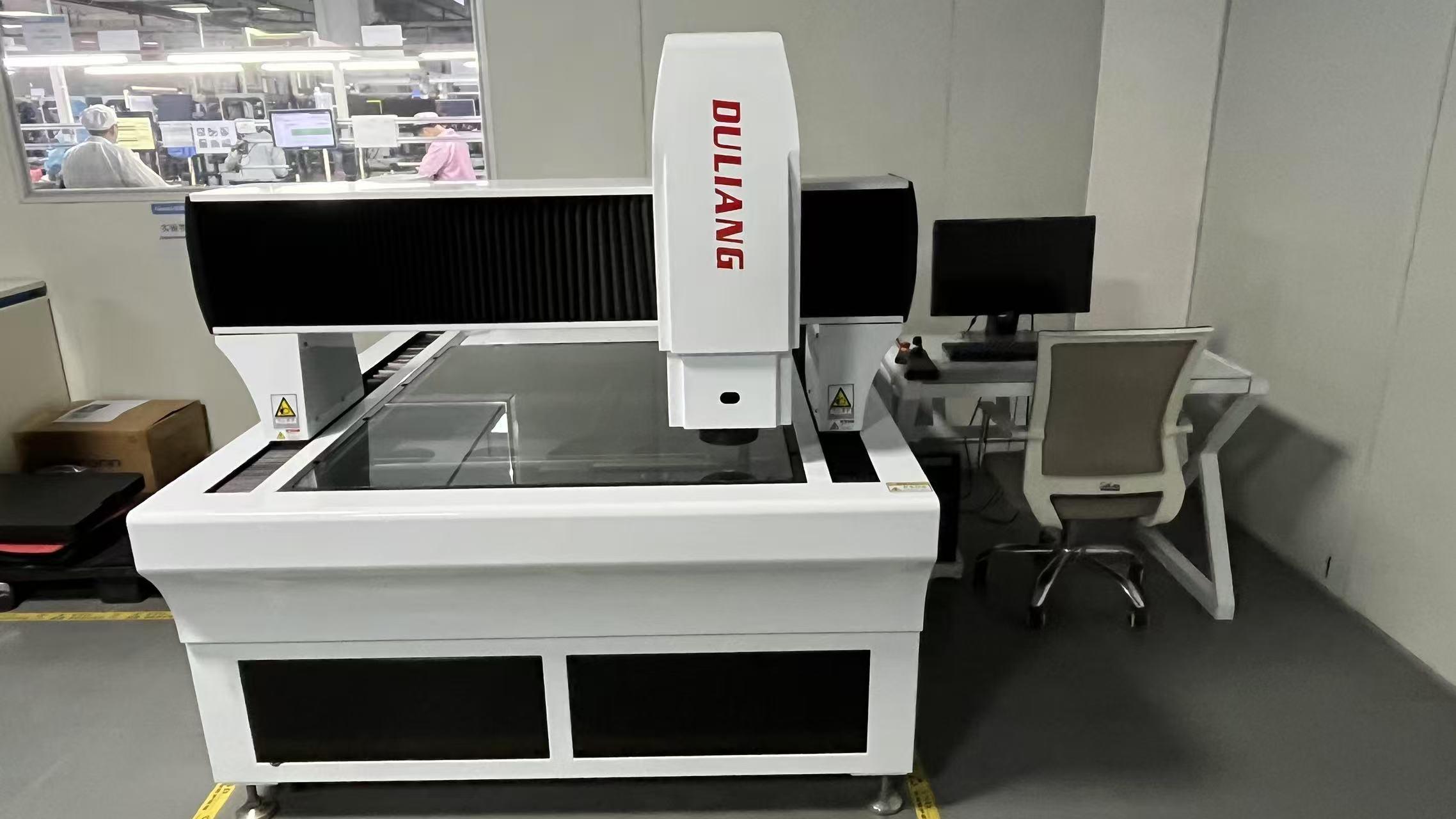
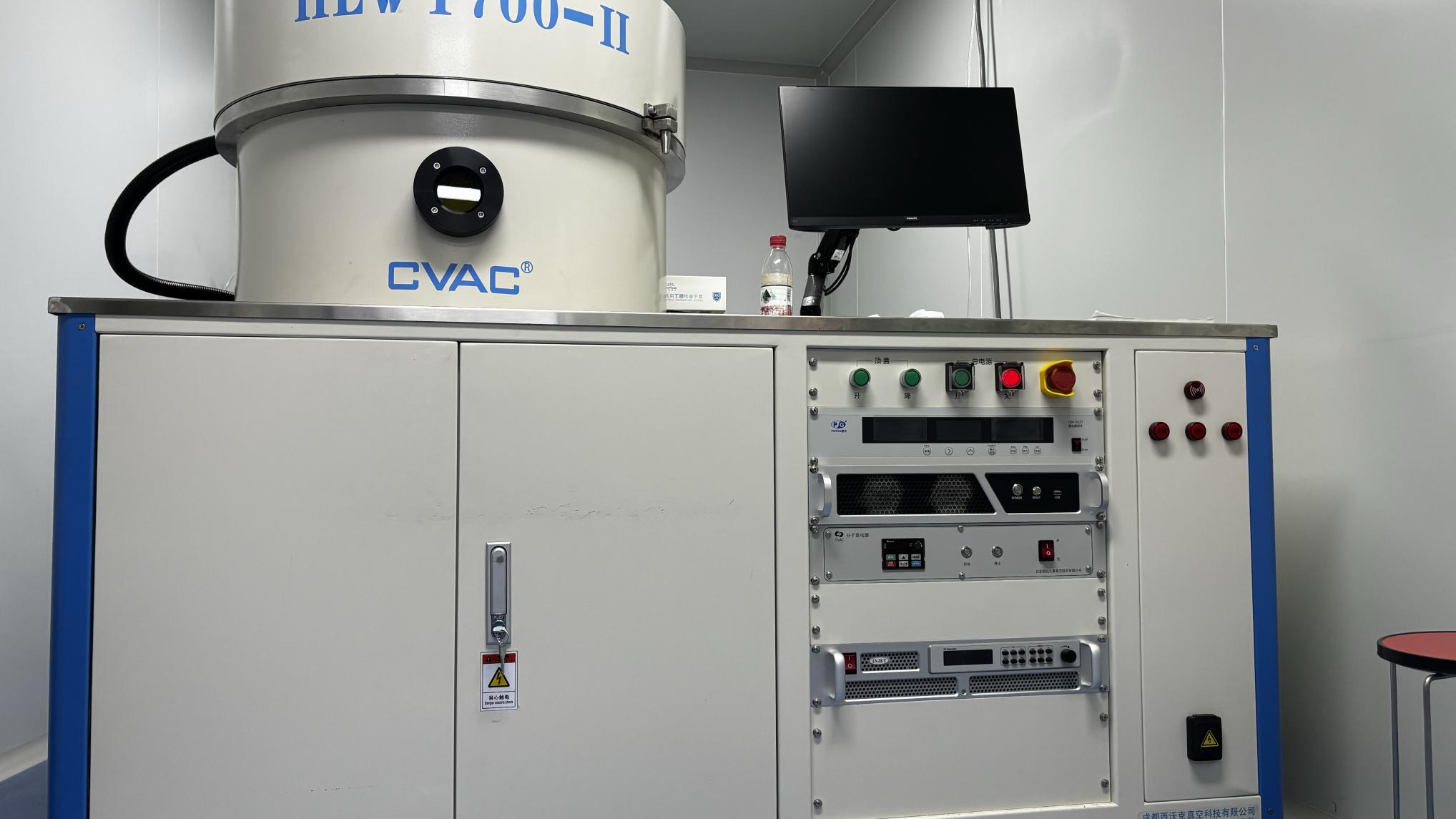
Founded in 2017, Memvora Electronics Technology Co., Ltd. is a professional manufacturer specializing in high-performance DDR5 memory modules, dedicated to delivering reliable memory solutions for consumer, industrial, enterprise, and embedded applications worldwide. With a modern manufacturing facility covering 386㎡, we combine advanced production equipment, strict quality management, and experienced engineering expertise to provide stable, high-speed memory products for global OEM and ODM partners.
Since entering the international market, Memvora has accumulated 7 years of export experience, serving customers across North America, Europe, Southeast Asia, the Middle East, and South America. Our annual export revenue exceeds US$18.6 million, supported by a strong global supply chain and long-term partnerships with more than 1,280 component suppliers and business partners.
With 14 years of industry experience, our team continuously invests in technology innovation and product development. Our R&D department consists of 126 professional engineers who focus on developing next-generation DDR5 memory solutions with higher speed, lower latency, and enhanced reliability. Last year alone, we successfully launched 86 new memory products to meet the evolving needs of gaming, AI computing, industrial automation, and enterprise servers.
Quality is the foundation of everything we do. Every product undergoes 100% functional testing, burn-in testing, compatibility testing, signal integrity testing, and aging tests before shipment. Our dedicated quality control team of 42 inspectors ensures every memory module meets rigorous international quality standards and delivers long-term stable performance.
Memvora provides flexible OEM, ODM, private label, custom capacity, PCB color, heat spreader design, firmware optimization, and packaging customization services to meet different market requirements. Backed by a responsive engineering team and efficient production management, we help customers shorten development cycles and accelerate product launches.
Today, Memvora serves a diverse customer base including memory brands, computer manufacturers, industrial equipment suppliers, system integrators, distributors, wholesalers, and e-commerce retailers. Through continuous innovation, reliable quality, and customer-focused service, we are committed to becoming a trusted global partner for advanced DDR5 memory manufacturing and customized DRAM solutions.
Customizable technical pathways designed to reduce operational latency and streamline integration workflows.
Our integrated software-hardware circuit control nodes communicate via IEC 61850. With rapid bus fault diagnostic processing speeds, local switches react within 2ms of overcurrent occurrences, preventing cascade failures across adjacent lines.
By combining high-density custom motherboard configurations and ultra-efficient cooling hardware, our static transfer systems operate stably in ambient environment temps up to 55°C without current derating.
We offer full bespoke engineering customization: from board dimensions and layer count to firmware parameters, safety limits, and custom dynamic thermal solutions designed for high-stress electrical cabinets.
Authoritative answers on CE compliance, circuit protection metrics, and smart electronics integration.
For commercial and industrial installations, a circuit breaker must comply with the Low Voltage Directive (LVD) 2014/35/EU and the Electro-Magnetic Compatibility (EMC) Directive 2014/30/EU. The relevant testing standards are typically EN 60947-2 (for industrial circuit breakers) and EN 60898-1 (for residential applications). These standards enforce specific trip limits, short-circuit breaking capacities, and electromagnetic disturbance parameters.
Electrical resistance at connection terminals and bi-metallic elements naturally generates thermal energy. If heat is not dissipated, the ambient temperature inside the enclosure rises, leading to thermal derating of the breaker. This causes premature tipping at current levels lower than the rated threshold. Using integrated copper-bottom heat sinks and conductive cooling modules helps maintain stable operations.
Modern smart breakers contain microcontroller boards that read parameters like current, voltage, and phase angles. Real-time diagnostic logs require low-latency RAM (such as DDR4 or DDR5) to temporarily store high-frequency data waves. In case of a major electrical failure, this telemetry is immediately saved to non-volatile memory for later forensic safety audits.
Icu (Ultimate Short-Circuit Breaking Capacity) represents the maximum current level a breaker can safely interrupt without causing catastrophic failure. Ics (Service Short-Circuit Breaking Capacity) is the maximum fault level a circuit breaker can successfully handle and continue to operate normally without internal degradation. Exporters typically list Ics as a percentage of Icu (e.g., Ics = 100% Icu).
Yes, we provide flexible OEM, ODM, private label, and custom capacity manufacturing. This includes custom PCB layout design, copper-thickness adjustments, firmware optimization for custom trip curves, and specialized cooling configurations to suit various electrical enclosures.
Discover our comprehensive collection of server modules, high-frequency RAM cards, and thermal systems built for stable electrical infrastructure.
 Memvora