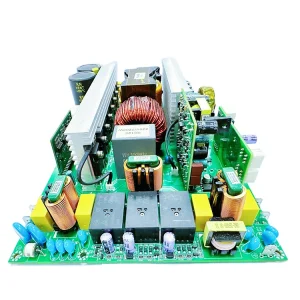
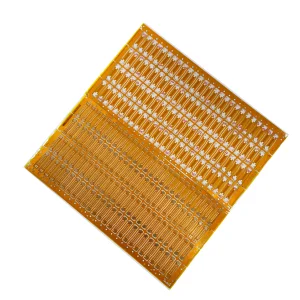
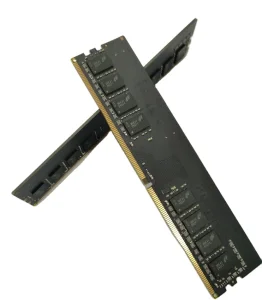
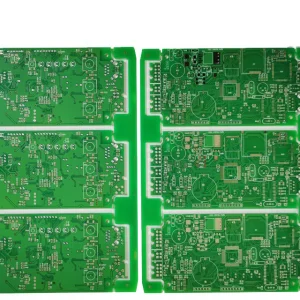
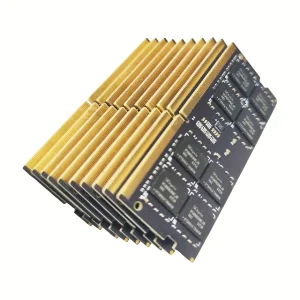
Our premier selection of high-frequency multilayer substrates, impedance-controlled Rogers PCBs, and custom computing modules designed to support Seoul’s core electronics and telecommunication industries.
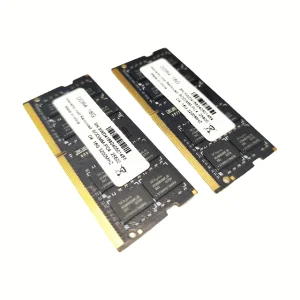
Seoul is not just the capital of South Korea; it is one of the most advanced digital technology capitals in the world. As a powerhouse driving the Fourth Industrial Revolution, Seoul and its surrounding municipal areas—including the Guro/Gasan Digital Complex (G-Valley), Pangyo Techno Valley, and the broader Incheon-Gyeonggi industrial corridor—host global leaders in 5G telecommunications, aerospace systems, automotive ADAS (Advanced Driver Assistance Systems), and AI-driven consumer electronics.
The core technology fueling these domains operates at high frequencies, often exceeding 10 GHz and reaching into the millimeter-wave (mmWave) spectrum. Standard FR4 glass-epoxy laminates fail at these frequencies due to high signal attenuation and fluctuating dielectric properties. Consequently, research institutes and tech manufacturing firms across Seoul are heavily dependent on premium High-Frequency PCBs manufactured from materials like Rogers laminates. Rogers materials, composed of ceramic-filled PTFE or hydrocarbon-based thermoset materials, offer the exceptional electrical stability, low dissipation factors, and thermal resilience required to sustain long-range, high-data-rate signals.
In applications such as 77-81 GHz automotive radar, 28 GHz 5G base stations, and low-earth-orbit (LEO) satellite receivers, the dielectric constant (Dk) must remain stable within a tight tolerance of ±0.05. Rogers RO4350B, RO4003C, and RT/duroid series have become the industry standard. Partnering with a reliable factory capable of delivering rapid Rogers prototyping and scale production is vital to shortening the time-to-market for Seoul's technological innovators.
Furthermore, local electronics designers in Yeouido and Gangnam demand localized support that bridges the gap between high-level RF engineering designs and cost-efficient physical manufacturing. This has opened a direct channel for highly integrated, state-of-the-art Chinese PCB factories to supply the Seoul marketplace with high-quality, high-speed, and cost-effective Rogers PCB fabrications.
To design reliable circuits for Seoul's aerospace and high-frequency communication projects, engineers must choose the appropriate Rogers material based on thermal conductivity, outgassing properties, dissipation factor (Df), and dielectric constant (Dk).
| Material Series | Dielectric Constant (Dk @10GHz) | Dissipation Factor (Df @10GHz) | Thermal Conductivity (W/m/K) | Primary Industrial Application |
|---|---|---|---|---|
| Rogers RO4003C | 3.38 ± 0.05 | 0.0027 | 0.71 | RF Base Stations, LNBs, Microstrip Antennas |
| Rogers RO4350B | 3.48 ± 0.05 | 0.0037 | 0.62 | 5G mmWave Power Amplifiers, Automotive Radar |
| Rogers RO3003 | 3.00 ± 0.04 | 0.0010 | 0.50 | 77 GHz ADAS, Satellite Comm, Advanced RF Modules |
| RT/duroid 5880 | 2.20 ± 0.02 | 0.0009 | 0.20 | Military Electronics, Aerospace, Airborne Radars |
While Rogers RO4350B and RO4003C offer rigid, glass-reinforced hydrocarbon structures that process similarly to standard FR-4 (making them highly cost-effective for multi-layer hybrid stackups), PTFE-based materials like the RT/duroid series require specialized sodium-naphthalene or plasma treatment before electroless copper deposition. Our China-based state-of-the-art facilities possess the dedicated plasma etching chambers and precision CNC routing equipment required to guarantee clean mechanical routing and high-yield multilayer registration for these complex substrates.
Building high-frequency PCBs is only half the battle; maintaining a reliable, resilient, and responsive supply chain is what ensures project success. Local fabs in Seoul often face long lead times for raw Rogers laminates and charge premium pricing for specialized hybrid multilayer fabrication. By sourcing Rogers PCBs from our manufacturing plants in China, Seoul-based electronics businesses unlock distinct competitive advantages:
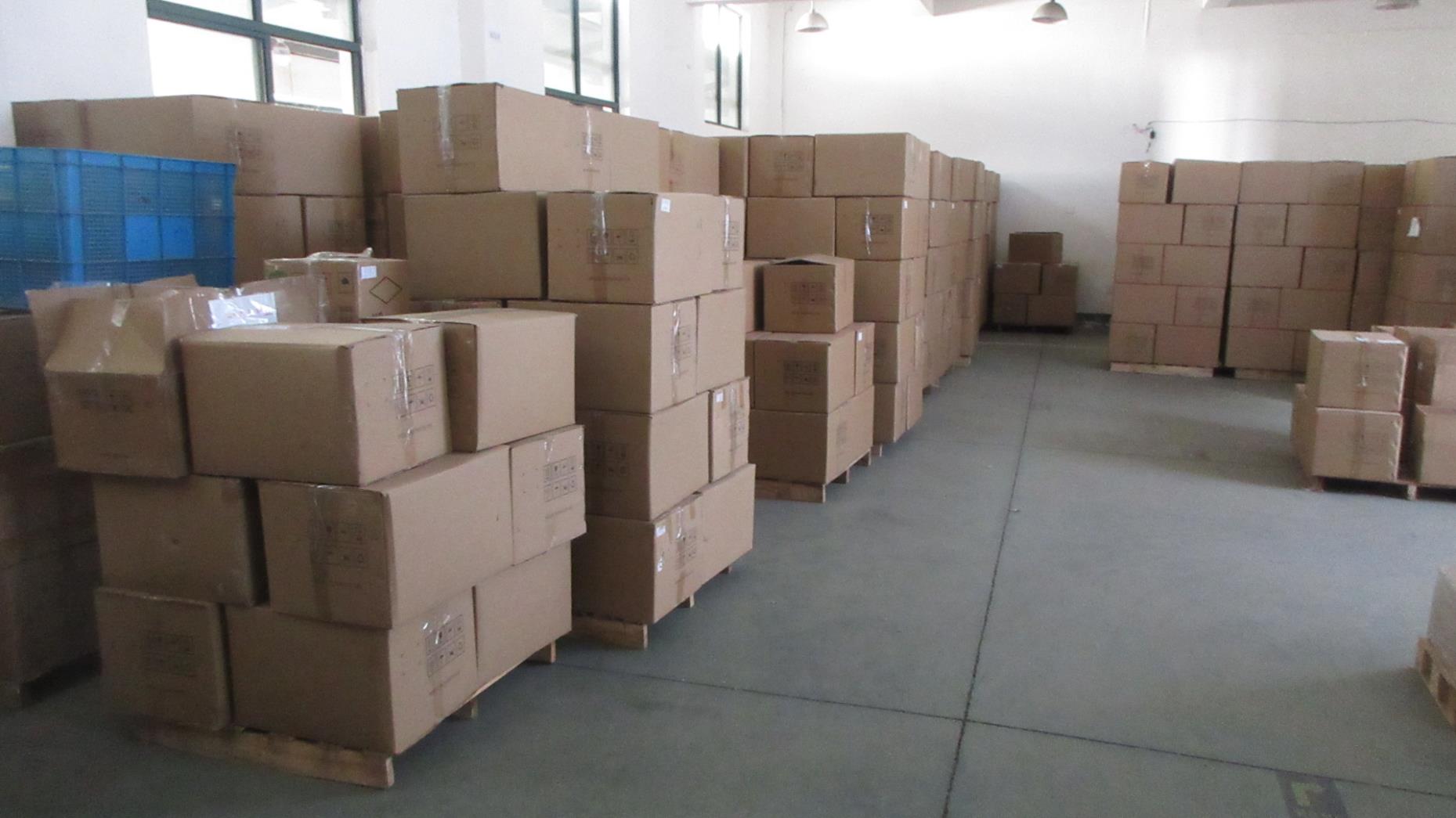
Founded in 2017, Memvora Electronics Technology Co., Ltd. is a professional manufacturer specializing in high-performance electronics manufacturing, high-density PCBs, and custom assemblies, dedicated to delivering reliable hardware solutions for consumer, industrial, enterprise, and embedded applications worldwide. With a modern manufacturing facility covering 386㎡, we combine advanced production equipment, strict quality management, and experienced engineering expertise to provide stable, high-speed hardware products for global OEM and ODM partners.
Since entering the international market, Memvora has accumulated 7 years of export experience, serving customers across North America, Europe, Southeast Asia, the Middle East, and South America. Our annual export revenue exceeds US$18.6 million, supported by a strong global supply chain and long-term partnerships with more than 1,280 component suppliers and business partners.
With 14 years of industry experience, our team continuously invests in technology innovation and product development. Our R&D department consists of 126 professional engineers who focus on developing next-generation memory, high-speed routing, and high-frequency RF solutions with higher speed, lower latency, and enhanced reliability. Last year alone, we successfully launched 86 new high-tech electronic products to meet the evolving needs of gaming, AI computing, industrial automation, and enterprise servers.
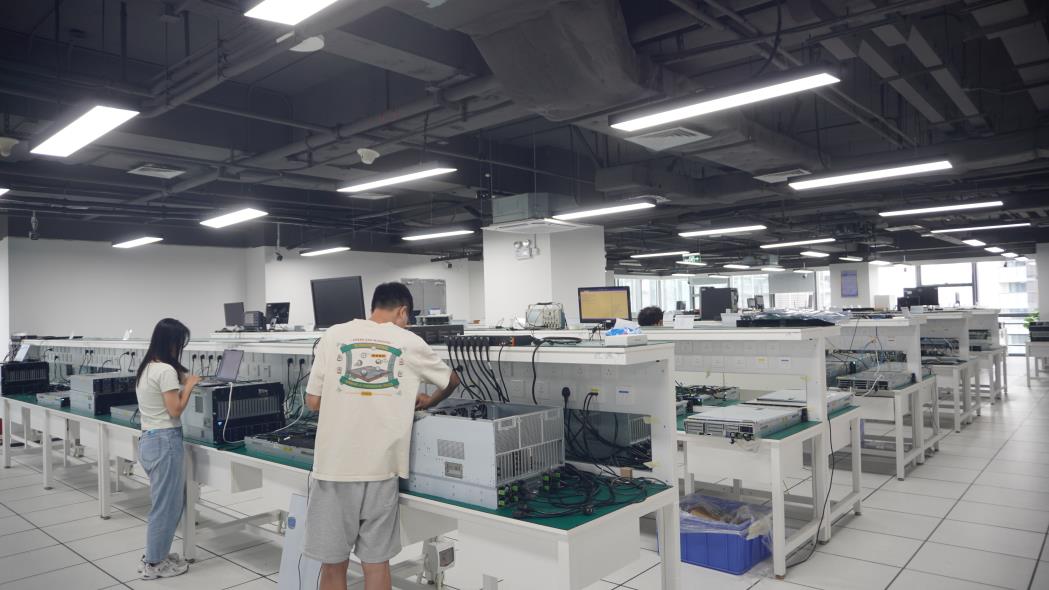
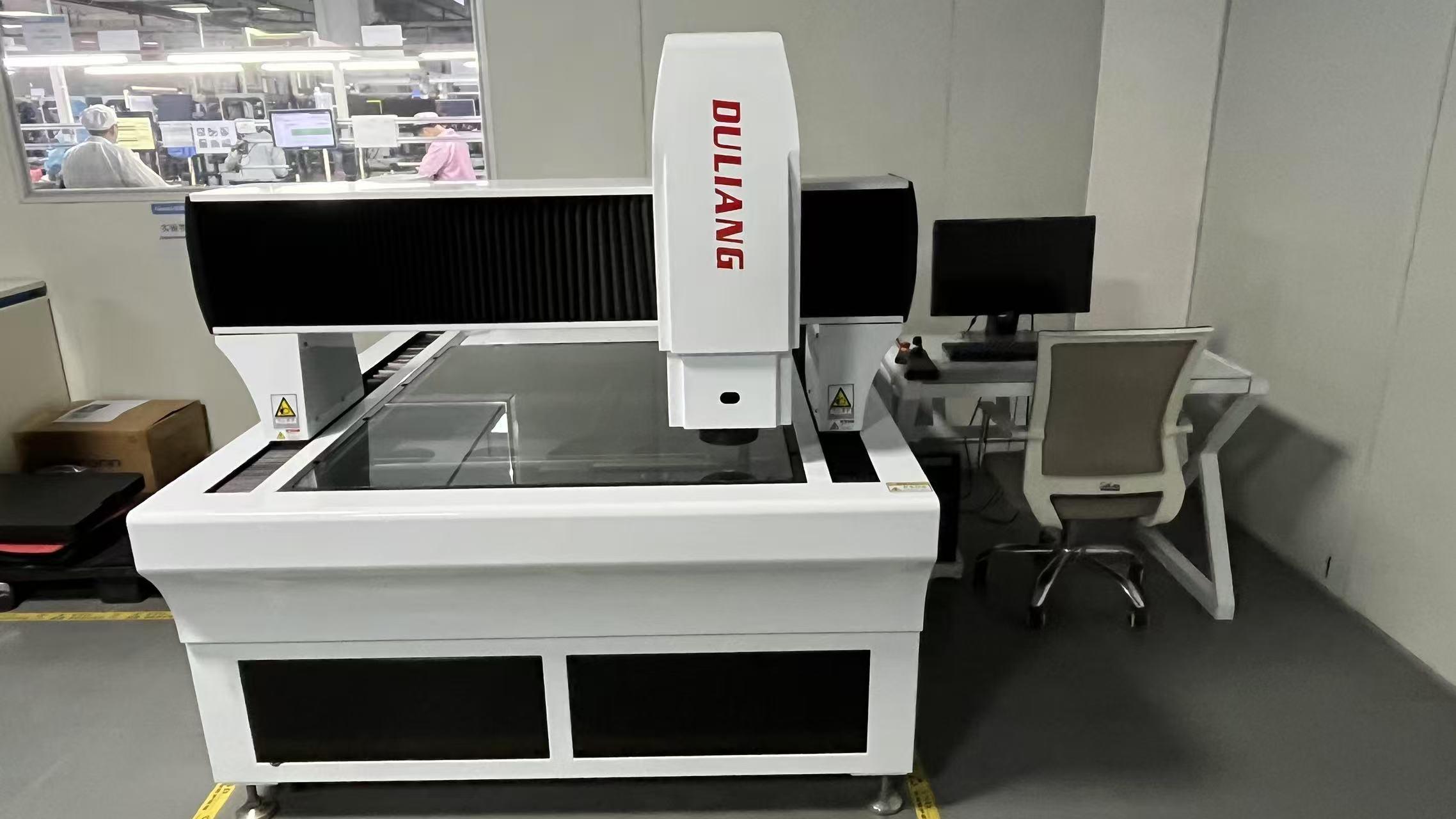
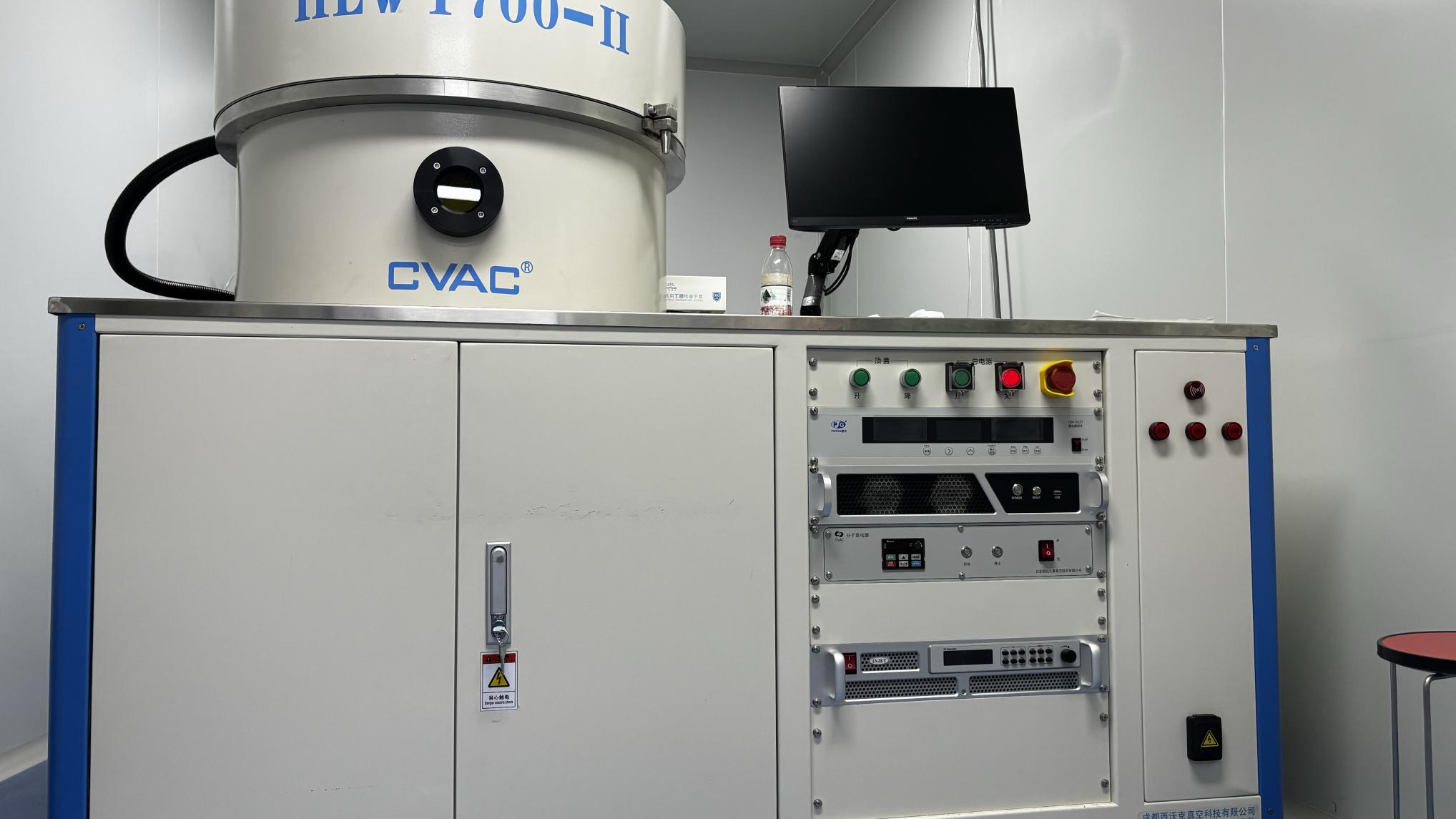
Quality is the foundation of everything we do. Every product undergoes 100% functional testing, burn-in testing, compatibility testing, signal integrity testing, and aging tests before shipment. Our dedicated quality control team of 42 inspectors ensures every memory module and high-frequency Rogers PCB board meets rigorous international quality standards and delivers long-term stable performance.
Memvora provides flexible OEM, ODM, private label, custom capacity, PCB color, heat spreader design, firmware optimization, and packaging customization services to meet different market requirements. Backed by a responsive engineering team and efficient production management, we help customers shorten development cycles and accelerate product launches.
Today, Memvora serves a diverse customer base including memory brands, computer manufacturers, industrial equipment suppliers, system integrators, distributors, wholesalers, and e-commerce retailers. Through continuous innovation, reliable quality, and customer-focused service, we are committed to becoming a trusted global partner for advanced DDR5 memory manufacturing and customized DRAM solutions.
Entering the South Korean high-tech sector requires adhering to strict regulatory protocols and manufacturing standards. Electronics deployed in public networks, telecom centers, or automotive systems in Seoul must comply with global and domestic standards. As an exporter to the region, we ensure all fabrications align with these requirements:
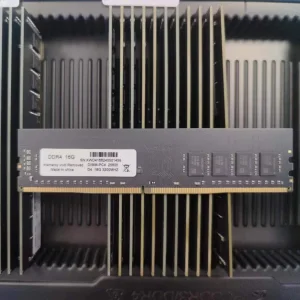
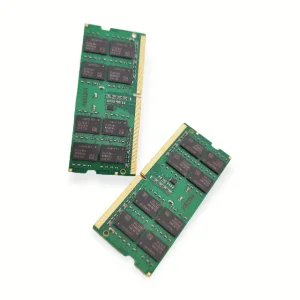
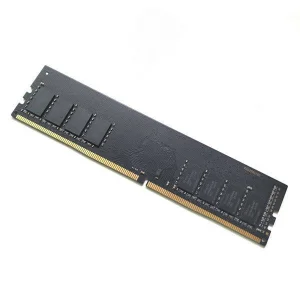
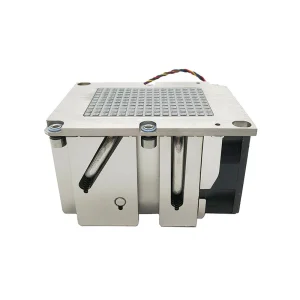
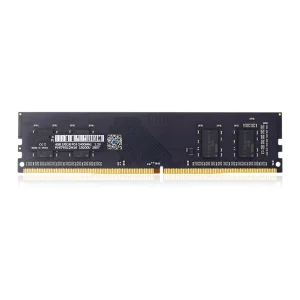
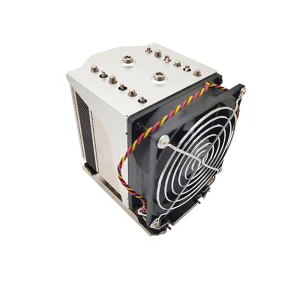
Browse our complete list of high-speed memory modules, computer hardware components, server thermal management kits, and specialized PCB fabrications, all compatible with industrial standards in Seoul, South Korea.
 Memvora