Optimized hardware architectures designed to satisfy local machinery, smart grid, and commercial computing infrastructures across Turkey.
Istanbul stands as the uncontested industrial heartbeat of Eurasia, bridging European regulatory rigor with Asian manufacturing agility. Across its massive Organized Industrial Zones (OSBs) such as İkitelli OSB, Dudullu OSB, and the heavy manufacturing centers in Tuzla and Hadımköy, there is a rapidly accelerating demand for high-reliability electronics. The Turkish manufacturing sector is transitioning toward Industry 4.0 automation, smart grids, advanced IoT, and next-generation automotive electronics.
Historically reliant on component assembly imports, Turkish businesses are seeking direct partnerships with elite foreign Printed Circuit Board Assembly (PCBA) manufacturers. The reason is simple: global competitiveness. By integrating high-density PCB designs, robust thermal management, and reliable electronics, Turkish OEMs in domestic appliances (such as the Vestel and Arçelik hubs), automotive parts, and defense systems are capturing substantial market share in the European Union and the Middle East.
With Turkey investing heavily in renewable energy and electric vehicles (such as the TOGG ecosystem), Istanbul-based designers are prioritizing high-voltage, high-efficiency PCB assemblies. High-current driver boards, smart power management modules, and heavy-duty inverters require exceptional copper thickness (up to 4oz or more) and composite heat-dissipation techniques to withstand continuous load in harsh environments.
For PCBA exporters, navigating the specific demands of the Istanbul market requires an understanding of local business dynamics. This includes meeting European standard equivalents (CE, RoHS), ensuring smooth logistics through the Turkish Customs Administration, and presenting products that reduce downtime in critical industrial processes. Proximity to major ports like Ambarlı and the Istanbul Airport hub demands streamlined supply chain coordination, fast prototypes, and predictable delivery timetables.
Procuring custom electronics for complex machinery and networks requires balancing three pillars: component traceability, compliance validation, and logistical efficiency. Istanbul businesses operate within the EU-Turkey Customs Union, which dictates that products entering Turkey must adhere to strict safety, environmental, and engineering standards. A professional exporter must understand these protocols inside out.
A primary bottleneck in modern electronics assembly is supply chain volatility. An elite exporter combats this through strong partnerships with leading semiconductor and passives distributors worldwide. For Istanbul clients, this translates to:
Exporters must leverage the EU-Turkey Customs Union framework. For electronic assemblies, generating the correct documentation (including the A.TR Movement Certificate where applicable, complete HS Code declarations under Chapter 85, and compliance with the Turkish Standards Institution - TSE regulations) ensures that shipments bypass lengthy customs holds. Reliable suppliers package all documentation cleanly, providing full transparency on trace material content and RoHS verification.
Modern applications demand specialized board topologies. We construct tailored assemblies that satisfy these performance criteria:
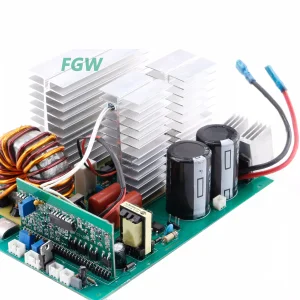
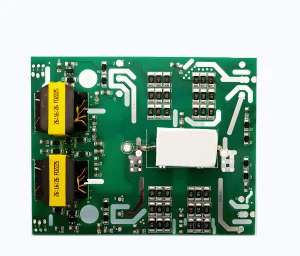
Heavy-duty driver boards for industrial welding machines, variable frequency drives (VFD), and motor controllers. Features thick copper layers, conformal coating, and strict creepage spacing.
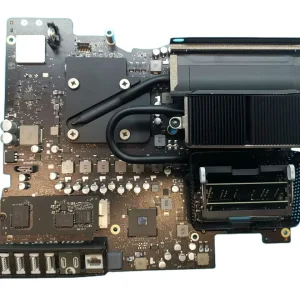
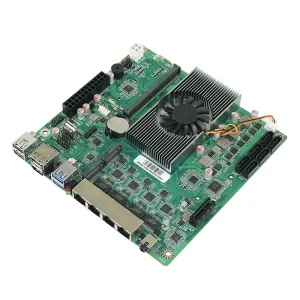
High-frequency signal integrity, multi-layer impedance-controlled PCBs for server architectures, high-speed DDR5 routing, and network routers running 2.5G/10G Ethernet controllers.
Reliable embedded controllers for automotive electronics and IoT node sensors. Compliance with AEC-Q100 components and rugged packaging for wide temperature ranges (-40°C to +85°C).
Whether it is high-speed logic processing or high-power current distribution, our manufacturing partners deploy advanced surface finish methodologies—such as Electroless Nickel Immersion Gold (ENIG), Hot Air Solder Leveling (HASL Lead-Free), and Organic Solderability Preservatives (OSP)—to match the operating life of the end product.
Integrating Advanced R&D with Precision High-Speed DRAM and PCBA Manufacturing
Founded in 2017, Memvora Electronics Technology Co., Ltd. is a professional manufacturer specializing in high-performance DDR5 memory modules, dedicated to delivering reliable memory solutions for consumer, industrial, enterprise, and embedded applications worldwide. With a modern manufacturing facility covering 386㎡, we combine advanced production equipment, strict quality management, and experienced engineering expertise to provide stable, high-speed memory products for global OEM and ODM partners.
Since entering the international market, Memvora has accumulated 7 years of export experience, serving customers across North America, Europe, Southeast Asia, the Middle East, and South America. Our annual export revenue exceeds US$18.6 million, supported by a strong global supply chain and long-term partnerships with more than 1,280 component suppliers and business partners.
With 14 years of industry experience, our team continuously invests in technology innovation and product development. Our R&D department consists of 126 professional engineers who focus on developing next-generation DDR5 memory solutions with higher speed, lower latency, and enhanced reliability. Last year alone, we successfully launched 86 new memory products to meet the evolving needs of gaming, AI computing, industrial automation, and enterprise servers.
Quality is the foundation of everything we do. Every product undergoes 100% functional testing, burn-in testing, compatibility testing, signal integrity testing, and aging tests before shipment. Our dedicated quality control team of 42 inspectors ensures every memory module meets rigorous international quality standards and delivers long-term stable performance.
Memvora provides flexible OEM, ODM, private label, custom capacity, PCB color, heat spreader design, firmware optimization, and packaging customization services to meet different market requirements. Backed by a responsive engineering team and efficient production management, we help customers shorten development cycles and accelerate product launches.
As microprocessors shrink and operating speeds enter the multi-gigahertz domain, traditional FR4 boards meet physical limitations. The future of PCBA rests on several critical technology transitions, which we actively implement across our manufacturing configurations:
With space constraints tightening in mobile computing, medical wearables, and compact IoT sensors, HDI technology utilizes microvias (stacked, buried, and copper-filled) to maximize routing density. This allows designers to place high-pin-count BGA chips with pitches under 0.5mm easily, while ensuring signal integrity and minimal electromagnetic interference (EMI).
High-current applications—such as solar converters, industrial welders, and electric vehicle controllers—generate significant thermal loads. We utilize metal core PCBs (MCPCBs), heavy copper layers (up to 6oz), and copper-aluminum composite materials to dissipate heat directly away from active components, protecting systems from thermal runaway.
DDR5 memory operates at speeds up to 4800MT/s and beyond. This requires strict trace impedance controls (±10% or better), precise length-matching to manage signal skew, and specialized multi-layer stack-ups. Through careful dielectric choice and signal reference planes, our engineering team manages crosstalk and attenuation on dense server motherboards.
Selecting a global exporter involves more than reviewing hardware specifications; it requires an alignment with local operational realities. Our service infrastructure for Istanbul is designed to address local procurement needs:
Through robust quality validation systems, trace material tracking, and reliable logistics assistance, we simplify PCBA importing, allowing Istanbul system integrators to focus on their core product delivery.
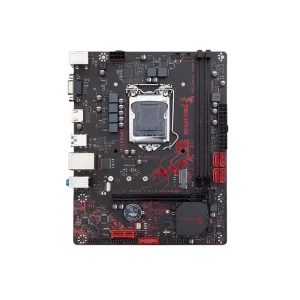
Highly adaptable multi-layer, server-class, and industrial system-level boards engineered to support Turkey's manufacturing infrastructure.
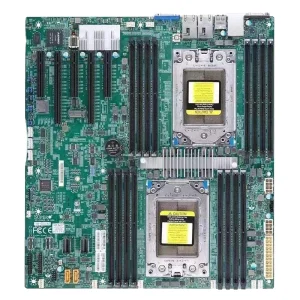
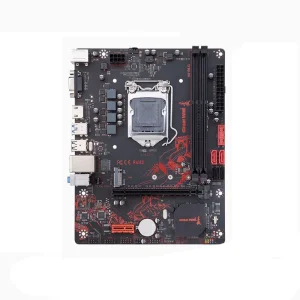
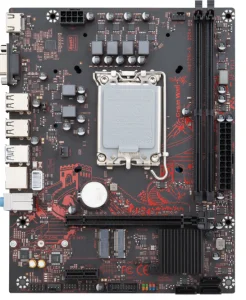
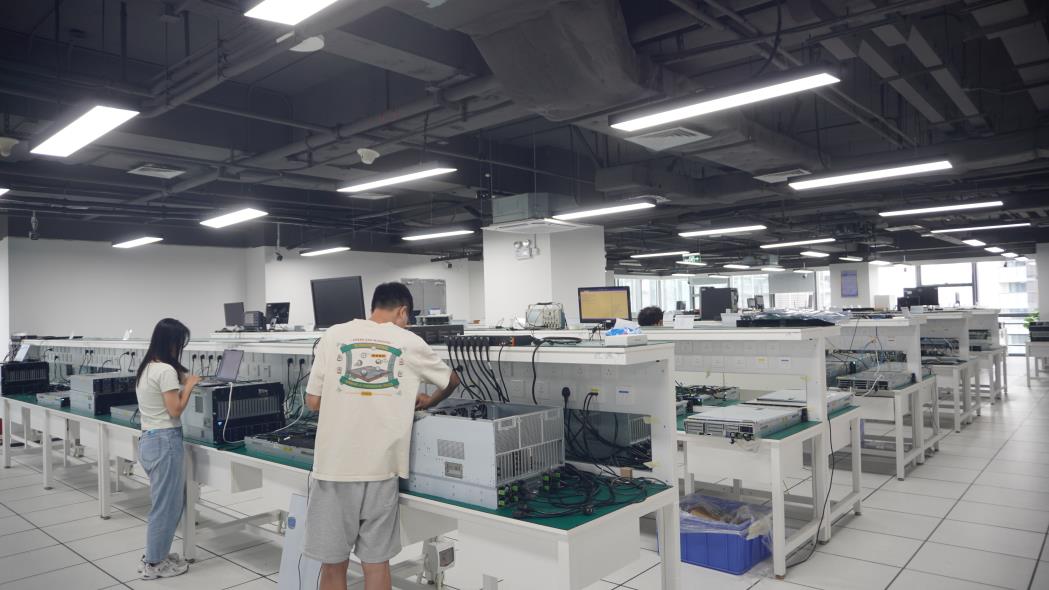
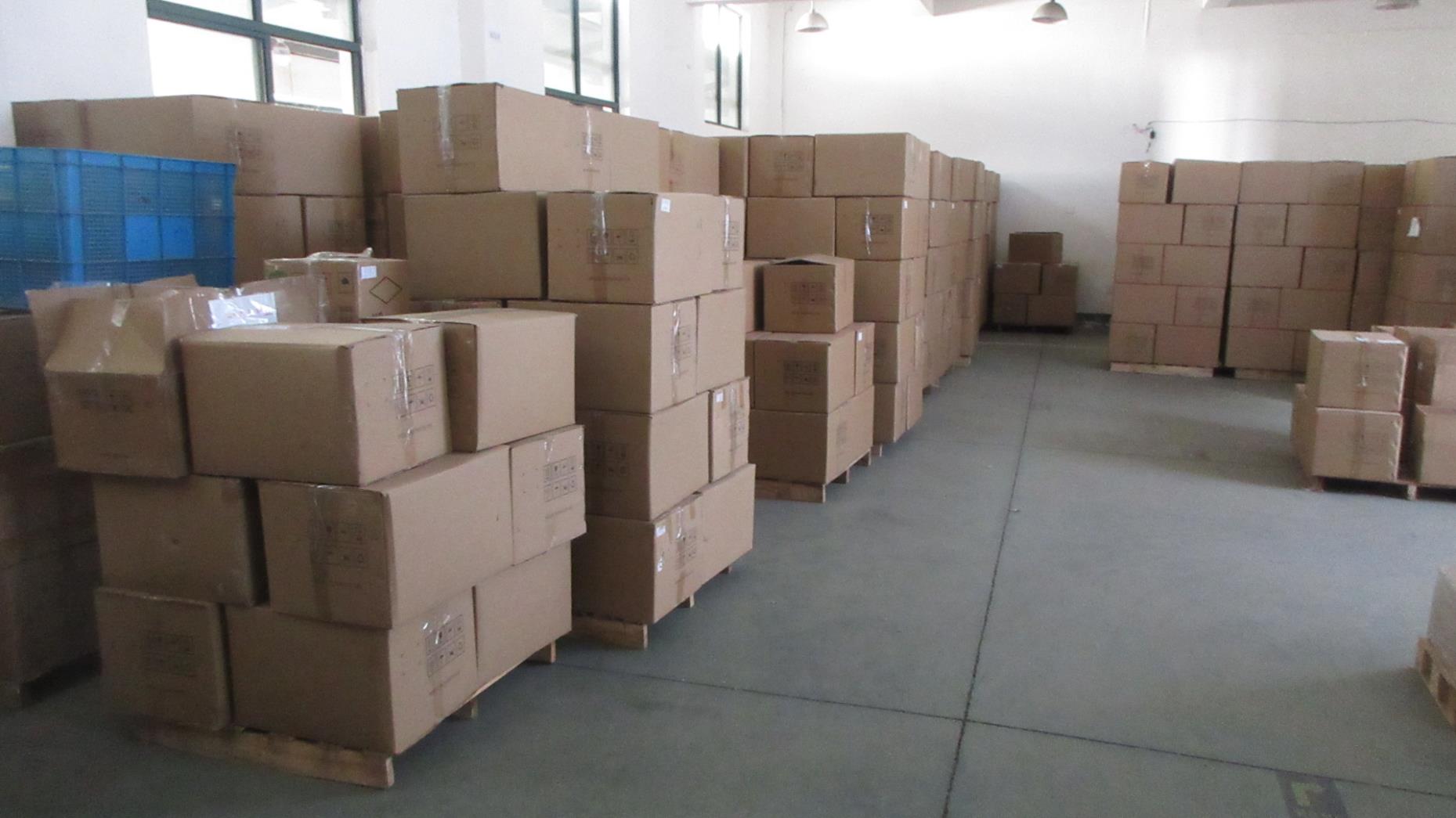
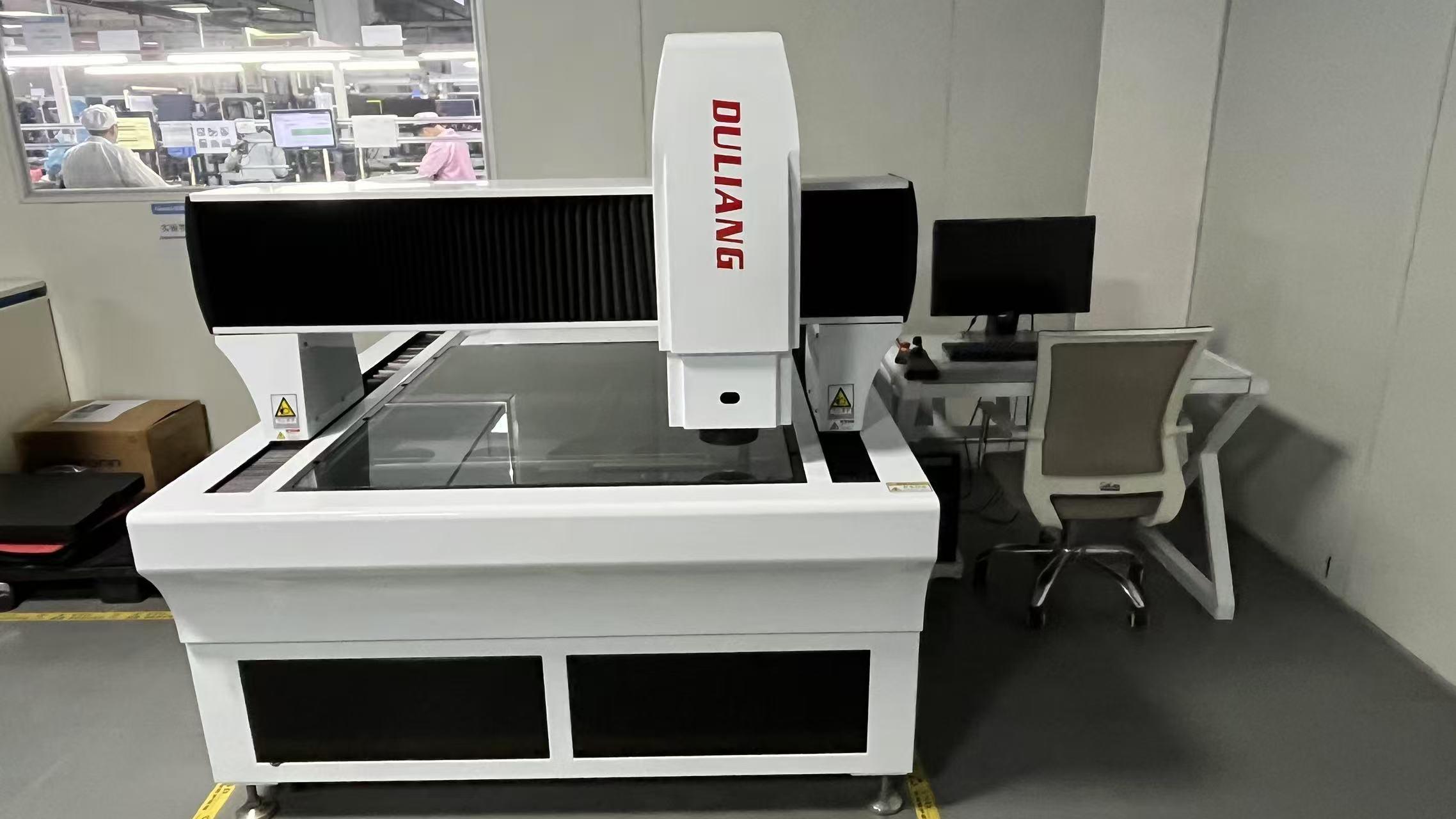
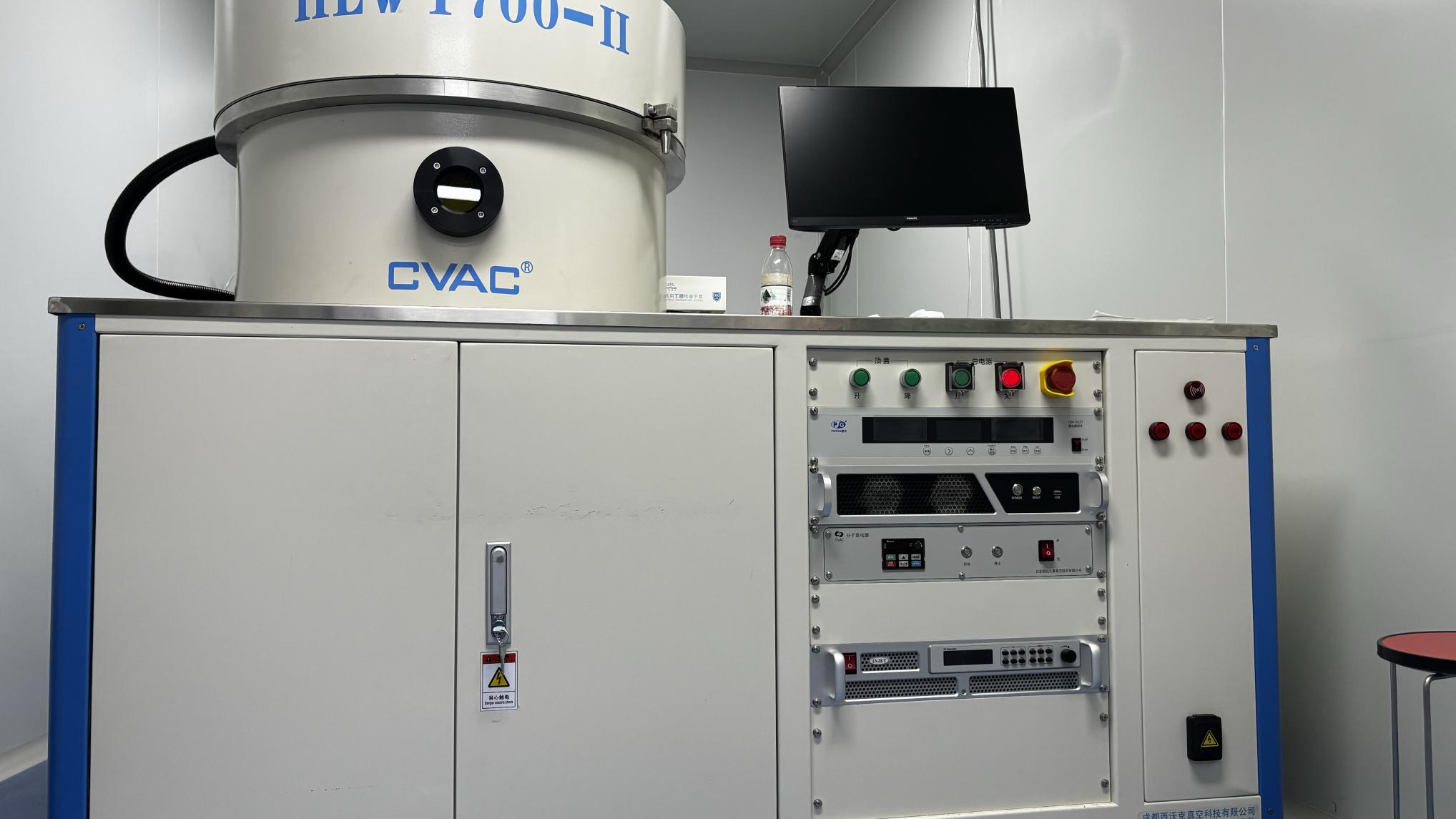
Explore our production lines, component warehouses, testing zones, and quality validation laboratories.
Essential engineering, logistics, and compliance insights for procurement teams in Istanbul.
 Memvora