Engineered for high-frequency operations, solar installations, and power electronics in critical Mexican assembly hubs.
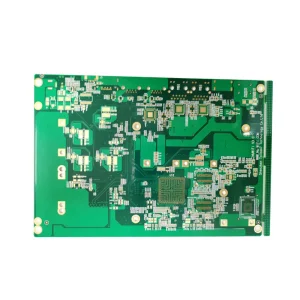
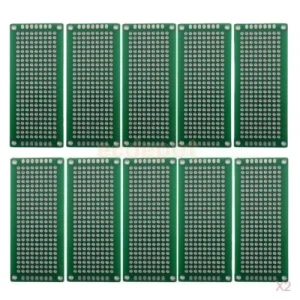
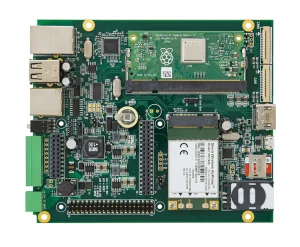
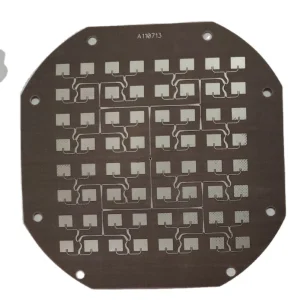
The global electronics supply chain is undergoing a structural realignment. With the implementation of the United States-Mexico-Canada Agreement (USMCA), Mexico City (CDMX) and its surrounding industrial corridors (including Querétaro, Estado de México, and Puebla) have transformed into critical hubs for high-reliability manufacturing. Original Equipment Manufacturers (OEMs) and Electronic Manufacturing Service (EMS) providers are actively seeking localized, highly resilient supply channels for advanced multi-layer printed circuit boards (PCBs).
This nearshoring paradigm requires more than just proximity. It demands engineering expertise, rapid prototyping, and adherence to international automotive, medical, and aerospace standards. Multi-layer PCBs serve as the physical nervous system of these advanced applications, demanding strict impedance control, high thermal reliability, and complex layer stacks to support next-generation integrated circuits, memory modules, and processing units.
Mexico City is connected to a network of high-tech manufacturing corridors that drive North American production:
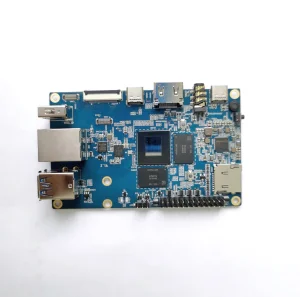
Advanced electronics design requires robust multi-layer configurations. When designing for high-speed signal pathways, such as DDR4/DDR5 memory buses or RK3588S NPU-based motherboards, board stability is critical. Factors such as dielectric constants (Dk), dissipation factors (Df), and copper distribution dictate signal integrity and electromagnetic compatibility (EMC).
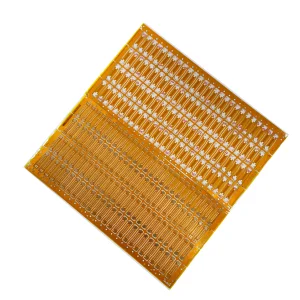
Modern multi-layer boards (typically starting from 4-layers to 32-layers) utilize alternating layers of core material, prepreg, and copper foil. By placing solid ground planes adjacent to critical signal routing layers, electromagnetic interference (EMI) is significantly mitigated. This is crucial for high-speed computation modules that process data rates exceeding 3200MT/s.
| Layer Count | Common Material Spec | Standard Thickness | Typical Applications | Impedance Control Spec |
|---|---|---|---|---|
| 4-Layer | FR4 (KB6160 / Tg150) | 1.6 mm | Power Bank PCBs, WIFI Inverters, LED Drivers | ± 10% (Differential/Single-ended) |
| 6 to 8-Layer | High-Tg FR4 (Tg170/Tg180) | 1.6 mm - 2.0 mm | Industrial Control PLCs, Raspberry Pi ODM Boards | ± 8% (Strict Signal Trace Matching) |
| 10 to 12-Layer | High-Tg Halogen Free / Low Loss | 1.6 mm - 2.4 mm | H510M Motherboards, DDR5 Memory Modules | ± 5% (High-Speed Differential Pairs) |
| Specialty (RF) | Taconic TLY-5 / Rogers RO4350B | 0.254 mm - 1.2 mm | Automotive ADAS Radar, High-Frequency Antennas | ± 5% (Precision RF Impedance) |
For applications operating in the gigahertz range, standard FR-4 materials fail due to excessive signal attenuation. High-frequency substrates like Taconic TLY-5 (PTFE-based with woven fiberglass) offer an exceptionally low dielectric constant (Dk ~2.2) and dissipation factor (~0.0009), ensuring signal propagation speed and integrity. These materials are combined in hybrid stack-ups where the RF outer layers utilize Taconic or Rogers, while the inner structural layers use cost-effective FR-4, optimization vital for advanced automotive applications in Mexico.
Founded in 2017, Memvora Electronics Technology Co., Ltd. is a professional manufacturer specializing in high-performance DDR5 memory modules and complex multi-layer PCB designs, dedicated to delivering reliable memory and motherboard solutions for consumer, industrial, enterprise, and embedded applications worldwide. With a modern manufacturing facility covering 386㎡, we combine advanced production equipment, strict quality management, and experienced engineering expertise to provide stable, high-speed memory and circuit board configurations for global OEM and ODM partners.
Since entering the international market, Memvora has accumulated 7 years of export experience, serving customers across North America, Europe, Southeast Asia, the Middle East, and South America. Our annual export revenue exceeds US$18.6 million, supported by a strong global supply chain and long-term partnerships with more than 1,280 component suppliers and business partners.
With 14 years of industry experience, our team continuously invests in technology innovation and product development. Our R&D department consists of 126 professional engineers who focus on developing next-generation high-speed PCB layouts and DDR5 memory solutions with higher speed, lower latency, and enhanced reliability. Last year alone, we successfully launched 86 new memory and controller board products to meet the evolving needs of gaming, AI computing, industrial automation, and enterprise servers.
Quality control is maintained via continuous automated inspection systems, surface mount technology (SMT) lines, and environment chambers. Below are views of our production, inspection, and verification facilities:
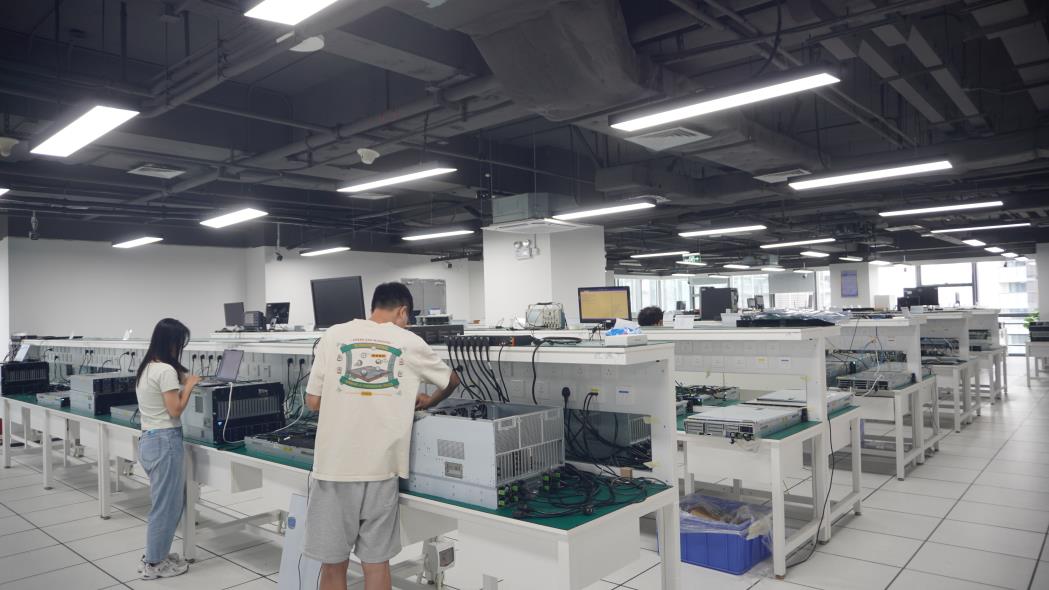
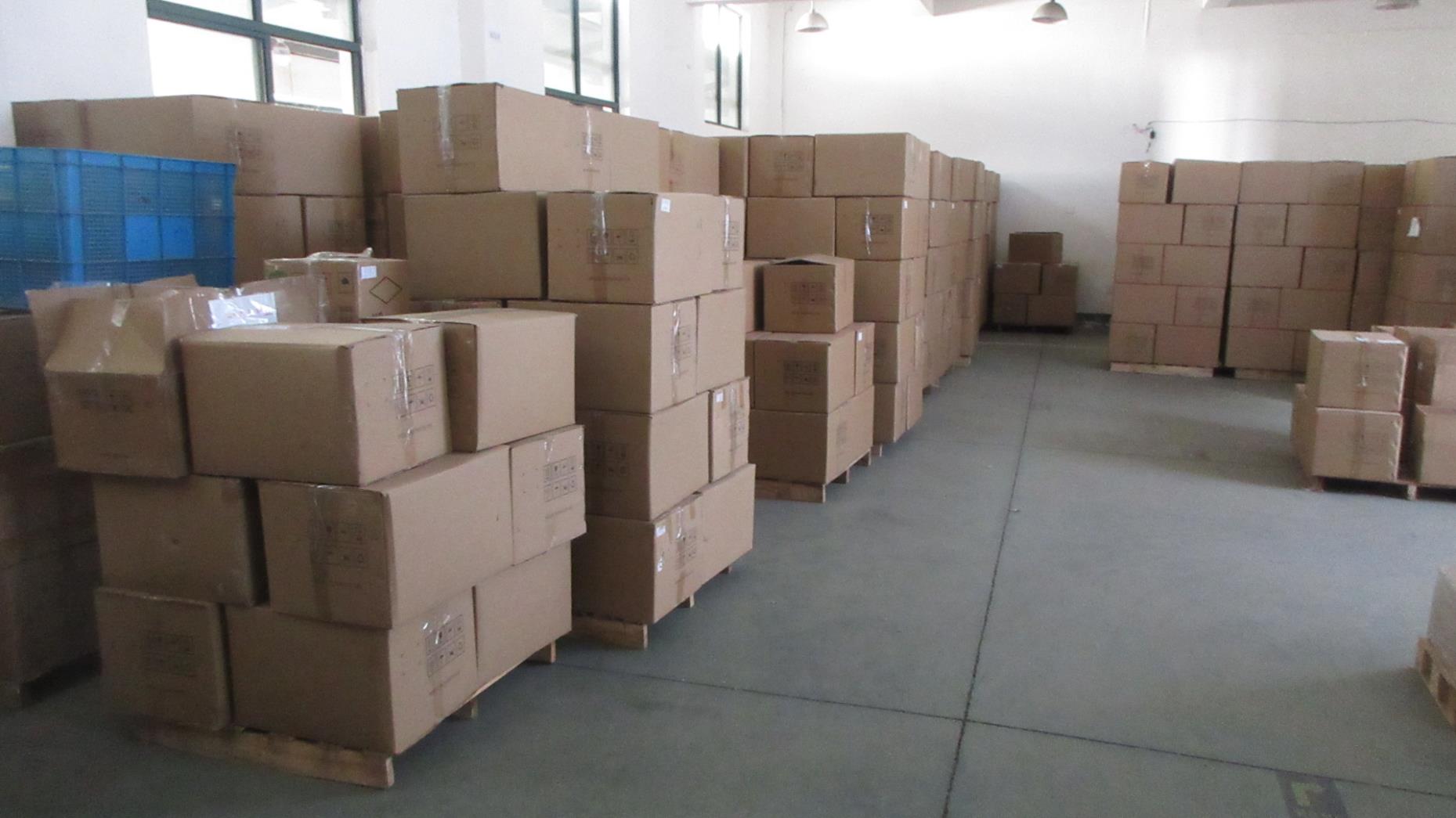
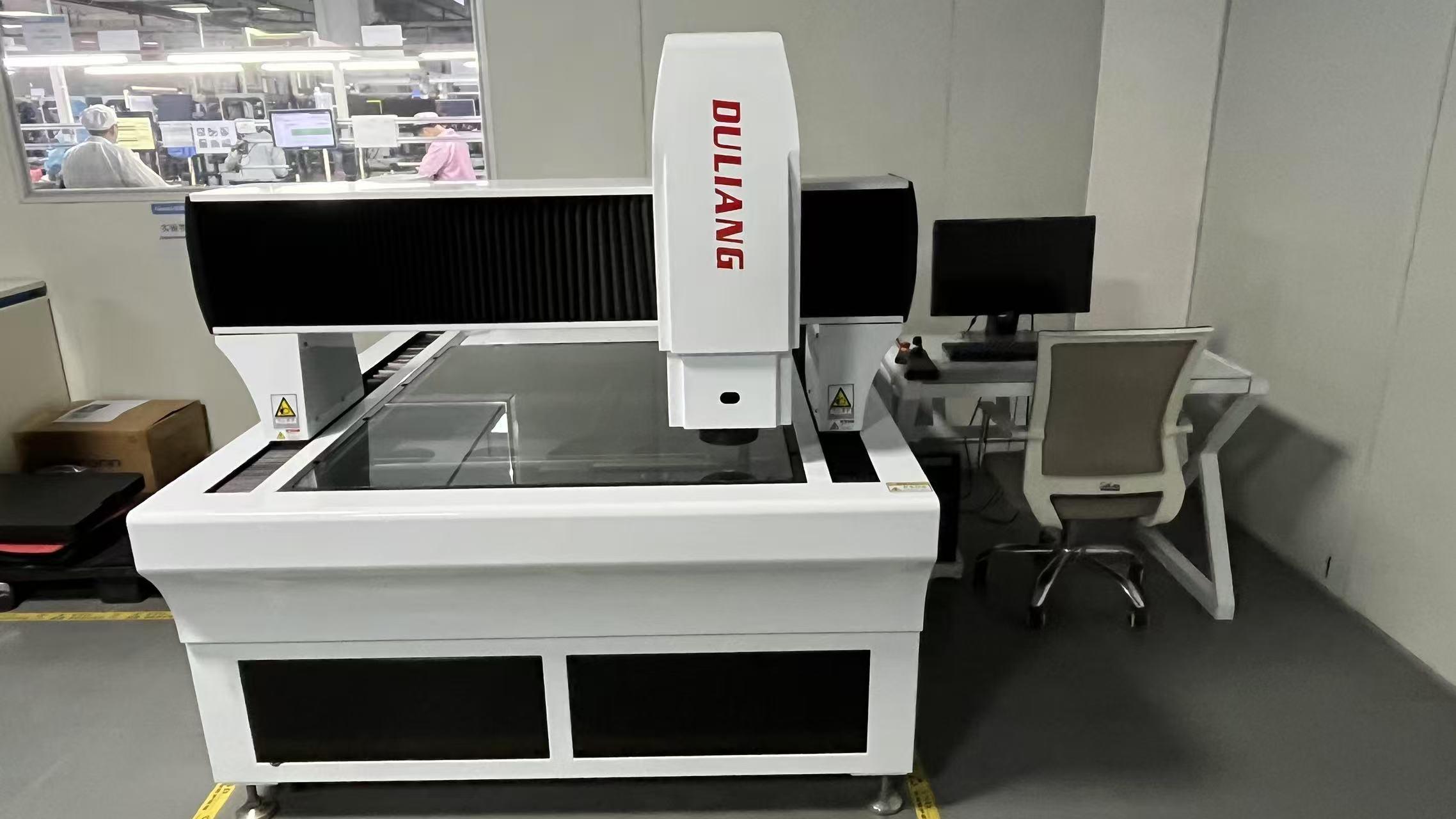
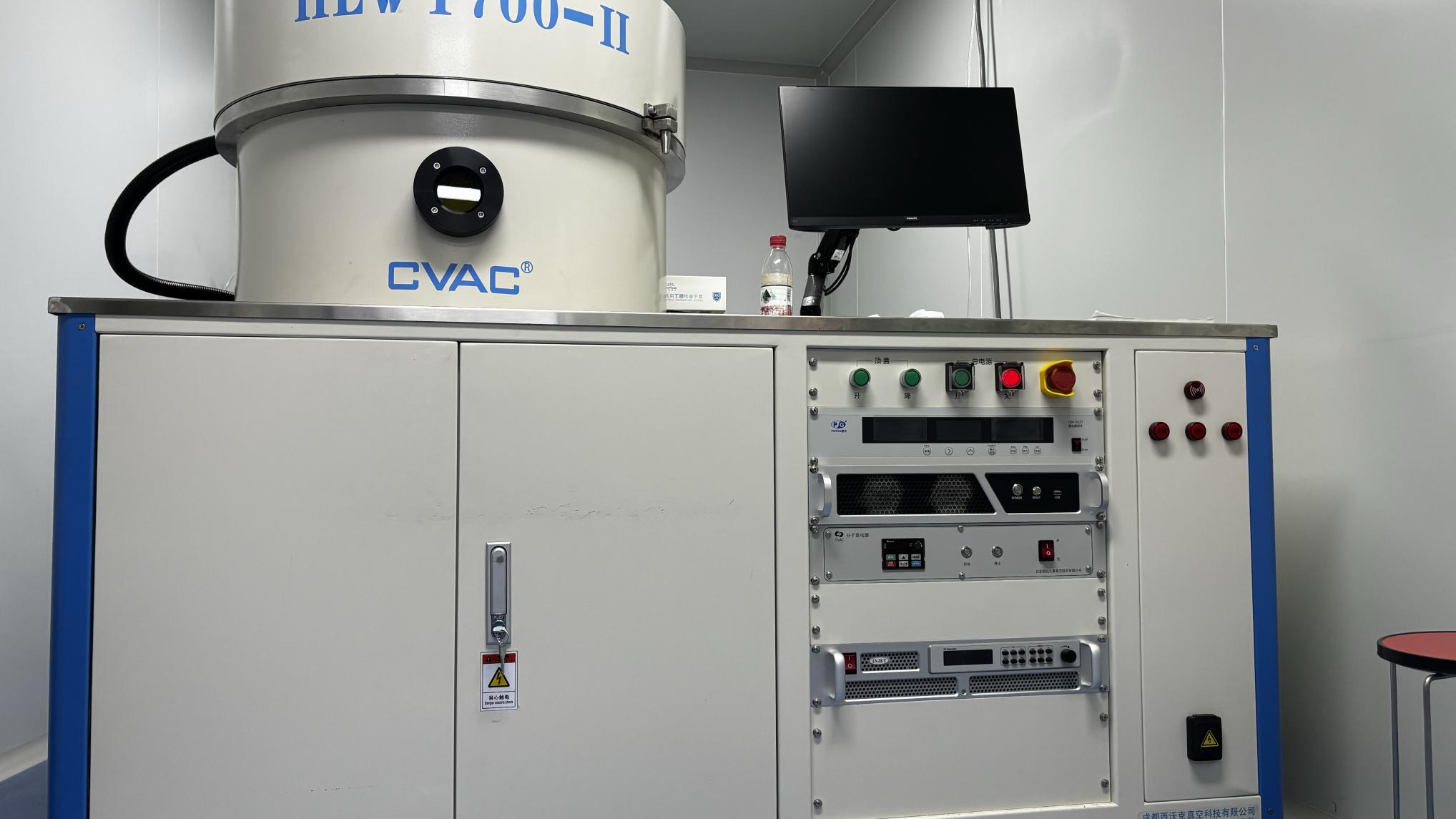
Every single product fabricated or assembled in our line undergoes 100% functional testing, burn-in testing, compatibility testing, signal integrity testing, and aging tests before shipment. Our dedicated quality control team of 42 inspectors ensures every memory module and circuit board meets rigorous international quality standards (IPC Class II/III, UL, CE, RoHS) to guarantee long-term stable performance in the field.
In modern industrial applications, computing power must reside at the edge. The integration of Rockchip RK3588S, Intel i5-10400F, and high-density DDR4/DDR5 RAM modules onto specialized motherboards places high demands on multi-layer PCB layouts. Designing a PCB for DDR4/DDR5 routing involves managing bus speeds ranging from 2400MHz up to 4800MHz+ with tight trace tolerances.
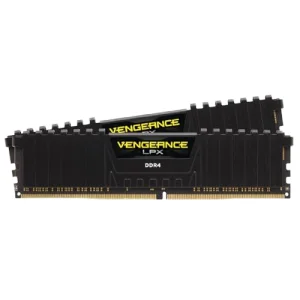
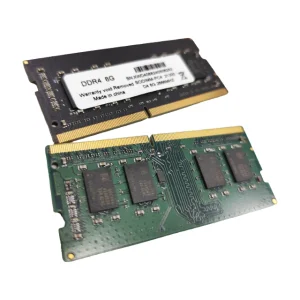
DDR5 memory operates with lower signal voltages (1.1V compared to DDR4's 1.2V), reducing the margin for noise. To design high-speed desktop and laptop RAM modules, our engineering teams focus heavily on:
Whether assembling robust ECC DDR4 modules for data servers or building industrial controller motherboards, our designs are optimized to avoid signal latency, trace skew, and electromagnetic interference.
Explore our full range of computer memory sticks, multi-layer development boards, and specialized PCBA solutions.
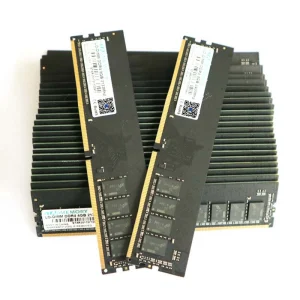
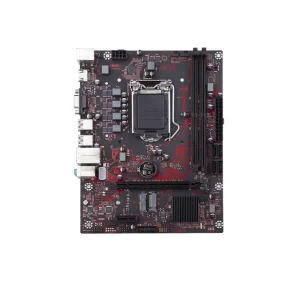
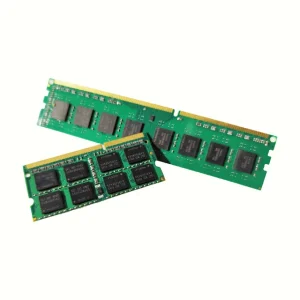
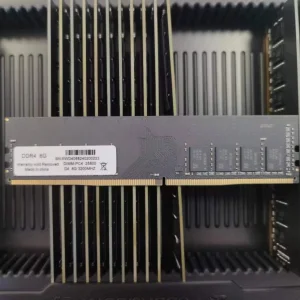
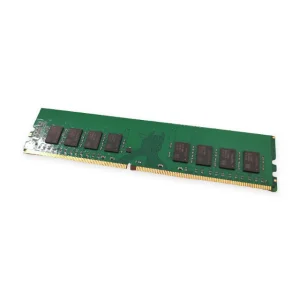
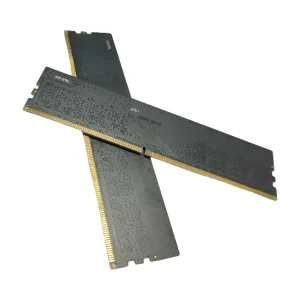
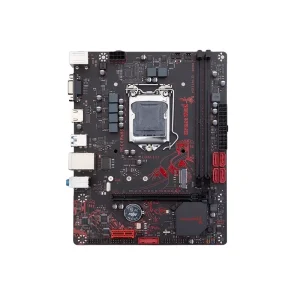
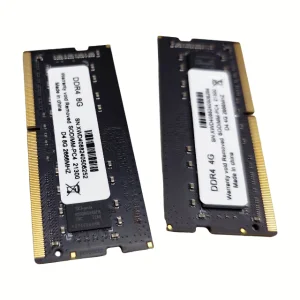
Procuring electronic components for facilities in Mexico requires managing the logistics pipeline. In a market where supply chain disruption can pause production lines, working with an experienced manufacturer like Memvora offers structural advantages. By operating a modern production base in Shenzhen and established shipping lanes to Mexico City International Airport (AICM) and seaport entryways such as Manzanillo and Veracruz, we ensure continuous component supply.
To support fast-moving manufacturing, we implement a hybrid supply scheme:
To assist our long-term OEM and ODM partners in the State of Mexico and Querétaro, we offer custom buffer stocking programs. We manage safety stock parameters based on rolling forecasts, protecting your manufacturing flow against semiconductor fluctuations or shipping delays.
For industrial electronics, aerospace computing, and automotive modules, meeting international quality certifications is non-negotiable. Our engineering and quality assurance practices are aligned with the following global and localized frameworks:
Our multilayer circuits are manufactured in accordance with IPC standards. For standard commercial products, we maintain IPC-A-600 Class II compliance, ensuring standard solder mask coverage, track spacing, and routing integrity. For high-reliability sectors such as medical instruments and engine control units (ECUs), we offer IPC Class III services, requiring stricter quality controls and minimal tolerances.
All substrates, including the FR-4 KB6160 and Taconic TLY-5 aluminum composites, carry the UL 94V-0 certification for self-extinguishing flame-retardant properties. This is vital for electronics destined for installation in residential smart grids, telecommunications hubs, and automotive cabins in North America.
All materials—including lead-free surface finishes (HASL Lead-Free, ENIG, Immersion Tin/Silver)—meet EU RoHS and REACH regulations, simplifying export clearance for your finished assemblies into European and North American markets.
Common questions answered by our engineering and logistics support teams.
 Memvora