Industrial-grade substrate solutions and computing hardware optimized for American municipal, commercial, and processing environments.
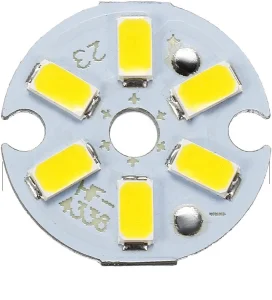
In the United States, the transition toward advanced solid-state lighting (SSL) technologies has catalyzed a profound technological shift in commercial, municipal, and industrial domains. High-intensity LED arrays demand robust, reliable printed circuit boards that act not just as electrical routing surfaces, but as critical structural thermal management platforms. As US regulations, such as Title 24 in California and DLC (DesignLights Consortium) standards nationwide, push for unprecedented efficiency, the design margin for failure in LED thermal pathways has narrowed to near-zero.
Standard FR4 substrates, while highly cost-effective for low-density logic gates, are fundamentally unsuitable for high-power LED installations due to their poor thermal conductivity (~0.25 W/m·K). Without high-thermal substrates like Metal Clad PCBs (MCPCBs)—specifically utilizing aluminum or copper backings paired with highly conductive dielectric ceramic fills—high-power LED chips run hot, experience rapid lumen degradation, shift color temperature, and face early failure.
When sourcing LED PCBs for US projects, structural engineering starts with selecting the proper metal core substrate. Choosing the core involves balancing mechanical robustness, heat transfer requirements, dielectric breakdown threshold, and manufacturing budgets. Below is a comprehensive breakdown of the specifications Memvora utilizes to satisfy high-reliability B2B US contracts:
| Material Class | Thermal Conductivity (W/m·K) | Typical Application Range | Dielectric Breakdown Voltage | Key Advantages | |
|---|---|---|---|---|---|
| High-Temp FR4 (Tg 170-180) | 0.25 - 0.4 | Low-power indicator panels, custom backlights | >40 kV | Extremely cost-effective, multi-layer routing support | Low thermal performance |
| Standard Aluminum Core | 1.0 - 2.0 | Commercial fixtures, linear LED tubes, downlights | >3 kV AC | Standard processing, reliable cost-to-performance ratio | Good general dissipation |
| High-Thermal Aluminum Core | 3.0 - 4.2 | Automotive headlamps, high-bay factory lights | >6 kV AC | Significantly lowers junction temp, extends LED life | Excellent heat dissipation |
| Copper Core (Direct Thermal Path) | 385 - 400 | Ultra-high-power stadium beams, medical lasers | Direct metal connection | Eliminates the dielectric layer completely under thermal pad | State-of-the-art thermal transfer |
The primary bottleneck for heat transfer in an MCPCB is the thin, electrically insulating dielectric layer. The thermal resistance of this layer is defined by:
Rth = d / (k * A)
Where d is the dielectric layer thickness, k is thermal conductivity, and A is the area of the thermal pad. To achieve lowest thermal resistance, Memvora uses ultra-thin dielectric layers (down to 50µm) formulated with proprietary ceramic-filled polymers. This structural optimization ensures that high-power LEDs run cooler by up to 15°C compared to market-standard materials.
Speak directly with our technical sales division. We deliver rapid-turn DFM feedback, material recommendations, and tailored quotes matching US lighting regulations.
Send Inquiry NowSupporting advanced industrial system controllers and data servers with strict performance stability limits.
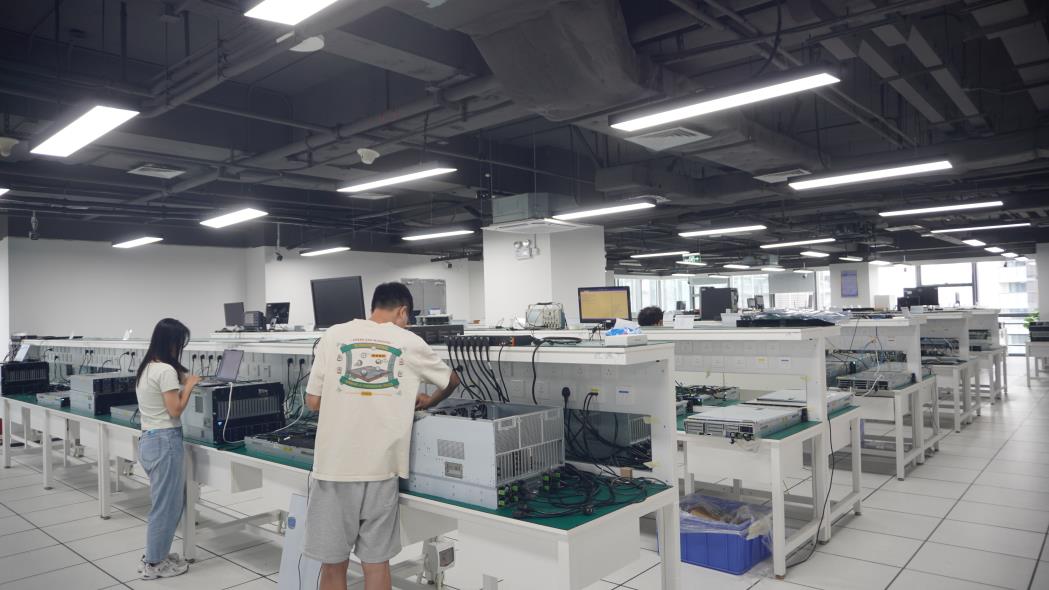
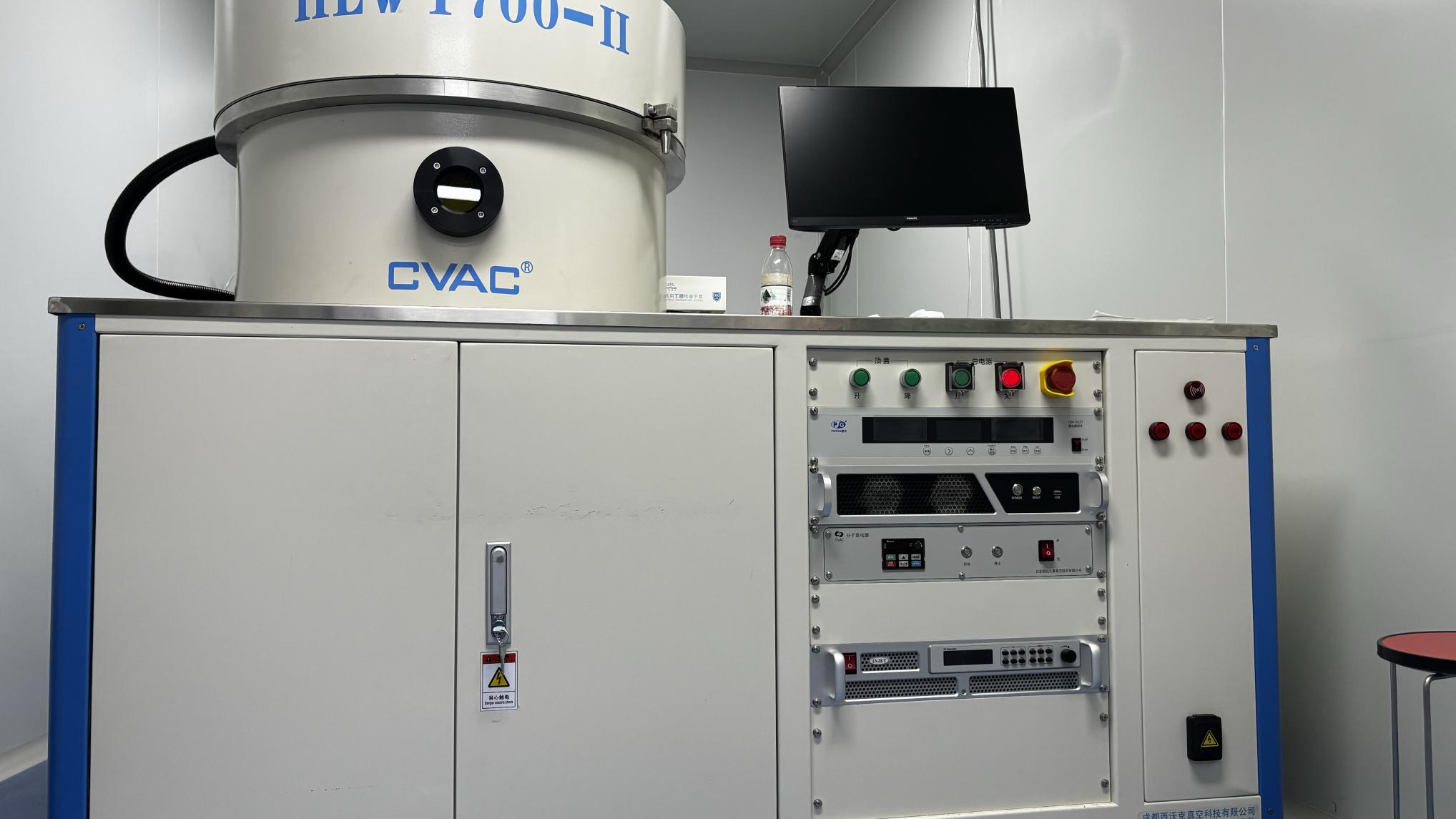
Founded in 2017, Memvora Electronics Technology Co., Ltd. is a professional manufacturer specializing in high-performance DRAM memory modules and advanced PCB assembly solutions, dedicated to delivering reliable hardware systems for consumer, industrial, enterprise, and embedded applications worldwide. With a modern manufacturing facility covering 386㎡, we combine state-of-the-art production equipment, strict quality management, and deep engineering expertise to provide stable, high-speed circuit and memory products for global OEM and ODM partners.
Since entering the competitive international market, Memvora has accumulated 7 years of export experience, serving enterprise customers across North America, Europe, Southeast Asia, the Middle East, and South America. Our annual export revenue exceeds US$18.6 million, supported by a strong global supply chain and long-term partnerships with more than 1,280 component suppliers and business partners.
With 14 years of industry experience, our team continuously invests in technology innovation and product development. Our R&D department consists of 126 professional engineers who focus on developing next-generation memory and PCB solutions with higher speeds, lower thermal profiles, and enhanced long-term reliability. Last year alone, we successfully launched 86 new advanced memory products and high-density PCB layouts to meet the evolving needs of gaming, AI computing, industrial automation, and enterprise servers.
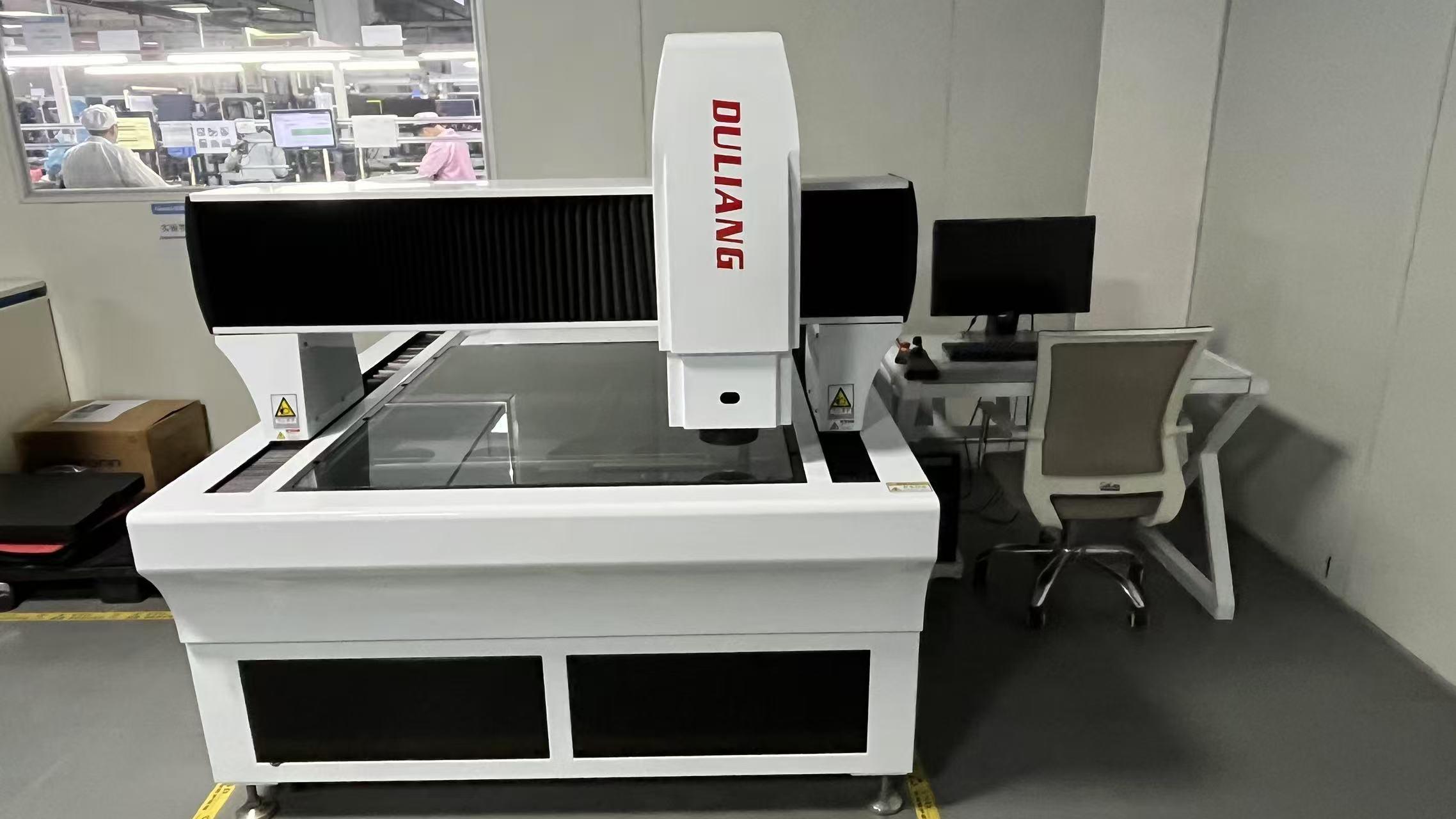
Quality is the foundation of everything we do. Every single product undergoes 100% functional testing, burn-in testing, compatibility testing, signal integrity testing, thermal cycling, and aging tests before shipment. Our dedicated quality control team of 42 inspectors ensures every memory module and PCB assembly meets rigorous international quality standards (IPC-A-600/610 Class 2 and Class 3) and delivers stable, long-term performance under demanding operating conditions.
Memvora provides flexible OEM, ODM, private label, custom capacity, PCB color variations, heat spreader design, firmware optimization, and packaging customization services to meet different market and regulatory requirements. Backed by a highly responsive engineering team and efficient manufacturing workflows, we help customers shorten product development cycles and accelerate time-to-market.
Procuring custom LED PCBs and RAM modules for the United States requires navigating stringent compliance and tariff structures. At Memvora, we maintain direct relationships with global logistics hubs to expedite customs clearances and minimize transit overheads.
All PCBs manufactured for the US market comply with RoHS 3 (EU Directive 2015/863), eliminating hazardous lead and polybrominated diphenyl ethers, which is especially vital for products bound for states with strict environmental laws like California's Proposition 65. Our structures carry UL 94V-0 flammability ratings, and our electrical assemblies conform to FCC Part 15 regulations, ensuring zero interference in dense residential and commercial areas.
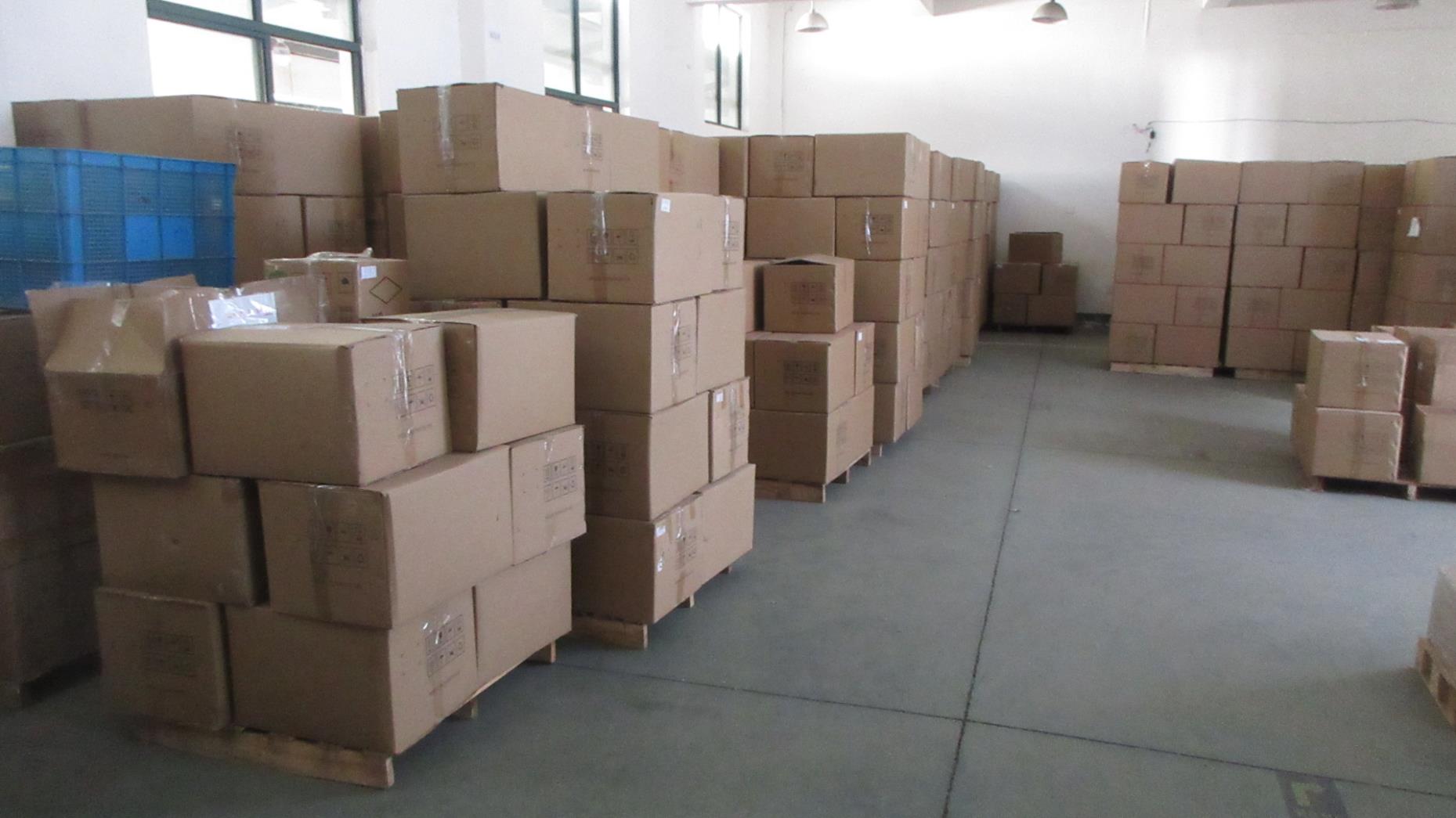
Through active inventory management and localized logistics options, we can accommodate split deliveries, scheduled blanket orders, and bulk shipping direct to US warehouses, reducing lead times from months to weeks.
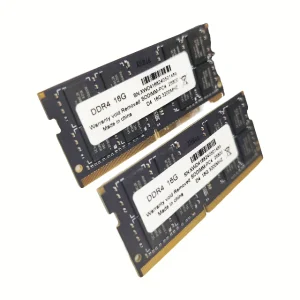
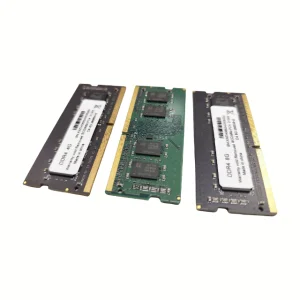
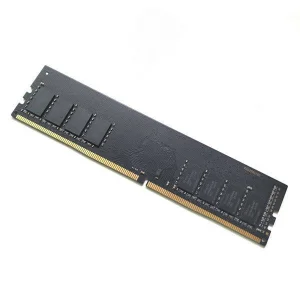
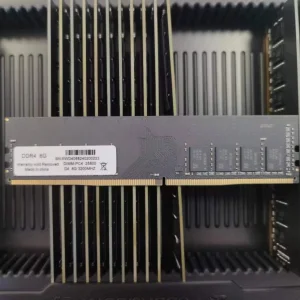
8 Essential industrial computer storage modules and ECC components engineered to support high-duty industrial processes.
Here are key answers to standard engineering and procurement questions when importing and deploying custom LED PCBs and electronic subsystems within North American territories.
For commercial applications operating above 50W, we recommend utilizing an Aluminum-clad MCPCB with a thermal conductivity rating of at least 2.0 W/m·K. For ultra-power installations like industrial floodlights or streetlights, 3.0 to 4.0 W/m·K substrates or Direct Thermal Path (DTP) Copper PCBs are ideal to ensure the junction temperature stays below 85°C.
Yes. All of our PCB products conform to UL 94V-0 flammability standards. Additionally, our SMT assembly lines conform strictly to IPC-A-600/610 Class 2 parameters, with options for Class 3 production upon request for mission-critical industrial, aerospace, or medical integrations.
Absolutely. Memvora provides rapid-turn prototyping services for US clients. This allows engineers to verify thermal profiles, test compatibility with local power supply interfaces, and execute stress tests before committing to large manufacturing runs.
Prototype orders are typically manufactured within 3 to 7 working days, while bulk commercial production volumes take 10 to 18 working days. Air freight shipments to major US hubs (LAX, ORD, JFK) usually take 3 to 5 business days, while ocean freight ranges from 18 to 25 days depending on the port of entry.
Aluminum PCBs offer significantly better thermal transfer than FR4, extending LED lifespan by preventing localized heat accumulation. They also offer higher dimensional stability and mechanical strength, which helps prevent warp and twist issues caused by temperature shifts.
We maintain deep relationships with certified global semiconductor manufacturers and authorized distributors. Every wafer and memory die batch comes with a manufacturer certificate of conformity (CoC), ensuring that zero counterfeit chips or sub-standard materials enter our automated pick-and-place lines.
Contact our global sales and technical support division today. Get high-precision engineering reviews, comprehensive BOM auditing, and custom pricing models.
Send Inquiry Now Memvora