High-performance processing boards, ultra-miniature system components, and industrial-grade memory modules engineered for wearable ecosystems.
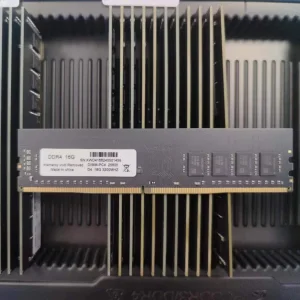
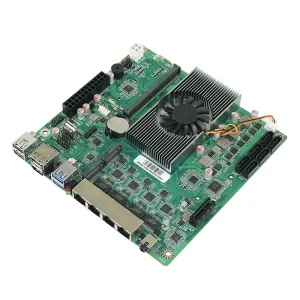
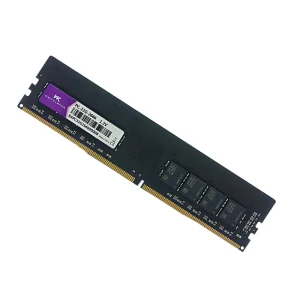
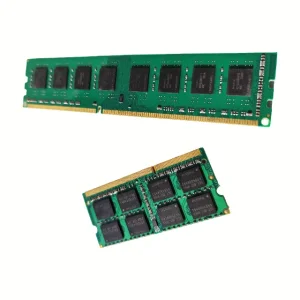
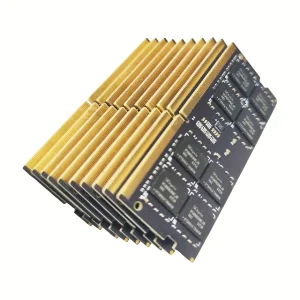
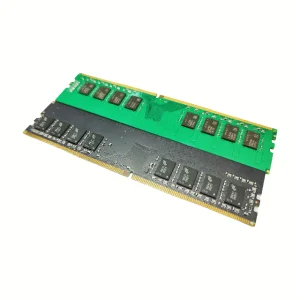
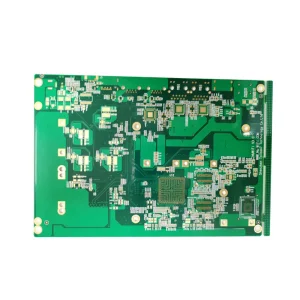
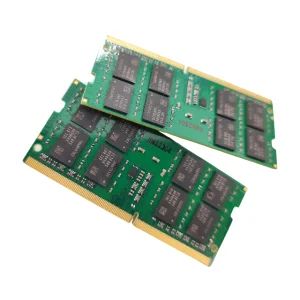
Founded in 2017, Memvora Electronics Technology Co., Ltd. is a professional manufacturer specializing in high-performance DDR5 memory modules, dedicated to delivering reliable memory solutions for consumer, industrial, enterprise, and embedded applications worldwide. With a modern manufacturing facility covering 386㎡, we combine advanced production equipment, strict quality management, and experienced engineering expertise to provide stable, high-speed memory products for global OEM and ODM partners.
Since entering the international market, Memvora has accumulated 7 years of export experience, serving customers across North America, Europe, Southeast Asia, the Middle East, and South America. Our annual export revenue exceeds US$18.6 million, supported by a strong global supply chain and long-term partnerships with more than 1,280 component suppliers and business partners.
With 14 years of industry experience, our team continuously invests in technology innovation and product development. Our R&D department consists of 126 professional engineers who focus on developing next-generation DDR5 memory solutions with higher speed, lower latency, and enhanced reliability. Last year alone, we successfully launched 86 new memory products to meet the evolving needs of gaming, AI computing, industrial automation, and enterprise servers.
Uncompromising Quality Assurance: Every product undergoes 100% functional testing, burn-in testing, compatibility testing, signal integrity testing, and aging tests before shipment. Our dedicated quality control team of 42 inspectors ensures every memory module meets rigorous international quality standards and delivers long-term stable performance.
Memvora provides flexible OEM, ODM, private label, custom capacity, PCB color, heat spreader design, firmware optimization, and packaging customization services to meet different market requirements. Backed by a responsive engineering team and efficient production management, we help customers shorten development cycles and accelerate product launches.
Exploring the convergence of high-density packaging, low-power processing, and edge computing in the wearable tech ecosystem.
Modern wearable devices are transitioning from simple data collection hubs to autonomous intelligent units. By embedding AI algorithms directly onto smartwatches, industrial helmets, and AR glasses, devices can process biometric and spatial data in real-time. This shifting paradigm demands ultra-fast, low-latency memory modules, such as specialized LPDDR5 and high-speed embedded controllers, to sustain local neural networks without sacrificing thermal design windows.
The consumer electronics market is merging with digital health technologies. Smart wearables must now deliver clinical-grade accuracy for photoplethysmography (PPG), electrocardiograms (ECG), photobiomodulation, and continuous glucose monitoring. Ensuring this requires high-integrity rigid-flex PCBs with minimum cross-talk and ultra-stable power management circuits capable of filtering background micro-noise.
As wearables become thinner, the internal component layout must decrease in volume. System-in-Package (SiP) technology and advanced high-density multi-layer PCBs are critical. Manufacturers must design boards that stack processor, memory, power management unit (PMU), and transceiver architectures into sub-millimeter profiles while managing complex thermal dissipation challenges effectively.
For global enterprise buyers, purchasing hardware components for wearable applications and advanced computing ecosystems is a complex decision process. Procurement teams must navigate strict hardware validation lifecycles, global supply chain volatility, and local market compliance. When choosing a manufacturing partner like Memvora, enterprise stakeholders prioritize:
In the electronic hardware landscape, procuring components solely based on unit price often leads to hidden costs during device integration. Memvora mitigates this by implementing robust DFM (Design for Manufacturability) protocols during the prototype phase. Our engineers optimize PCB layer layouts to reduce manufacturing steps, select components with high market availability to avoid bottleneck delays, and implement rigorous pre-testing to drop product return rates to under 0.05%.
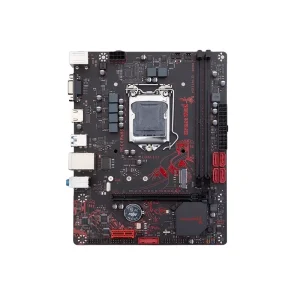
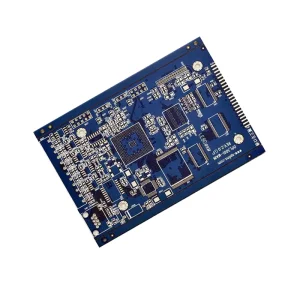
End-to-end hardware development support spanning memory modules, multi-layer PCBs, and advanced computing motherboards.
We provide ultra-thin, medical-grade PCB manufacturing and firmware customization. By minimizing electrical noise and designing optimized layouts, we ensure diagnostic telemetry equipment, smart rings, and patient trackers read biometrics accurately and reliably under real-world conditions.
Industrial applications demand extreme durability. Our motherboards, memory modules, and custom PCBs are built to withstand high levels of shock, vibration, and thermal variation. Ideal for smart hardhats, hazardous area environmental monitors, and logistics scanners.
High-resolution augmented reality displays require heavy local data throughput. We deliver high-frequency DDR4 and DDR5 memory modules alongside ultra-compact PCBA structures that fit comfortably inside headset frames, minimizing spatial latency and thermal output.
Every product manufactured by Memvora adheres strictly to global quality control and environmental regulations. Our operations are fully compliant with ISO 9001:2015, CE directives, FCC standards, and RoHS/WEEE restrictions. We ensure lead-free manufacturing processes, clean effluent discharge, and ethically sourced minerals throughout our integrated supply chain.
Navigating different regulatory landscapes is a major challenge when launching products globally. At Memvora, we assist partners with complete documentation and local compliance testing. Whether you require specific electromagnetic compatibility (EMC) testing reports for the EU, FCC Class B filings for the US, or localized safety certifications, our dedicated engineering division supports you from design through to certification approval.
Furthermore, we establish strategic shipping and warehousing logistics partnerships across major hubs in North America and Western Europe, ensuring fast custom clearance, optimized shipping lanes, and low distribution friction for high-volume contract orders.
Building the infrastructure for the next generation of computing interfaces and smart sensory networks.
As we move towards 2026 and beyond, the demands on memory subsystems and motherboard layouts will shift significantly due to the rapid growth of artificial intelligence and continuous biometric monitoring. Our engineering team is currently developing next-generation hardware platforms designed to meet these challenges:
Transition to LPDDR5/DDR5 Ecosystems: We are transitioning our core production lines to high-efficiency DDR5 architectures, offering double the bandwidth of DDR4 memory modules while reducing core power consumption by approximately 20%. This is critical for high-end gaming laptops, data hubs, and portable AR computation boxes.
Sub-10nm Pitch PCB Prototyping: Enhancing our PCB processing equipment to support ultra-dense layouts with sub-10nm line widths and spacings. This precision allows smart rings and continuous monitoring patches to incorporate advanced logic units without increasing external casing volume.
Flexible PCB (FPCB) Assemblies: Developing robust processes for assembling flexible, biocompatible substrates, enabling devices to conform to human anatomy without compromising electrical connections or component durability.
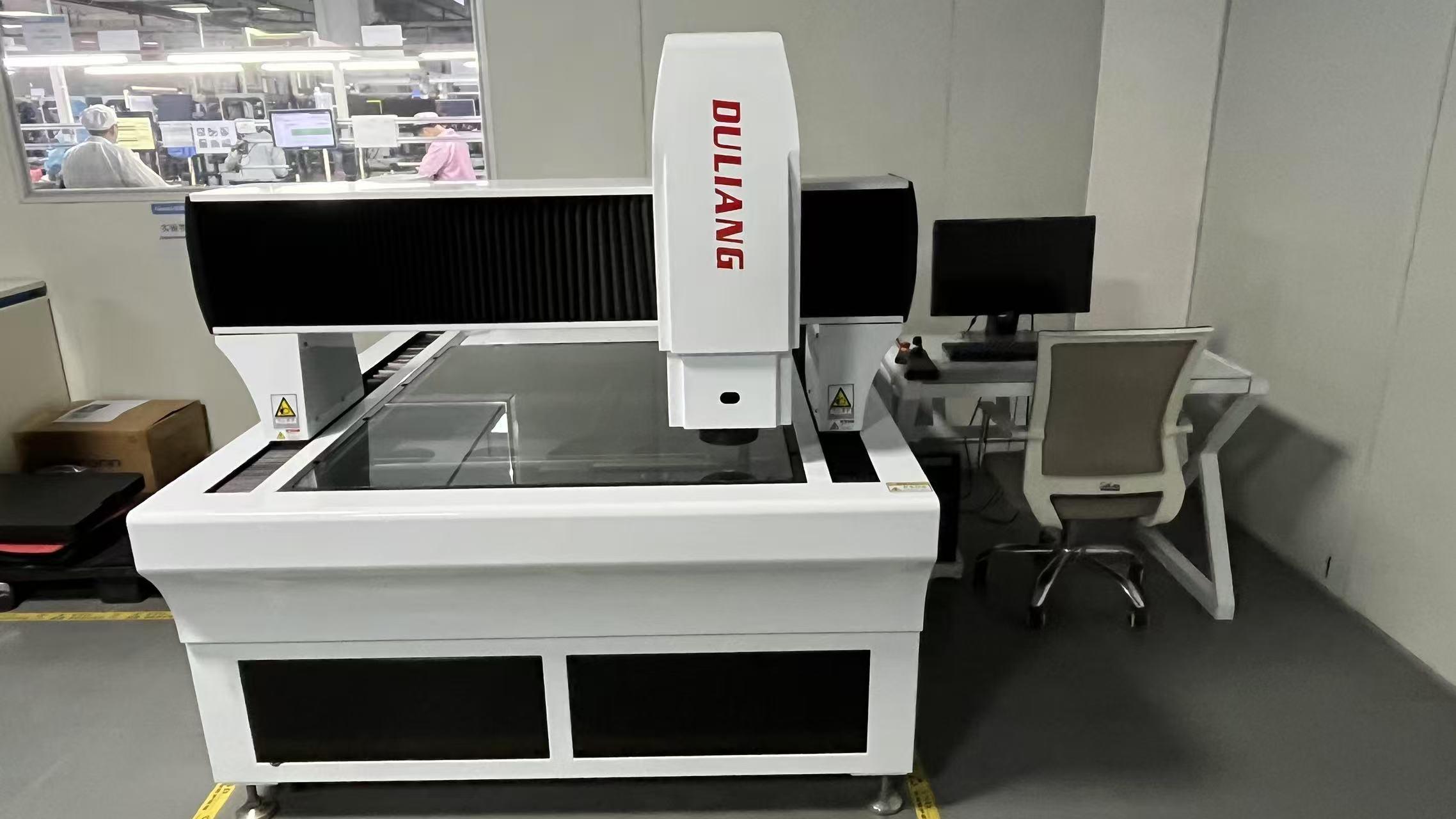
By investing heavily in automated production machinery, optical alignment equipment, and high-frequency wave soldering technology, Memvora is positioned to remain a trusted supplier for global computing brands and wearable tech pioneers.
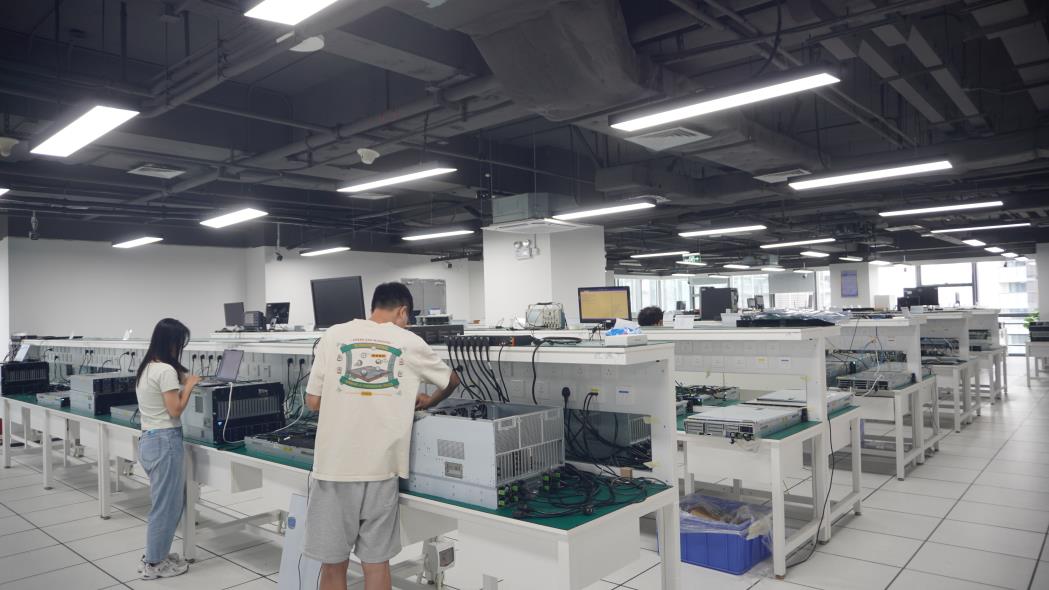
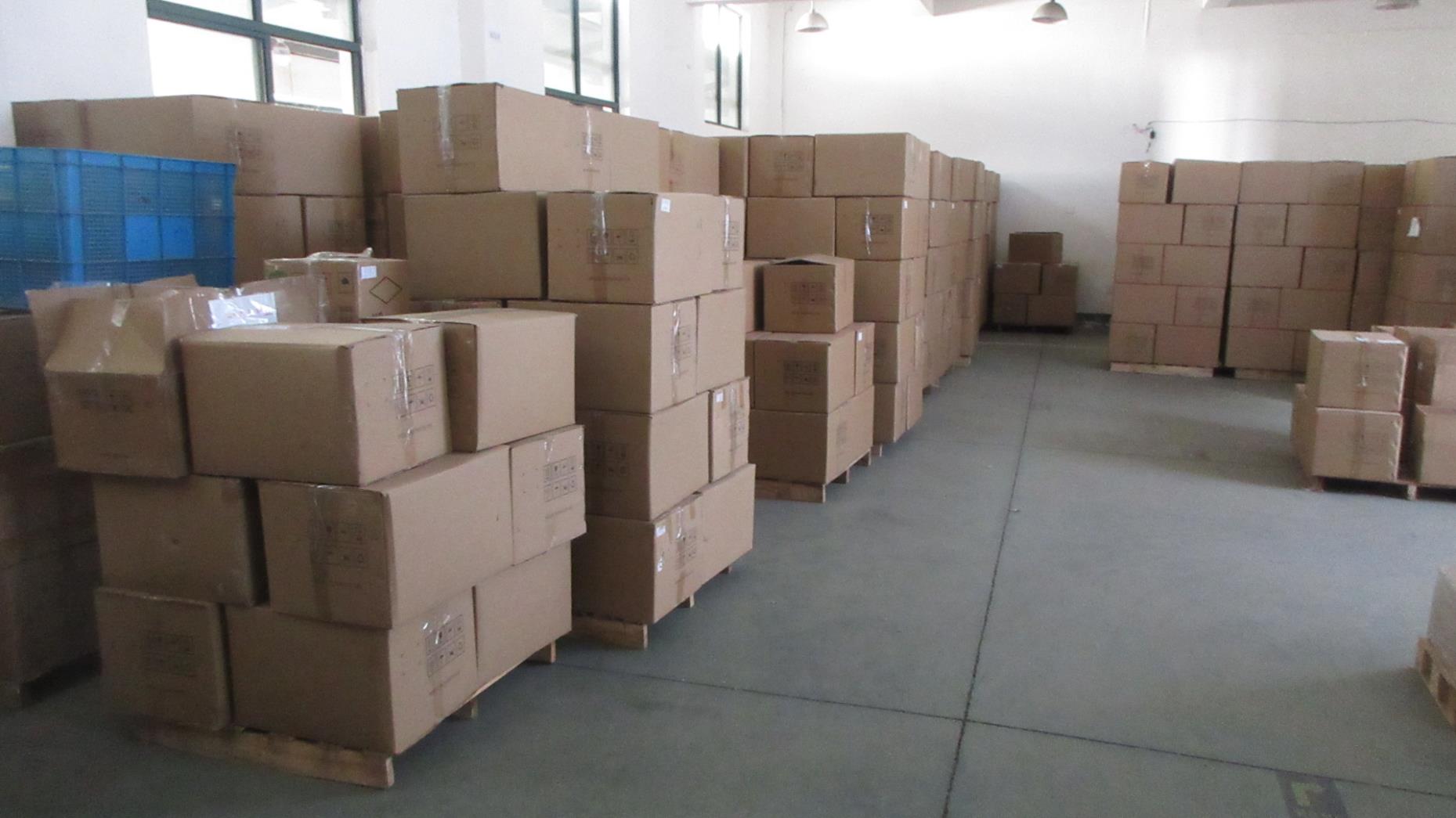
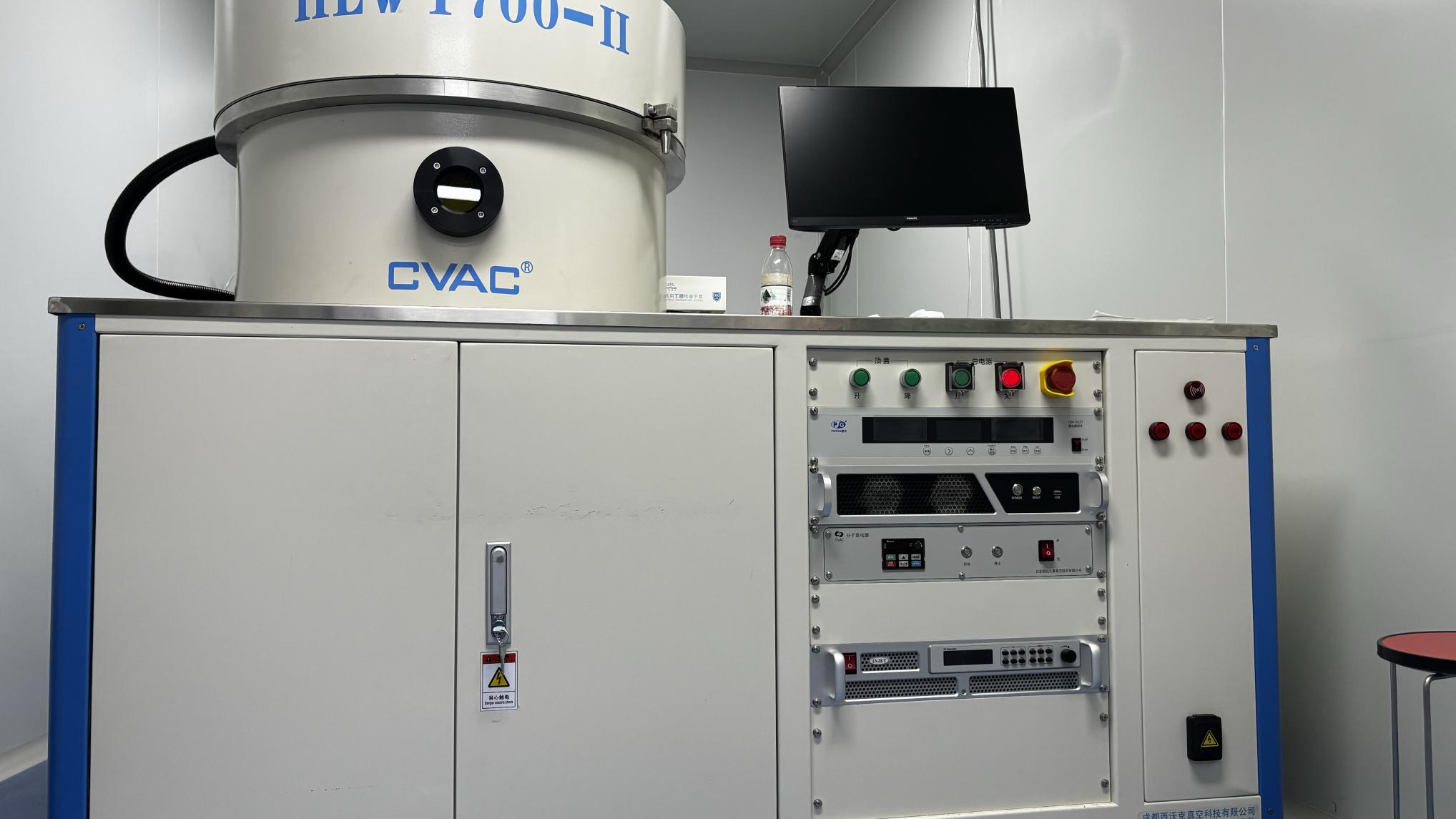
Inside our 386㎡ state-of-the-art facility featuring automated SMT lines, high-frequency testing equipment, and temperature-controlled clean rooms.
Expert technical answers to common queries regarding wearable technology manufacturing, PCB layout design, and memory module optimization.
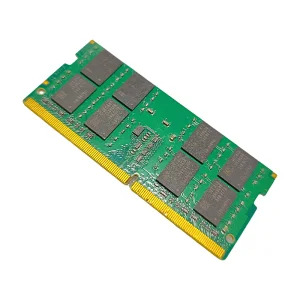
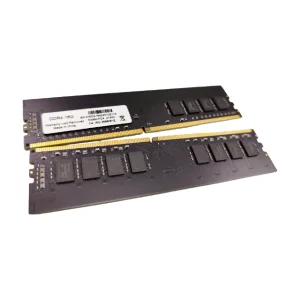
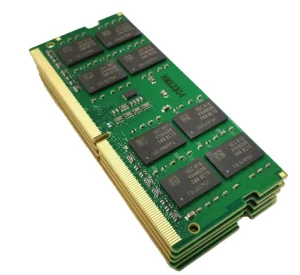
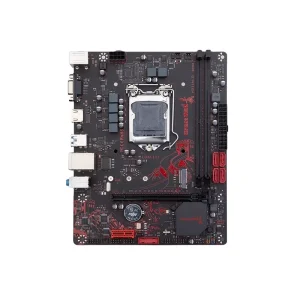
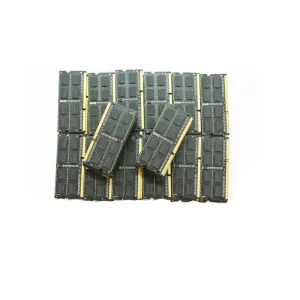
Explore our full line of industrial motherboards, high-frequency DDR4 SODIMMs, and multi-layer PCBA processing systems.
 Memvora