In the modern computing and workstation landscape, the USB Hub and docking station have transitioned from simple port multipliers to critical bottlenecks for data integrity, power distribution, and video processing. As Type-C ports unify charging and peripheral connections under single cables, enterprise buyers must evaluate factories based on their ability to execute multi-layered high-frequency printed circuit board (PCB) designs, manage thermal loads, and maintain signal fidelity over extended cable runs.
The manufacturing ecosystem of global USB hub suppliers is deeply integrated within the broader component supply chains of East Asia. Navigating this landscape requires understanding the core components: microcontroller units (MCUs) from leading silicon vendors like Genesys Logic, Realtek, VIA Labs, or Cypress; ESD protection matrices; high-efficiency buck converters; and EMI shielding configurations. A minor deficiency in any of these stages leads to dropped connections, display flickering, or structural device failures.
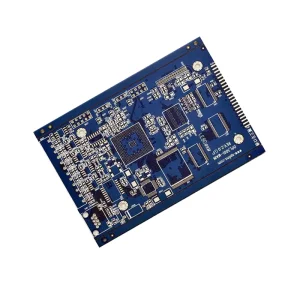
The integration of USB4 (40Gbps), Thunderbolt 3/4, and USB 3.2 Gen 2 (10Gbps) protocols has forced factories to invest heavily in upgraded surface mount technology (SMT) machinery. Unlike legacy USB 2.0 hubs, high-speed interfaces operate at microwave-equivalent frequencies. This transition makes trace routing, parasitic capacitance minimization, and impedance control on the internal board assembly absolutely vital. Importers are no longer merely sourcing mechanical assemblies; they are procurement partners for high-density, multi-layer electronic subsystems.
Proximity to specialized chip agents, high-precision crystal oscillators, step-down converters, and metal chassis milling facilities ensures rapid cycle times and low bill-of-materials (BOM) costs.
Production lines in Southern China leverage multi-layer FR4 materials, advanced impedance calculators, and precise solder-mask applications, preventing signal attenuation and cross-talk.
From custom enclosure tooling, laser engraving of enterprise logos, to custom PID/VID firmware programming to resolve OS driver issues, Chinese manufacturers offer unparalleled design agility.
B2B procurement professionals must navigate a checklist beyond unit cost when selecting a USB Hub exporter. The primary consideration is stability under heavy loads. An enterprise deployment involving multiple USB 3.0 devices, high-definition external monitors, and high-wattage laptops requires active power management. The best factories utilize dual-stage voltage regulation and offer separate power rails for data transmission circuits and USB PD passthrough circuits. Additionally, the casing material (CNC aluminum versus ABS plastic) determines thermal dissipation efficiency, which directly correlates with device lifespan.
Exporting high-frequency electronic hubs requires rigorous adherence to local regulatory frameworks. Without the appropriate safety and emission documentation, shipments risk custom delays or product liability issues in destination markets.
Certifies that electromagnetic interference (EMI) is under permissible limits for commercial or residential deployment.
Restricts hazardous substances in electrical assemblies, guaranteeing ecological and health safety in Europe.
Validates compatibility with USB power delivery standards and HDMI display protocol compliance without licensing infractions.
Protects internal IC matrices from static discharges (often up to ±15kV air and ±8kV contact discharges).
Traditional setups require a bulky AC adapter to drive power-hungry USB hubs. The integration of high-efficiency Gallium Nitride transistors directly into the hub casing allows manufacturers to design hybrid chargers and hubs. This design shrinks footprint and reduces heat generation, making it a favorite for hybrid office deployments.
As remote workstations demand dual or triple 4K monitors, high-performance hubs must integrate MST chipsets. For operating systems that restrict native MST (like macOS), high-tier exporters incorporate DisplayLink chips. This integration allows driver-based external multi-monitor support over standard USB ports, shifting computing boundaries.
Modern hubs must intelligently negotiate USB PD profiles. Through smart firmware, hubs dynamically scale down charging wattage supplied to a laptop if a high-current external solid-state drive (SSD) or optical drive is plugged in, preventing brownouts and preserving connected hardware.
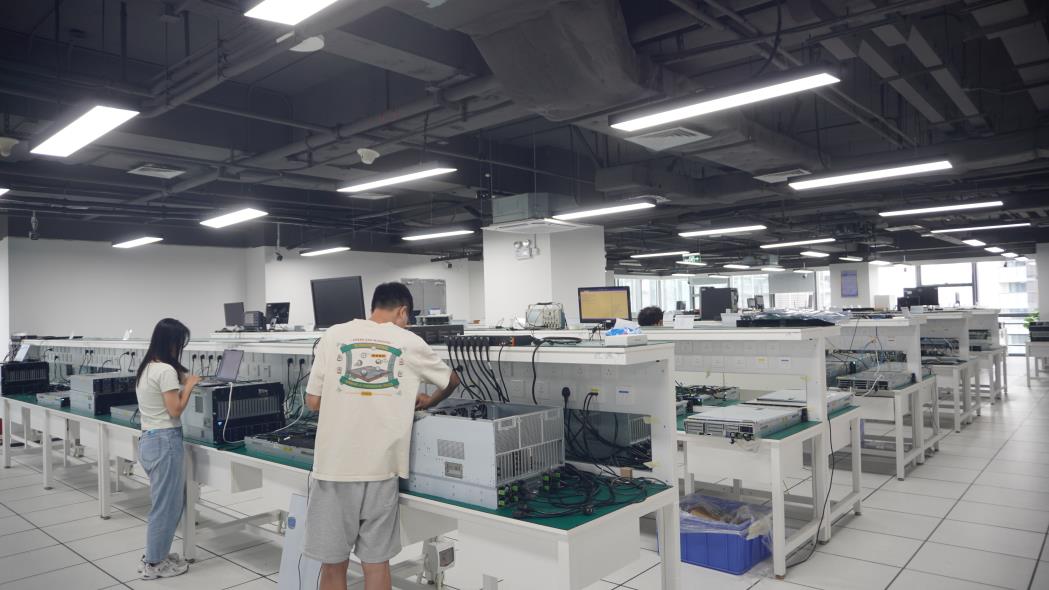
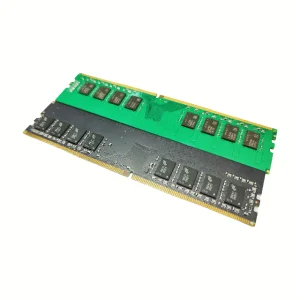
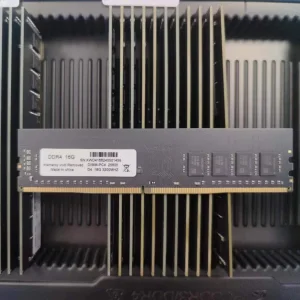
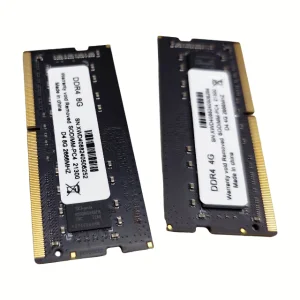
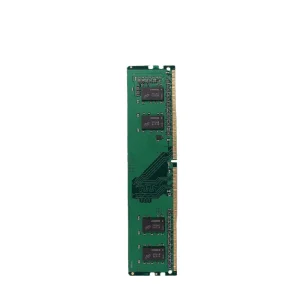
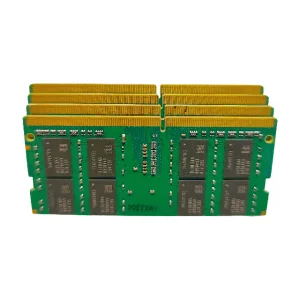
Founded in 2017, Memvora Electronics Technology Co., Ltd. is a professional manufacturer specializing in high-performance DDR5 memory modules, dedicated to delivering reliable memory solutions for consumer, industrial, enterprise, and embedded applications worldwide. With a modern manufacturing facility covering 386㎡, we combine advanced production equipment, strict quality management, and experienced engineering expertise to provide stable, high-speed memory products for global OEM and ODM partners.
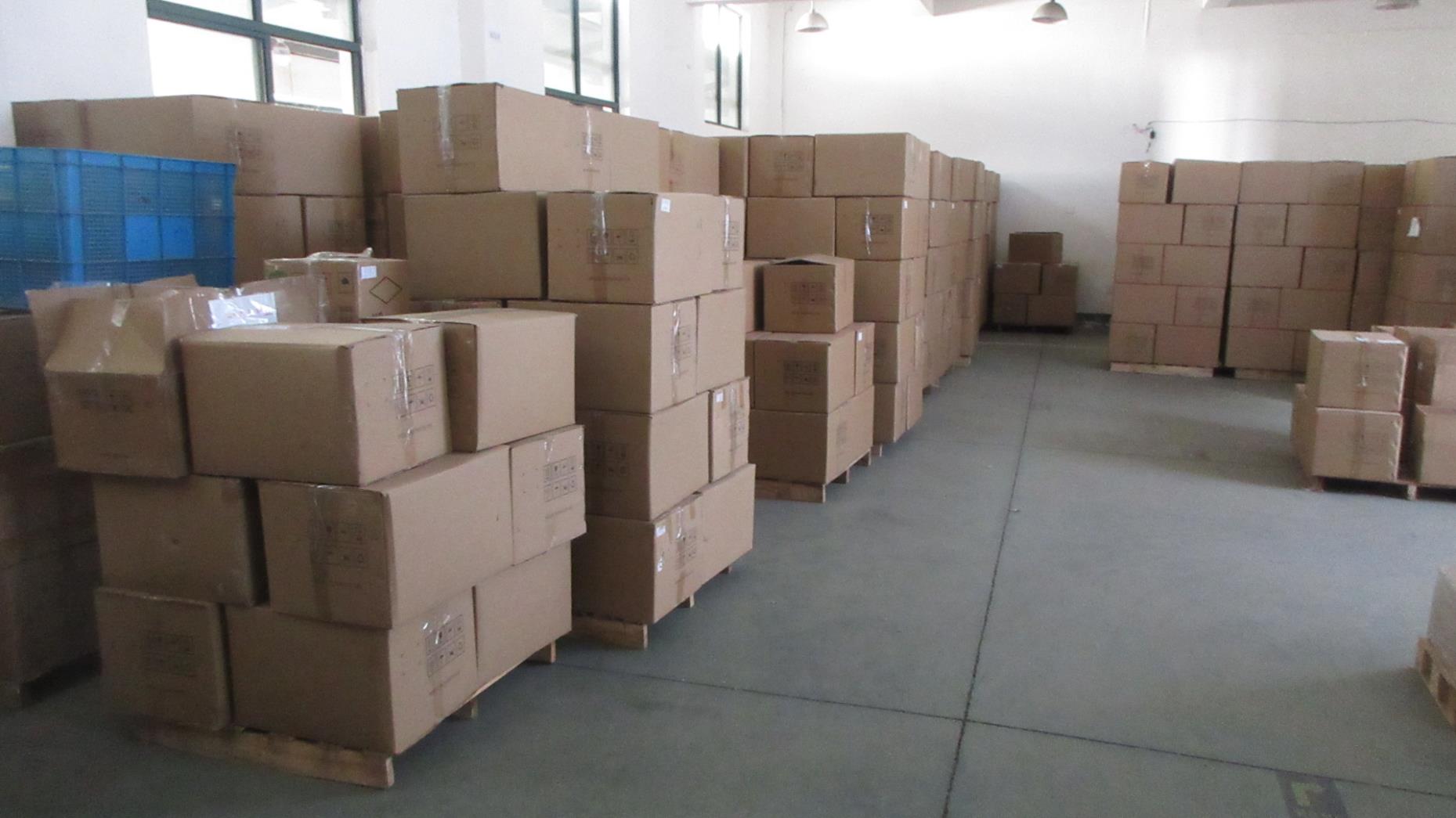
Since entering the international market, Memvora has accumulated 7 years of export experience, serving customers across North America, Europe, Southeast Asia, the Middle East, and South America. Our annual export revenue exceeds US$18.6 million, supported by a strong global supply chain and long-term partnerships with more than 1,280 component suppliers and business partners.
With 14 years of industry experience, our team continuously invests in technology innovation and product development. Our R&D department consists of 126 professional engineers who focus on developing next-generation DDR5 memory solutions with higher speed, lower latency, and enhanced reliability. Last year alone, we successfully launched 86 new memory products to meet the evolving needs of gaming, AI computing, industrial automation, and enterprise servers.
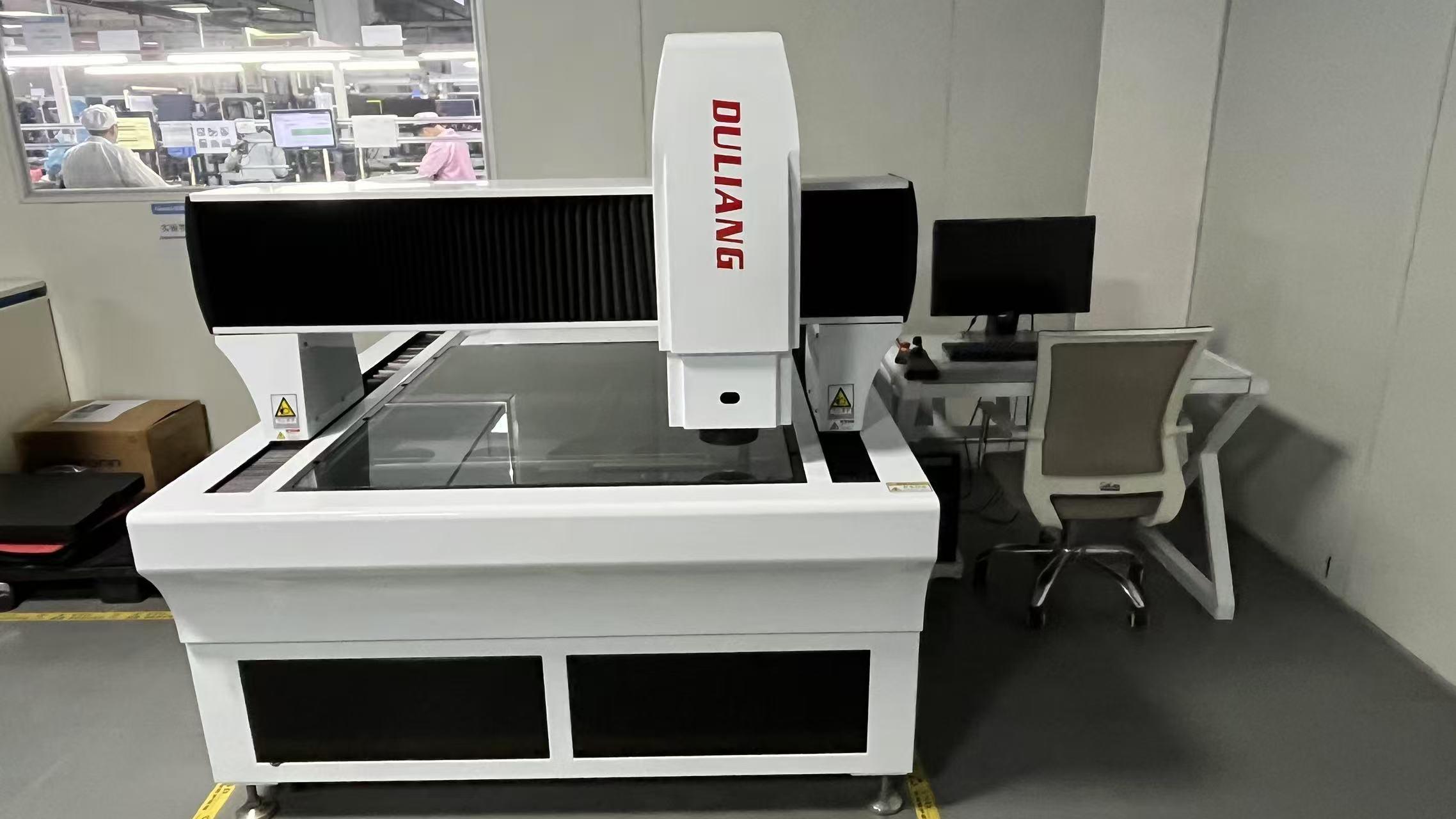
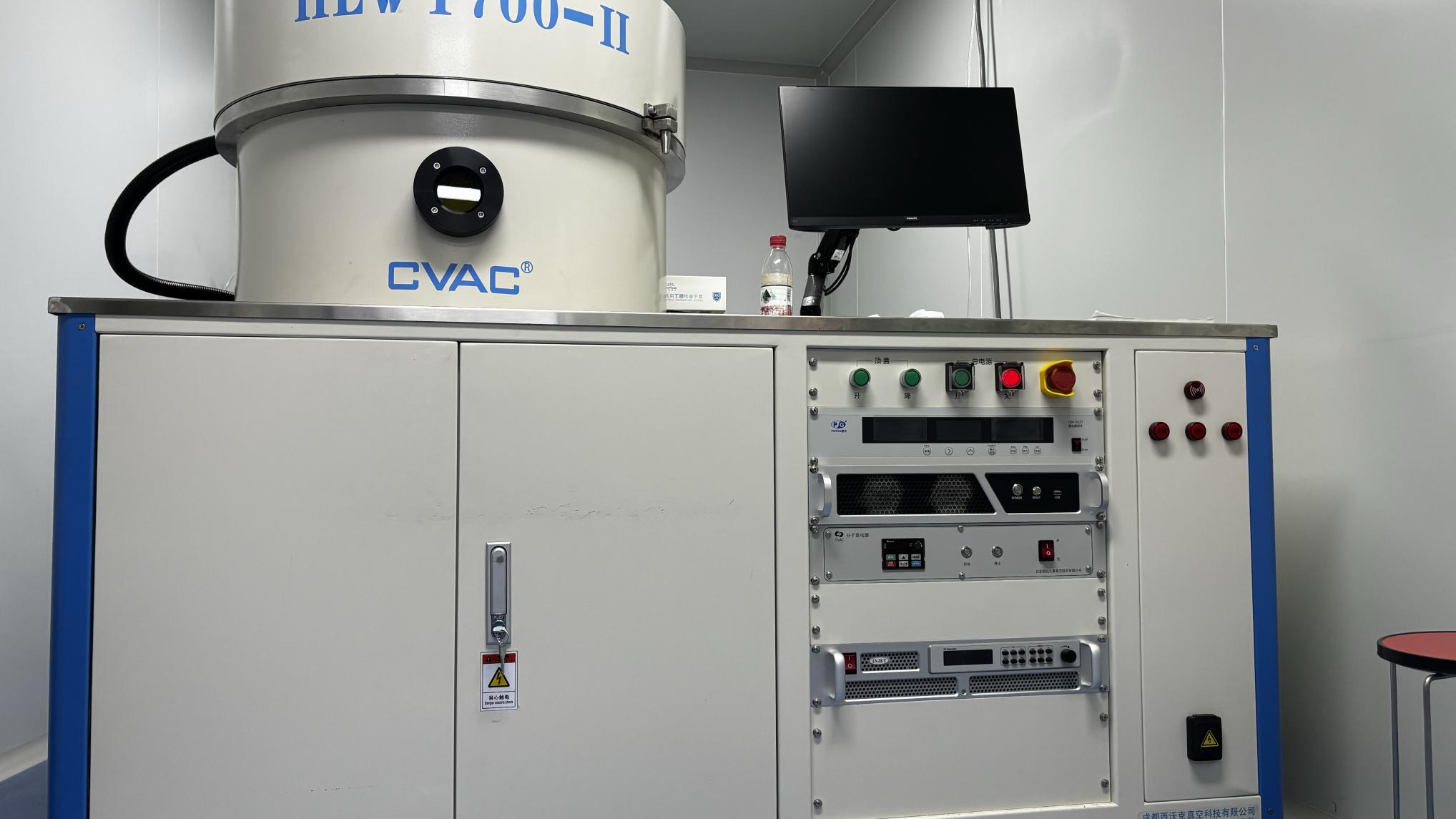
Quality is the foundation of everything we do. Every product undergoes 100% functional testing, burn-in testing, compatibility testing, signal integrity testing, and aging tests before shipment. Our dedicated quality control team of 42 inspectors ensures every memory module meets rigorous international quality standards and delivers long-term stable performance.
Memvora provides flexible OEM, ODM, private label, custom capacity, PCB color, heat spreader design, firmware optimization, and packaging customization services to meet different market requirements. Backed by a responsive engineering team and efficient production management, we help customers shorten development cycles and accelerate product launches.
Today, Memvora serves a diverse customer base including memory brands, computer manufacturers, industrial equipment suppliers, system integrators, distributors, wholesalers, and e-commerce retailers. Through continuous innovation, reliable quality, and customer-focused service, we are committed to becoming a trusted global partner for advanced DDR5 memory manufacturing and customized DRAM solutions.
USB 3.0 data streams generate noise in the 2.4GHz ISM band, causing latency or dropping packets in wireless dongles connected nearby. Premium factories resolve this issue by applying structural shielding inside the hub chassis. This shielding includes enclosing the USB 3.0 connectors in tin-plated steel shields, using high-density copper weave cables, and placing decoupling capacitors near signal terminals to filter out parasitic high-frequency noise.
Cheap USB hubs route power and data over shared buses, leading to voltage drops when multiple devices draw load. Independent power rails isolate the main computer VBUS supply from auxiliary peripheral supplies. This design prevents high-power components (like portable SSDs or thermal controllers) from draining power needed for signal processors, ensuring zero dropouts during intense data transit operations.
Active conversion chips (like those for HDMI output or Gigabit Ethernet) generate significant heat, especially during USB PD pass-through. If internal temps cross 75°C, microcontrollers throttle data transfer speeds to protect circuits. Advanced exporters combat this by utilizing thermal pads to link hot chips directly to aluminum-alloy outer enclosures. This design uses the entire surface area as a passive radiator, keeping operating temperatures under 45°C.
Importers should request reports including: (1) Eye diagram tests to verify USB 3.2 signal integrity; (2) Time Domain Reflectometer (TDR) measurements for impedance matching; (3) Thermal imaging under full load (100W PD + all data ports busy); (4) Electrostatic Discharge (ESD) resilience testing; (5) High-humidity aging tests. Reputable factories like Memvora provide these reports to verify their structural engineering quality.
 Memvora