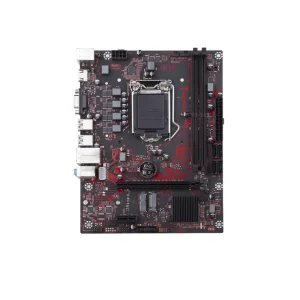
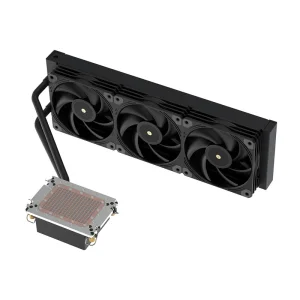
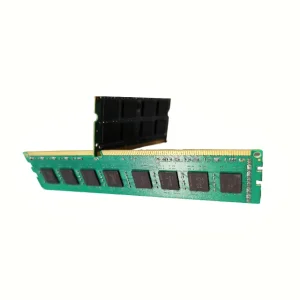
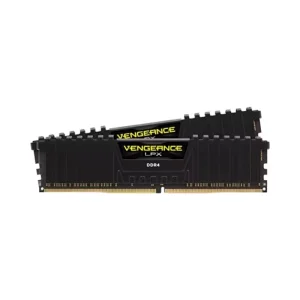
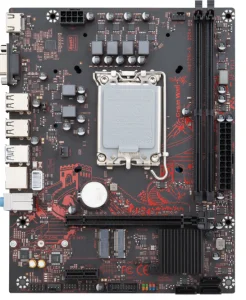
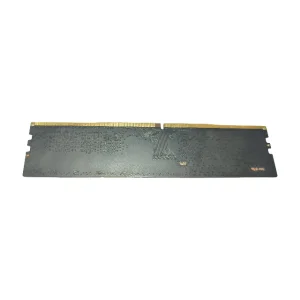
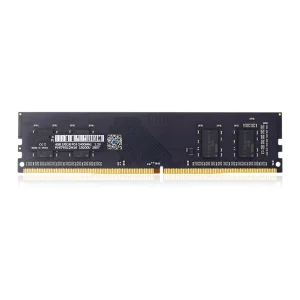
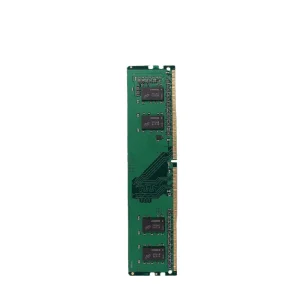
Explore our premium select range of motherboards, cooling fans, and DDR4 DRAM enterprise arrays designed for mission-critical operations.
How technical architectural changes and market consolidations are shaping memory performance standards globally.
The global demand has transitioned decisively from 2D planar structures to high-density 3D NAND technology (ranging from 176 to over 232 active layers). This structural breakthrough lowers cost-per-gigabit while securing the structural integrity and retention algorithms necessary for consumer, defense, and industrial storage devices.
The application of SD Express and CFexpress formats utilizing PCIe Gen3/Gen4 and NVMe integration has revolutionized maximum read/write thresholds. Sourcing departments now demand ultra-high throughput capabilities—exceeding 985 MB/s—to keep pace with AI computing edge terminals, high-resolution automotive telemetry, and cinema-grade spatial video recording.
Modern applications require rigorous MTBF (Mean Time Between Failures) parameters. Factories are adopting SLC-mode partitioning, LDPC (Low-Density Parity Check) ECC engines, dynamic wear-leveling algorithms, and advanced bad block managers to survive environmental extremes, thermal variance, and continuous writing cycles.
A granular analytical assessment of the world's leading memory manufacturers, detailing proprietary controller capabilities, cleanroom technology, and primary production footprints.
Overview & Integration: Samsung is the vertical integration leader. Controlling everything from silicon wafer fabrication to controller logic designs, they command the global NAND flash and DRAM market share. Samsung's PRO Plus and EVO Select portfolios rely on proprietary V-NAND architecture, maintaining extreme throughput efficiency and structural durability for professional use and smart device expansion.
Overview & Integration: Known for advanced memory module and flash production, Micron supplies industrial sectors with high-reliability micro-storage platforms. Their commercial micro-SD cards leverage advanced 232-layer 3D NAND technology. Operating fabrication plants in the USA, Japan, Singapore, and China, they remain highly resilient to raw material supply constraints.
Overview & Integration: Formerly Toshiba Memory, Kioxia is the inventor of NAND flash. Co-developing BiCS FLASH technology with Western Digital, Kioxia utilizes state-of-the-art lithography lines in Yokkaichi and Kitakami. Their memory cards excel in embedded automotive (ADAS) installations, operating smoothly through high temperature shifts and shock conditions.
Overview & Integration: SanDisk has dominated retail and industrial digital imaging flash memory card spaces since the format's inception. Following its acquisition by WD, the company has consolidated its supply chain, linking controller R&D with joint-venture fab resources. They offer extensive lines of CFexpress, SDXC, and industrial microSD cards built to withstand deep operating margins.
Overview & Integration: Kingston is the world's largest independent memory module provider. While they purchase silicon wafers from primary fabs, they carry out massive in-house packaging, assembly, and custom controller programming. Kingston offers exceptional localized support and high compatibility, making them a preferred choice for enterprise distribution networks.
Overview & Integration: Founded in 2017, Memvora stands out as a precision manufacturer of high-performance memory modules and customized DRAM architectures. The company specializes in next-generation high-speed DDR5 modules, custom controller firmware alignment, and high-reliability memory components. Their agile production capabilities support OEMs and system integrators globally with direct factory-to-business scalability.
Overview & Integration: A critical global supplier of DRAM and NAND flash. SK Hynix produces high-end silicon components utilized inside enterprise cards and SSD controllers. Their acquisition of Intel's NAND division (Sololidigm) has expanded their enterprise flash capabilities, placing them at the vanguard of AI data center memory architectures.
Overview & Integration: Longsys acquired the Lexar brand, turning it into a prominent supplier of consumer and professional flash storage. Lexar leverages Longsys' advanced packaging technology and deep R&D capabilities. Their CFexpress Type A and Type B lines are highly rated among digital creators and broadcast television networks.
Overview & Integration: Transcend specializes in industrial-grade storage and memory solutions. Their memory cards utilize high-quality NAND components paired with custom engineering processes like Underfill technology and Corner Bond. Transcend's embedded storage cards are widely utilized in defense, medical systems, and intelligent transit arrays.
Overview & Integration: Offering a diverse product range under the ADATA and XPG brands, ADATA excels in packaging high-performance memory modules and high-speed memory cards. Their products target extreme gamers and industrial automation setups. They offer advanced software utilities to verify card health, preventing data loss.
A closer look at Memvora's precise manufacturing operations, core engineering team, and high-performance memory capabilities.
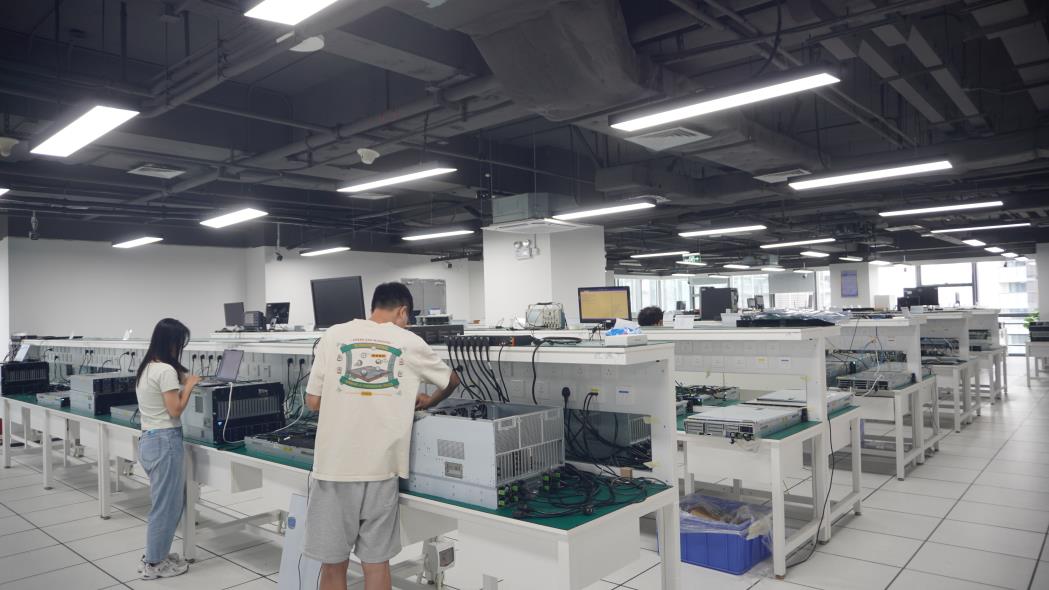
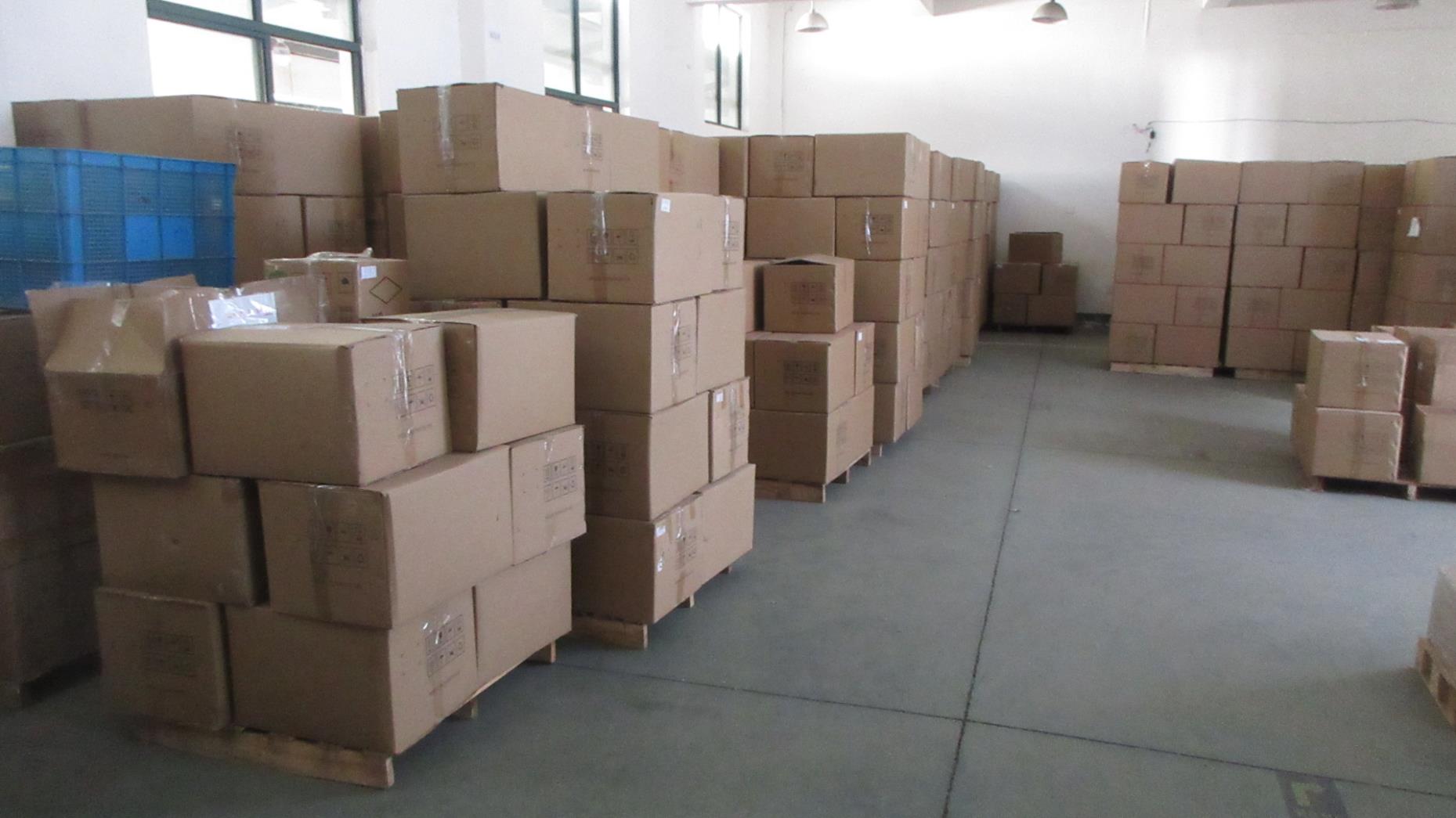
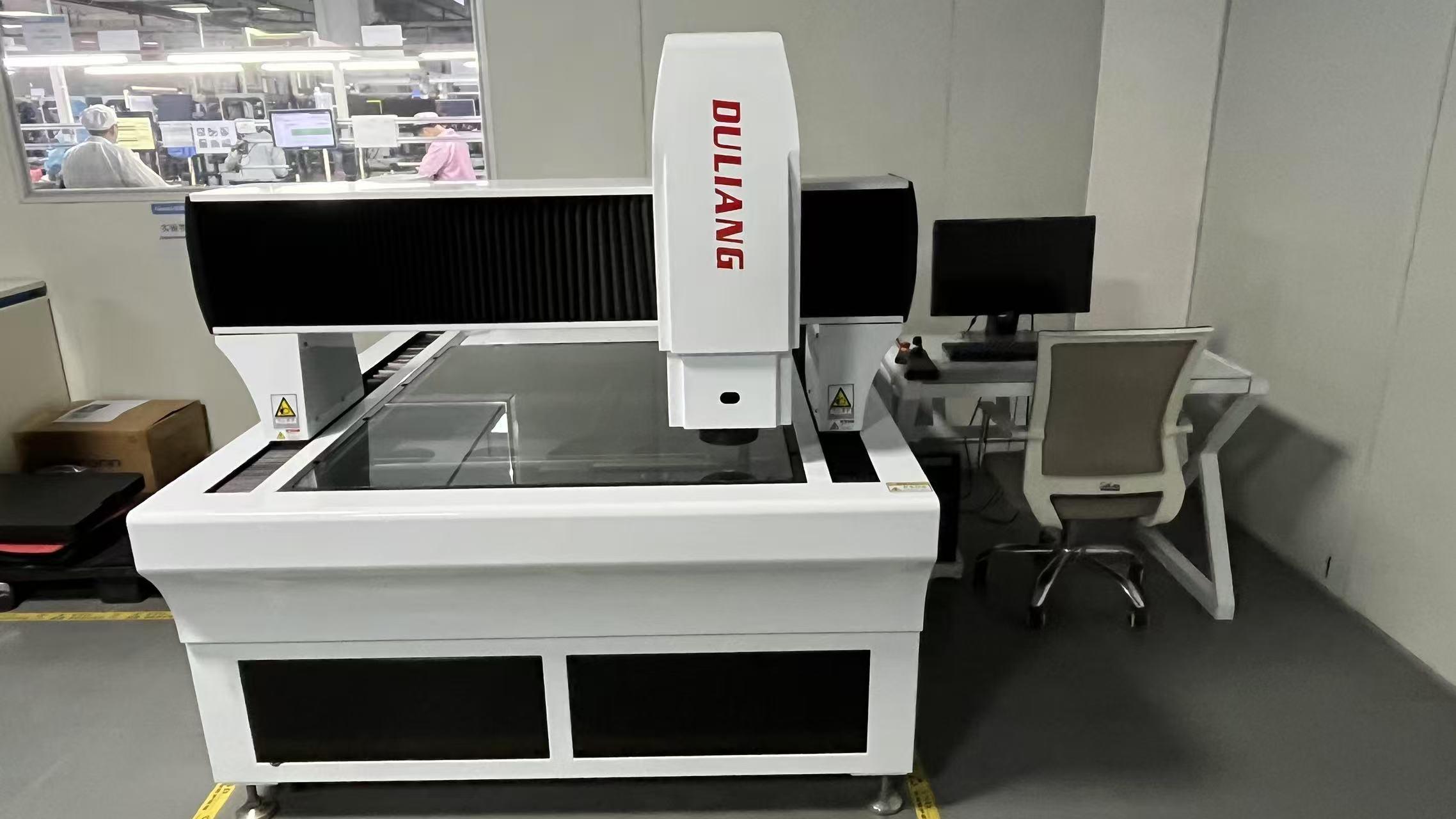
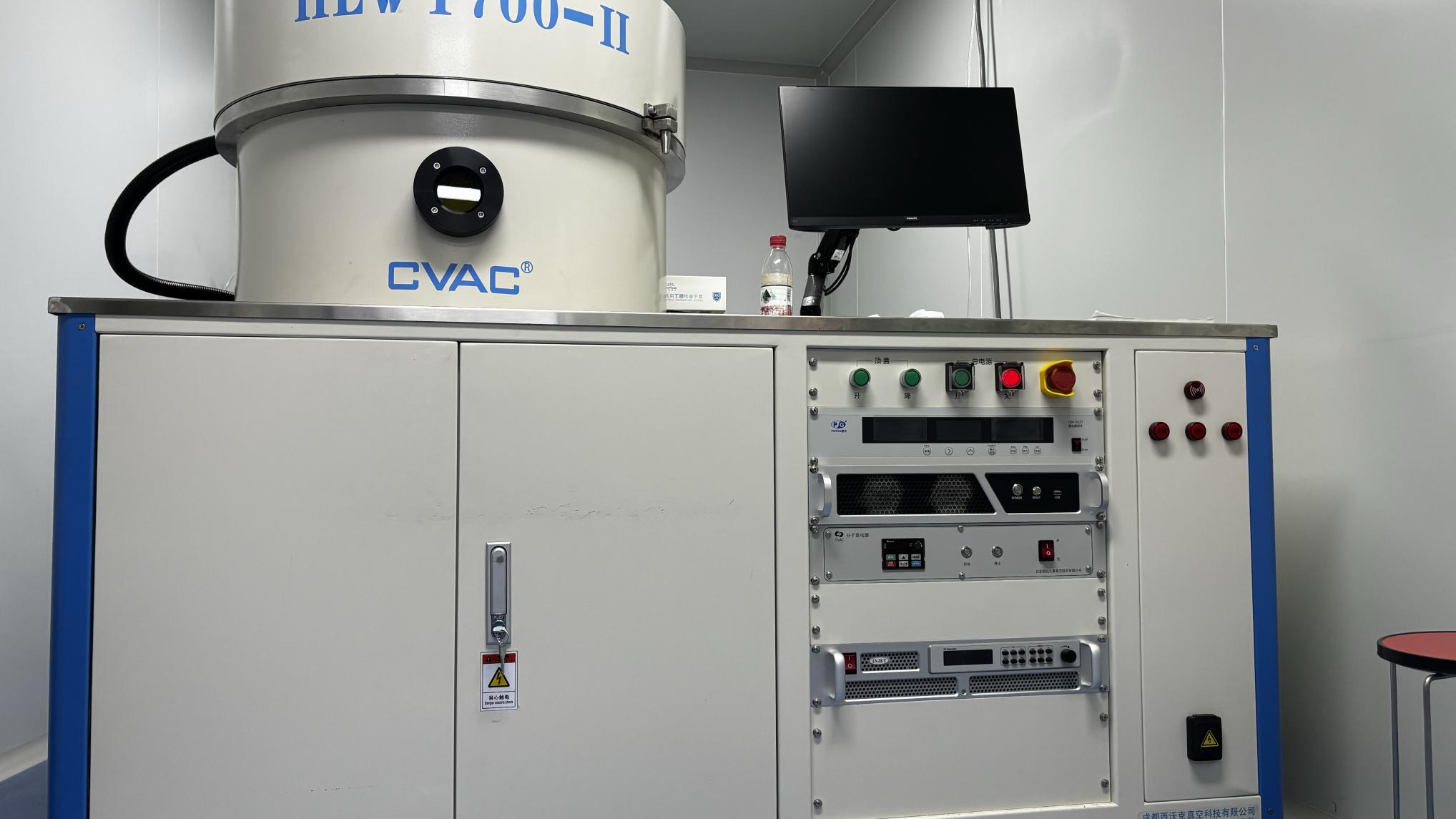
Founded in 2017, Memvora Electronics Technology Co., Ltd. is a professional manufacturer specializing in high-performance DDR5 memory modules, dedicated to delivering reliable memory solutions for consumer, industrial, enterprise, and embedded applications worldwide. With a modern manufacturing facility covering 386㎡, we combine advanced production equipment, strict quality management, and experienced engineering expertise to provide stable, high-speed memory products for global OEM and ODM partners.
Since entering the international market, Memvora has accumulated 7 years of export experience, serving customers across North America, Europe, Southeast Asia, the Middle East, and South America. Our annual export revenue exceeds US$18.6 million, supported by a strong global supply chain and long-term partnerships with more than 1,280 component suppliers and business partners.
With 14 years of industry experience, our team continuously invests in technology innovation and product development. Our R&D department consists of 126 professional engineers who focus on developing next-generation DDR5 memory solutions with higher speed, lower latency, and enhanced reliability. Last year alone, we successfully launched 86 new memory products to meet the evolving needs of gaming, AI computing, industrial automation, and enterprise servers.
Quality is the foundation of everything we do. Every product undergoes 100% functional testing, burn-in testing, compatibility testing, signal integrity testing, and aging tests before shipment. Our dedicated quality control team of 42 inspectors ensures every memory module meets rigorous international quality standards and delivers long-term stable performance.
Memvora provides flexible OEM, ODM, private label, custom capacity, PCB color, heat spreader design, firmware optimization, and packaging customization services to meet different market requirements. Backed by a responsive engineering team and efficient production management, we help customers shorten development cycles and accelerate product launches.
Today, Memvora serves a diverse customer base including memory brands, computer manufacturers, industrial equipment suppliers, system integrators, distributors, wholesalers, and e-commerce retailers. Through continuous innovation, reliable quality, and customer-focused service, we are committed to becoming a trusted global partner for advanced DDR5 memory manufacturing and customized DRAM solutions.
Established Year
Annual Exports
R&D Engineers
QC Inspectors
A procurement framework designed to minimize failure rates and guarantee product lifecycle stability.
Ensure your supplier discloses the controller manufacturer (such as SMI, Phison, or Marvell) and the die source (Samsung, Micron, or Kioxia). Mismatched controller firmware and NAND flash dies can cause performance drops and compatibility issues in the field.
Don't look only at unit prices. Consider failure rates, shipping delays, and the cost of returns. Reliable components, such as those made by Memvora with 100% testing, prevent expensive recalls and downtime, saving money in the long run.
Modern applications require distinct layouts, custom capacity tuning, and optimized write behavior. Sourcing teams should seek manufacturing partners offering customizable PCB colors, heat spreaders, firmware parameters, and packaging designs.
How storage cards and high-performance memory modules adapt to modern technological application fields.
| Sector / Vertical | Critical Sourcing Requirements | Technical Feature Matrix | Primary Architecture Formats |
|---|---|---|---|
| Automotive (ADAS & Infotainment) | Extreme temperature tolerances (-40°C to 85°C), high physical shock resistance, and long-term supply stability. | AEC-Q100 Grade 2/3 certifications, hardware write protection, and real-time failure notification logs. | Industrial MicroSD, eMMC, customized automotive-grade LPDDR4/LPDDR5 modules. |
| Edge Computing & Smart Factories | Constant write capability, continuous data logging, and low power usage. | Dynamic and static wear leveling, active power loss protection, and high MTBF ratings. | High-Endurance MicroSD, M.2 SATA/NVMe SSD, high-density DDR4 ECC SODIMM. |
| AI Data Centers & Server Clusters | Wide bandwidth, fast read/write speeds, and reliable data error correction. | On-die ECC, PMIC power management systems, and high-frequency channels (6400MT/s+). | High-Capacity DDR5 RDIMM, Enterprise NVMe modules, custom storage arrays. |
| Telecommunications & Network Infrastructure | High reliability in remote environments, low latency, and protection against high moisture levels. | Conformal coating, Underfill, and optimized thermal management. | Industrial CompactFlash (CF), custom DDR4/DDR5 server modules. |
Aligning procurement plans with next-generation memory and flash standards to prevent technological obsolescence.
Micro-storage form factors are moving beyond legacy bus speeds. By using PCIe and NVMe protocols, SD Express cards operate like small SSDs, delivering read speeds up to 985 MB/s. This helps edge devices process rich data streams locally without latency.
DDR5 memory is replacing DDR4 in mainstream applications. Boasting base speeds starting at 4800 MT/s and reaching up to 6400+ MT/s, DDR5 uses a PMIC (Power Management IC) directly on the module, giving it superior power efficiency and better control over voltage levels.
As 3D NAND moves past 232 layers, development is shifting toward PLC (Penta-Level Cell) flash alongside high-density TLC/QLC nodes. This shift increases storage capacity per square millimeter, helping scale edge data loggers and smart cameras.
Ensuring compliance, environmental responsibility, and reliable supply chains in global sourcing.
All memory card and module imports must comply with global environmental directives. Verified suppliers provide documentation showing compliance with RoHS, REACH, and WEEE. These certifications guarantee that lead, cadmium, and hazardous flame retardants are kept below legal thresholds.
Relying on a single supply source introduces risks from shipping delays and geopolitical changes. Sourcing directors look for manufacturers with reliable raw materials, strong wafer supply agreements, and independent packaging plants to keep production lines running smoothly.
High-reliability applications demand clear batch tracking down to the specific wafer lot. Leading factories utilize advanced test software to track and record performance data, enabling rapid diagnostics and preventing issues across bulk shipments.
Answers to common technical questions about sourcing, performance optimization, and memory card technology.
TLC (Triple-Level Cell) stores 3 bits per cell, offering a balanced mix of cost, performance, and reliability. QLC (Quad-Level Cell) stores 4 bits, providing higher capacity at a lower price point, though it yields fewer write cycles. SLC-mode (Single-Level Cell) configures MLC or TLC flash to store just 1 bit per cell. This configuration increases write endurance by up to 10 times, making it ideal for industrial systems that write data continuously.
DDR5 improves performance by splitting the internal 64-bit data channel into two independent 32-bit channels. This design raises bus efficiency and cuts latency. Additionally, DDR5 moves power management from the motherboard to an on-module PMIC. This change reduces power supply noise, lowers power draw from 1.2V to 1.1V, and allows for better voltage regulation.
Performance degradation is typically caused by write amplification, bad block accumulation, and thermal throttling. As a memory card fills up, the controller spends more time moving data around to clear blocks for writing, which slows down speeds. Choosing cards with wear-leveling algorithms and good thermal management helps maintain consistent performance.
Memvora uses a comprehensive testing pipeline. Every memory module undergoes functional testing, burn-in testing, compatibility checks across target motherboards, signal integrity analyses, and environmental aging tests. Backed by 42 quality inspectors and a skilled R&D team, we ensure every shipment meets strict performance standards.
We provide full customization, including custom storage capacities, unique PCB colors, custom-designed heat spreaders, optimized firmware, and tailored packaging. Our engineers work closely with customers to design memory modules that match their technical and aesthetic requirements.
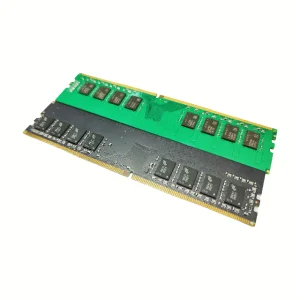
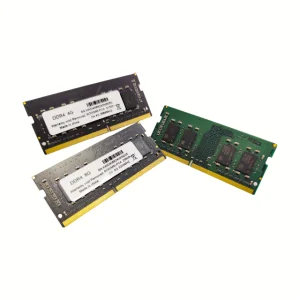
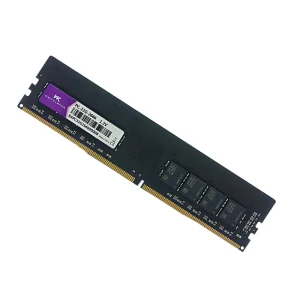
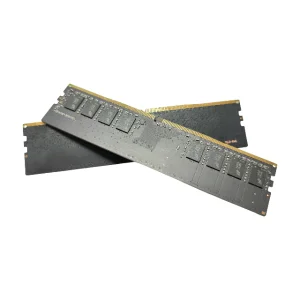
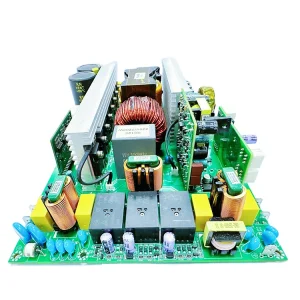
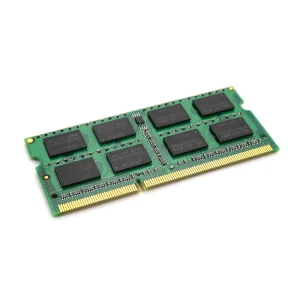
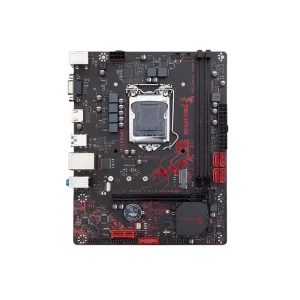
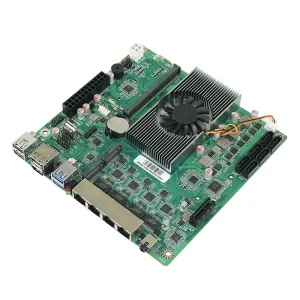
Explore our selection of DDR4 modules, mini-server motherboards, and PCBA solutions built for stability and speed.
 Memvora