The additive manufacturing (AM) sector has matured from a rapid prototyping tool into a core industrial production paradigm. At the heart of this revolution lies the complex supply chain of 3D printing materials. The global export of these specialized materials—ranging from biocompatible photopolymers and ultra-grade thermoplastics to gas-atomized metal powders—constitutes a multi-billion dollar trade flow. As manufacturers seek to produce end-use components for aerospace, medical implants, and automotive structures, the demand for highly consistent, certified materials has skyrocketed.
This global flow of materials is heavily dependent on technical validation. Every batch of exported metal powder or high-performance filament must carry documentation tracing its particle size distribution, purity levels, and thermal behaviors. To sustain this high-level logistics network, exporters use advanced tracking and digital quality twins, which are heavily processed by edge nodes and central databases running on highly reliable, high-performance computing hardware.
The international trade of additive manufacturing feedstocks is dominated by key regions boasting advanced chemical engineering capacities and metallurgical heritage. Below is an analytical look at the Top 10 3D Printing Materials Exporter hubs reshaping global manufacturing:
Pioneering in metal powders (Titanium, Inconel) and industrial polyamides. German exporters are backed by rigorous DIN and ISO standard certifications, serving major aerospace clients in the EU and NA.
Leaders in proprietary high-performance polymers (PEEK, PEKK) and advanced photopolymers. A hub for massive material companies supplying aerospace and military-grade applications.
The global powerhouse for high-volume, cost-effective filaments (PLA, PETG, ABS) and rapidly advancing metal powder atomization. Benefiting from integrated supply chains and rapid scalability.
Renowned for high-purity chemical resins, carbon fiber composites, and ceramics. Japanese exporters excel in specialized electronic-grade 3D materials with nano-fillers.
A key logistics and formulation hub in Europe. Dutch companies export advanced bio-based polymers, custom engineering filaments, and open-source material solutions.
Focuses on high-value alloy formulations and precious metal powders for jewelry, luxury items, and specialist automotive components, backed by premier research universities.
Excels in bio-compatible resins for medical/dental applications and specialty metal alloys designed for nuclear and naval engineering projects.
Leverages deep historical expertise in metallurgy to lead the export of tool steels, stainless steels, and cobalt-chrome powders optimized for metal AM printing systems.
Focuses on high-precision materials, including micro-additive manufacturing polymers and precious metals used in watchmaking and medical micro-implants.
A rapidly growing exporter of semiconductor-compatible 3D resins, conductive printing pastes, and advanced engineering plastics for consumer electronics prototyping.
The selection and export of 3D printing materials are directly tied to computational complexity. Before a single gram of metal powder or spool of filament is loaded into a machine, advanced software systems must simulate the thermodynamic behavior of the material. These processes—such as Finite Element Analysis (FEA) for heat distribution, generative design topology optimization, and high-fidelity slicing of multi-gigabyte STL files—require substantial compute power.
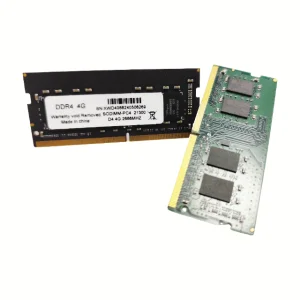
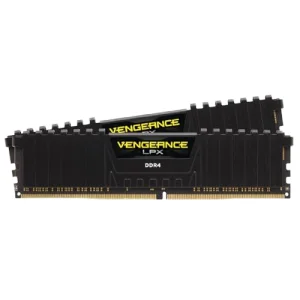
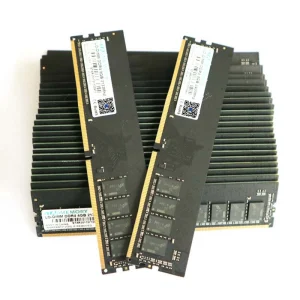
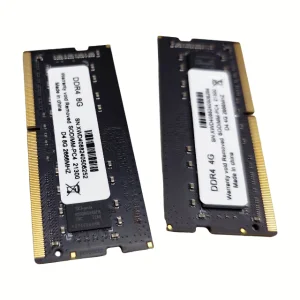
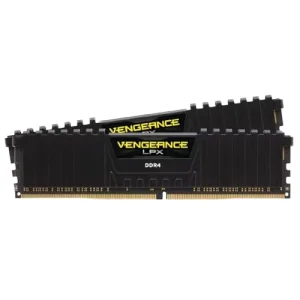
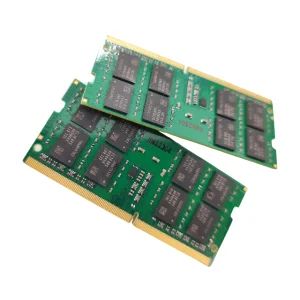
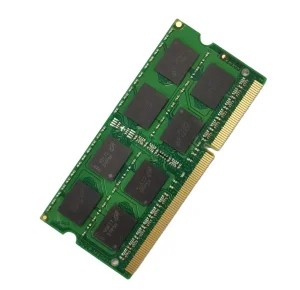
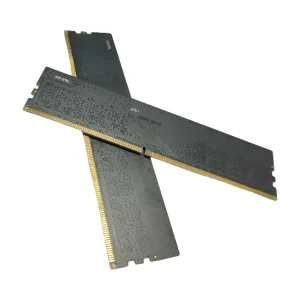
For example, simulated sintering of metal powders requires tracking billions of voxel grid points to predict warping, residual stress, and microstructural defects. Server nodes handling these processes must run 24/7 without single-bit errors. This is where DDR4 & DDR5 ECC (Error-Correcting Code) memory modules become indispensable. ECC memory identifies and corrects data corruption on the fly, preventing system crashes during critical print simulation stages.
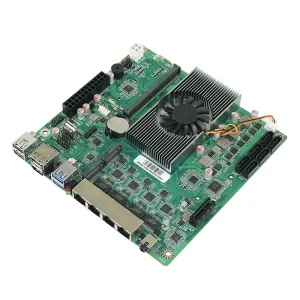
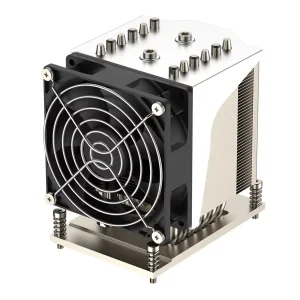
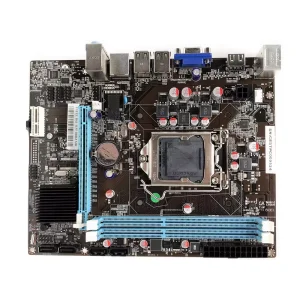
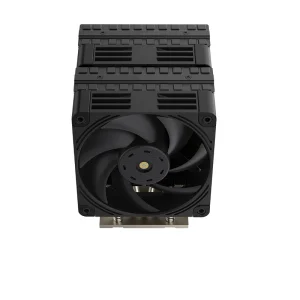
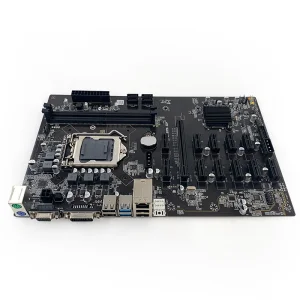
Furthermore, server motherboards configured with robust thermal dissipation (such as high-wattage copper CPU coolers) handle the persistent computational load required by industrial slicing farms. Without high-bandwidth DRAM modules and reliable cooling solutions, the digital pipeline that informs the use of high-end export materials would stall.
| Application Area | Typical Material Systems | Compute / Hardware Requirement | Recommended Hardware Spec |
|---|---|---|---|
| Generative Design & Topology | Al/Ti Alloys, Carbon Composites | Massive parallel matrix calculations, high RAM capacity | DDR5 3200MHz+ ECC Registered Memory, Dual Socket Motherboard |
| High-Fidelity Industrial Slicing | PEEK, PEKK, PEI (Ultem) | Single-core speed, rapid file access, multi-GB STL processing | High-speed DDR4/DDR5 (16GB - 32GB modules), M.2 NVMe SSDs |
| In-Situ Melt Pool Monitoring | Inconel, Cobalt-Chrome powders | Real-time machine learning inference, ultra-low latency data logging | Edge servers with dedicated CPU coolers (e.g., LGA4189 400W), multi-port LAN |
| Micro-AM Precision Slicing | Photopolymers, Hydrogels | Micro-voxel calculations, sub-micron pathing, high-resolution rendering | Mini-ITX high-performance motherboards (e.g., N100 or higher), ECC RAM |
The future of 3D printing materials is moving beyond static mechanical properties toward smart, functional materials. The roadmap for the next decade includes:
Founded in 2017, Memvora Electronics Technology Co., Ltd. is a professional manufacturer specializing in high-performance DDR5 memory modules, dedicated to delivering reliable memory solutions for consumer, industrial, enterprise, and embedded applications worldwide. With a modern manufacturing facility covering 386㎡, we combine advanced production equipment, strict quality management, and experienced engineering expertise to provide stable, high-speed memory products for global OEM and ODM partners. These hardware solutions directly power the high-throughput servers used by exporters of 3D printing materials to manage international databases, simulate materials behaviors, and oversee complex logistical operations.
Since entering the international market, Memvora has accumulated 7 years of export experience, serving customers across North America, Europe, Southeast Asia, the Middle East, and South America. Our annual export revenue exceeds US$18.6 million, supported by a strong global supply chain and long-term partnerships with more than 1,280 component suppliers and business partners.
With 14 years of industry experience, our team continuously invests in technology innovation and product development. Our R&D department consists of 126 professional engineers who focus on developing next-generation DDR5 memory solutions with higher speed, lower latency, and enhanced reliability. Last year alone, we successfully launched 86 new memory products to meet the evolving needs of gaming, AI computing, industrial automation, and enterprise servers.
Quality is the foundation of everything we do. Every product undergoes 100% functional testing, burn-in testing, compatibility testing, signal integrity testing, and aging tests before shipment. Our dedicated quality control team of 42 inspectors ensures every memory module meets rigorous international quality standards and delivers long-term stable performance.
Memvora provides flexible OEM, ODM, private label, custom capacity, PCB color, heat spreader design, firmware optimization, and packaging customization services to meet different market requirements. Backed by a responsive engineering team and efficient production management, we help customers shorten development cycles and accelerate product launches.
Today, Memvora serves a diverse customer base including memory brands, computer manufacturers, industrial equipment suppliers, system integrators, distributors, wholesalers, and e-commerce retailers. Through continuous innovation, reliable quality, and customer-focused service, we are committed to becoming a trusted global partner for advanced DDR5 memory manufacturing and customized DRAM solutions.
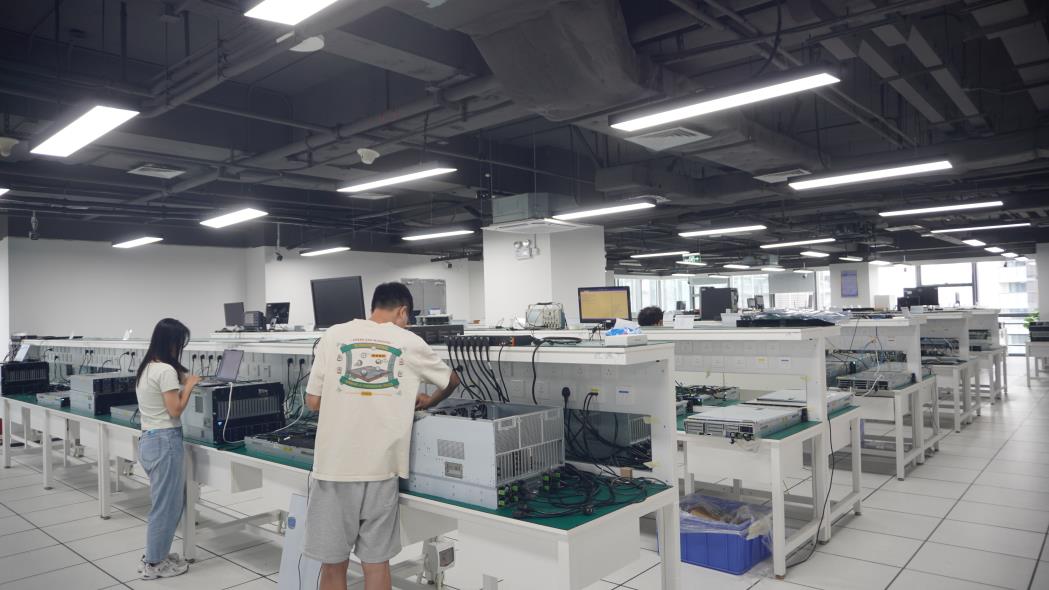
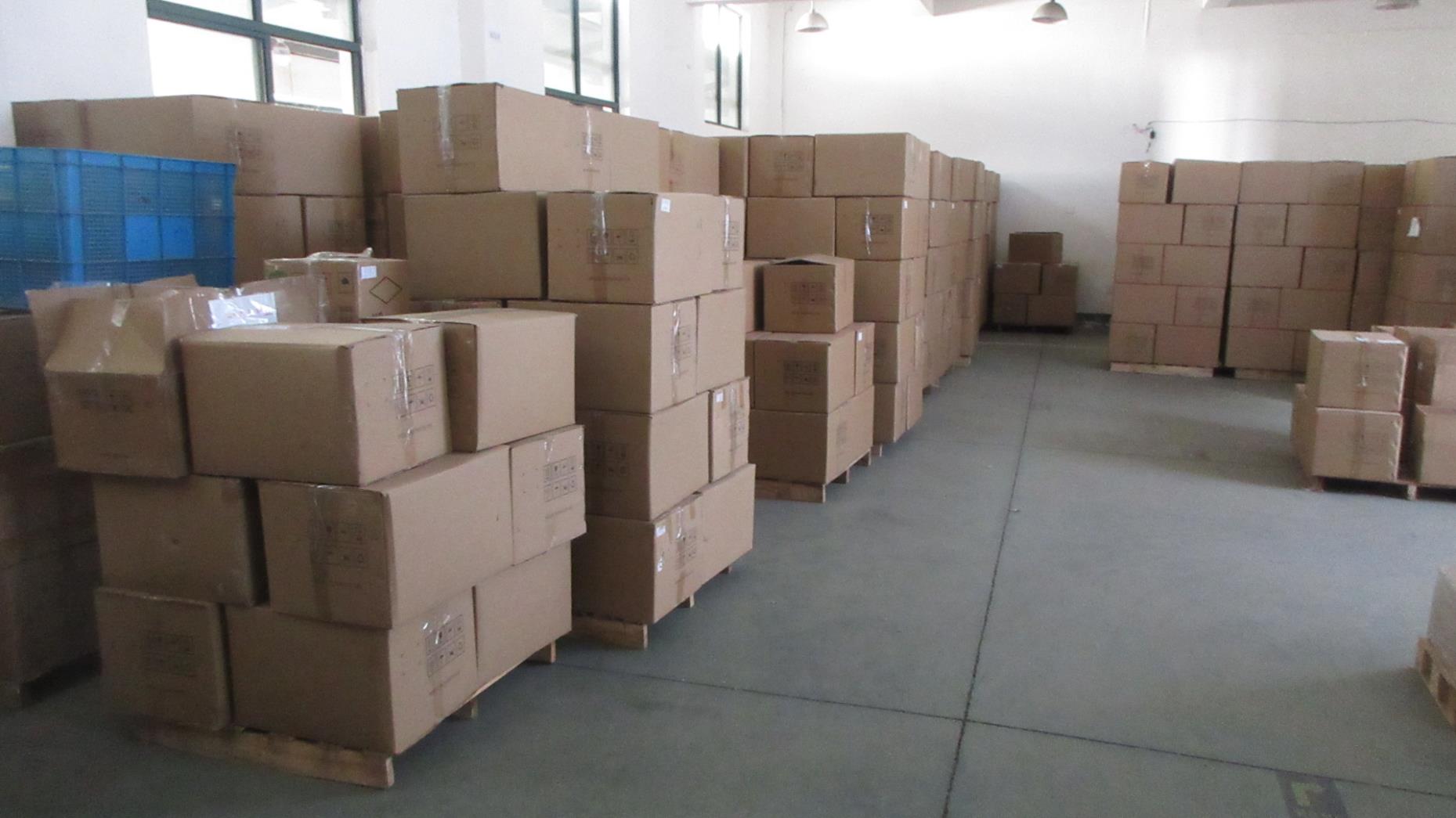
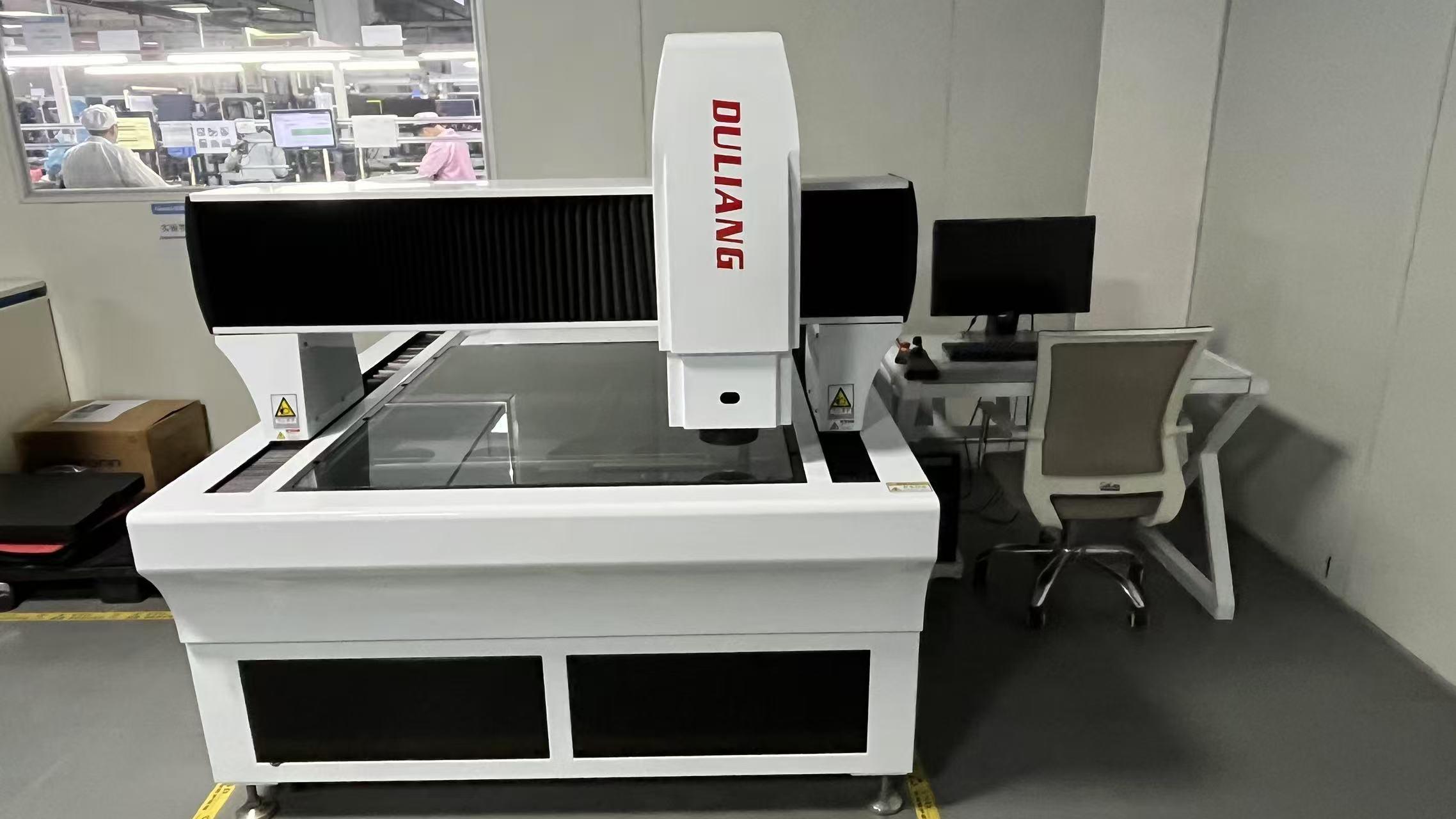
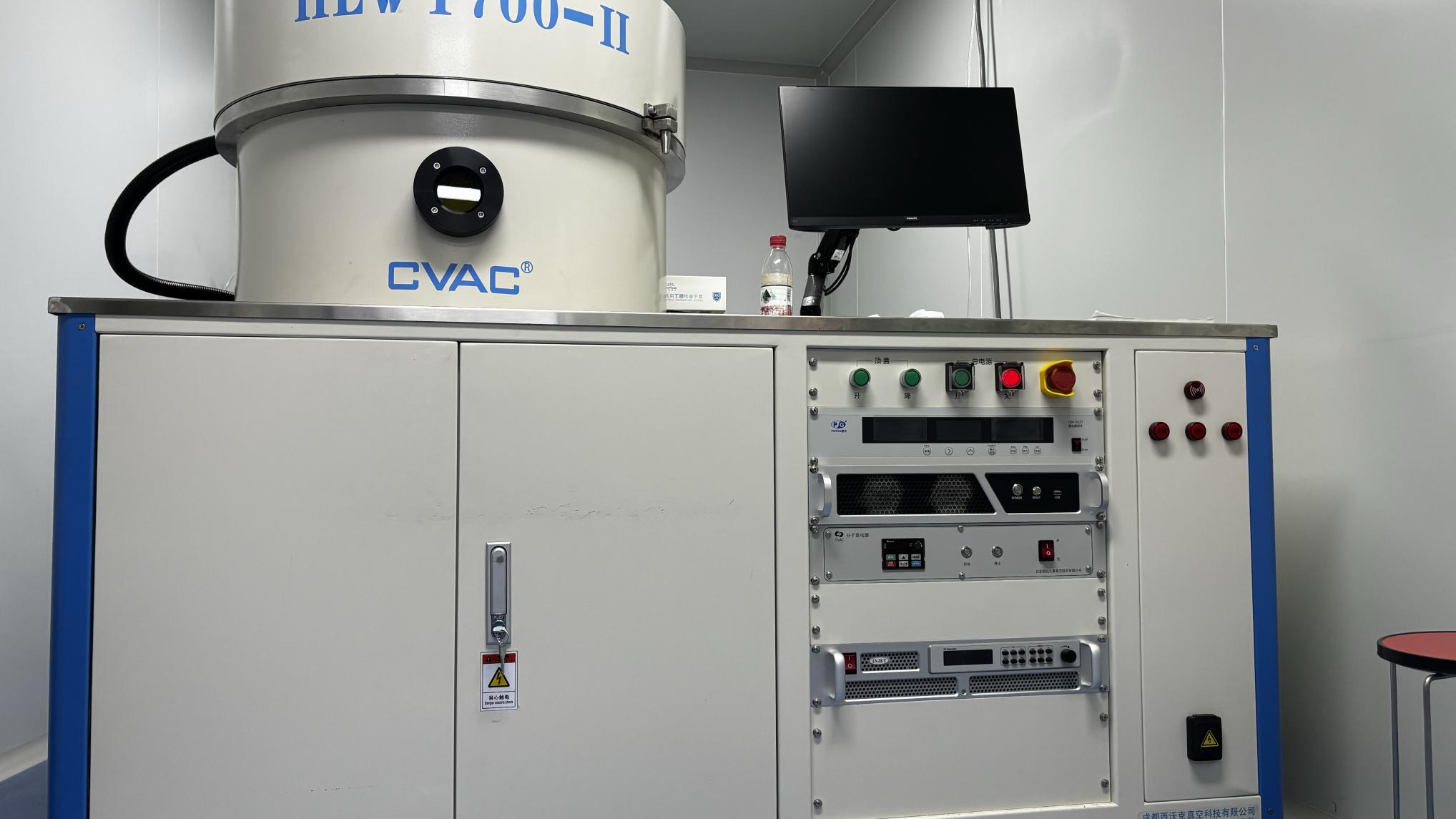
Operating in the high-performance material sector requires seamless vertical integration. Material quality changes with minor variations in ambient conditions, shipping delay periods, and storage temperatures. Exporters mitigate these issues by utilizing edge sensors, automated tracking systems, and deep data integration protocols.
By implementing industrial computer systems optimized with specialized memory architecture, exporters can accurately manage global inventories and trace materials back to their initial production batches. Real-time logging of environmental shipping conditions ensures that high-value titanium powders and specialized medical resins arrive at their destination fully compliant with regulatory certifications.
A1: Materials used in industrial capacities are certified by bodies such as ASTM International (specifically Committee F42), ISO/TC 261, and regional authorities like the FDA for medical biocompatibility or EASA/FAA for aerospace structural components.
A2: High-latency or non-ECC memory can cause calculation drift during complex finite element analyses of material cooling curves. A single-bit error can compromise hours of render data, resulting in false simulation profiles and eventual structural failures in printed parts.
A3: Metal powders like Titanium are highly reactive and must be stored and shipped under inert gas environments (typically Argon) to prevent oxidation. Containers must be monitored to ensure seal integrity during transit.
A4: Smart factories rely on real-time operational feedback. High-performance DRAM modules on edge computers handle rapid signal translation from melt-pool optical pyrometers, allowing the printing system to adjust parameters mid-print to avoid structural defects.
 Memvora