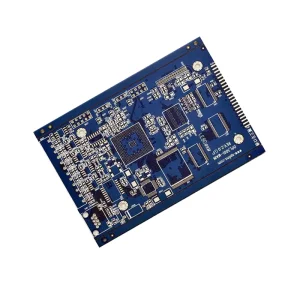
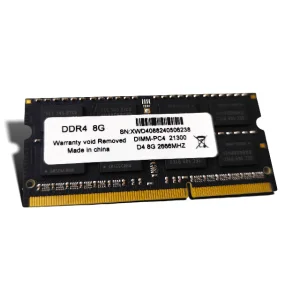
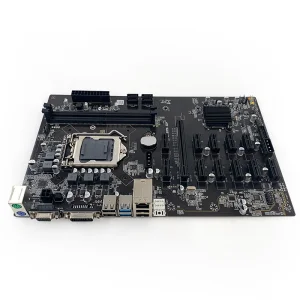
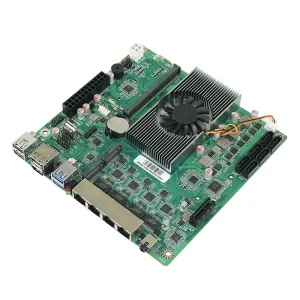
The global consumer IoT market has matured from novel remote-controlled accessories to highly integrated edge-AI ecosystems. Today, smart home solutions are dominated by the need for continuous processing, real-time response, and low latency. According to industry analyses, the smart home device manufacturing market is transitioning toward complex hardware structures. Hubs, local edge servers, and control terminals now require computing speeds comparable to enterprise systems.
This evolution creates massive demand for sophisticated PCB assembly (PCBA), specialized memory optimization, and advanced cooling designs. Original Equipment Manufacturers (OEMs) and Original Design Manufacturers (ODMs) are tasked with integrating robust processing platforms like ARM Cortex or Intel N-series chips within space-constrained, fanless, or thermal-optimized enclosures.
Our experience demonstrates that reliable memory modules and dedicated cooling solutions are no longer optional. They are the baseline for smart hubs processing multiple HD camera streams, localized machine learning algorithms, and local automation rules.
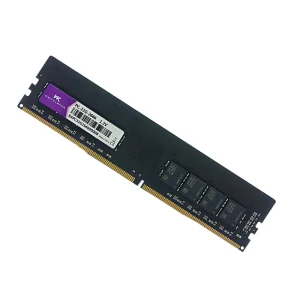
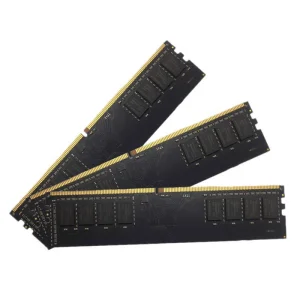
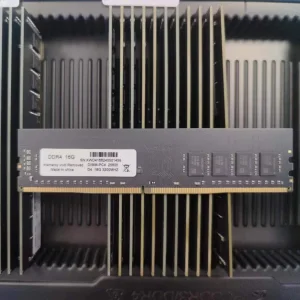
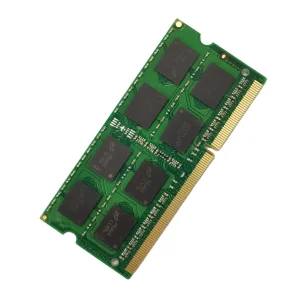
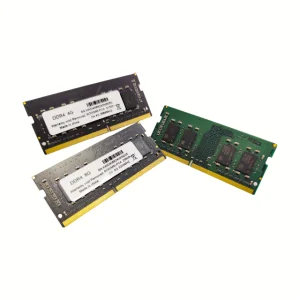
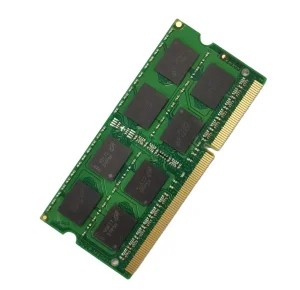
Integrating high-speed DRAM modules (like DDR4/DDR5 ECC RAM) into smart home gateways to process voice recognition and predictive automation locally, eliminating cloud latency.
Optimizing PCB layout design and component spacing to ensure reliable RF signals for Thread, Zigbee, Wi-Fi 6, and Bluetooth Low Energy coexistence.
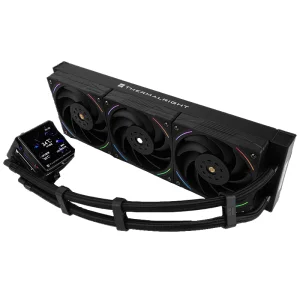
Deploying tailor-made BGA heatsinks and active cooling solutions inside smart control panels to avoid thermal throttling under continuous network loads.
Founded in 2017, Memvora Electronics Technology Co., Ltd. is a professional manufacturer specializing in high-performance DDR5 memory modules, dedicated to delivering reliable memory solutions for consumer, industrial, enterprise, and embedded applications worldwide. With a modern manufacturing facility covering 386㎡, we combine advanced production equipment, strict quality management, and experienced engineering expertise to provide stable, high-speed memory products for global OEM and ODM partners.
Since entering the international market, Memvora has accumulated 7 years of export experience, serving customers across North America, Europe, Southeast Asia, the Middle East, and South America. Our annual export revenue exceeds US$18.6 million, supported by a strong global supply chain and long-term partnerships with more than 1,280 component suppliers and business partners.
With 14 years of industry experience, our team continuously invests in technology innovation and product development. Our R&D department consists of 126 professional engineers who focus on developing next-generation DDR5 memory solutions with higher speed, lower latency, and enhanced reliability. Last year alone, we successfully launched 86 new memory products to meet the evolving needs of gaming, AI computing, industrial automation, and enterprise servers.
Quality is the foundation of everything we do. Every product undergoes 100% functional testing, burn-in testing, compatibility testing, signal integrity testing, and aging tests before shipment. Our dedicated quality control team of 42 inspectors ensures every memory module meets rigorous international quality standards and delivers long-term stable performance.
Memvora provides flexible OEM, ODM, private label, custom capacity, PCB color, heat spreader design, firmware optimization, and packaging customization services to meet different market requirements. Backed by a responsive engineering team and efficient production management, we help customers shorten development cycles and accelerate product launches.
Today, Memvora serves a diverse customer base including memory brands, computer manufacturers, industrial equipment suppliers, system integrators, distributors, wholesalers, and e-commerce retailers. Through continuous innovation, reliable quality, and customer-focused service, we are committed to becoming a trusted global partner for advanced DDR5 memory manufacturing and customized DRAM solutions.
"By integrating PCB design, high-frequency SMT assembly, and strict thermal validation, we support international clients in building reliable smart device backbones."
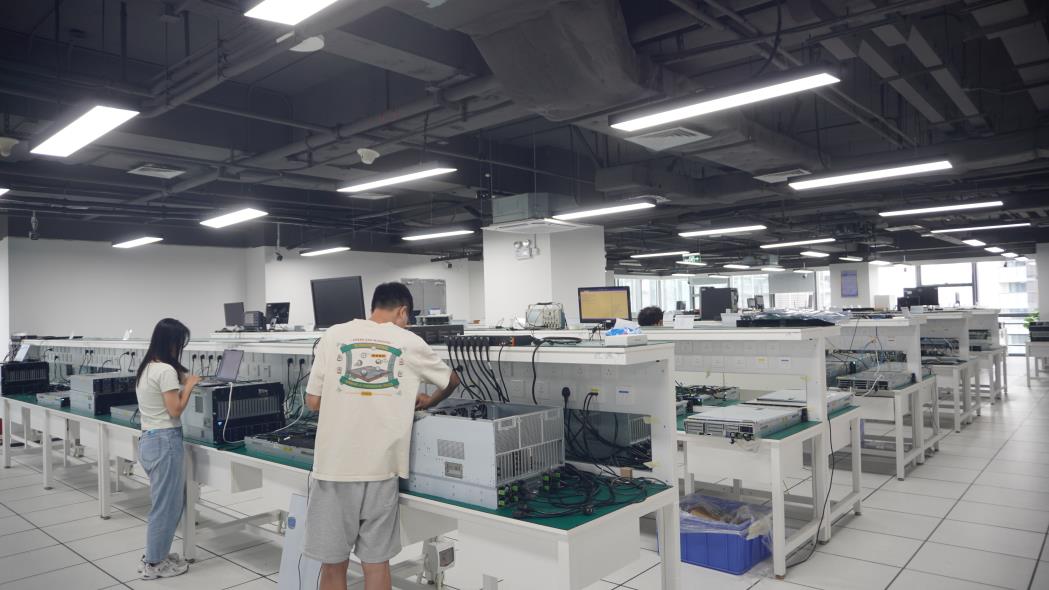
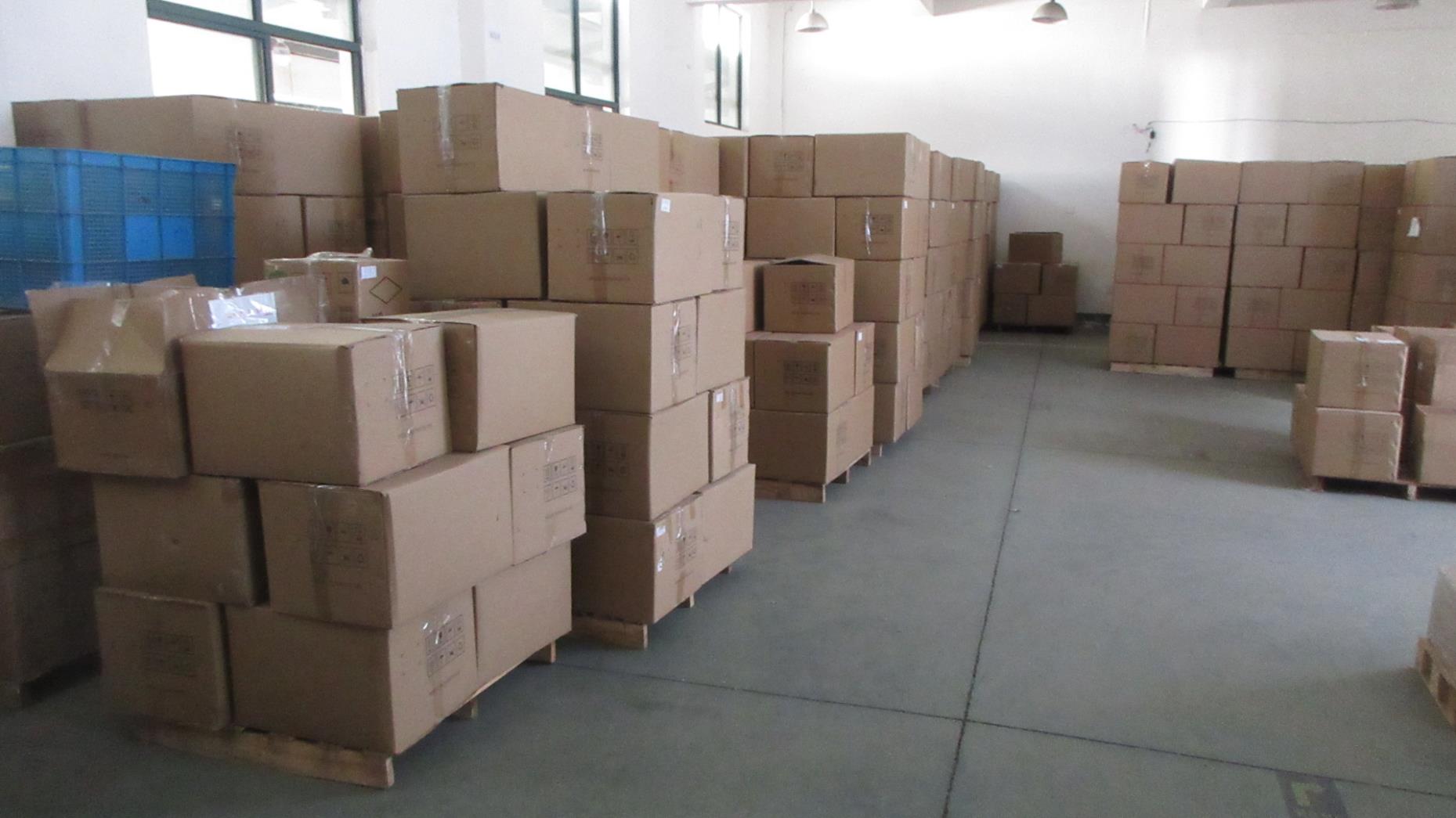
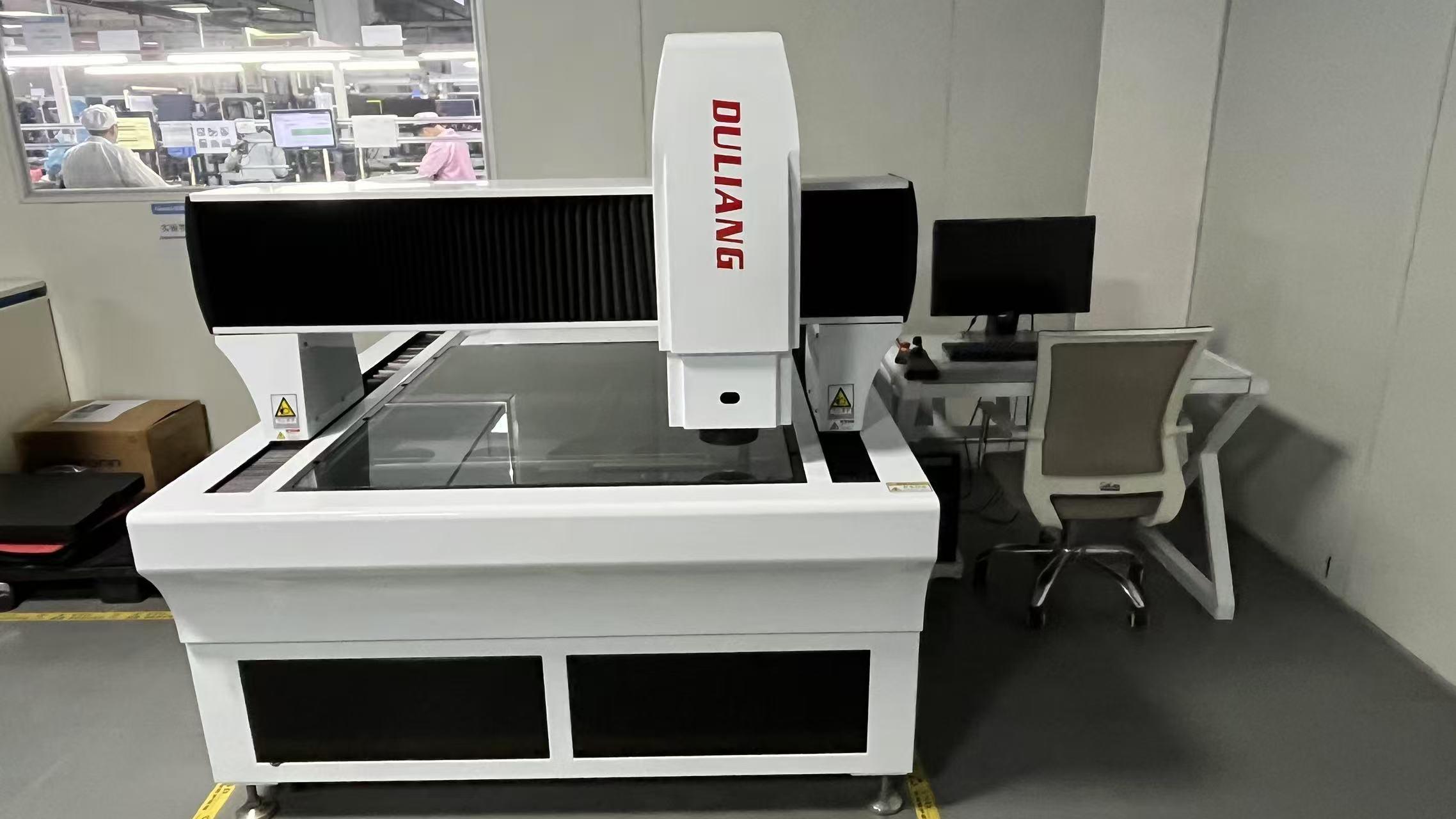
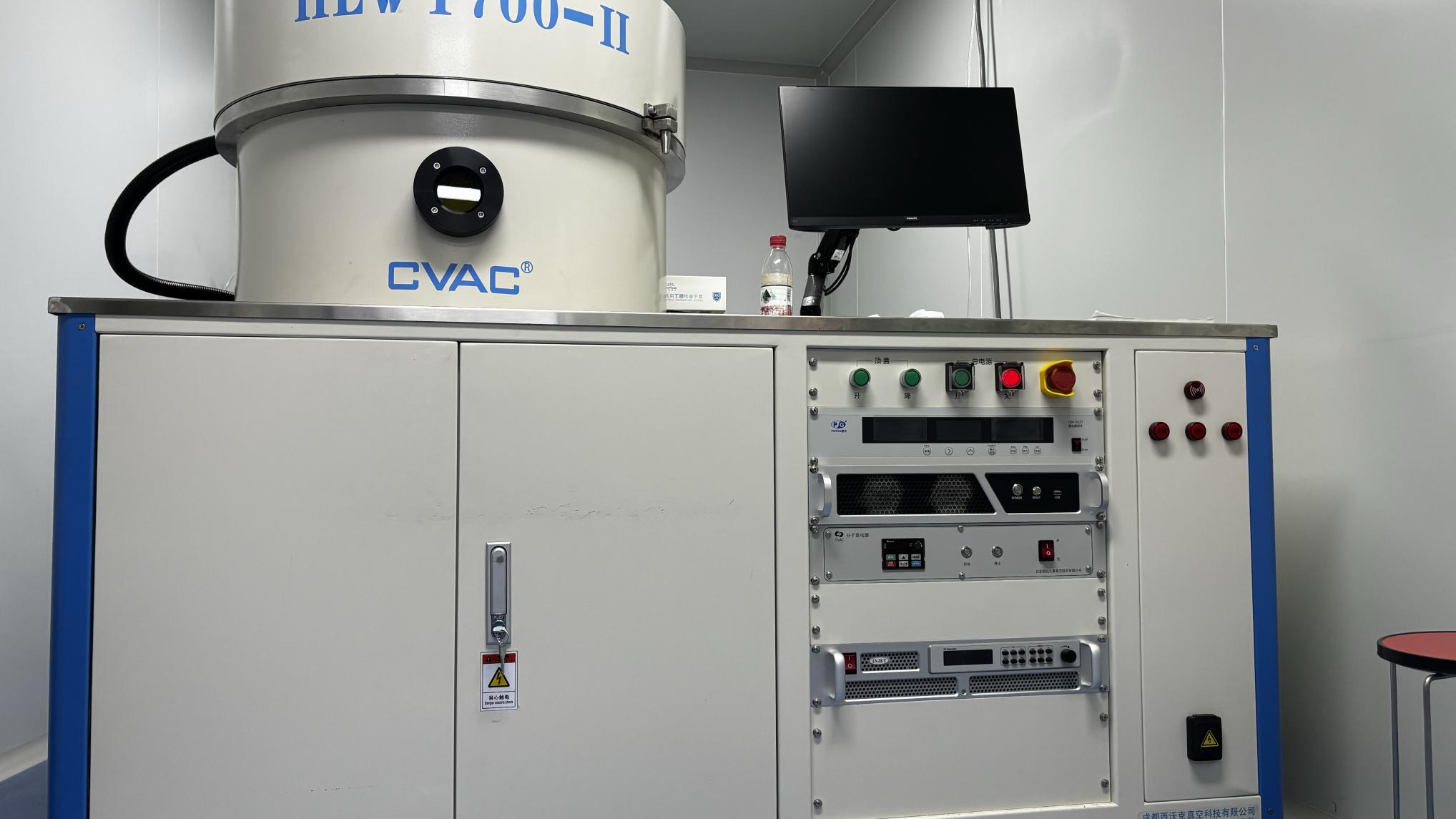
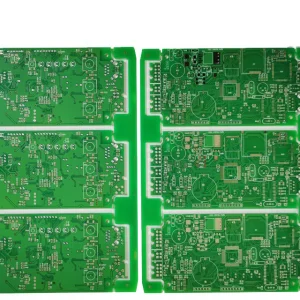
From bare PCB manufacturing to high-density SMT patch placement, BGA reflow, and final product packaging, the proximity of raw materials lowers transit times and production overhead.
With localized component stockyards, custom revisions can be processed and shipped within 3 to 5 business days, accelerating EVT, DVT, and PVT testing cycles.
Major Chinese facilities align production with CE, FCC, RoHS, and UL safety structures. Automated optical inspection (AOI) ensures every circuit board meets zero-fault criteria.
With multi-protocol hubs connecting over 100 sensors, memory performance dictates reliability. Memvora DDR4 and DDR5 memory modules enable low-power Linux system nodes to route telemetry without crashing.
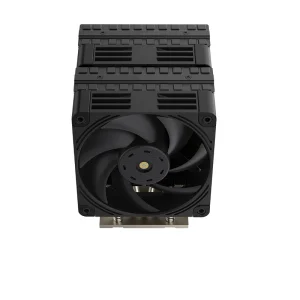
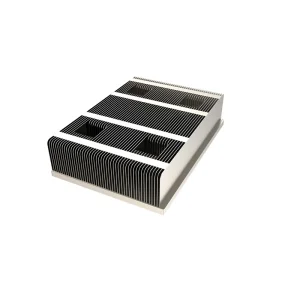
Local smart security stations run 24/7 video storage. Our SP3 and BGA 2518 heatsinks ensure dual-ball-bearing fans continuously exhaust hot air, maintaining device lifespan and video capture integrity.
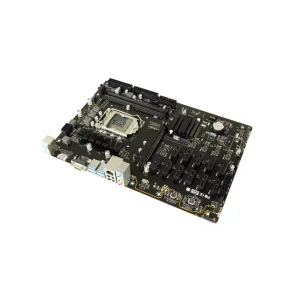
For smart factories and complex central controllers, specialized Immersion Silver PCBA provides long-term anti-oxidation properties and precise electrical contacts for signal integrity.
B2B procurement of IoT hardware demands rigorous risk management. System integrators and global brands must look beyond piece-price economics and prioritize total cost of ownership (TCO) and long-term hardware reliability. When sourcing custom motherboards, server modules, or custom memory kits, the following criteria are essential:
Memvora offers pre-production DFM auditing. By analyzing your Gerber files, trace width, and component pitch, our engineering team optimizes board design to reduce production defects, increase yield rates, and cut raw material costs.
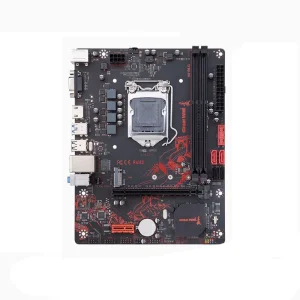
Our OEM/ODM services cover custom RAM capacities, specialized PCB layers, custom-color PCB masks, specific firmware configurations, and unique heatspreader aesthetics tailored to your corporate design language.
As the Matter protocol unifies Google Home, Apple Home, and Amazon Alexa ecosystems, gateway manufacturers are shifting from simple transceivers to complex central computing stations. These hardware platforms require high-frequency RAM modules and larger Flash storage to host local multi-platform translation layers.
Local offline Voice Processing and Edge-AI Video Analytics require high bandwidth and low latencies. The adoption of DDR5 memory modules within smart hub motherboards ensures next-generation devices process natural language and video streams locally, keeping data secure and operations fast.
Sleek, low-profile designs often lack space for fans. Advanced heat pipe technology, phase-change interface materials, and custom-milled aluminum BGA heatsinks are essential to keep dense processing boards cool, quiet, and reliable over long-term operations.
 Memvora