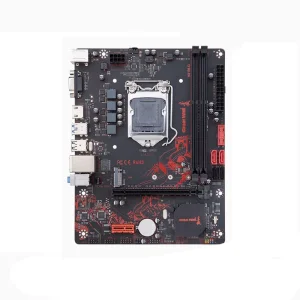
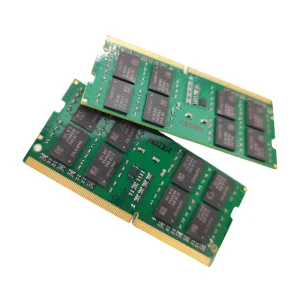
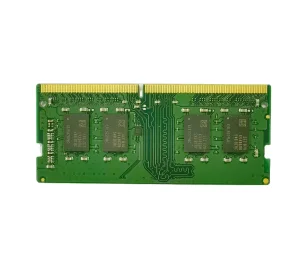
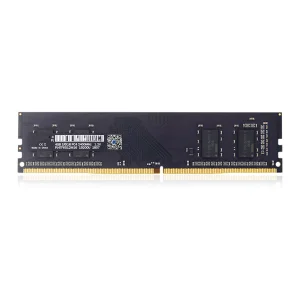
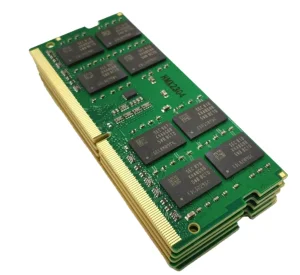
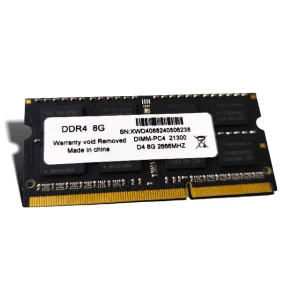
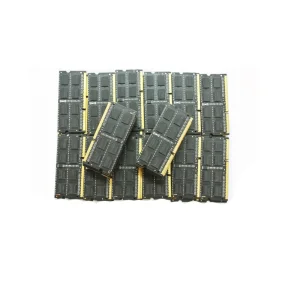
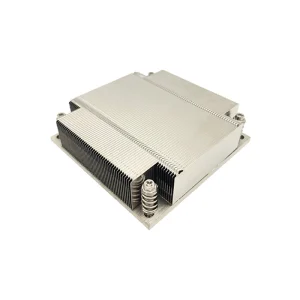
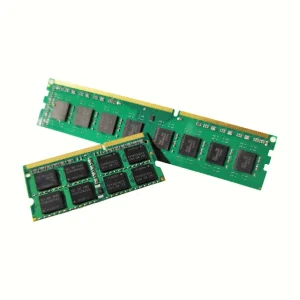
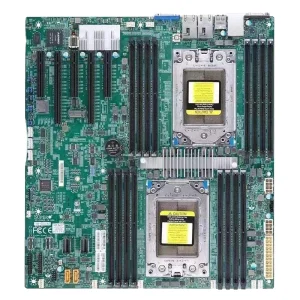
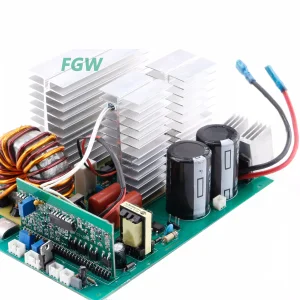
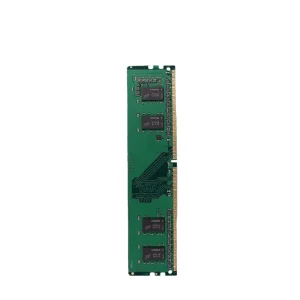
Every camera module pipeline — from sensor ISP to edge AI inference — depends on reliable, validated memory and mainboard hardware. Explore the stock modules Memvora supplies to OEM/ODM factories.
A camera module is no longer just an optical stack. It is a compute subsystem — sensor, ISP, DRAM buffer, flash, and increasingly an on-module NPU. That is why OEM/ODM camera module factories evaluate memory partners with the same rigor as lens and sensor suppliers.
Smartphones ship with 2–5 camera modules each; automotive platforms now carry 8–12. Global image-sensor and module demand keeps expanding across consumer, industrial, and mobility segments.
Higher resolutions (48MP–200MP), higher frame rates, and multi-frame HDR all increase the DRAM bandwidth and capacity required inside and beside the module pipeline.
On-sensor and on-module inference is driving demand for low-latency DDR4/DDR5 and LPDDR-class memory with tighter thermal and power envelopes than desktop DIMMs.
Camera module factories need memory partners with in-stock depth, stable frequencies, and multi-source component pipelines to keep BOMs resilient through allocation cycles.
Sensor calibration and module AVI reject rates are tightly coupled to memory stability. Burn-in tested modules reduce field returns and increase line throughput.
Camera module ODM programs increasingly require private-label firmware, custom heat spreaders, and PCB color matching for branded industrial and automotive lines.
Memvora Electronics Technology Co., Ltd. is a professional manufacturer specializing in high-performance DDR5 memory modules, dedicated to delivering reliable memory solutions for consumer, industrial, enterprise, and embedded applications worldwide.
Founded in 2017, Memvora operates a modern manufacturing facility covering 386㎡, combining advanced production equipment, strict quality management, and experienced engineering expertise to provide stable, high-speed memory products for global OEM and ODM partners. Since entering the international market, Memvora has accumulated 7 years of export experience, serving customers across North America, Europe, Southeast Asia, the Middle East, and South America.
Our annual export revenue exceeds US$18.6 million, supported by a strong global supply chain and long-term partnerships with more than 1,280 component suppliers and business partners. With 14 years of industry experience, our team continuously invests in technology innovation and product development. Our R&D department consists of 126 professional engineers who focus on developing next-generation DDR5 memory solutions with higher speed, lower latency, and enhanced reliability. Last year alone, we successfully launched 86 new memory products to meet the evolving needs of gaming, AI computing, industrial automation, and enterprise servers.
Memvora provides flexible OEM, ODM, private label, custom capacity, PCB color, heat spreader design, firmware optimization, and packaging customization services to meet different market requirements. Backed by a responsive engineering team and efficient production management, we help customers shorten development cycles and accelerate product launches.
Today, Memvora serves a diverse customer base including memory brands, computer manufacturers, industrial equipment suppliers, system integrators, distributors, wholesalers, and e-commerce retailers. Through continuous innovation, reliable quality, and customer-focused service, we are committed to becoming a trusted global partner for advanced DDR5 memory manufacturing and customized DRAM solutions.
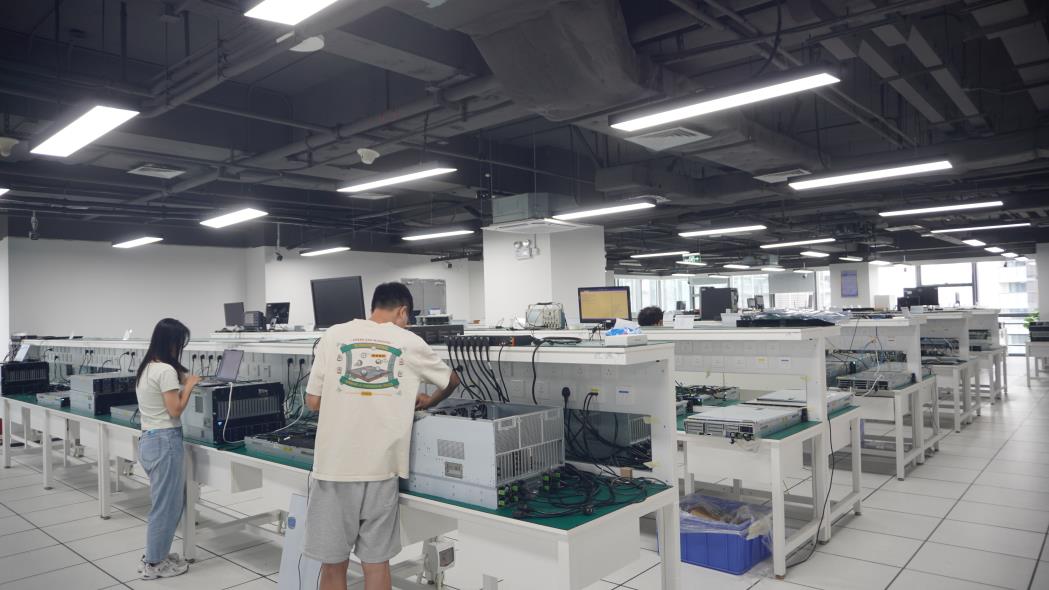
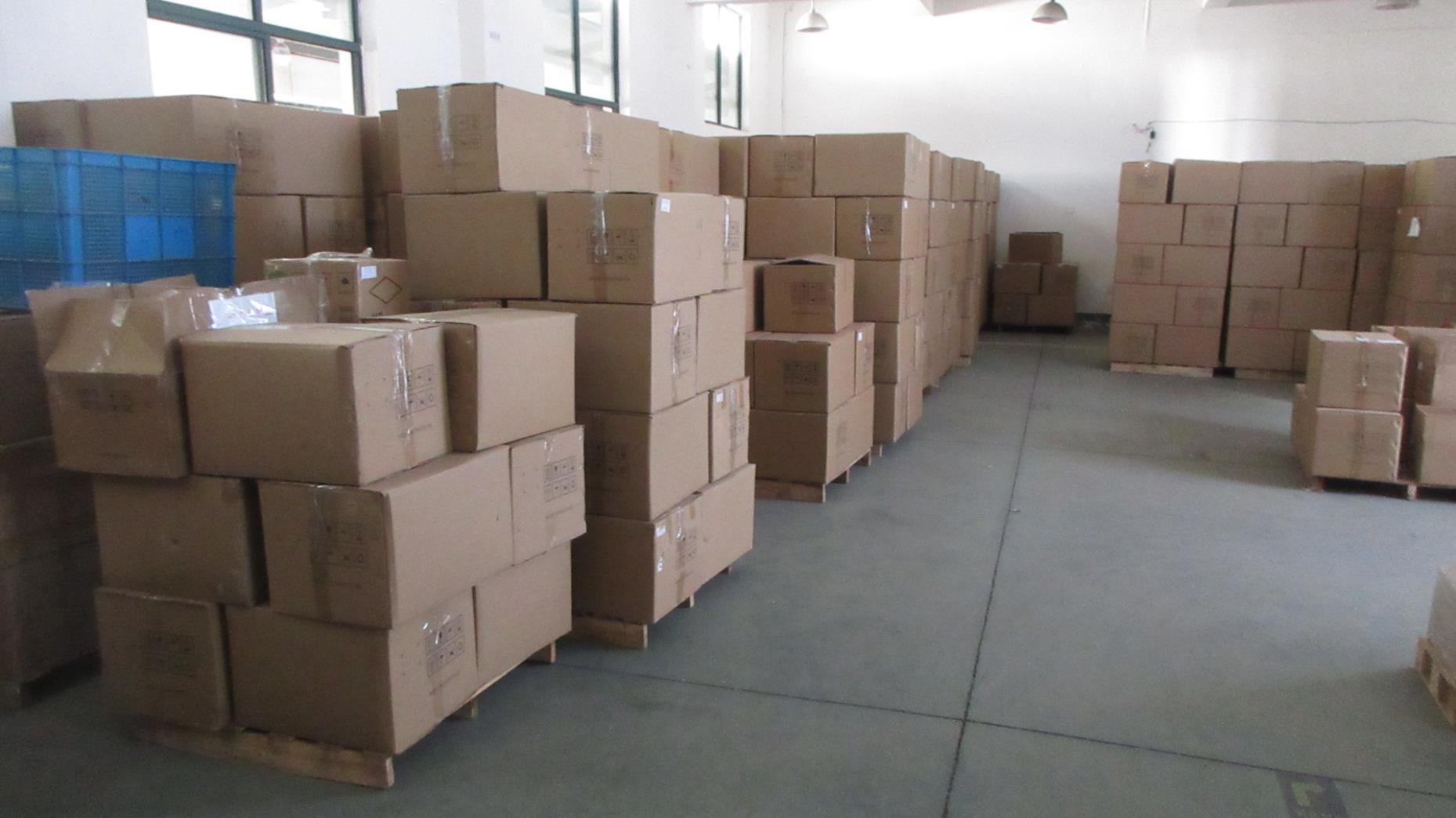
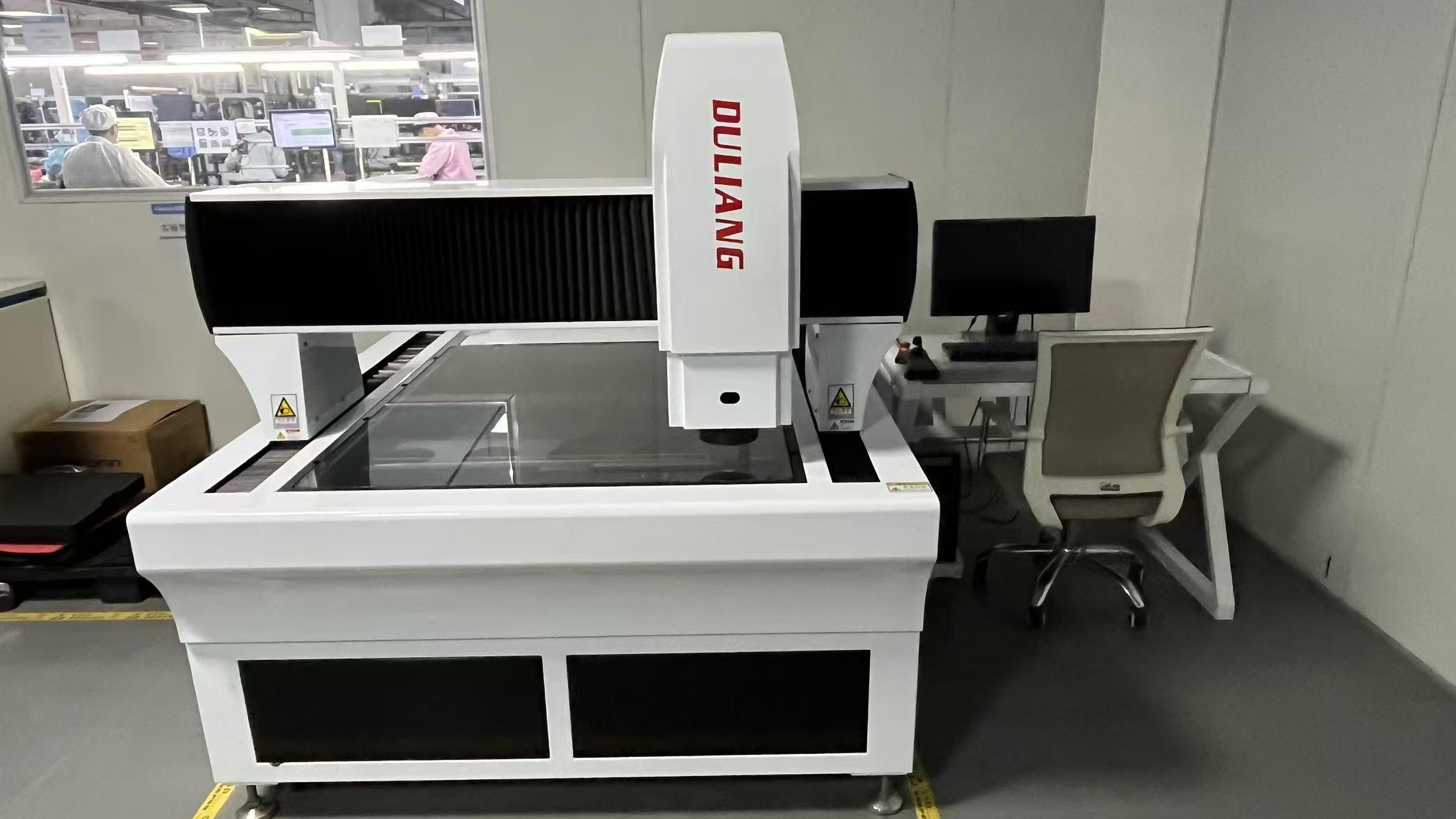
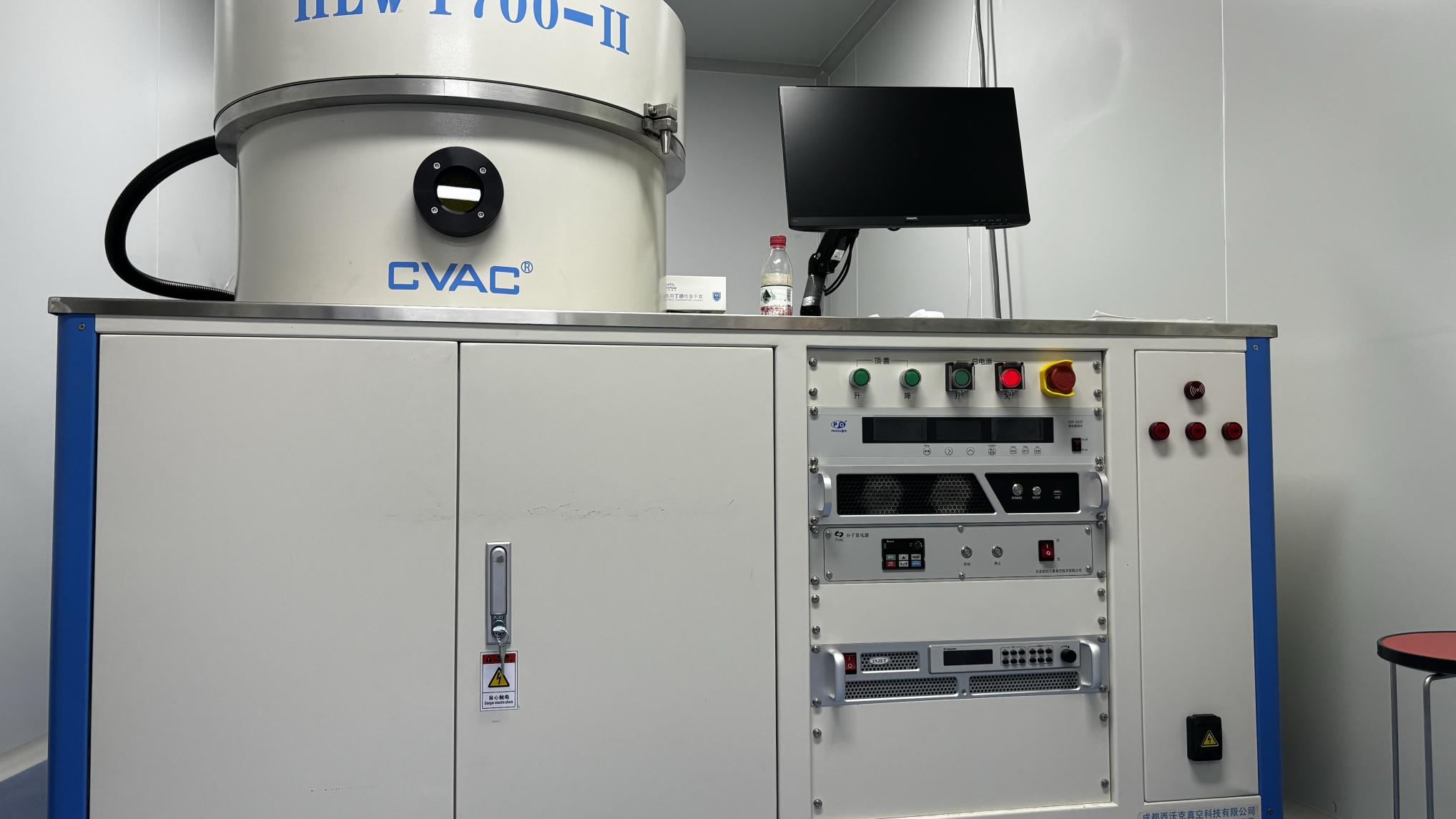
Camera module factories rarely buy off-the-shelf parts for every SKU. Memvora's OEM/ODM framework lets imaging and embedded teams co-design memory that fits their platform, thermal budget, and branding.
4GB to 32GB+, 1600MHz to 3200MHz DDR4 and DDR5 up to 6000MHz+, tuned to the actual bandwidth of your ISP and edge NPU.
Black, green, blue and custom PCB colors with aluminum, composite, or low-profile heat spreaders for compact module housings.
SPD programming, JEDEC-compliant tuning, and compatibility validation against your specific CPU, SoC, or server platform.
Retail-ready, anti-static bulk, or production-line packaging with your brand, compliance marks, and SKU barcodes.
From Shenzhen assembly lines to European automotive Tier-1 programs, memory selection changes by region and application. These are the deployment scenarios our OEM/ODM partners rely on.
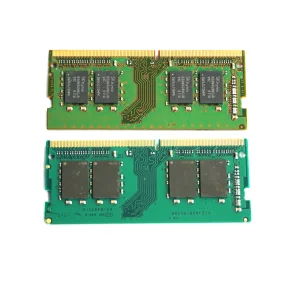
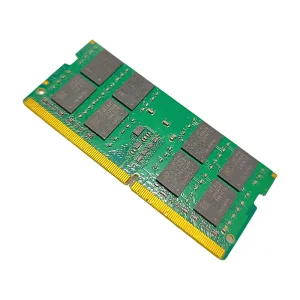
LPDDR-class and ECC laptop SO-DIMMs used in test fixtures and reference boards for multi-camera smartphone modules in Asia-Pacific assembly hubs.
ECC DDR4/DDR5 modules for domain controllers supporting surround-view, ADAS camera clusters, and sensor-fusion ECUs in Europe and North America.
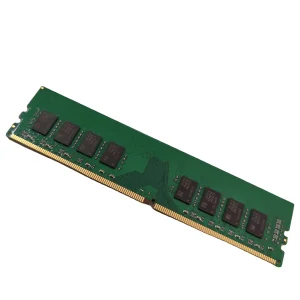
Burn-in tested DDR4 modules for line-scan and area-scan inspection cameras operating 24/7 in factories across Southeast Asia and the Middle East.
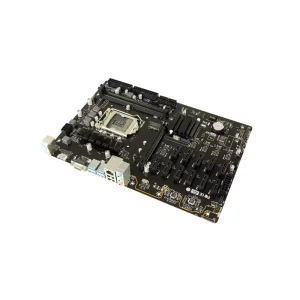
Low-power DDR4 SO-DIMMs paired with H81M-G and B250-class mainboards for NVR and AI camera gateways deployed in retail and smart-city projects.
ECC memory in endoscope, dermatoscope, and dental imaging consoles where data integrity and long-term module stability are non-negotiable.
High-frequency DDR5 modules for vision gateways running on-device inference, plus 95W LGA115X 1U server radiators for thermal control in compact chassis.
Memory evolution is now a direct input to camera module performance. Here is how Memvora's engineering team is sequencing its R&D investments.
Continued supply-depth for 1600–3200MHz DDR4 across consumer, industrial, and legacy camera module platforms with strict burn-in discipline.
DDR5 5600–6000MHz+ modules for edge AI inference, higher-resolution ISP pipelines, and multi-camera domains in server and embedded chassis.
Wider ECC adoption across industrial and automotive camera controllers to reduce silent data corruption in long-duration imaging workloads.
Low-profile heat spreaders, copper-aluminum composite designs, and 95W-class 1U cooling for space-constrained camera gateways.
Memvora connects memory, mainboards, thermal management, and customization into a single supply framework — reducing integration risk for OEM/ODM camera module factories and their downstream integrators.
Memory, mainboards, and cooling sourced from a coordinated pipeline — no mismatched SPD profiles or thermal surprises at line bring-up.
Forecast-linked stock commitments for long-run camera module programs, supported by 1,280+ partner supply channels.
Signal-integrity, aging, and compatibility reports provided alongside shipment for traceability in regulated camera module industries.
Direct answers to the most common questions from procurement, engineering, and supply-chain teams evaluating memory partners for camera module programs.
Camera module factories usually need a combination of SO-DIMM and DIMM modules for test fixtures, ISP reference boards, edge AI gateways, and server-side image processing. Depending on the platform, this may be standard DDR4, ECC DDR4, or DDR5 modules in capacities from 4GB to 32GB and beyond.
Yes. Memvora provides OEM, ODM, private label, custom capacity, PCB color, heat spreader design, firmware optimization, and packaging customization services. This allows camera module factories and their downstream system integrators to align memory SKUs with their platform and branding requirements.
Every product undergoes 100% functional testing, burn-in testing, compatibility testing, signal integrity testing, and aging tests. A dedicated quality control team of 42 inspectors ensures each module meets rigorous international quality standards before it leaves the facility.
Memvora serves customers across North America, Europe, Southeast Asia, the Middle East, and South America, with 7 years of export experience and annual export revenue exceeding US$18.6 million.
Yes. Memvora's product range includes B250 and H81M-G mainboards, server air-cooled radiators such as the 95W LGA115X 1U model, and DDR4/DDR5 memory modules — enabling a more coordinated BOM for camera module tests and AI vision gateways.
With 126 R&D engineers and 86 new memory products launched last year, Memvora supports custom DDR5 development with higher speed, lower latency, and enhanced reliability, helping customers shorten development cycles and accelerate product launches.
From laptop ECC SO-DIMMs to DDR5 6000MHz performance modules and server thermal solutions — all available for OEM/ODM programs.
 Memvora