Engineered hardware and integrated thermal units designed for relentless performance in enterprise-level workloads.
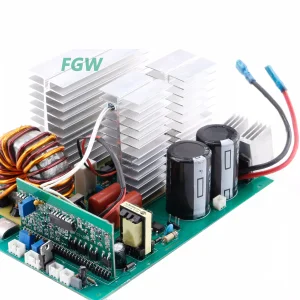
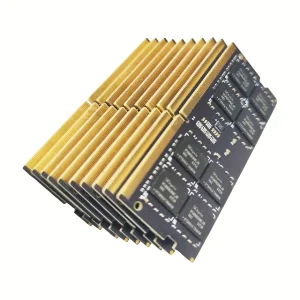
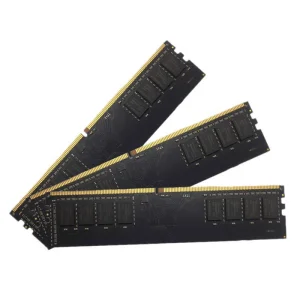
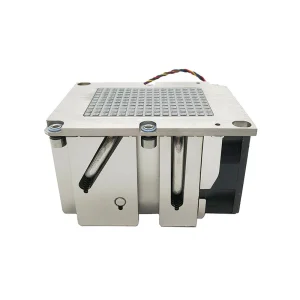
A Technical Whitepaper on Advanced Heat Sink Engineering, Custom Metallurgy, and Thermal Performance Optimization.
As microprocessors, high-power semiconductors, and high-frequency DRAM modules shrink in size, power densities escalate exponentially. In today’s hardware ecosystem, thermal management is no longer an afterthought; it is a fundamental pillar of systems engineering. Effective heat dissipation directly influences system reliability, operational longevity, and computational stability. As a premier custom OEM heat sink manufacturer, we deliver the precision metallurgy, structural optimization, and surface treatment engineering needed to mitigate thermal bottlenecks in advanced computing platforms.
The primary function of a thermal heat sink is to maximize the surface area of a solid in contact with a cooling fluid medium (such as air or liquid coolant), facilitating efficient convective and conductive heat transfer paths. The thermodynamics involve intricate balances of material thermal conductivity ($k$), convective heat transfer coefficients ($h$), pressure drops, and airflow velocity profiles. Through advanced modeling and state-of-the-art CNC, forging, and extrusion capabilities, our factories transform raw copper and aluminum alloys into highly optimized heat spreaders and specialized fin arrays tailored to strict spatial budgets.
Thermal Engineering Core Paradigm: To minimize overall thermal resistance ($R_{th}$), thermal designs must mitigate interfaces at the die level, maximize the thermal conductivity of the heat sink base, and employ specialized fin geometries (such as skived or pin fins) to maximize convective efficiency without creating high pressure drop-offs in the chassis airflow.
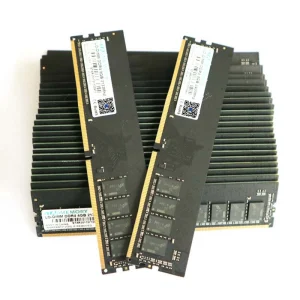
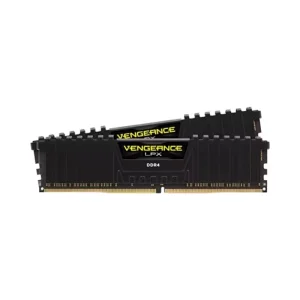
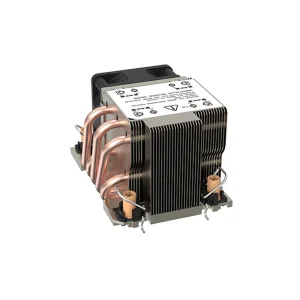
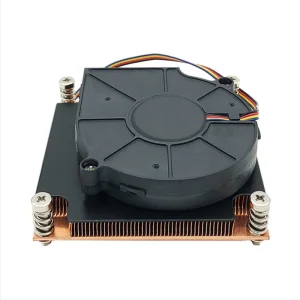
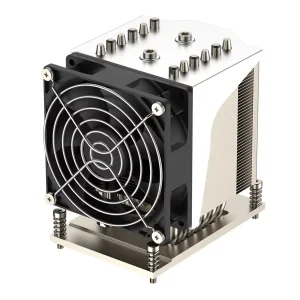
From custom server CPU coolers supporting up to 300W thermal design power (TDP) architectures like Intel LGA 4677 or LGA 3647 to customized low-profile heat spreaders for DDR5 RAM modules, our factories engineer bespoke parts using high-purity aluminum alloys (e.g., Al 6063-T5) and Oxygen-Free High Conductivity (OFHC) copper. These materials are selected not only for their high thermal performance but also for their structural integrity and consistency during high-precision manufacturing steps.
How our factories utilize diverse metallurgical processes to match specific spatial and thermal demands.
Skiving utilizes a sharp blade to shave thin sheets from solid copper or aluminum blocks. This creates seamless fin-to-base interfaces, eliminating contact thermal resistance and allowing high aspect ratios for tight spaces.
Extruding heated aluminum billets through custom-machined steel dies produces complex profiles with longitudinal fins. Ideal for general-purpose applications, desktop cooling, and LED thermal substrates.
Cold forging compresses raw alloy into complex pin-fin shapes under high pressure, optimizing grain structures. CNC milling provides secondary operations for precise dimensions, mounting patterns, and high-flatness base requirements.
Embedding sintered powder or grooved copper heat pipes into the aluminum base structure allows rapid two-phase phase-change cooling. This transfers heat away from localized high-flux CPU/GPU dies instantly.
A trusted global partner for high-reliability memory modules, advanced PCB assemblies, and integrated thermal management solutions.
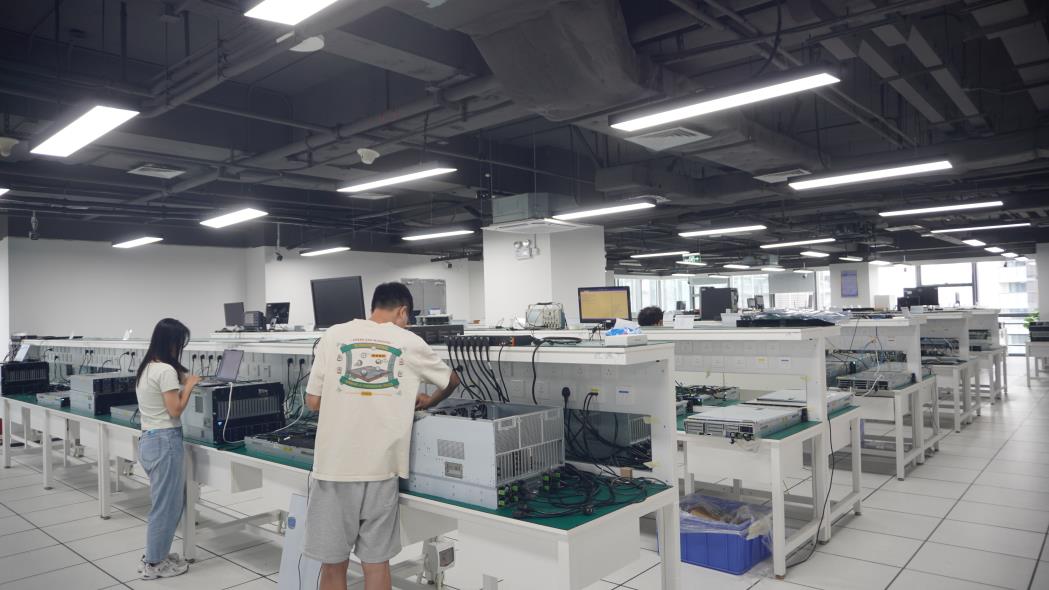
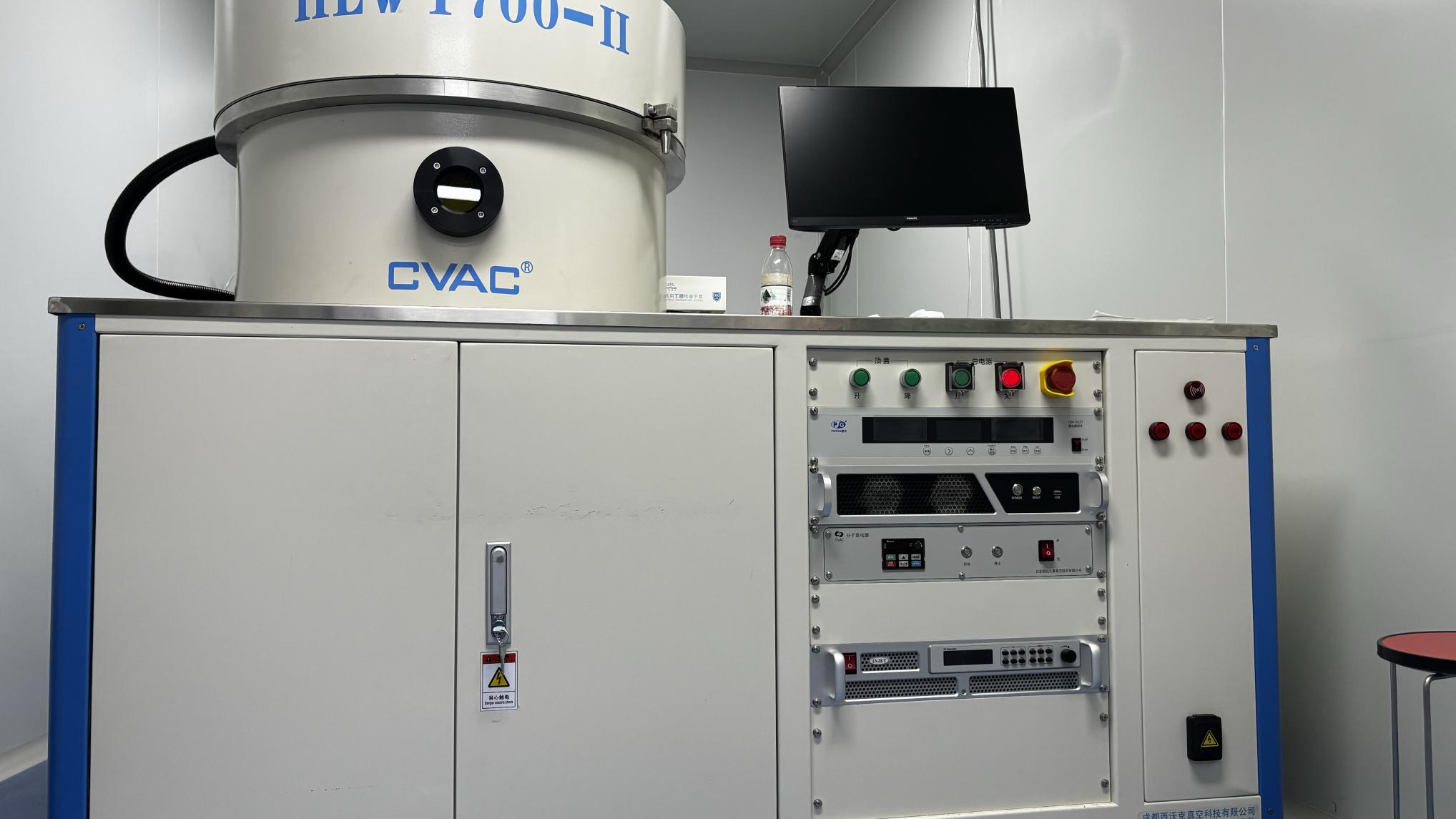
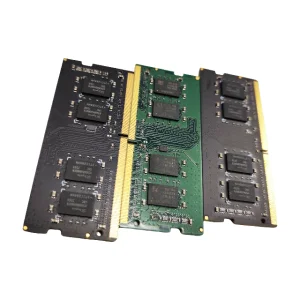
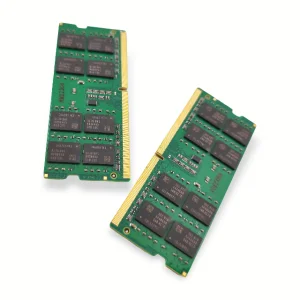
Founded in 2017, Memvora Electronics Technology Co., Ltd. is a professional manufacturer specializing in high-performance DDR5 memory modules, dedicated to delivering reliable memory solutions for consumer, industrial, enterprise, and embedded applications worldwide. With a modern manufacturing facility covering 386㎡, we combine advanced production equipment, strict quality management, and experienced engineering expertise to provide stable, high-speed memory products for global OEM and ODM partners.
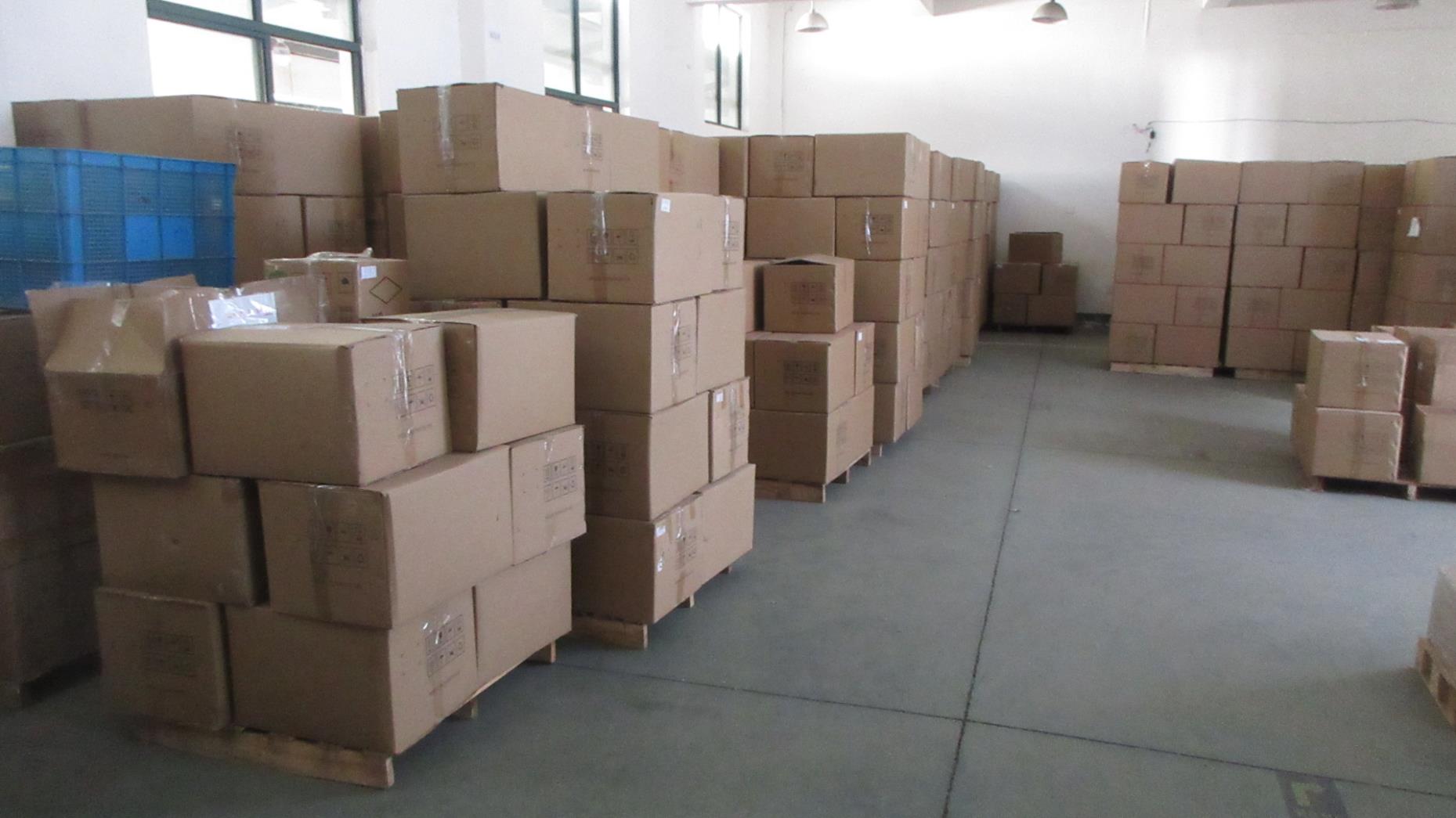
Since entering the international market, Memvora has accumulated 7 years of export experience, serving customers across North America, Europe, Southeast Asia, the Middle East, and South America. Our annual export revenue exceeds US$18.6 million, supported by a strong global supply chain and long-term partnerships with more than 1,280 component suppliers and business partners.
With 14 years of industry experience, our team continuously invests in technology innovation and product development. Our R&D department consists of 126 professional engineers who focus on developing next-generation DDR5 memory solutions with higher speed, lower latency, and enhanced reliability. Last year alone, we successfully launched 86 new memory products to meet the evolving needs of gaming, AI computing, industrial automation, and enterprise servers.
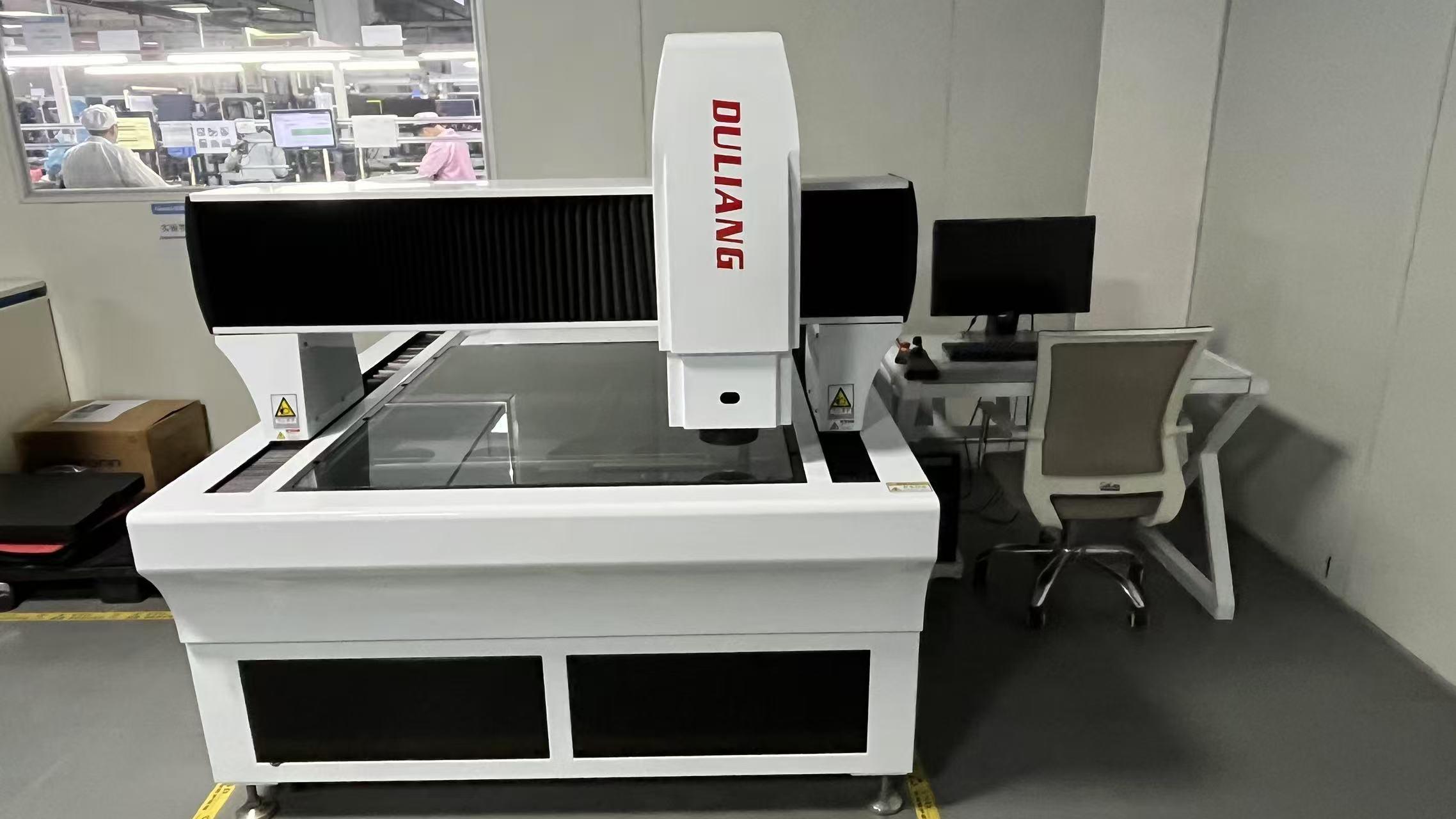
Quality is the foundation of everything we do. Every product undergoes 100% functional testing, burn-in testing, compatibility testing, signal integrity testing, and aging tests before shipment. Our dedicated quality control team of 42 inspectors ensures every memory module meets rigorous international quality standards and delivers long-term stable performance.
Memvora provides flexible OEM, ODM, private label, custom capacity, PCB color, heat spreader design, firmware optimization, and packaging customization services to meet different market requirements. Backed by a responsive engineering team and efficient production management, we help customers shorten development cycles and accelerate product launches.
Today, Memvora serves a diverse customer base including memory brands, computer manufacturers, industrial equipment suppliers, system integrators, distributors, wholesalers, and e-commerce retailers. Through continuous innovation, reliable quality, and customer-focused service, we are committed to becoming a trusted global partner for advanced DDR5 memory manufacturing and customized DRAM solutions.
Why Tier-1 hardware brands source custom thermal components and electronic assemblies from specialized Chinese ecosystems.
China is the global epicenter for precision metallurgy and electronics manufacturing. Sourcing from our domestic factories offers unparalleled advantages in raw material access, engineering agility, and vertical integration. Our supply chain encompasses local copper and aluminum refinement, advanced die-making workshops, surface finishing facilities (anodizing, nickel plating, electrophoresis), and automated assembly lines. This localized concentration enables us to accelerate the transition from CAD design to prototype and mass production rapidly.
Furthermore, the physical integration of electronic components, PCB assemblies, and thermal subsystems is critical. By combining Memvora's memory and PCBA manufacturing expertise with specialized heat sink engineering, we deliver optimized modules. By eliminating separate fabrication steps, we reduce cumulative dimensional tolerances and thermal resistance. This vertical alignment lowers freight costs, minimizes supply chain overhead, and ensures faster lead times for global enterprises.
Supply Chain Synergies: Operating out of China's premier electronics manufacturing hubs allows us to source raw thermal interface materials (TIMs), structural brackets, fan assemblies, and electronic components from a single region. This ensures minimal logistics friction and maximum component compatibility.
Ensuring absolute alignment with global environmental and safety directives for risk-free system integration.
For global OEMs, compliance is critical. Industrial equipment, servers, and telecom hardware must adhere to local environmental standards and product certifications. Every custom heat sink and memory assembly manufactured at our facilities meets these standards, supported by full documentation and third-party validation.
Our raw materials, including copper and aluminum alloys, thermal compounds, solder paste, and plastic brackets, undergo testing for hazardous substances. We maintain compliance with European Union directives and international safety guidelines, including RoHS and REACH. This ensures your systems can be exported globally without regulatory compliance friction.
| Compliance Standard | Testing Protocol | Target Parameters Verified | Global Regions Applied |
|---|---|---|---|
| RoHS Directive (2011/65/EU) | ICP-OES / GC-MS validation | Lead, Cadmium, Mercury, Cr VI, PBBs, PBDEs below threshold | European Union, global markets |
| REACH Regulation | SVHC screenings | Absence of Substances of Very High Concern in thermal interfaces | Europe, USA, Canada |
| UL 94 Flammability | Vertical/horizontal burning test | UL94-V0 compliance for all plastics, thermal tape & insulators | North America, Global |
| ISO 9001:2015 | Annual external audit | Material traceability, SPC tracking, failure mode analysis (FMEA) | Global Enterprise Standard |
Identifying emerging thermal challenges in advanced artificial intelligence, electric vehicles, and edge architectures.
We are witnessing a shift in hardware deployment styles. Traditional air cooling is reaching its limits. With CPU thermal design power (TDP) exceeding 300W and multi-chip module (MCM) designs packing high-power dies in close proximity, thermal solutions must evolve. The transition to DDR5 memory introduces higher frequencies along with localized Power Management Integrated Circuits (PMICs) directly on the PCB. These chips generate heat that must be dissipated to prevent memory speed degradation.
Key application scenarios requiring specialized OEM thermal solutions include:
Technical answers to common engineering and sourcing questions about thermal systems design.
Copper has a thermal conductivity ($k \approx 401 \text{ W/m·K}$) almost double that of aluminum ($k \approx 205 \text{ W/m·K}$). While aluminum is lighter and more cost-effective for cooling fins, copper is ideal for the heat sink base directly contacting the hot die. This maximizes heat spreading away from the component, allowing the convective fins to dissipate it efficiently.
A heat pipe transfers heat linearly along its axis. A vapor chamber is a planar, two-dimensional plate containing a vacuum chamber with an internal capillary wick structure. When heated, the internal liquid vaporizes, spreads in all directions, and condenses on the cooler surface. This provides uniform temperature distribution across the entire surface of the vapor chamber.
Common surface treatments include clear/colored anodizing, nickel plating, electrophoresis, and powder coating. Anodizing increases corrosion resistance, electrical insulation, and thermal emissivity. Nickel plating is used on copper components to prevent oxidation and facilitate soldering of fins or heat pipes.
For custom aluminum extrusions, tooling fabrication (die creation) takes 7 to 10 working days, followed by 5 days for sample validation. CNC prototype samples are typically delivered within 5 to 7 days using stock materials. Bulk production runs range from 15 to 25 days depending on the assembly complexity and finish requirements.
We work with tier-1 TIM suppliers (e.g., Honeywell, Shin-Etsu, Bergquist) to source highly stable phase-change pads, thermal grease, and gap fillers. During our QA process, we perform pressure-mapping tests and thermal impedance verification under real mounting torques. This ensures the contact interface is free of air pockets and maintains long-term reliability without drying out.
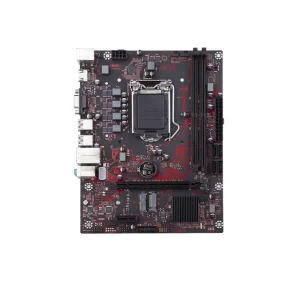
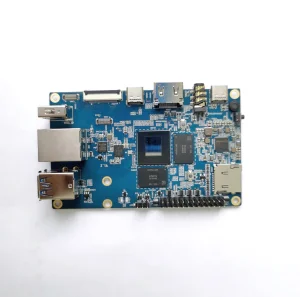
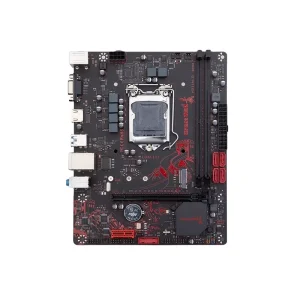
Maximize system uptime with high-performance motherboards, processing units, and custom heatsinks.
 Memvora