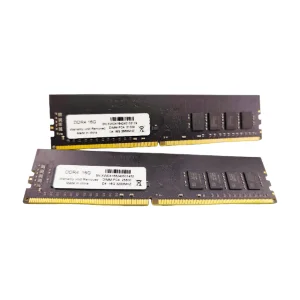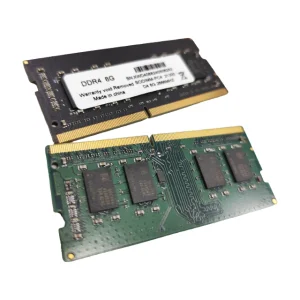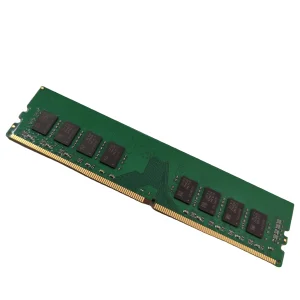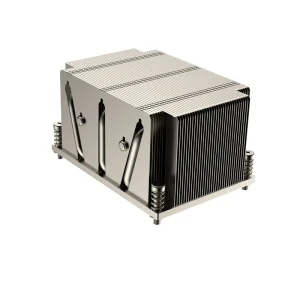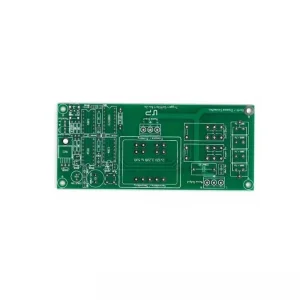
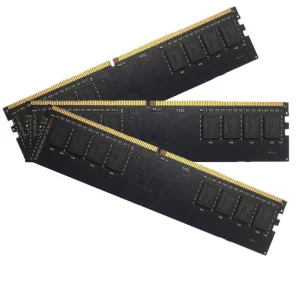
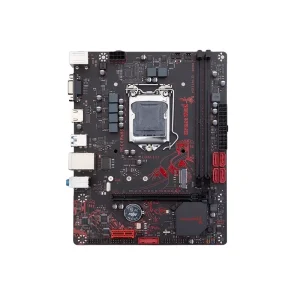
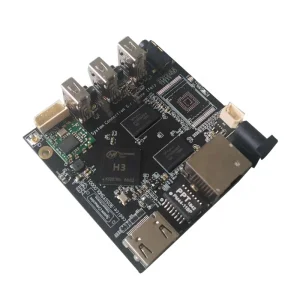
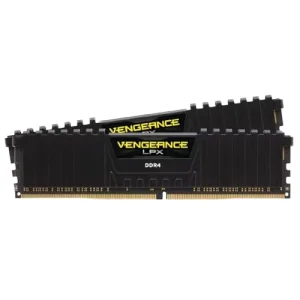
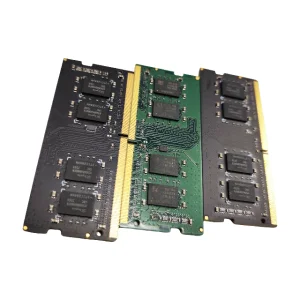
In the contemporary landscape of telemetry, high-throughput computing, and edge artificial intelligence, "data analysis tools" are no longer restricted to software interfaces. True real-time computing relies heavily on a specialized hardware layer. This hardware layer is composed of embedded controllers, low-latency DDR5 and DDR4 memory modules, complex system-on-chip (SoC) carrier motherboards, and thermodynamic dissipation architectures. As a premier OEM Data Analysis Tools Manufacturer, we optimize these hardware systems to bypass compute bottlenecks, providing custom components that process and compile sensor matrices, data packets, and heavy algorithms directly at the hardware interface level.
Whether deploying automated testing units, AI-driven audio decoders, or high-performance industrial servers, the structural integrity of your hardware dictates your system's operational ceiling. Standard computer hardware frequently suffers from thermal throttling, packet collisions, or signal degradation. Custom-engineered boards and optimized DRAM profiles resolve these vulnerabilities, ensuring continuous operation under severe industrial conditions.
Founded in 2017, Memvora Electronics Technology Co., Ltd. is a professional manufacturer specializing in high-performance DDR5 memory modules, dedicated to delivering reliable memory solutions for consumer, industrial, enterprise, and embedded applications worldwide. With a modern manufacturing facility covering 386㎡, we combine advanced production equipment, strict quality management, and experienced engineering expertise to provide stable, high-speed memory products for global OEM and ODM partners.
Since entering the international market, Memvora has accumulated 7 years of export experience, serving customers across North America, Europe, Southeast Asia, the Middle East, and South America. Our annual export revenue exceeds US$18.6 million, supported by a strong global supply chain and long-term partnerships with more than 1,280 component suppliers and business partners.
With 14 years of industry experience, our team continuously invests in technology innovation and product development. Our R&D department consists of 126 professional engineers who focus on developing next-generation DDR5 memory solutions with higher speed, lower latency, and enhanced reliability. Last year alone, we successfully launched 86 new memory products to meet the evolving needs of gaming, AI computing, industrial automation, and enterprise servers.
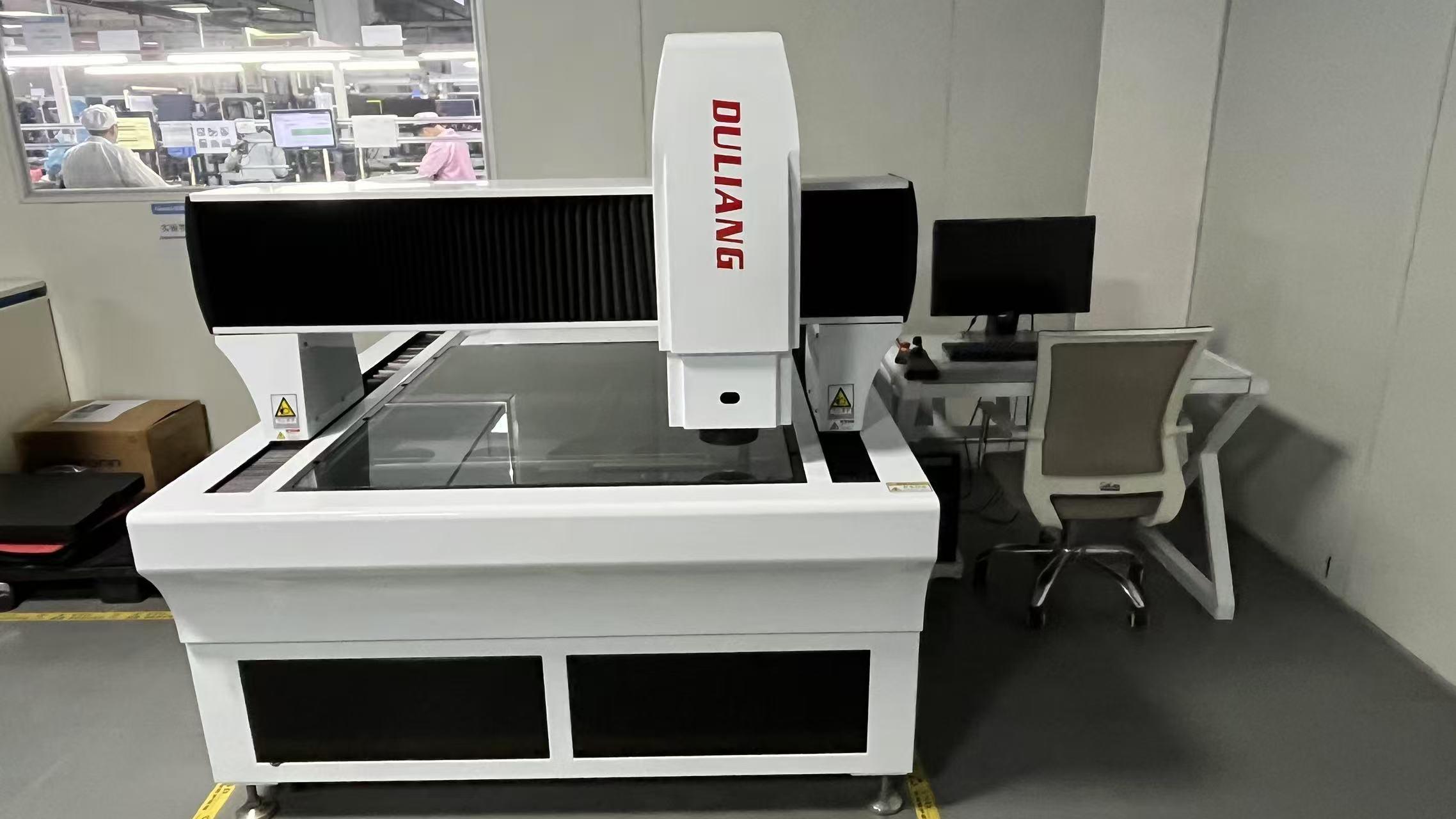
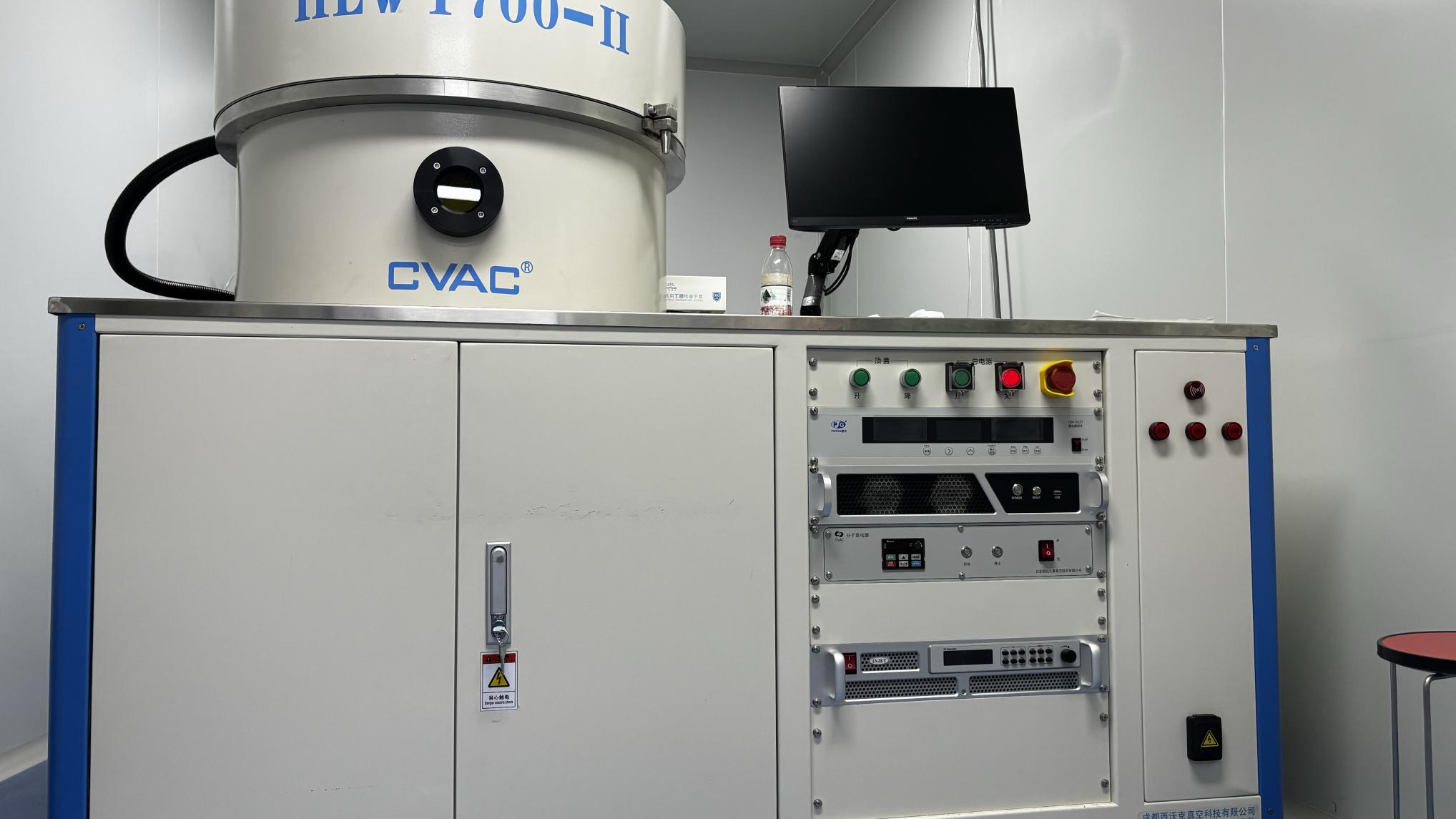
Quality is the foundation of everything we do. Every product undergoes 100% functional testing, burn-in testing, compatibility testing, signal integrity testing, and aging tests before shipment. Our dedicated quality control team of 42 inspectors ensures every memory module meets rigorous international quality standards and delivers long-term stable performance.
Memvora provides flexible OEM, ODM, private label, custom capacity, PCB color, heat spreader design, firmware optimization, and packaging customization services to meet different market requirements. Backed by a responsive engineering team and efficient production management, we help customers shorten development cycles and accelerate product launches.
Today, Memvora serves a diverse customer base including memory brands, computer manufacturers, industrial equipment suppliers, system integrators, distributors, wholesalers, and e-commerce retailers. Through continuous innovation, reliable quality, and customer-focused service, we are committed to becoming a trusted global partner for advanced DDR5 memory manufacturing and customized DRAM solutions.
Data analysis tools are deployed across a variety of localized hardware configurations. By customizing the layout of the PCBA and DRAM configurations, we provide stable performance across multiple operating environments:
Our custom FR4 1.6mm audio decoder circuit assemblies and amplifier modules are vital tools for automotive acoustic profiling and real-time noise-cancellation analysis. In these environments, digital signals must be translated into analog sound waves with minimal latency. High-density, multi-layer PCBs minimize electromagnetic interference (EMI), ensuring that test data represents clean acoustic metrics without hardware distortion.
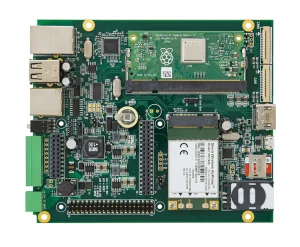
Utilizing solutions like the Raspberry Pi Industrial Control Board combined with custom memory modules allows localized logistics hubs to run live parcel sorting algorithms. These compact processors gather sensor input from scanning systems, compute optimized transit lanes, and log real-time telemetry datasets. These localized setups must withstand constant vibrations, demanding robust component placement and temperature tolerance.
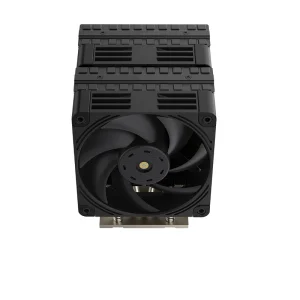
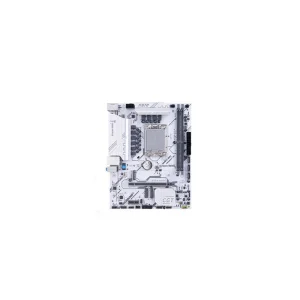
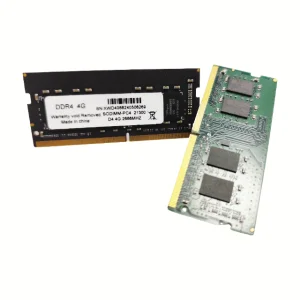
In high-density datacenters, systems built around H311M-G and H610 Motherboard chipsets process intense transactional workloads. Paired with high-capacity 16GB DDR4 server memory modules and stabilized by LGA3647 or LGA4926 CPU coolers, these server nodes form the computing backbone for operations like distributed financial ledger tracking, weather pattern simulations, and AI model inference.
The performance limits of data analysis hardware continue to shift. Our research division continuously monitors trends in system architecture to keep Memvora at the forefront of the industry:
Phasing out standard legacy DDR3 systems and establishing DDR5 5600MHz to 6400MHz modules as the default for consumer and server analytics systems. Focusing on lower operational voltage (1.1V) to reduce heat generation in dense server frames.
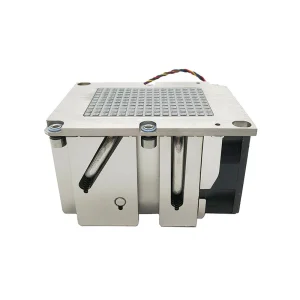
As server processors approach 300W and 400W TDP, we are engineering LGA4926 and SP3 copper-fin heatsinks with composite vapor chambers. These designs improve heat dissipation by up to 22% compared to standard aluminum options.
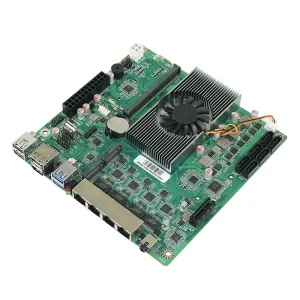
Integrating localized AI accelerators directly onto system carrier boards, such as custom Raspberry Pi and ITX platforms, to support direct AI inference and real-time sensor processing at the edge.
This technical roadmap ensures that Memvora clients receive hardware optimized to run modern computational software, helping them avoid premature system obsolescence.
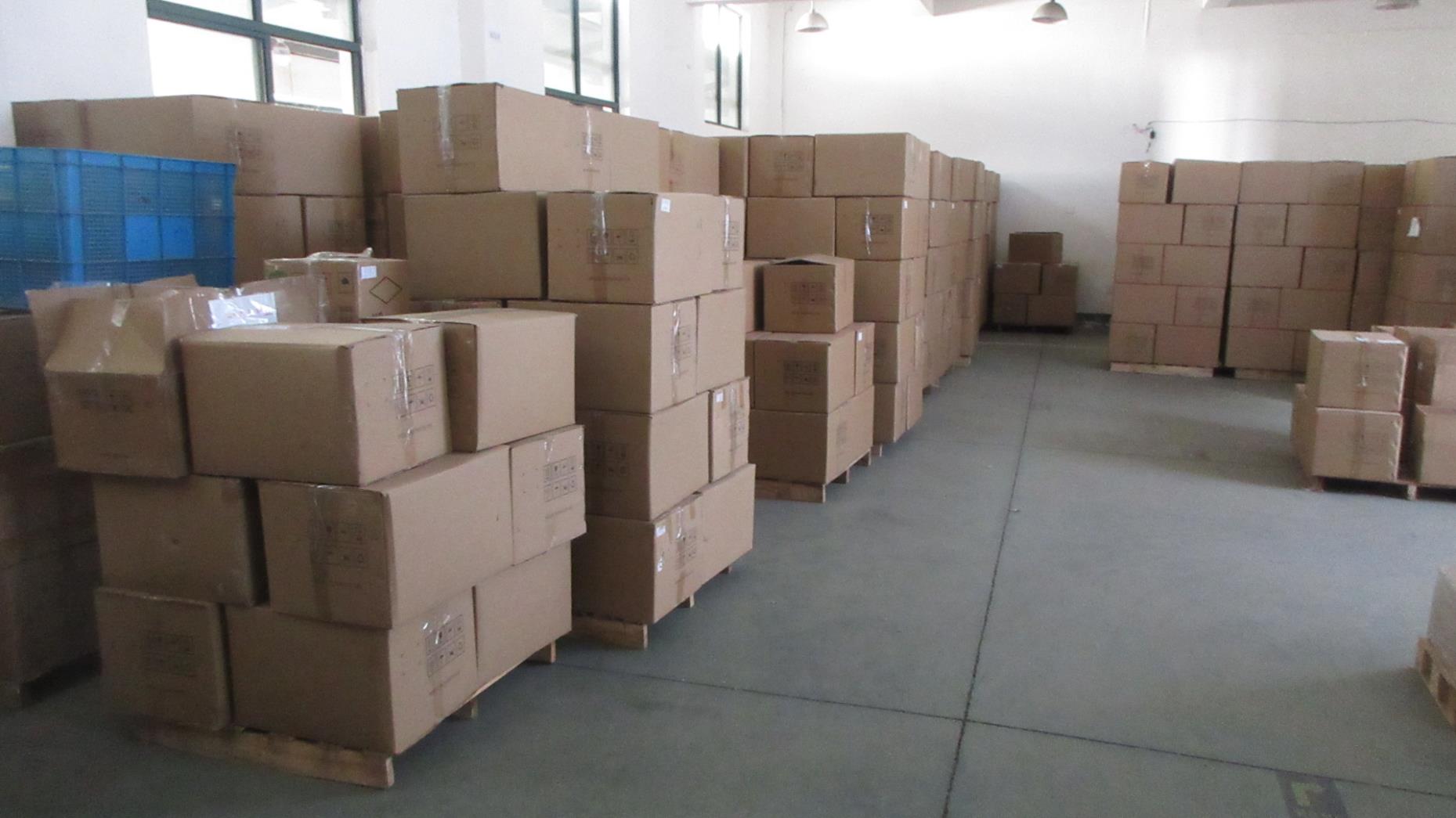
Manufacturing custom hardware for data analysis requires a combination of quality components, advanced tooling, and efficient logistics. Located in China's technology manufacturing corridor, Memvora offers several key operational benefits:
To operate reliably in global markets, electronic hardware must meet strict regulatory and compliance guidelines. Memvora designs all hardware to satisfy international standards, including CE, FCC, RoHS, and WEEE requirements. This facilitates entry into highly regulated markets like North America, Western Europe, and Japan.
Our quality management system is staffed by 42 experienced QC inspectors. We run a comprehensive testing regimen for every production batch, including:
100% Functional Verification: Checked on target chipsets.
Compatibility Tests: Evaluated across Intel, AMD, and ARM architectures.
Regulatory Alignment: Built using lead-free components and RoHS-compliant processes.
Industrial memory modules from Memvora often include Error-Correcting Code (ECC) functionality to detect and correct single-bit data errors. They are also built with thicker gold-finger coatings to resist oxidation and use industrial-grade capacitors to perform reliably across wide temperature ranges.
Yes. Through our ODM services, we can design layouts from your schematics or manufacture boards directly from your Gerber design files. We work with various substrate configurations, including standard FR-4, high-TG materials, and metal-clad PCBs for high-heat applications.
High computational loads generate significant heat. If a CPU reaches its thermal limit, it drops its clock speed (throttling), which slows down data processing. Using specialized coolers, such as our 205W and 300W server heatsinks, helps maintain safe operating temperatures and consistent processing speeds.
We offer custom branding options, tailored PCB colors, custom heat spreader designs, SPD firmware customization for target platforms, and custom packaging designs.
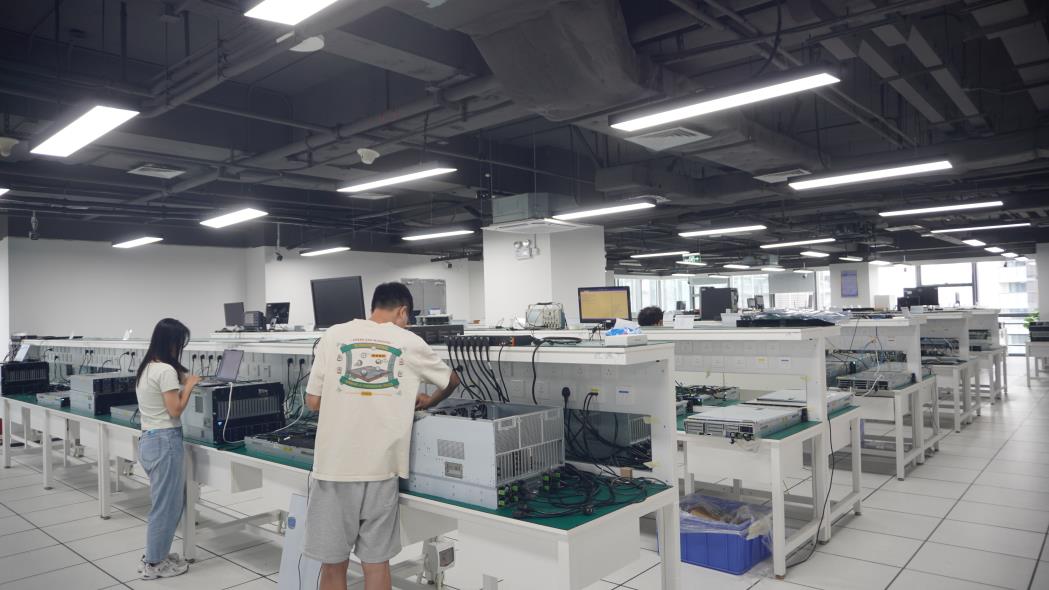
We maintain a testing laboratory equipped with various motherboard platforms from Intel, AMD, and ARM. This allows us to verify backward compatibility for legacy DDR3 and DDR4 configurations alongside modern DDR5 systems.
Depending on the complexity of the design, prototype samples are typically completed within 7 to 10 working days. Bulk production orders generally ship within 20 to 30 days after design approval and component sourcing verification.
 Memvora