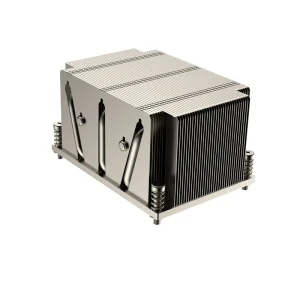
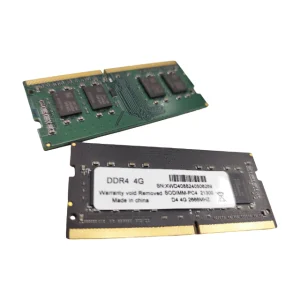
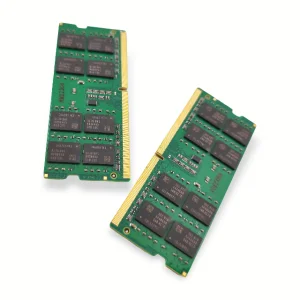
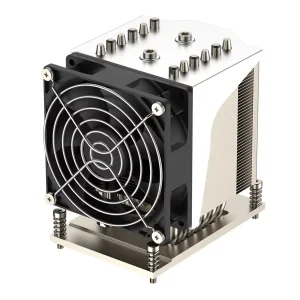
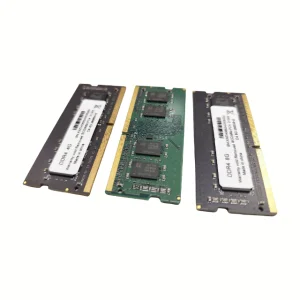
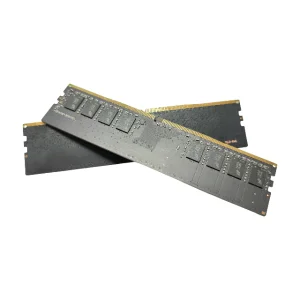
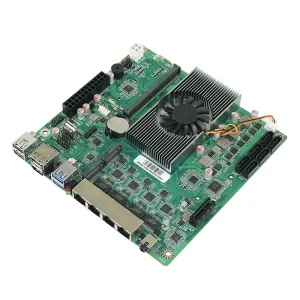
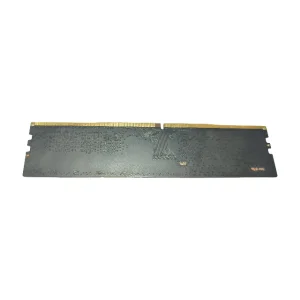
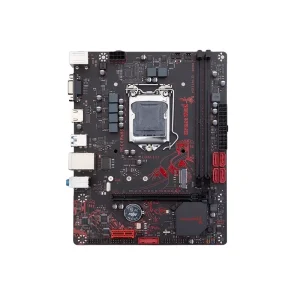
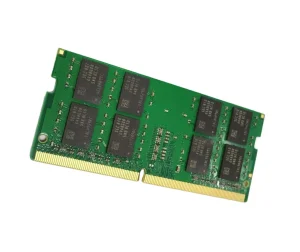
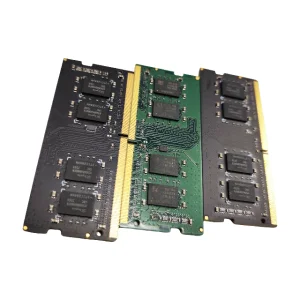
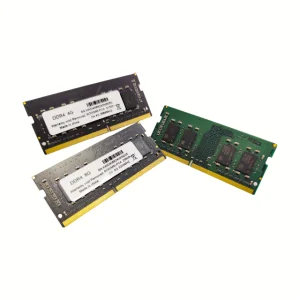
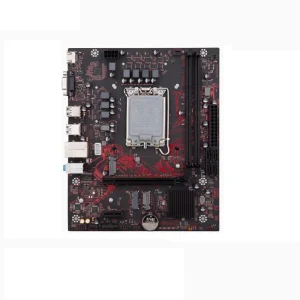
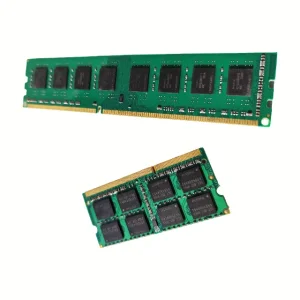
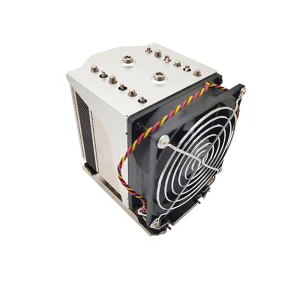
Direct access to state-of-the-art server components, thermal cooling solutions, and memory interfaces manufactured under absolute quality guidelines.
As global energy requirements shift toward green initiatives, high-efficiency solid-state lighting relies heavily on structural PCB innovation. The modern LED Circuit Board is no longer just a structural component but a critical thermal dissipation mechanism that determines lumen maintenance and operational lifespan.
High-density pixel pitches require ultra-fine trace spacing (L/S down to 15/15μm). Substrates must offer outstanding dimensional stability and coplanarity to allow direct die attachment without thermal stress defects.
High-power illumination utilizes Insulated Metal Substrates (IMS) with aluminum or copper bases. Our engineering delivers dielectric layers with thermal conductivities up to 8.0 W/m.K for maximum thermal transfer.
Headlights and ADAS-integrated LED arrays require rigid-flex PCBs with high vibration resistance, long thermal cycling capacity, and zero-defect quality levels verified through AOI and X-ray inspection.
High-power LEDs convert only 30% to 40% of input electrical energy into light; the remaining 60% to 70% is released as heat. High temperatures degrade chip reliability, shorten service life, and shift emission wavelengths. Below, we compare the materials driving modern LED PCB heat dissipation.
| Substrate Material Type | Thermal Conductivity (W/m·K) | Dielectric Thickness (typical) | CTE Mismatch (ppm/°C) | Key Applications |
|---|---|---|---|---|
| Standard FR-4 Glass Epoxy | 0.25 - 0.4 | 100μm - 150μm | 14 - 16 | Low-power consumer indicators, backlight strips |
| Standard Aluminum PCB | 1.0 - 2.0 | 75μm - 100μm | 22 | Commercial tube lights, bulbs, standard streetlights |
| High-Thermal Aluminum IMS | 3.0 - 8.0 | 50μm - 75μm | 20 | High-bay lighting, stadium lights, automotive headlamps |
| Copper Base PCB (Direct Thermal Path) | 385 - 400 | N/A (Direct pad-to-base contact) | 17 | High-density COB LEDs, concentrated solar cells, lasers |
| Ceramic (Alumina Al2O3 / Aluminum Nitride AlN) | 24 - 170 | Homogeneous Ceramic Base | 4.5 - 7 | UV-C high-output disinfection, high-reliability aerospace |
To reduce thermal resistance, designers must target the thinnest possible dielectric layer with high dielectric strength. A thick layer introduces a thermal bottleneck. Memvora integrates advanced dielectric formulations utilizing ceramic fillers to optimize thermal conduction without risking electrical breakdown.
Significant thermal expansion mismatches between the LED package and the substrate cause solder joint cracks over repeated thermal cycling. Our material selection aligns the thermal expansion coefficients (CTE) across FR-4 and Metal Core materials to reduce shear stress on solder fillets.
Founded in 2017, Memvora Electronics Technology Co., Ltd. is a professional manufacturer specializing in high-performance electronics and thermal management components. We are dedicated to delivering reliable memory, cooling, and printed circuit board solutions for consumer, industrial, enterprise, and embedded applications worldwide. With a modern, highly specialized manufacturing facility covering 386㎡, we combine advanced production equipment, strict quality management, and experienced engineering expertise to provide stable, high-speed electronic products for global OEM and ODM partners.
Since entering the international market, Memvora has accumulated 7 years of export experience, serving customers across North America, Europe, Southeast Asia, the Middle East, and South America. Our annual export revenue exceeds US$18.6 million, supported by a strong global supply chain and long-term partnerships with more than 1,280 component suppliers and business partners.
With 14 years of industry experience, our team continuously invests in technology innovation and product development. Our R&D department consists of 126 professional engineers who focus on developing next-generation hardware solutions with higher efficiency, lower thermal resistance, and enhanced reliability. Last year alone, we successfully launched 86 new products to meet the evolving needs of gaming, AI computing, industrial automation, and high-power LED applications.
Quality is the foundation of everything we do. Every board and module undergoes 100% functional testing, burn-in testing, compatibility testing, signal integrity testing, and aging tests before shipment. Our dedicated quality control team of 42 inspectors ensures every product meets rigorous international quality standards and delivers long-term stable performance.
Memvora provides flexible OEM, ODM, private label, custom capacity, PCB color, heat spreader design, firmware optimization, and packaging customization services to meet different market requirements. Backed by a responsive engineering team and efficient production management, we help customers shorten development cycles and accelerate product launches.
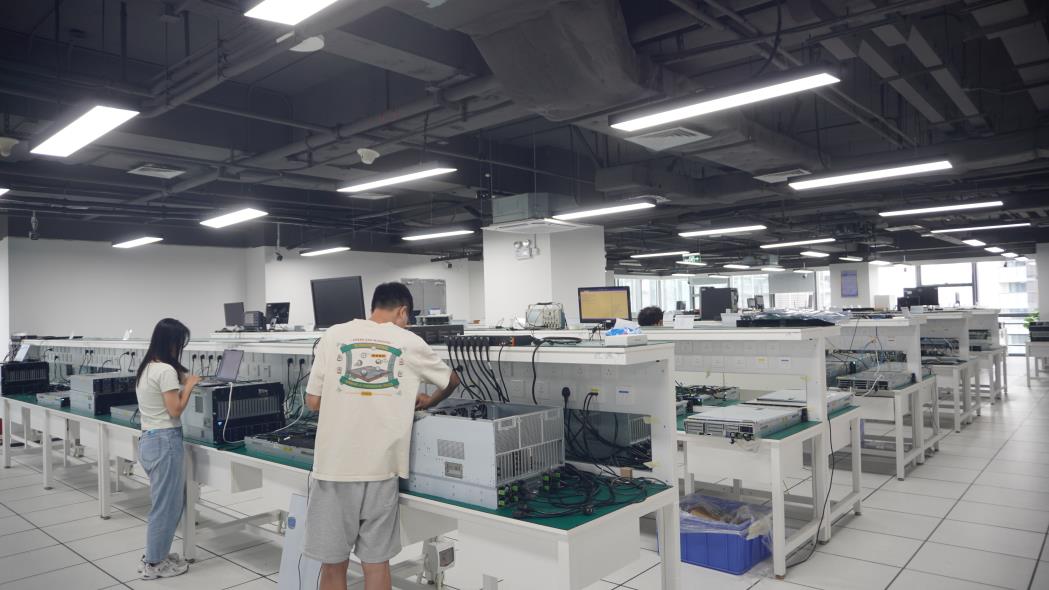
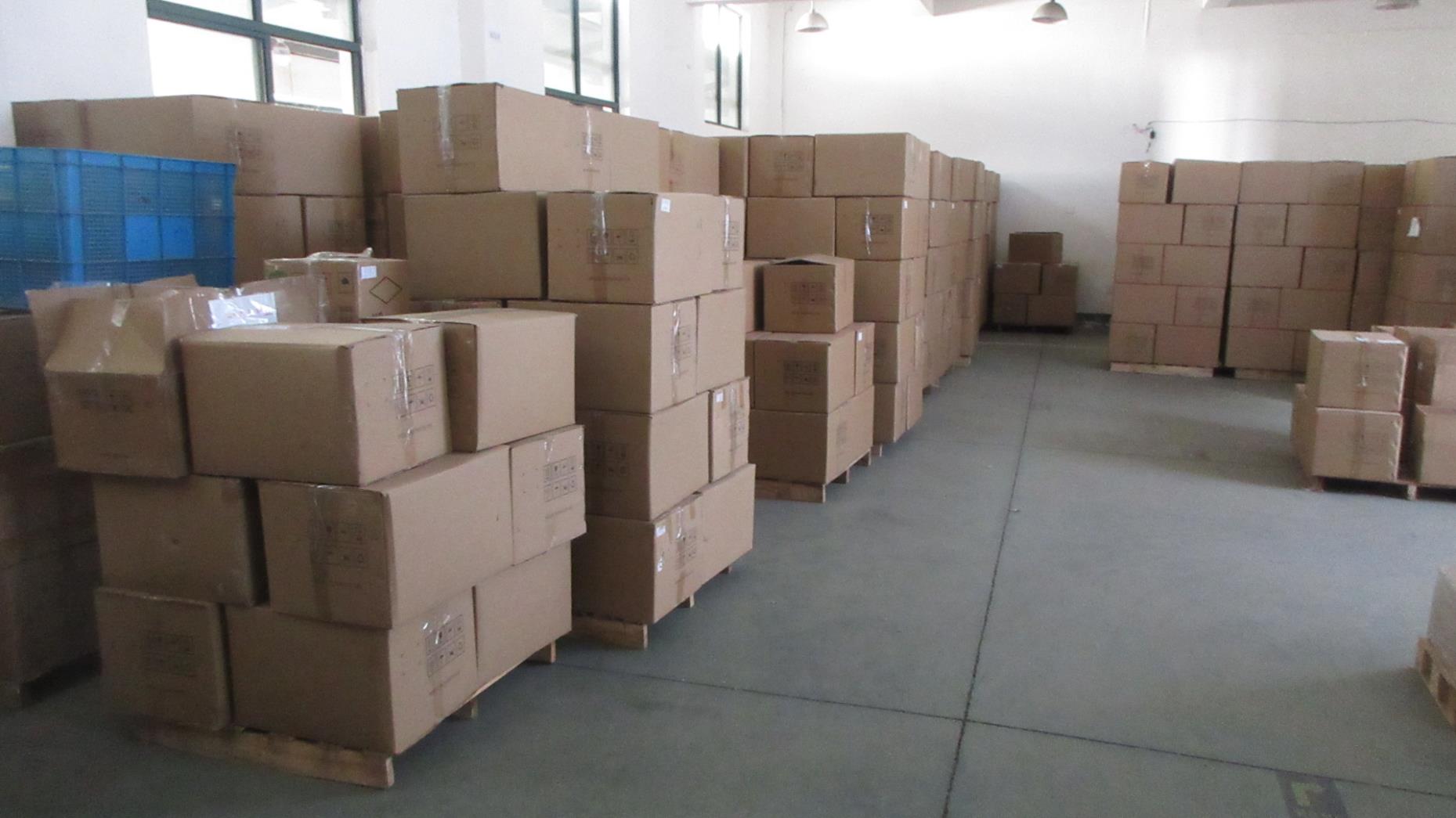
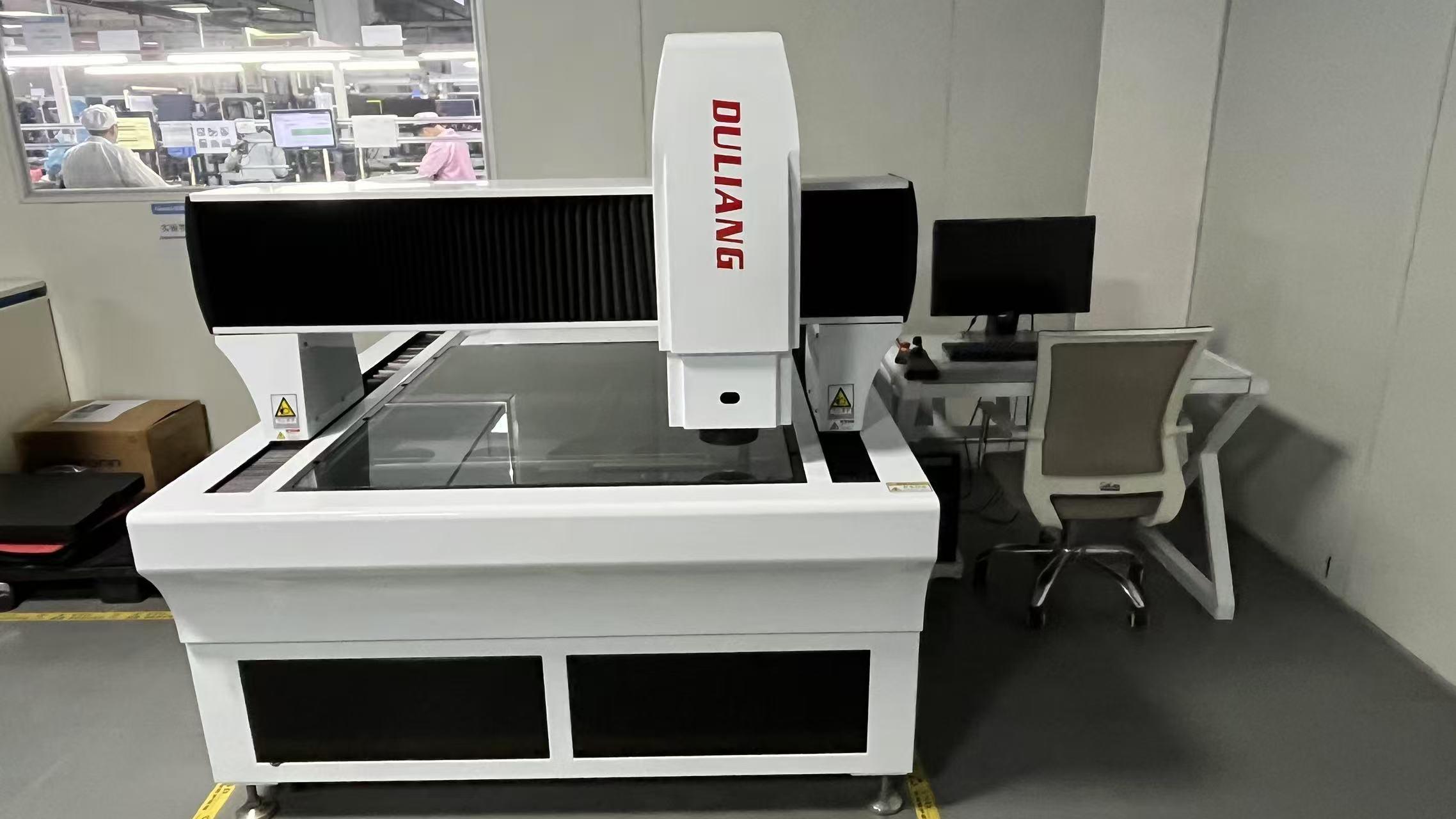
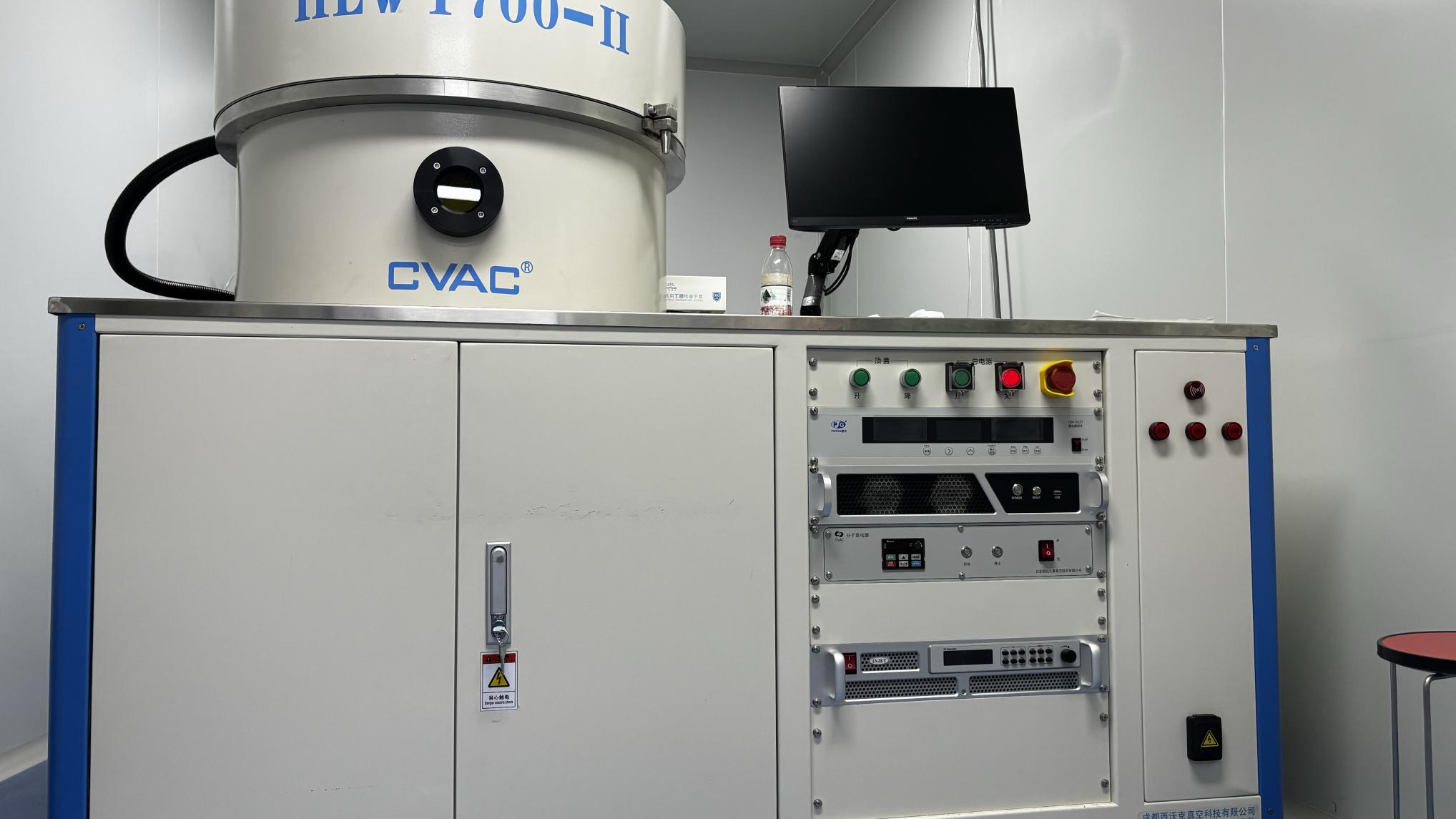
We provide comprehensive hardware and circuit board solutions engineered to meet the demanding requirements of global infrastructure, agriculture, and high-performance computing.
Public outdoor lighting requires high surge protection (10kV to 20kV) and reliable thermal paths to survive outdoor ambient fluctuations. We engineer multi-layer aluminum boards featuring copper pad designs to resist lightning strikes and voltage spikes.
Agricultural growth lighting requires specific photosynthetic photon flux density (PPFD). Our high-power LED boards are engineered for continuous 24/7 cycles under high relative humidity, utilizing specialized anti-corrosion conformal coatings.
Through our specialized divisions, we construct high-speed motherboards and active heat sinks (up to 300W and 320W server class coolers) to sustain intensive AI computing operations globally.
Our quality assurance program is designed to deliver a zero-ppm field failure rate. With 42 dedicated quality inspectors monitoring operations across SMT placement, reflow soldering, and final packaging, every product is thoroughly verified.
Memvora electronics processes meet strict regulatory and custom safety benchmarks required for commercial, medical, and automotive deployment in major markets like Europe and North America.
We continuously invest in R&D to advance the limits of thermal dissipation and integration. Our technological roadmap focuses on three main developments:
Optimizing laser direct imaging (LDI) and ultra-fine pitch SMT capabilities to mount micro-scale LEDs directly onto large-format control substrates without pitch deviation.
Pioneering new organic resins and composite core metals that simplify recycling and reduce the carbon footprint of structural B2B lighting infrastructure.
Consolidating LED matrices and power ICs inside a single substrate layer. This configuration reduces overall assembly profile, minimizes signal loops, and improves electrical efficiency.
Direct technical answers addressing key design, procurement, and reliability considerations for global engineers and purchasing managers.
Explore our full line of memory modules, motherboards, and server thermal management components built to meet strict computing requirements.
 Memvora