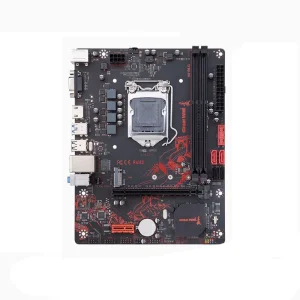
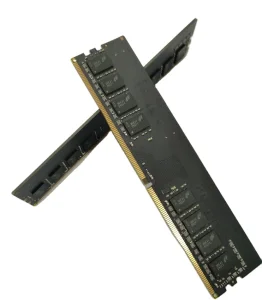
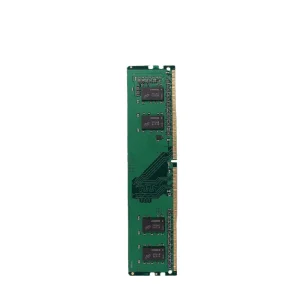
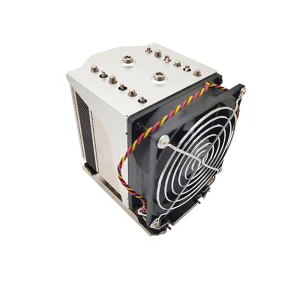
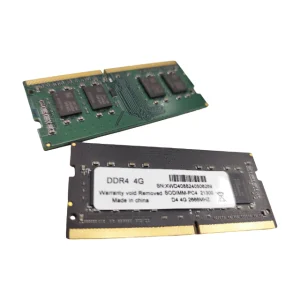
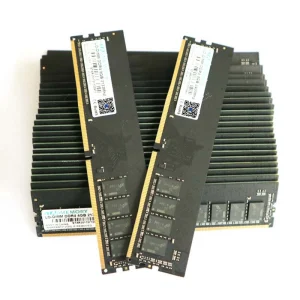
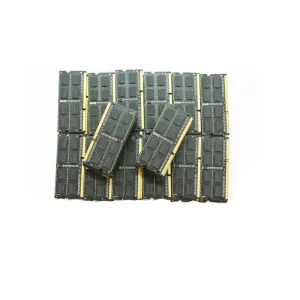
Founded in 2017, Memvora Electronics Technology Co., Ltd. has positioned itself at the cutting edge of memory engineering and printed circuit board integration. We specialize in high-performance DDR5 memory modules, alongside supporting custom motherboard fabrication and thermal cooling systems. Our commitment is to deliver resilient hardware solutions tailored for consumer, industrial, enterprise, and embedded applications across the globe.
Operating from a state-of-the-art 386㎡ cleanroom precision SMT assembly and prototyping facility, we leverage advanced machinery, strict ISO-aligned quality protocols, and seasoned engineering expertise to offer stable, high-speed printed circuit board assemblies (PCBA) for global OEM and ODM partnerships. Since entering international markets, we have built a stellar reputation with 7 years of direct export experience.
Today, our products power critical systems in North America, Europe, Southeast Asia, the Middle East, and South America. Backed by annual export revenues exceeding US$18.6 million and robust supply chains consisting of more than 1,280 accredited component suppliers, Memvora ensures component stability even in the most volatile market climates.
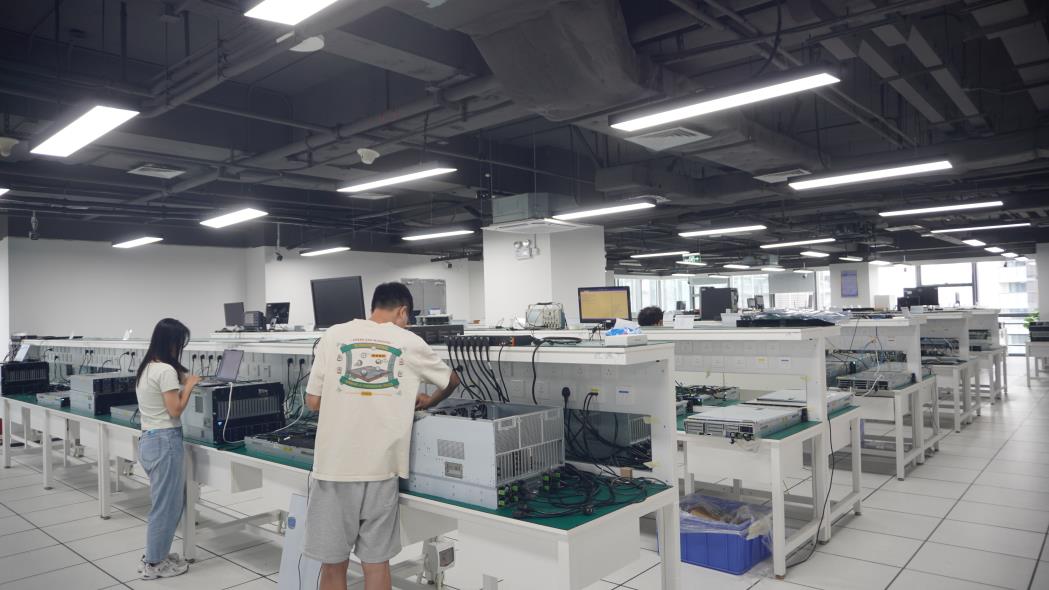
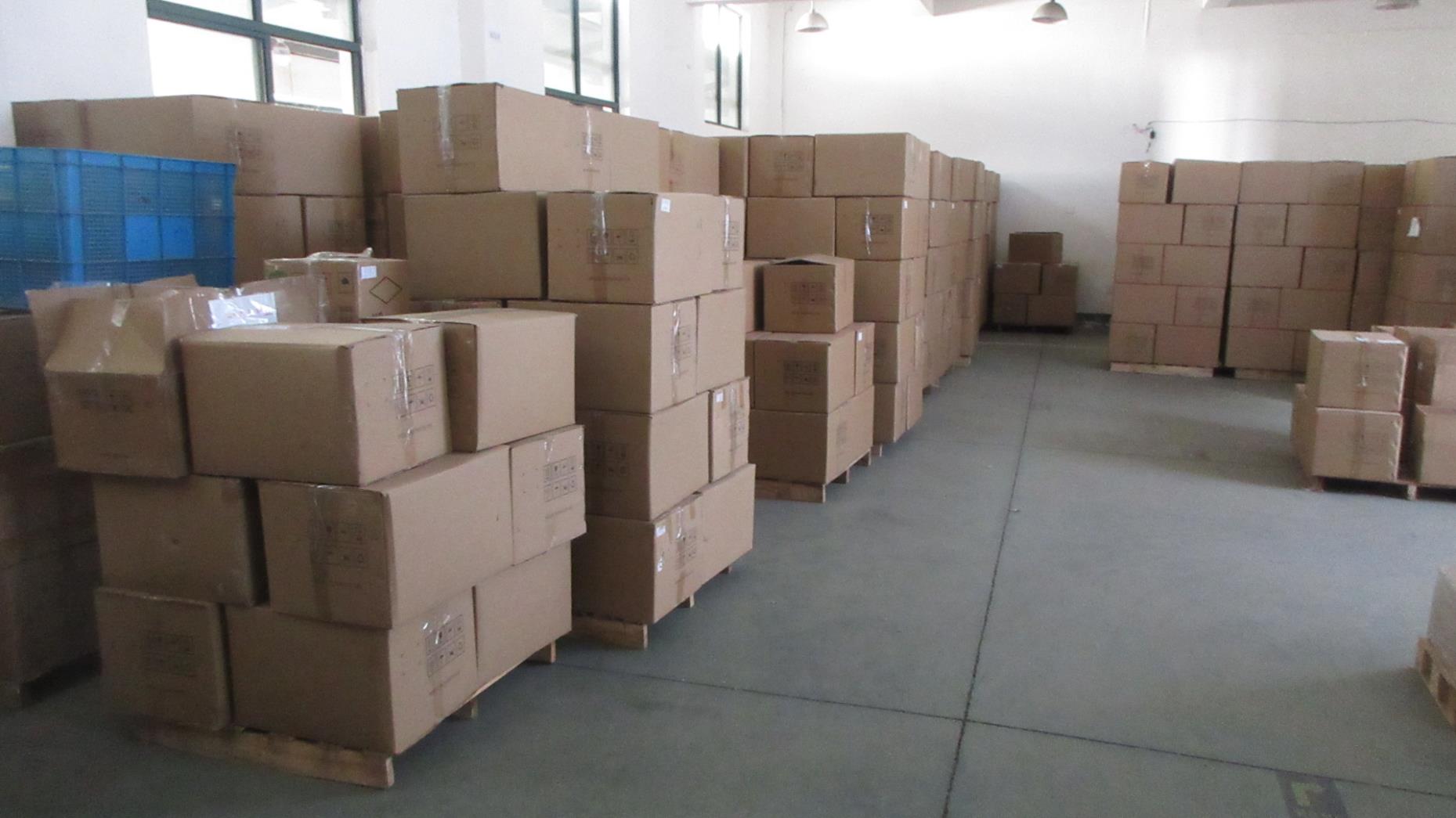
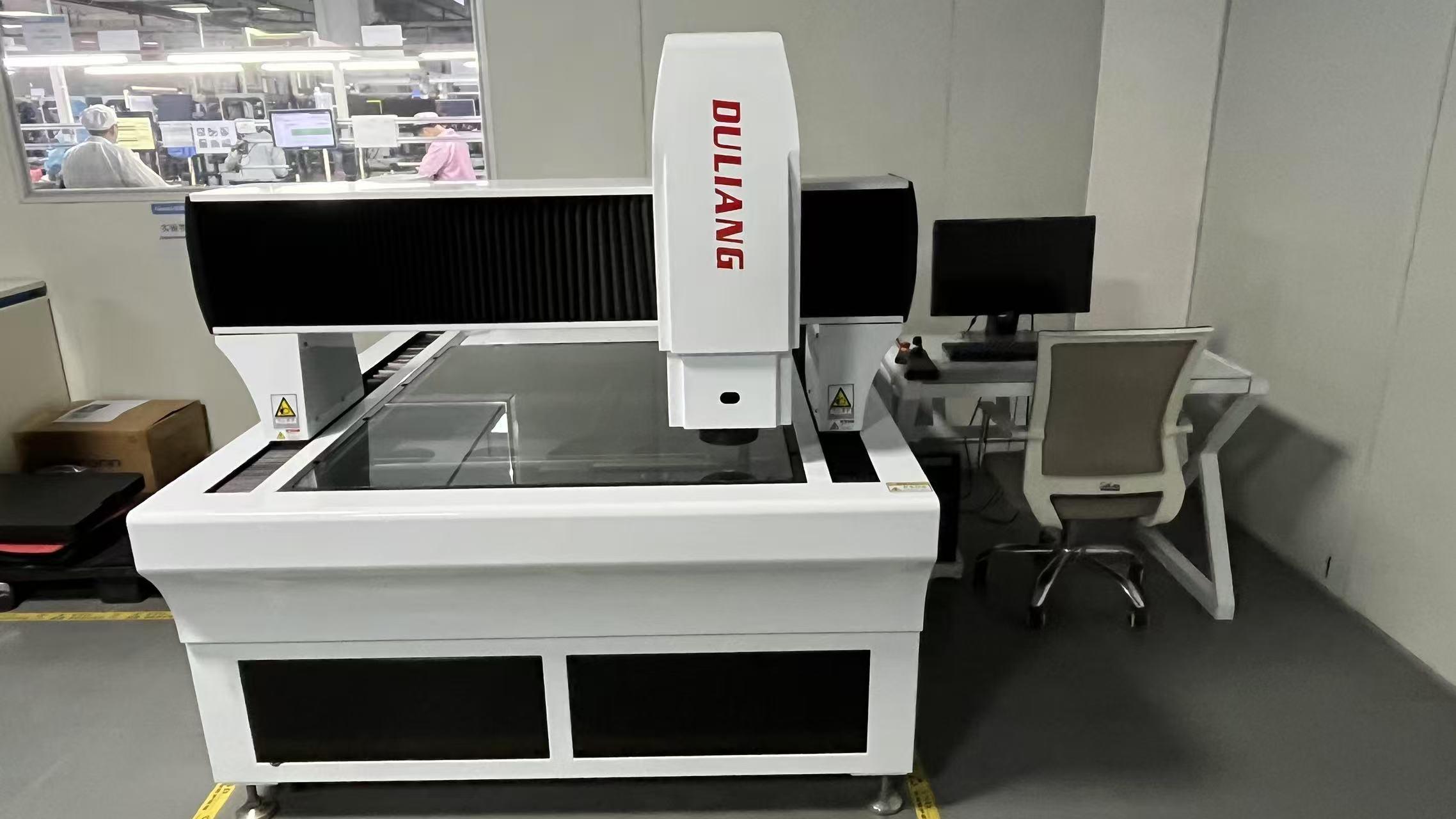
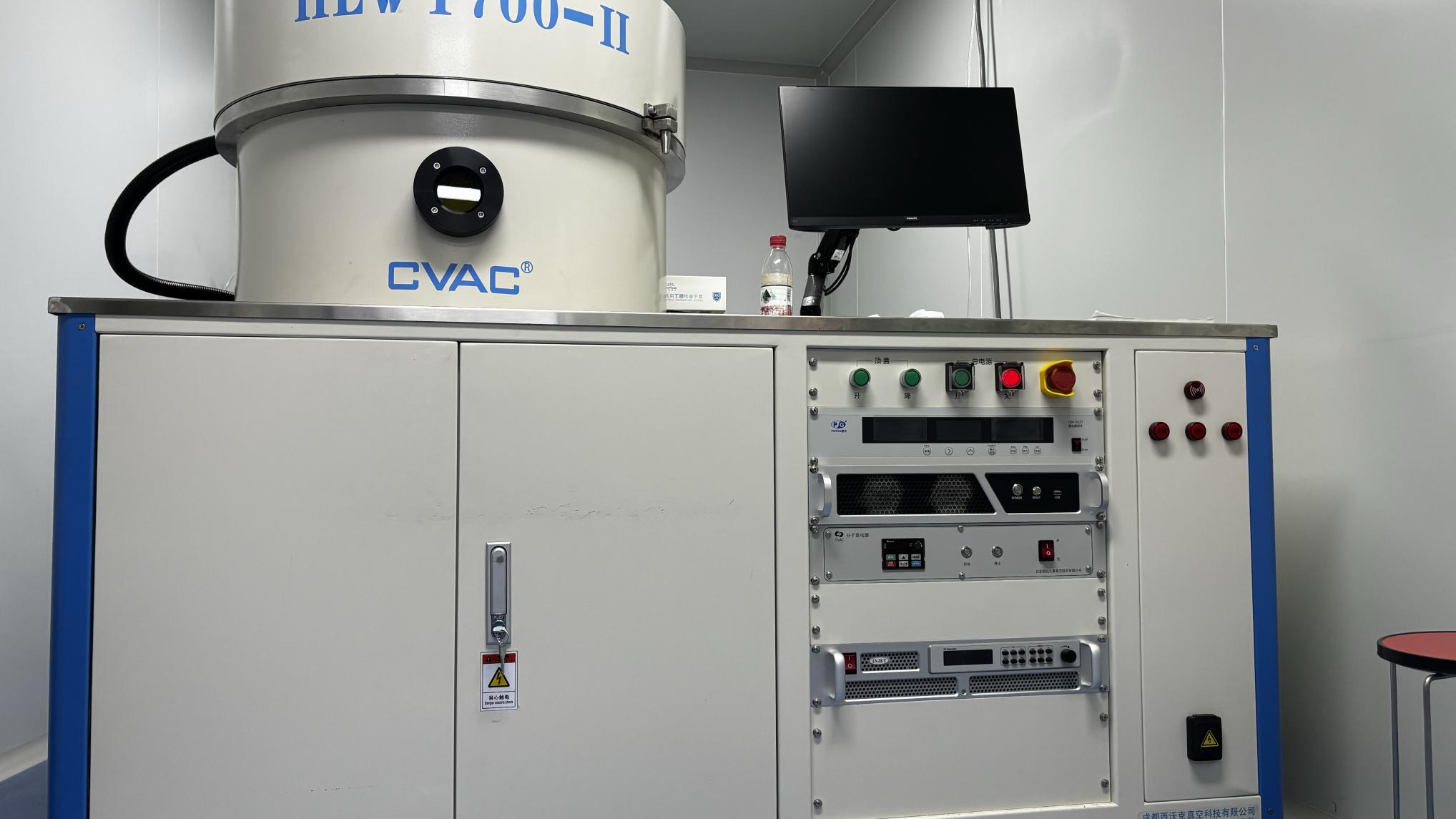
China stands as the global epicenter for printed circuit board manufacturing, producing over 50% of the world’s PCBs. This dominant position is built on a highly integrated electronics manufacturing ecosystem. For global procurement teams, sourcing PCBs and advanced assemblies from China provides deep cost efficiencies, unprecedented prototyping turnaround times, and immediate access to cutting-edge material technologies.
From specialized copper-clad laminates (CCL) to highly specific solder resists, China’s domestic material supply chain guarantees that raw materials are sourced within hours, keeping lead times minimal.
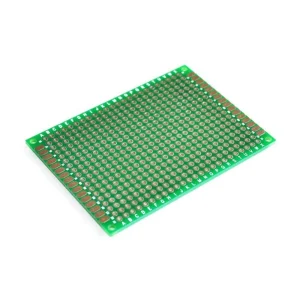
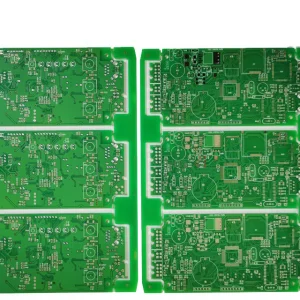
China's highly flexible manufacturing infrastructure enables transition from single-layer prototype boards (such as double-sided breadboards) to massive runs of multi-layer enterprise-class PCBs with speed.
Integrating active component sourcing directly into the PCBA process. Memvora leverages 1,280+ strategic supplier partnerships to ensure DDR5 DRAM, CPUs, and ICs are procured reliably.
For critical hardware deployments in data centers, aerospace, and medical systems, reliability is non-negotiable. At Memvora, we bridge the gap between Chinese factory efficiencies and strict Western quality frameworks (IPC Class II/III, UL 94V-0, CE, RoHS, and REACH). Every single batch undergoes multi-stage structural validation to ensure flawless signal integrity under demanding environments.
| Parameter / Process | Standard Capability | High-Precision / Advanced Capabilities |
|---|---|---|
| Layer Count | 1 to 8 Layers (standard FR-4) | Up to 32 Layers (High-TG, Halogen-Free, Rogers) |
| Surface Finishes | HASL Lead-Free, OSP, HASL Sn/Pb | ENIG (Immersion Gold), ENEPIG, Immersion Silver/Tin |
| Line Width / Spacing | Min. 4 mil (0.1mm) | Min. 2.5 mil (0.063mm) for High-Density Interconnect (HDI) |
| Solder Mask Options | Green, Blue, Black, White | Custom Matte finishes, high-reflection LED White, Custom OEM Colors |
| Impedance Control | ± 10% Standard tolerance | ± 5% High-Frequency differential pair impedance control |
| Reliability Testing | Visual, AOI (Automated Optical Inspection) | 100% Functional Test, X-Ray, Burn-in, Signal Integrity (SI), Flying Probe |
Our quality assurance division consists of 42 dedicated inspectors using high-end diagnostics. Before dispatching any shipment (whether memory modules, server motherboard assemblies, or custom dual-sided prototypes), we execute:
Navigating international import-export regulations requires active compliance support. Memvora ensures that all manufactured components strictly conform to the regulations of the destination country. This includes providing Full Traceability Material Certificates, RoHS/REACH compliance paperwork, and conflict-mineral declarations.
We provide localization documentation to streamline customs clearance, managing tariff structures, HS classification, and delivering compliant components to markets globally.
From initial schematic capture and stack-up architecture design to customized heat spreader configurations and optimized firmware modifications, we tailor hardware to your performance specifications.
Our firmware optimization ensures components run reliably in target systems. This includes customized BIOS settings, SPD settings for DDR5, and localized safety parameters.
The global electronics landscape is experiencing rapid transition. Emerging technologies require PCB designers and hardware manufacturers to rethink basic design criteria. High-speed computing, thermal density management, and sustainability are shaping the next generation of computing components:
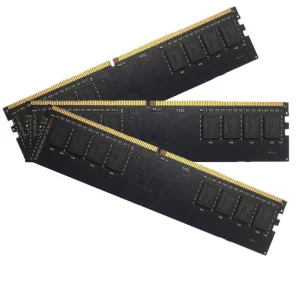
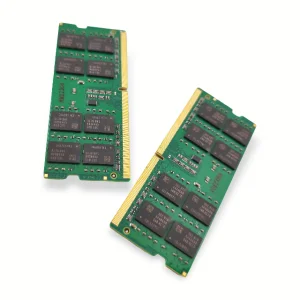
With standard bus speeds surpassing 4800MT/s to 6400MT/s and higher, DDR5 demands tighter impedance tolerances and optimized trace routing. Compared to DDR4, DDR5 features on-board Power Management ICs (PMICs), shifting power management directly onto the module PCB. This transition requires multi-layer designs (typically 8 to 12 layers) with micro-vias, requiring precision fabrication capabilities.
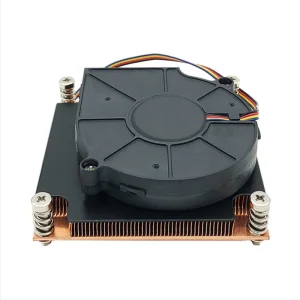
Modern high-density computing chips (such as server CPUs and high-performance GPUs) operate with thermal envelopes exceeding 300W to 400W. To prevent thermal throttling, manufacturers must design high-conductivity copper heat sinks with integrated heat pipes, alongside metal-core PCBs (MCPCBs) or thick copper PCB layers that distribute heat efficiently away from sensitive components.
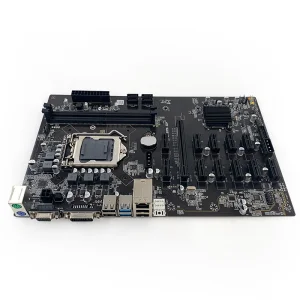
Smaller device footprints and high pin-count BGA chips demand HDI layouts. HDI technology utilizes blind vias, buried vias, and micro-vias down to 0.05mm. This enables routing for advanced server motherboards, multi-layer memory modules, and smart embedded IoT devices while maintaining stable signal transmission.
Environmentally friendly PCB manufacturing is now standard. Sourcing lead-free finishes (like ENIG or Lead-Free HASL) alongside halogen-free FR-4 base laminates ensures global compliance. This alignment with eco-design policies allows hardware developers to enter regulated international markets without compliance risks.
To assist global procurement teams and engineering managers, our technical support specialists address the most common inquiries regarding PCB layout, manufacturing, compliance, and memory technology integration.
 Memvora