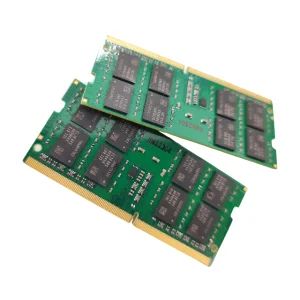
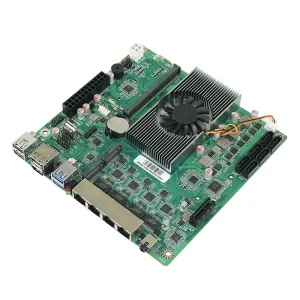
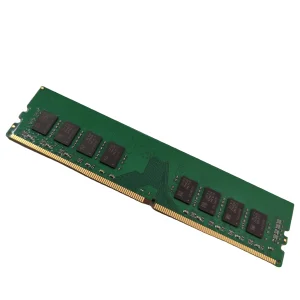
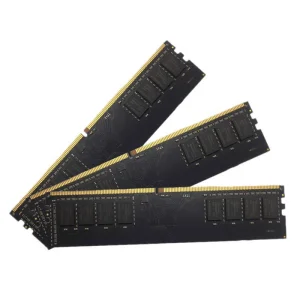
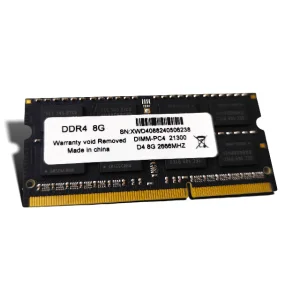
Explore our flagship high-performance thermal heat sinks, core logic boards, and memory configurations designed for complex processing environments.
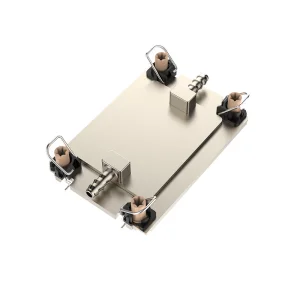
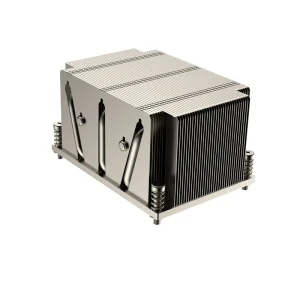
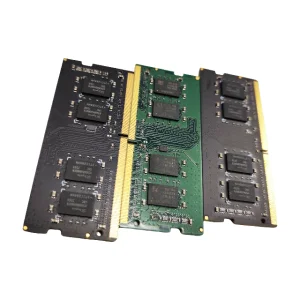
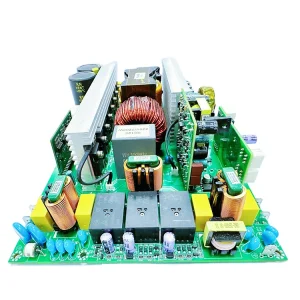
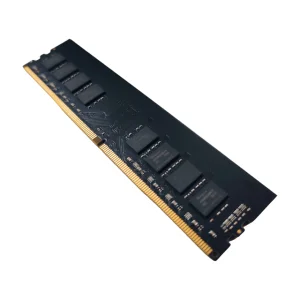
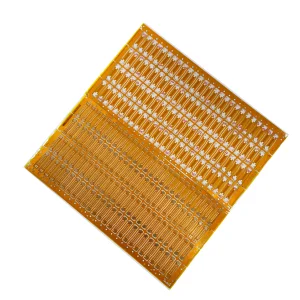
As the global digital economy transitions into an era dominated by high-density processing, artificial intelligence (AI), and cloud architectures, standard thermal management solutions no longer suffice. CPU and GPU designs continue to pack more processing power into smaller silicon footprints, leading to a steep rise in Thermal Dissipation Power (TDP) thresholds—often exceeding 300W to 400W per socket. In this environment, the server radiator ceases to be a simple piece of metal; it is a critical safeguard for uptime, data integrity, and operational efficiency.
China has established itself as the global epicenter for server radiator design, manufacturing, and export. By combining structural innovations—such as advanced skived copper fin configurations, vapor chamber integrations, and hybrid liquid-to-air cooling loops—Chinese manufacturers offer the precise engineering required to reduce system resistance, lower Power Usage Effectiveness (PUE) ratios, and prevent thermal throttling in mission-critical deployments.
Utilizing high-purity oxygen-free copper base plates paired with ultra-thin stacked or skived fins to maximize contact area, ensuring immediate heat transfer away from high-TDP processor dies.
Precision-bent copper heat pipes utilizing sintered powder structures for optimal capillary action, transporting heat rapidly across the aluminum heat-dissipating sheets.
Every radiator assembly undergoes rigorous helium leak testing, thermal cycling simulations, and mechanical stress tests to operate continuously in high-vibration systems.
The operational environment of a server drastically alters its cooling requirements. Whether deployed in an enterprise data room, a harsh industrial floor, or a high-capacity solar inverter system, thermal management solutions must adapt to specific local demands.
Thermal engineering is evolving at an unprecedented pace. Over the next five years, the industry expects a massive convergence of air and liquid cooling designs. While passive air-cooled copper-fin heatsinks remain the baseline for 1U and 2U rack servers up to 300W, workloads utilizing processors that cross the 500W-1000W envelope will rely heavily on hybrid liquid blocks and phase-change materials.
We are actively investing in 3D Vapor Chamber (3D VC) manufacturing technology. Unlike traditional flat vapor chambers, a 3D VC merges the base plate and structural columns into a single vacuum chamber, enabling direct fluid-vapor circulation in three dimensions. This results in thermal conductivity that exceeds solid copper by several factors, lowering weight while keeping CPU temperatures within safe limits.
Annual Export Value
Supply Chain Partners
Professional R&D Engineers
Functional & Stress Tested
Founded in 2017, Memvora Electronics Technology Co., Ltd. is a professional manufacturer specializing in high-performance DDR5 memory modules, dedicated to delivering reliable memory solutions for consumer, industrial, enterprise, and embedded applications worldwide. With a modern manufacturing facility covering 386㎡, we combine advanced production equipment, strict quality management, and experienced engineering expertise to provide stable, high-speed memory products for global OEM and ODM partners.
Since entering the international market, Memvora has accumulated 7 years of export experience, serving customers across North America, Europe, Southeast Asia, the Middle East, and South America. Our annual export revenue exceeds US$18.6 million, supported by a strong global supply chain and long-term partnerships with more than 1,280 component suppliers and business partners.
With 14 years of industry experience, our team continuously invests in technology innovation and product development. Our R&D department consists of 126 professional engineers who focus on developing next-generation DDR5 memory solutions with higher speed, lower latency, and enhanced reliability. Last year alone, we successfully launched 86 new memory products to meet the evolving needs of gaming, AI computing, industrial automation, and enterprise servers.
Quality is the foundation of everything we do. Every product undergoes 100% functional testing, burn-in testing, compatibility testing, signal integrity testing, and aging tests before shipment. Our dedicated quality control team of 42 inspectors ensures every memory module meets rigorous international quality standards and delivers long-term stable performance.
Memvora provides flexible OEM, ODM, private label, custom capacity, PCB color, heat spreader design, firmware optimization, and packaging customization services to meet different market requirements. Backed by a responsive engineering team and efficient production management, we help customers shorten development cycles and accelerate product launches.
Today, Memvora serves a diverse customer base including memory brands, computer manufacturers, industrial equipment suppliers, system integrators, distributors, wholesalers, and e-commerce retailers. Through continuous innovation, reliable quality, and customer-focused service, we are committed to becoming a trusted global partner for advanced DDR5 memory manufacturing and customized DRAM solutions.
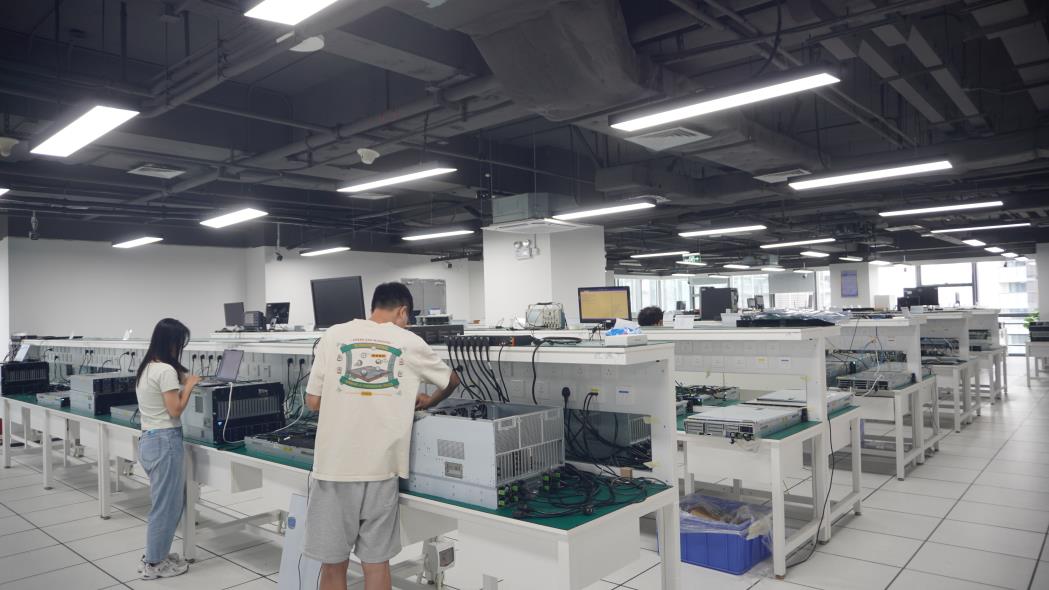
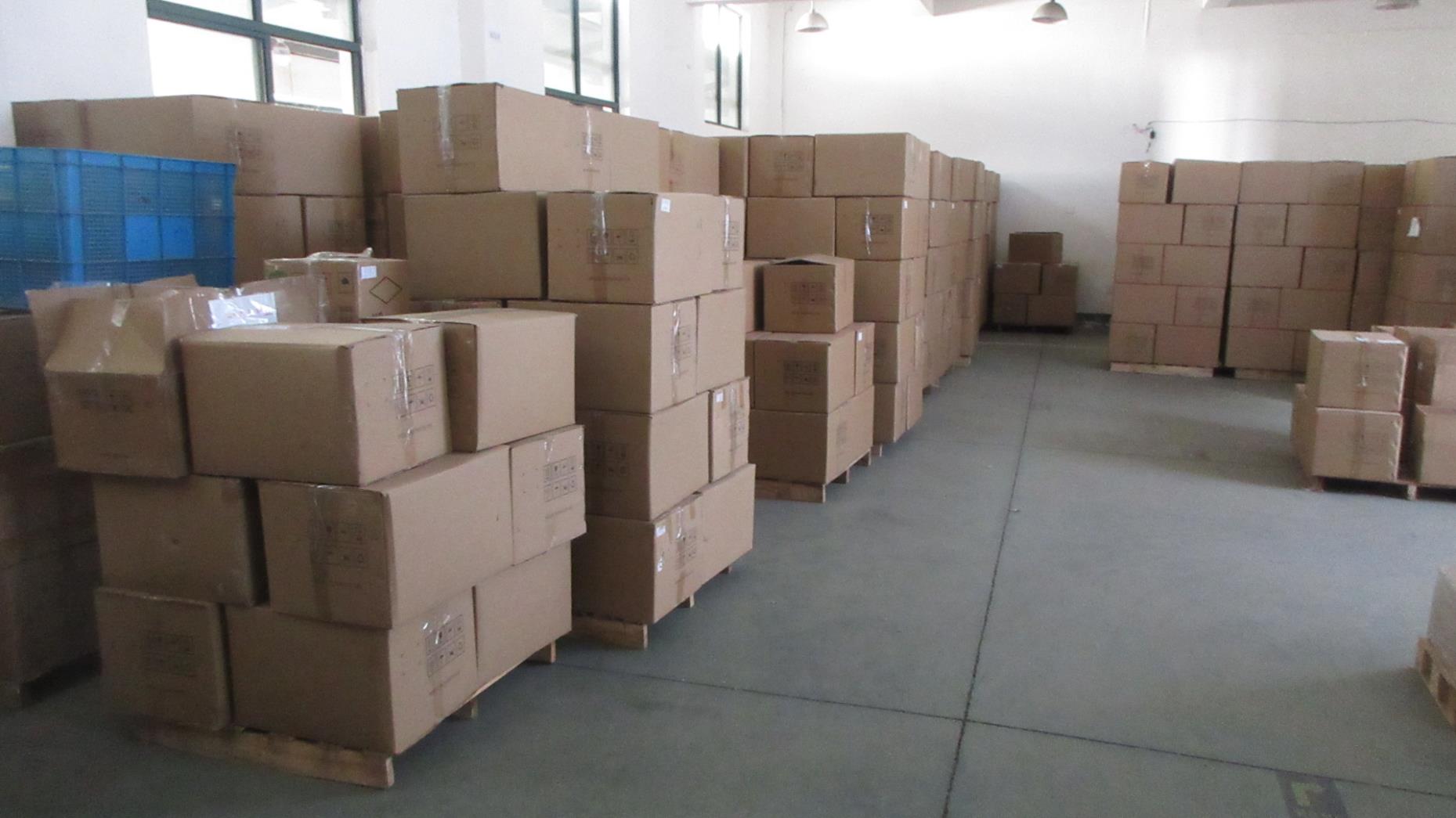
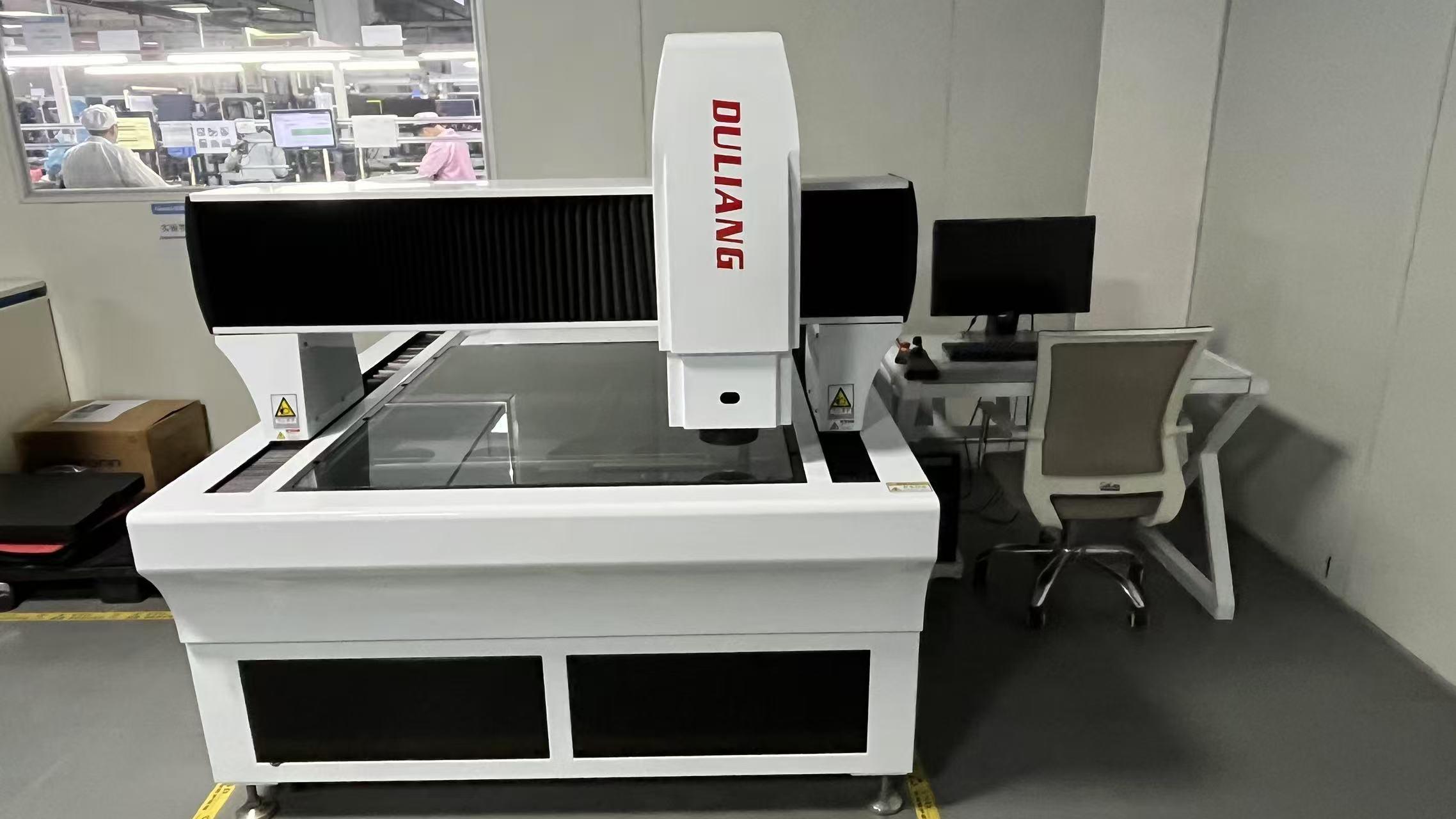
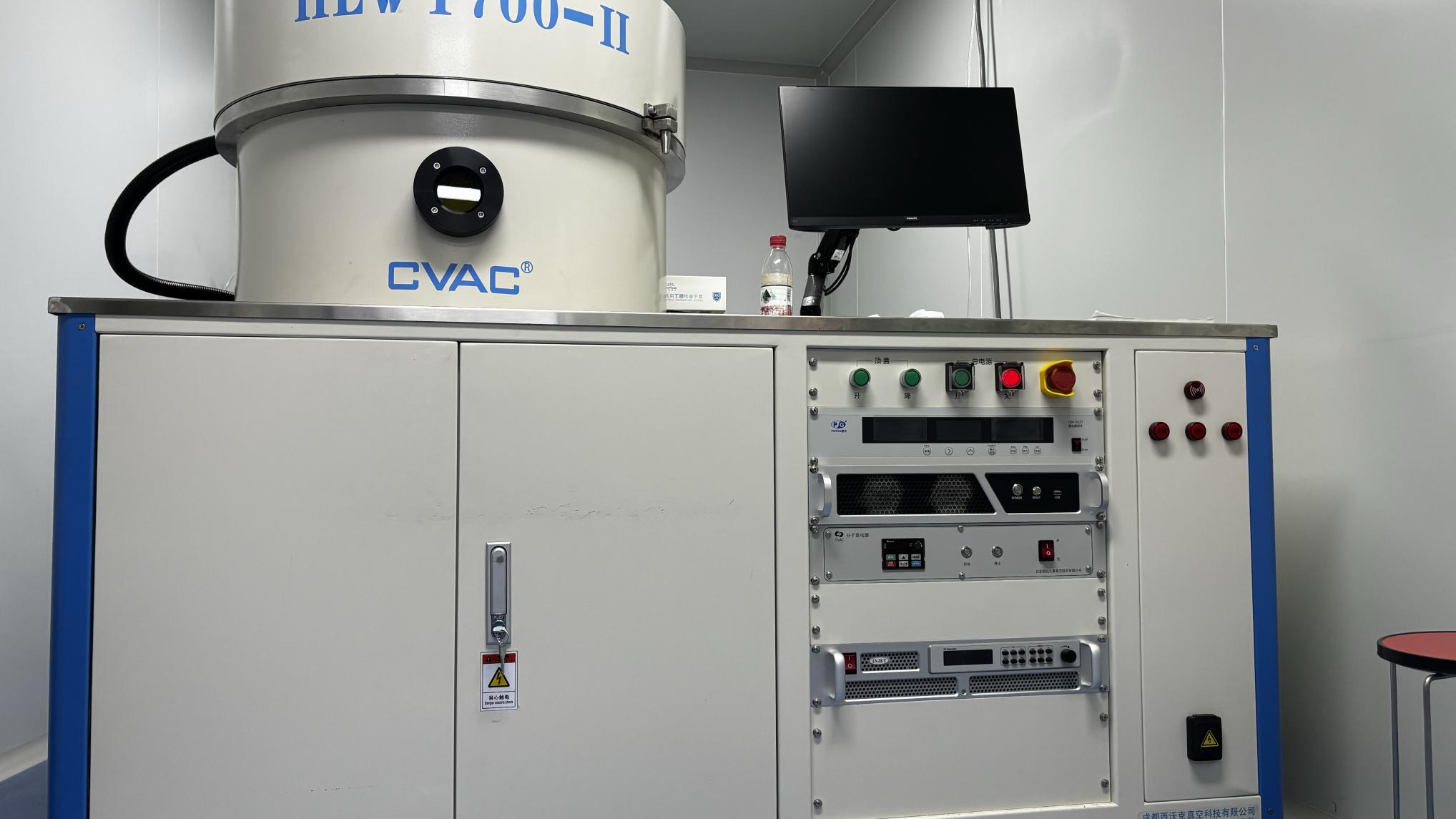
The manufacturing complexity of custom copper server radiators and cooling units involves multiple specialized supply verticals. China’s primary hardware manufacturing clusters provide unparalleled access to basic raw materials, CNC machining, chemical surface treatments, and advanced logistics.
From pure copper extrusion to complex aluminum fin stamping and heat-pipe sintering, all necessary industrial operations are situated within tight geographic corridors. This spatial layout enables rapid iteration from prototypes to volume production, cutting standard design and tooling lead times by up to 40% compared to Western manufacturers.
Top-tier Chinese exporters adhere to strict quality validation systems. Testing includes helium-based mass spectrometry for leak detection, thermal resistance evaluation in wind tunnels, and microscopic inspection of solder joint integrity. This structure ensures that radiators run consistently without failure throughout the server's multi-year operational lifespan.
Leveraging deep-water ports and intercontinental rail corridors, exporters arrange bulk shipments with minimal delay. Customized packaging prevents shipping deformation of fragile heatsink fins, ensuring components arrive in drop-in ready condition for assembly lines globally.
Answers to critical questions regarding server radiator specifications, design compatibility, and enterprise memory reliability.
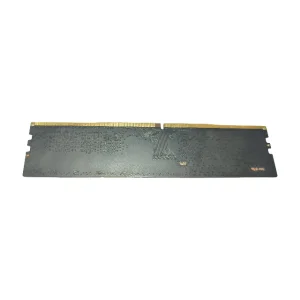
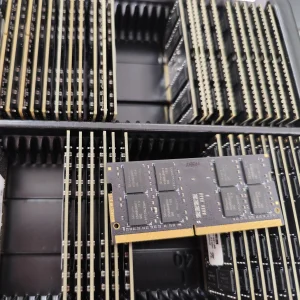
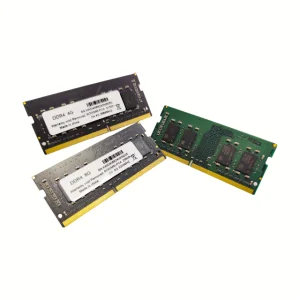
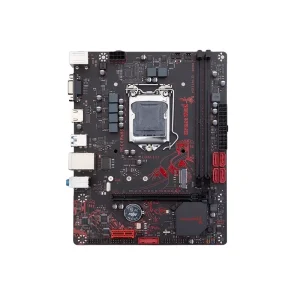
Browse our high-performance desktop memory modules, server RAM options, and specialized system motherboards.
 Memvora