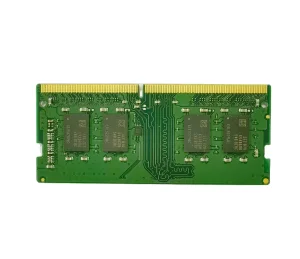
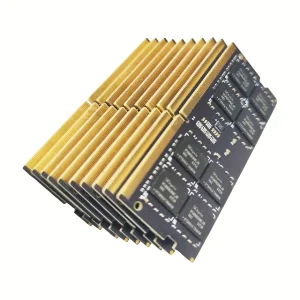
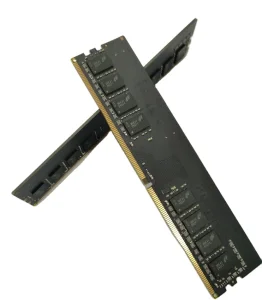
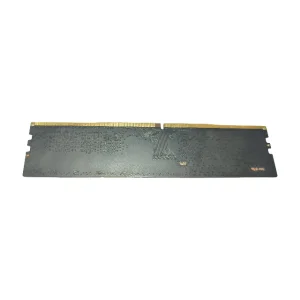
While the consumer market continues to transition toward advanced DDR5 architecture, DDR3 RAM modules maintain an incredibly resilient and strategically vital footprint across global B2B, industrial, and embedded system applications. DDR3 technology—originally standardized by JEDEC—remains the baseline memory architecture for an enormous matrix of legacy computing platforms, telecommunications infrastructure, and embedded hardware. Industrial PCs, medical imaging devices, edge networks, and automotive electronics rely deeply on the long-term availability and architecture of DDR3 DRAM.
For systems installed five to fifteen years ago, migrating to DDR4 or DDR5 is often commercially unfeasible. Such migrations require complete platform re-engineering, which incurs massive design validation costs and requires passing strict international regulatory compliance frameworks. Consequently, global enterprise procurement teams actively search for reliable long-term manufacturers capable of delivering premium DDR3 SODIMM, UDIMM, and ECC RAM modules. Maintaining active production lines for legacy memories ensures industrial continuity, preventing costly downtime in critical public and commercial systems.
DDR3 modules provide core execution memory inside Programmable Logic Controllers (PLCs), Human-Machine Interfaces (HMIs), and heavy-duty robotic vision platforms that demand uninterrupted 24/7 runtimes.
Enterprise routers, smart switches, cellular base stations, and optical communication gear utilize high-density DDR3 ECC modules to manage packet processing queues without buffer overruns.
Long-term diagnostic systems, ultrasound equipment, and early-generation CT scanners rely on custom-validated, high-stability DDR3 memory configurations for processing precision data arrays.
China is globally recognized as the central hub for semiconductor assembly, testing, and packaging (OSAT). When sourcing DDR3 RAM modules, Chinese manufacturers provide substantial structural advantages over competitors in other regions. This efficiency stems from a deeply integrated local supply chain network centered in Guangdong, particularly Shenzhen and Dongguan.
Chinese factories excel at managing raw material procurement, sourcing directly from domestic and international wafer foundries to guarantee steady supplies of high-grade DRAM chips. Within these hubs, advanced Surface Mount Technology (SMT) lines process massive volumes with remarkable precision. By automating component placement, soldering, and online optical inspection (AOI), factories minimize production defects while keeping operational costs highly competitive. This cohesive industrial ecosystem allows Chinese exporters to offer flexible Minimum Order Quantities (MOQs), short lead times, and comprehensive customized packaging options that help global distributors bring products to market faster.
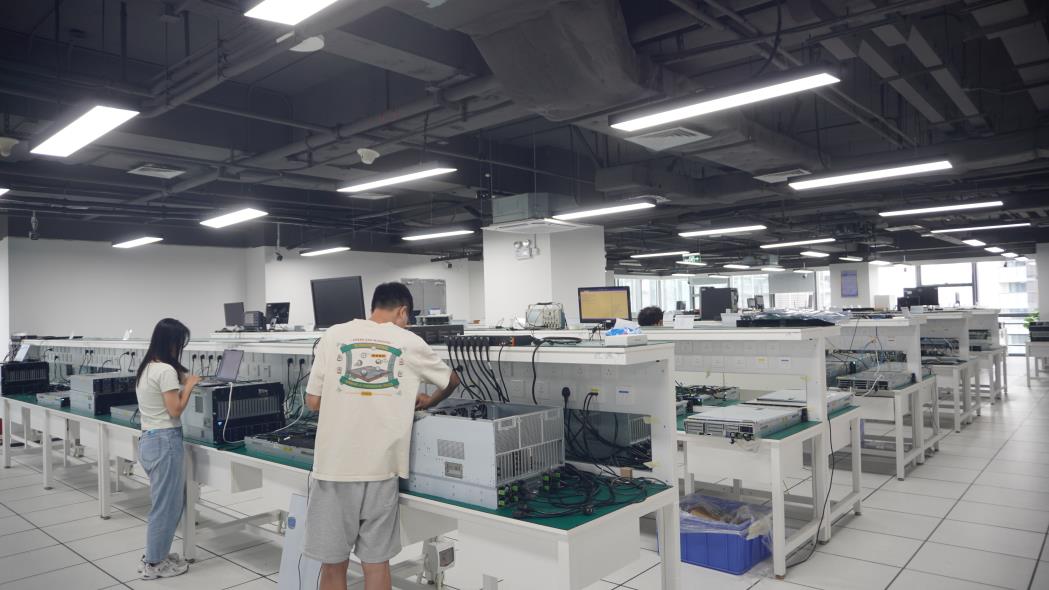
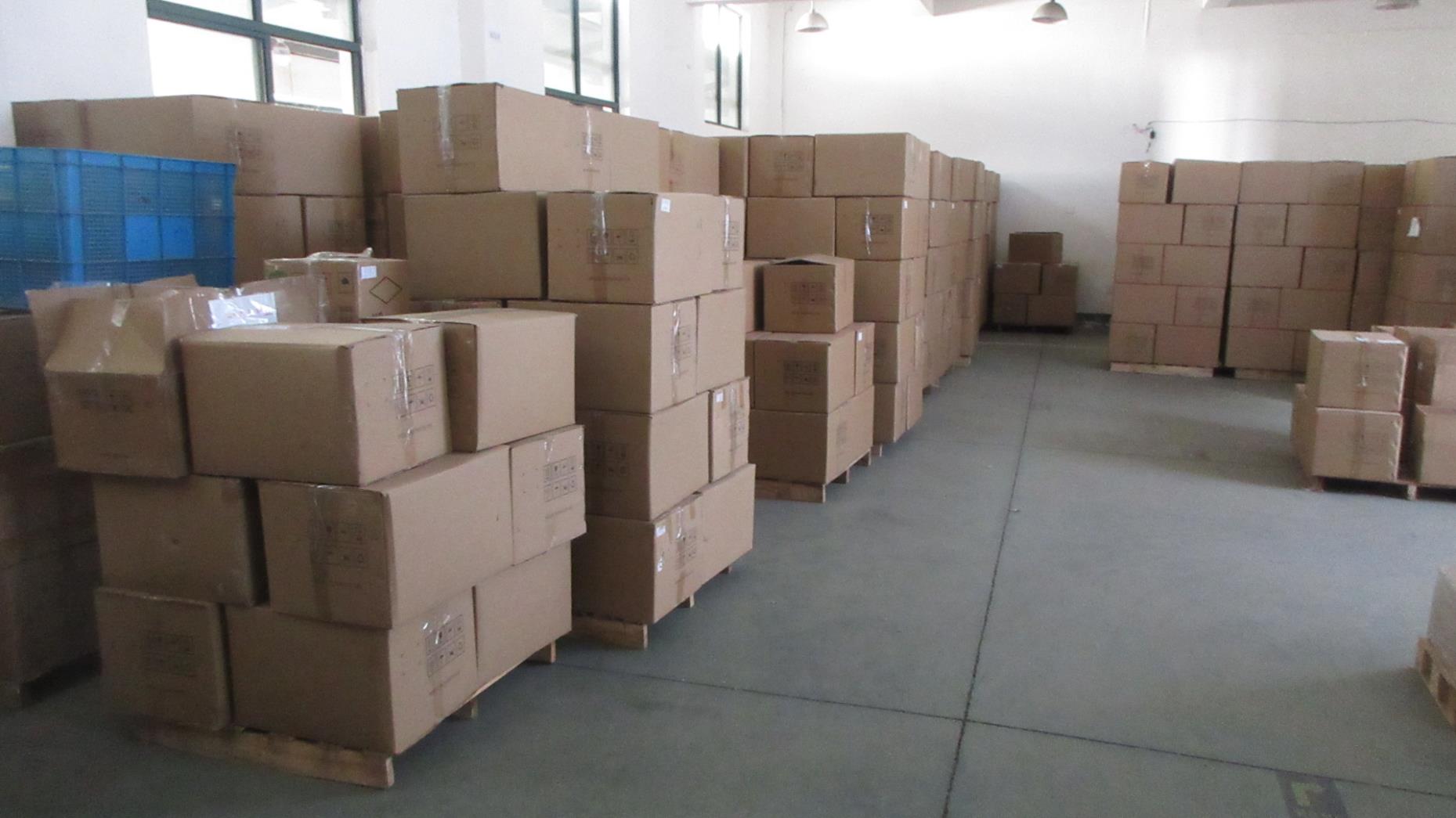
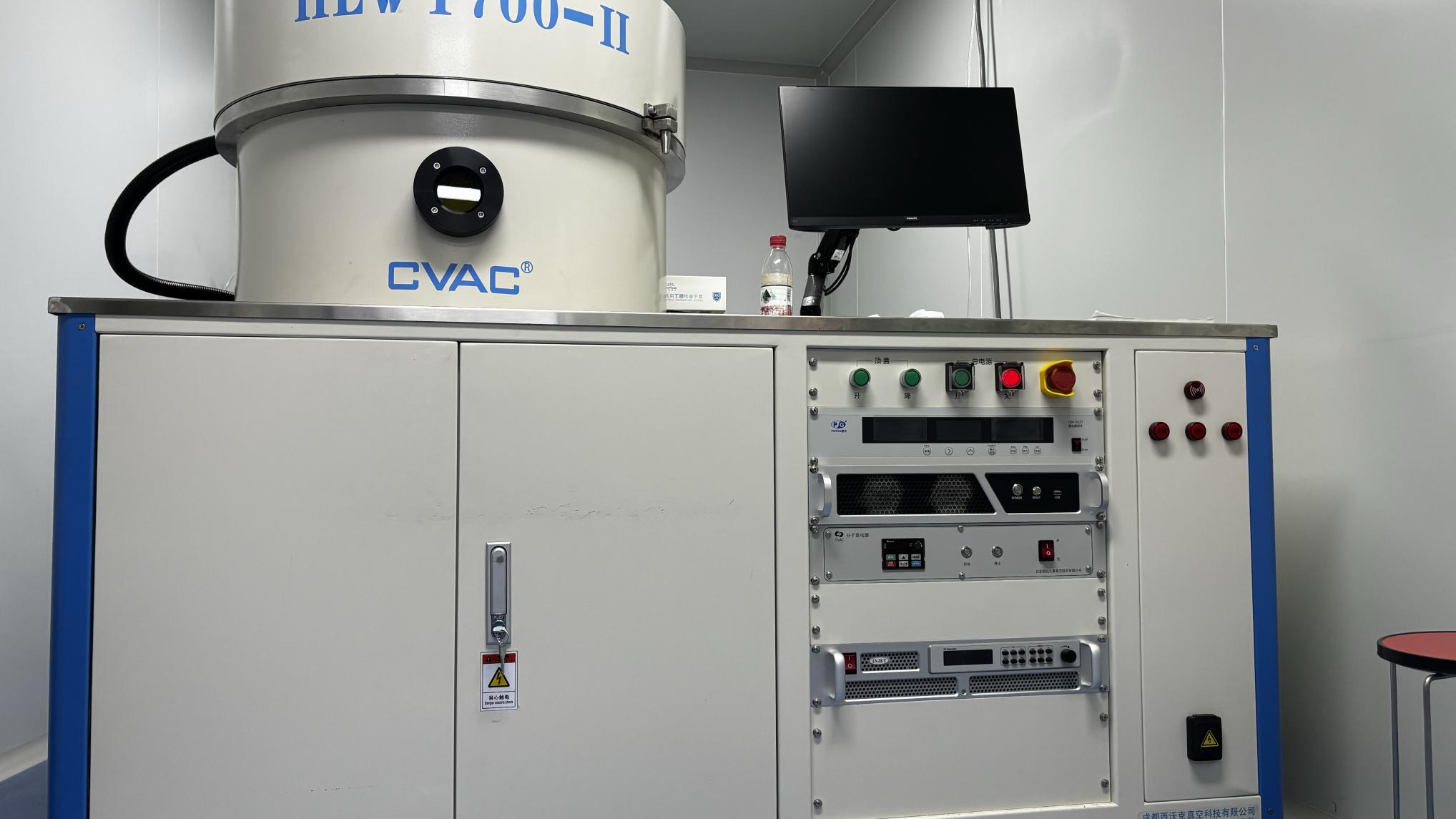
Founded in 2017, Memvora Electronics Technology Co., Ltd. is a professional manufacturer specializing in high-performance DDR5 memory modules, dedicated to delivering reliable memory solutions for consumer, industrial, enterprise, and embedded applications worldwide. While we focus heavily on next-generation DDR5 technology, our factory maintains robust legacy production lines for custom DDR3 and DDR4 solutions, ensuring long-term lifecycle support for system integrators globally. With a modern manufacturing facility covering 386㎡, we combine advanced production equipment, strict quality management, and experienced engineering expertise to provide stable, high-speed memory products for global OEM and ODM partners.
Since entering the international market, Memvora has accumulated 7 years of export experience, serving customers across North America, Europe, Southeast Asia, the Middle East, and South America. Our annual export revenue exceeds US$18.6 million, supported by a strong global supply chain and long-term partnerships with more than 1,280 component suppliers and business partners.
With 14 years of industry experience, our team continuously invests in technology innovation and product development. Our R&D department consists of 126 professional engineers who focus on developing next-generation memory solutions with higher speed, lower latency, and enhanced reliability. Last year alone, we successfully launched 86 new memory products to meet the evolving needs of gaming, AI computing, industrial automation, and enterprise servers.
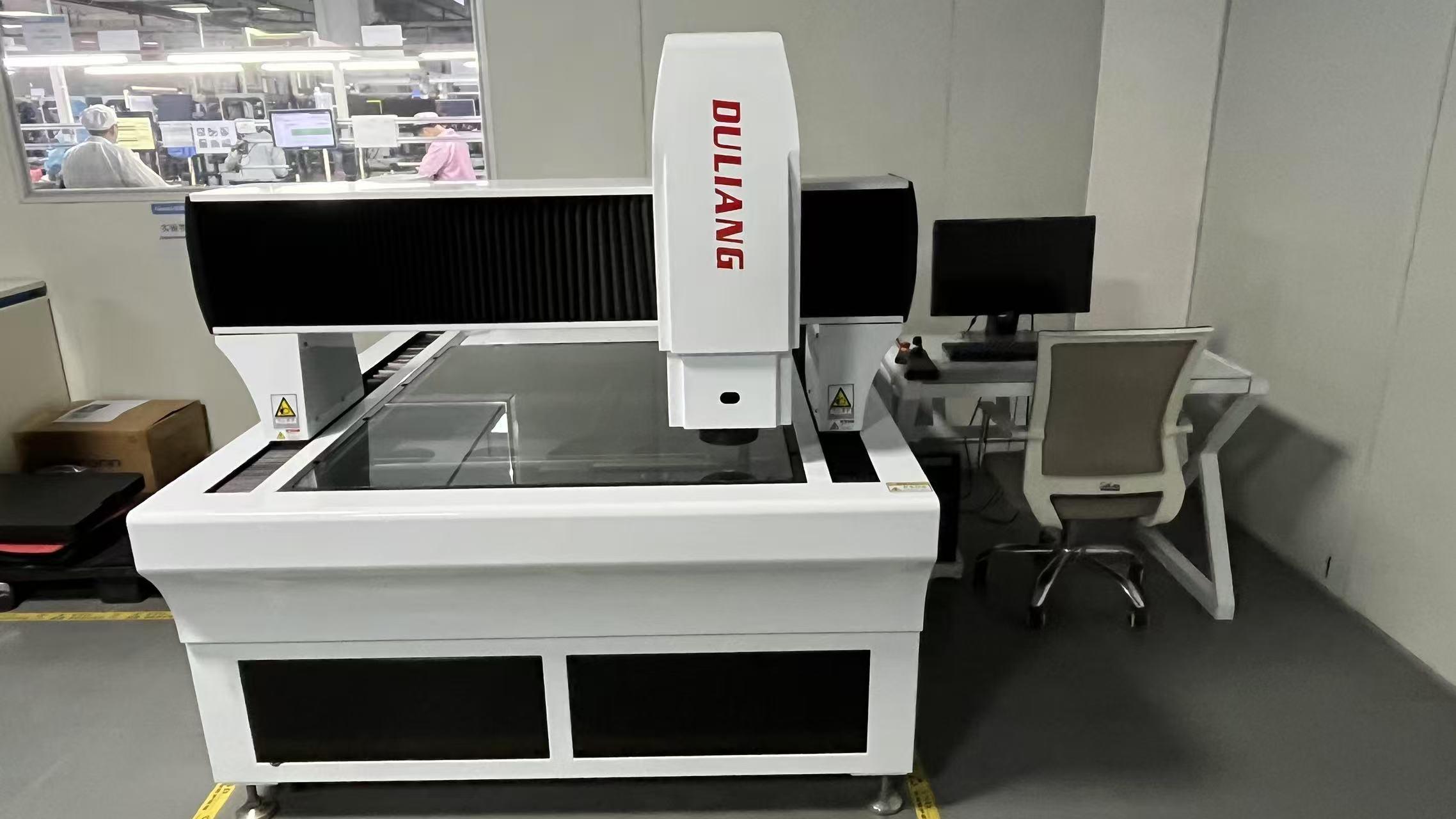
Quality is the foundation of everything we do. Every product undergoes 100% functional testing, burn-in testing, compatibility testing, signal integrity testing, and aging tests before shipment. Our dedicated quality control team of 42 inspectors ensures every memory module meets rigorous international quality standards and delivers long-term stable performance.
Memvora provides flexible OEM, ODM, private label, custom capacity, PCB color, heat spreader design, firmware optimization, and packaging customization services to meet different market requirements. Backed by a responsive engineering team and efficient production management, we help customers shorten development cycles and accelerate product launches.
When procuring memory for specialized projects, understanding the technical differences between standard DDR3 and Low-Voltage DDR3L is essential. Standard DDR3 operates at a baseline of 1.5V, whereas DDR3L operates at 1.35V. This dual-voltage capability is highly beneficial for energy-conscious system designs, helping to reduce thermal output and overall power consumption in dense hardware arrays.
The table below provides a clear, technical comparison of the key parameters that procurement engineers evaluate when selecting modules for industrial, server, or embedded projects.
| Memory Generation | Operating Voltage | Common Frequencies | Data Transfer Rate | Pin Configuration (UDIMM / SODIMM) | Target Architecture |
|---|---|---|---|---|---|
| DDR3 Standard | 1.50 V | 1066 / 1333 / 1600 MHz | 8.5 to 12.8 GB/s | 240-Pin / 204-Pin | Legacy Desktops, Classic Servers, HMIs |
| DDR3L Low-Voltage | 1.35 V / 1.50 V | 1333 / 1600 / 1866 MHz | 10.6 to 14.9 GB/s | 240-Pin / 204-Pin | Embedded Computing, Low-Power Fanless PCs |
| DDR4 Standard | 1.20 V | 2133 / 2400 / 2666 / 3200 MHz | 17.0 to 25.6 GB/s | 288-Pin / 260-Pin | Modern PCs, High-Performance Embedded Systems |
| DDR5 Standard | 1.10 V | 4800 to 6400+ MHz | 38.4 to 51.2+ GB/s | 288-Pin / 262-Pin | AI Supercomputing, Enterprise Datacenters |
Reliable memory performance requires strict testing. To guarantee long-term stability and high compatibility across various configurations, products undergo a comprehensive quality inspection flow. These testing processes protect systems from operational crashes and physical component failure under demanding workloads.
This phase verifies signal path timing, impedance matching, and voltage levels. It helps prevent data transmission issues and timing errors under peak system operations.
Modules are tested in thermal chambers at elevated temperatures for extended periods. This process exposes and filters out early component defects before shipment.
Each production batch is tested across a range of older motherboards, including Intel, AMD, and various industrial chipset architectures, ensuring stable plug-and-play installation.
The market for DDR3 memory is stable, driven by the steady lifecycle demands of enterprise and industrial hardware. For procurement professionals, managing EOL (End-of-Life) components is a key challenge. As major semiconductor manufacturers phase out older wafer lines, securing a reliable supply of high-grade DRAM chips is critical to avoiding production bottlenecks.
Working with experienced exporters helps system integrators lock in predictable lead times and maintain consistent component revisions. This stable planning prevents unexpected compatibility issues and system validation problems. Modern B2B sourcing strategies focus heavily on traceability and compliance—ensuring that all materials meet RoHS and REACH standards to comply with regional import regulations.
 Memvora