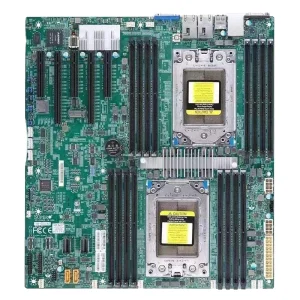
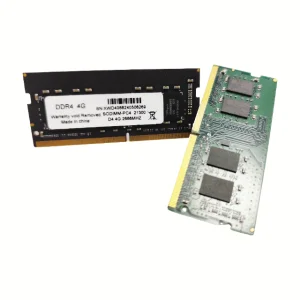
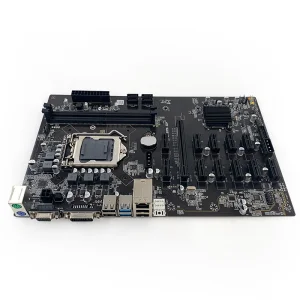
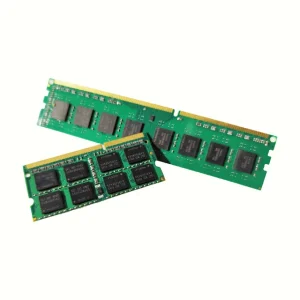
Explore our core engineering catalog featuring advanced high-frequency PCBs, dual-channel server boards, and processing components.
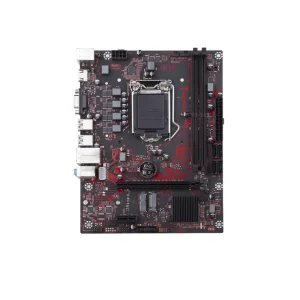
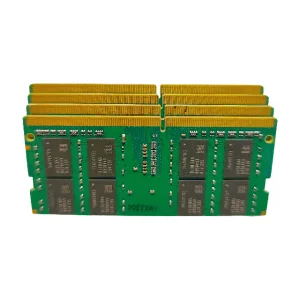
In today's hyper-connected industrial and consumer ecosystems, high-definition video processing has migrated from specialized television broadcasting to the core of automation, medicine, corporate communication, and artificial intelligence diagnostics. Understanding the engineering, production precision, and standardization certifications behind CE Certified Video Capture Cards is critical for B2B buyers, system integrators, and distributors looking to build reliable, high-bandwidth streaming infrastructures.
The market for video capturing hardware is witnessing an unprecedented CAGR expansion, driven heavily by AI-powered edge computing, computer vision, and real-time medical imaging. Traditionally, capture cards were viewed as gaming accessories. However, the commercial and industrial demand now dominates over 60% of the total market volume. Enterprises require high-performance, low-latency HDMI-to-PCIe and SDI-to-PCIe capture solutions that run 24/7 without thermal throttling.
Key drivers include:
The requirement for high-reliability video capture varies significantly across regional markets and local industrial paradigms:
In surgical endoscopy, bronchoscopy, and ultrasound imaging, latency is a critical patient safety factor. CE-certified cards capture uncompressed 4K video over HDMI/SDI, enabling remote specialists to consult in real-time with less than 5ms lag.
Global universities integrate dual-channel and quad-channel capture cards into lecture capture consoles, enabling seamless synchronization between tracking cameras, slideshow feeds, and digital document visualizers.
Professional esports tournaments and virtual studios utilize multi-input capture systems running with hardware-level color correction matrixes to support direct NDI and SRT streaming pipelines.
Our engineering division remains committed to pushing the boundaries of video processing technologies. As the industry migrates away from standard definitions toward immersive formats, our hardware engineering focuses on three key innovations:
A Professional Pioneer in High-Performance Memory Modules, PCB Assemblies, and Video Capture Components.
Founded in 2017, Memvora Electronics Technology Co., Ltd. is a professional manufacturer specializing in high-performance DDR5 memory modules, high-frequency printed circuit boards (PCBs), and OEM/ODM video acquisition interfaces. We are dedicated to delivering reliable memory and hardware processing solutions for consumer, industrial, enterprise, and embedded applications worldwide. With a modern manufacturing facility covering 386㎡, we combine advanced production equipment, strict quality management, and experienced engineering expertise to provide stable, high-speed hardware products for global partners.
Since entering the international market, Memvora has accumulated 7 years of export experience, serving customers across North America, Europe, Southeast Asia, the Middle East, and South America. Our annual export revenue exceeds US$18.6 million, supported by a strong global supply chain and long-term partnerships with more than 1,280 component suppliers and business partners.
With 14 years of industry experience, our team continuously invests in technology innovation and product development. Our R&D department consists of 126 professional engineers who focus on developing next-generation DDR5 memory solutions and PCIe processing architectures with higher speed, lower latency, and enhanced reliability. Last year alone, we successfully launched 86 new hardware and memory products to meet the evolving needs of gaming, AI computing, industrial automation, and enterprise servers.
Memvora provides flexible OEM, ODM, private label, custom capacity, PCB color, heat spreader design, firmware optimization, and packaging customization services to meet different market requirements. Backed by a responsive engineering team and efficient production management, we help customers shorten development cycles and accelerate product launches.
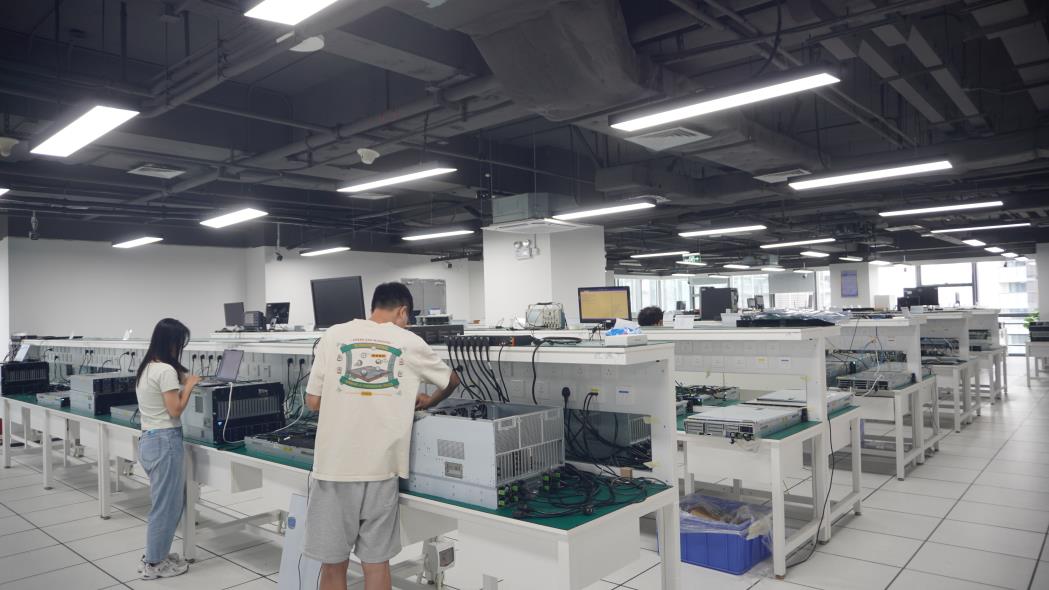
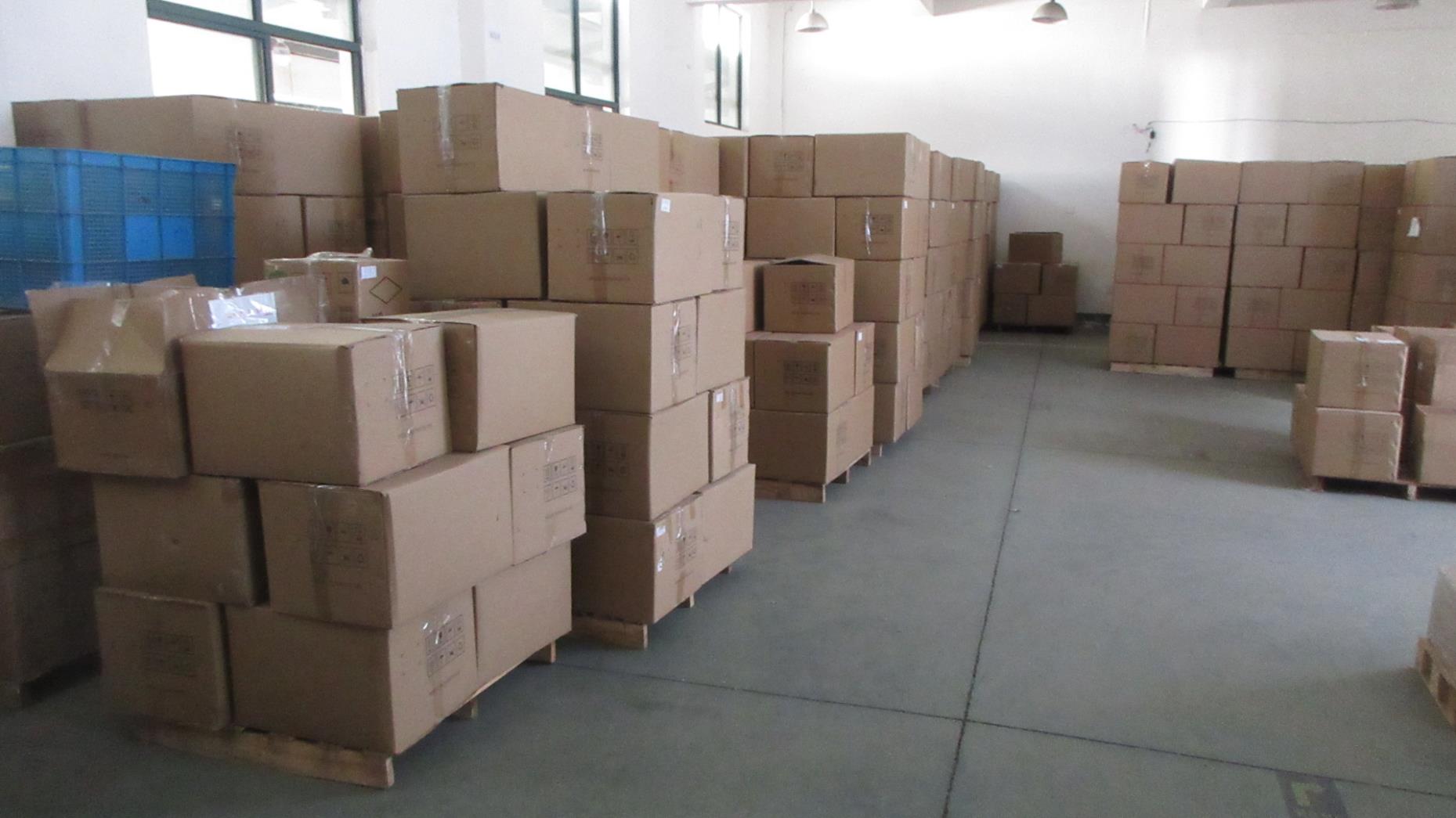
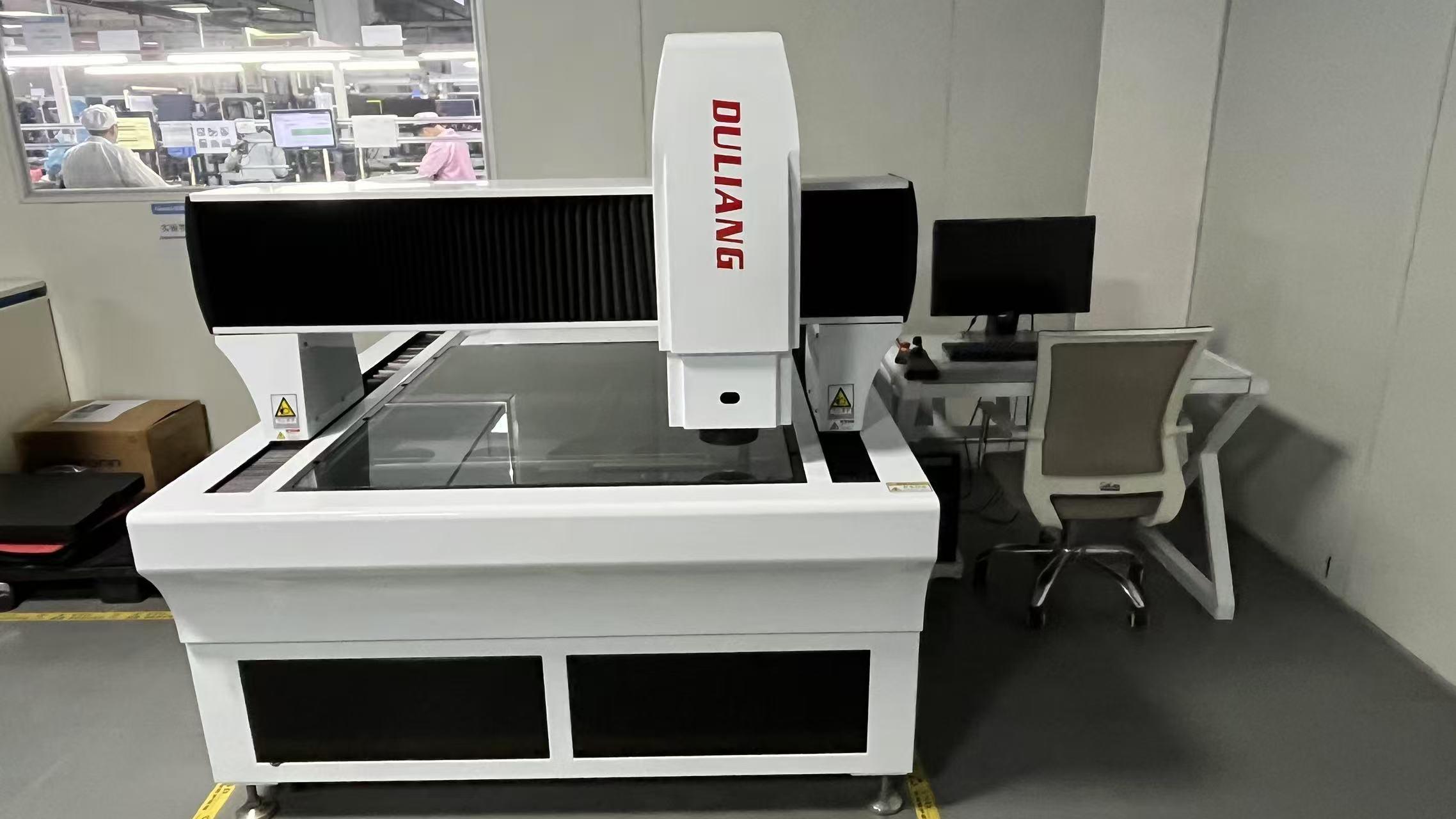
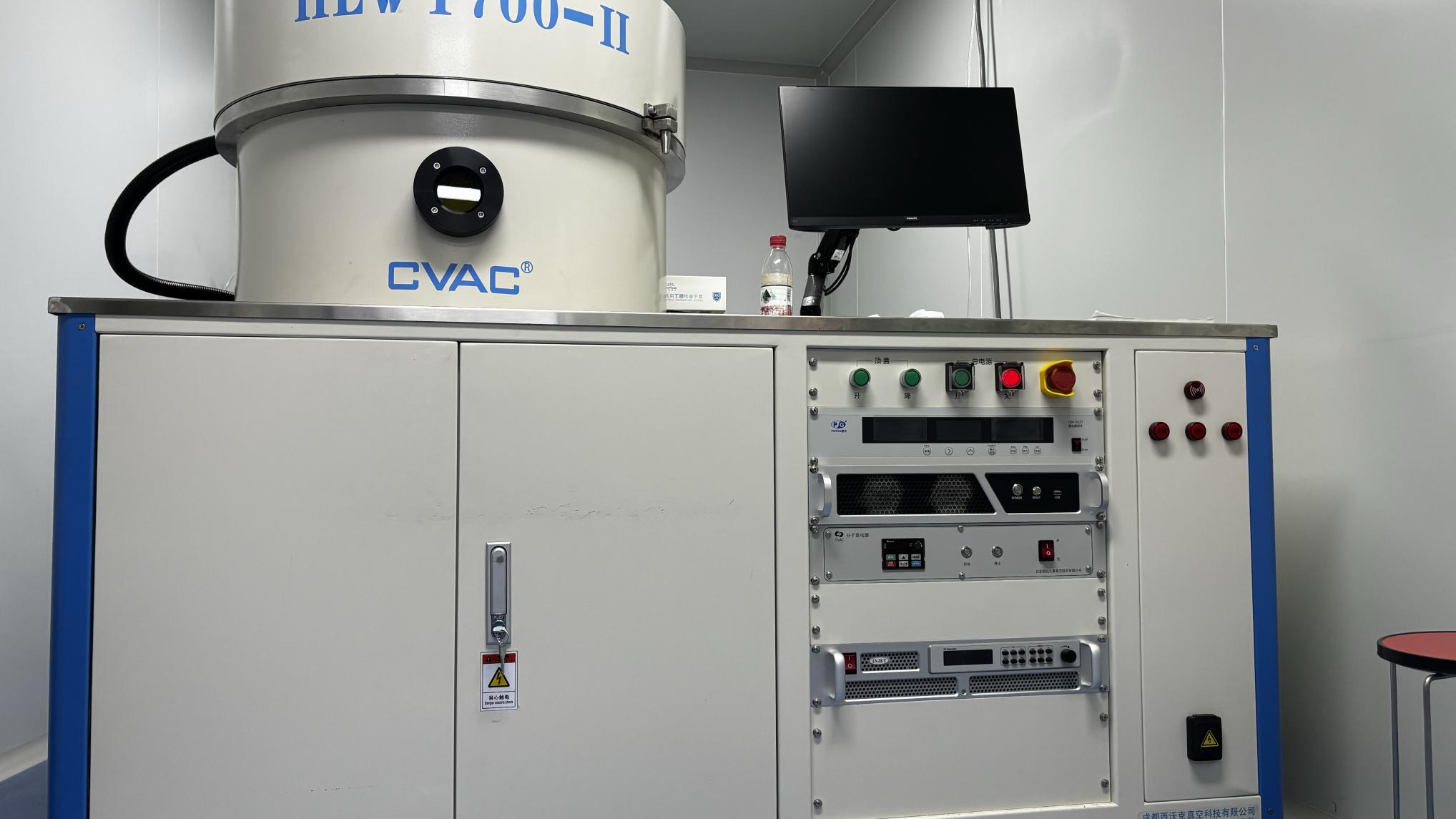
Our facility is situated in Shenzhen, the heart of the global electronics supply chain. This proximity provides unparalleled efficiency and cost resilience:
Exporting high-frequency video capture equipment globally requires strict alignment with localized trade policies and technical standards. Our components maintain full CE compliance, conforming directly to the following European standards:
Technical and logistical insights regarding our CE-certified hardware catalog.
Our video capture cards undergo testing at accredited independent labs. This guarantees they meet strict European EMC (Electromagnetic Compatibility) and safety directives, ensuring they operate safely without interference in industrial and medical environments.
Yes. We support custom driver development, DirectShow/V4L2 compatibility optimization, and custom firmware configurations (such as EDID locking and video scale bypass) for OEM/ODM clients.
Standard production lead times are 15-20 days for PCBA SMT processing and 30 days for complete boxed retail products. Prototype validation batches can be expedited within 7-10 days.
We implement a barcode tracking system for every chip and PCB layer. Each card undergoes automated visual inspections, functional capture testing at 100% load, and a 48-hour thermal aging run prior to packaging.
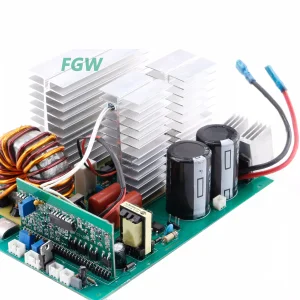
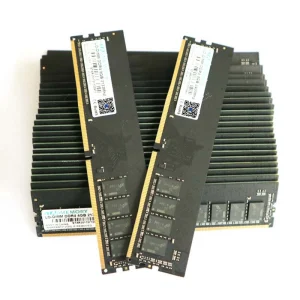
Complete your deployment with our range of rugged computing interfaces and memory modules.
 Memvora