DDR5 vs DDR4 Which Memory Type is Better for Your Needs?

Time:2026-06-27 Author:Charlotte
0%

As technology evolves, the debate over memory types continues. One key topic is the "DDR5 vs DDR4 comparison." Industry expert James C. Webber emphasizes, "Choosing the right memory can significantly impact overall performance." His insight highlights the importance of making informed decisions tailored to individual needs.

DDR4 has been a reliable choice for years, but DDR5 offers advancements. DDR5 provides higher speeds and efficiency. For gamers and professionals, these enhancements can mean smoother experiences and quicker load times. However, not everyone may need the latest technology.

Understanding your requirements is crucial. Some users might find DDR4 sufficient for everyday tasks. Upgrading isn't always necessary. It's essential to weigh the benefits and consider future-proofing your system. The DDR5 vs DDR4 comparison invites users to reflect on their needs and budget. This decision affects performance and overall satisfaction with your setup.
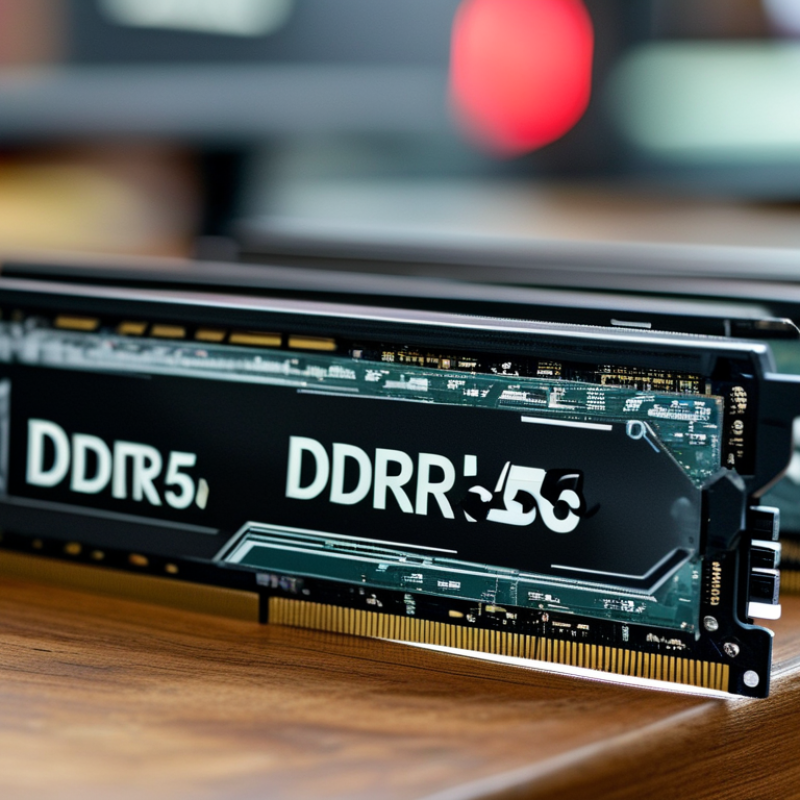
DDR5 vs DDR4 Which Memory Type is Better for Your Needs?

Introduction to DDR4 and DDR5 Memory Technologies

Understanding DDR4 and DDR5 memory technologies is crucial for making informed decisions. DDR4 has been the standard for several years. It offers decent performance for most everyday applications. DDR5, on the other hand, is the new contender. It delivers higher bandwidth, improved efficiency, and better power management.

Tips: When considering memory for gaming or content creation, DDR5 may enhance performance significantly. Evaluate your specific needs before upgrading.

DDR4 operates at a maximum bandwidth of 25.6 GB/s, while DDR5 boosts this to 51.2 GB/s. Such advancements are notable. However, not all systems require the latest technology. Some users might find DDR4 sufficient for basic tasks.

Tips: If you don't run demanding applications, sticking with DDR4 could save costs. Assess your workload to determine the best fit for your setup.

DDR5 vs DDR4 Memory Comparison

Feature DDR4 DDR5
Maximum Data Rate 3200 MT/s 4800 MT/s
Bus Width 64 bits 64 bits + 32 bits (dual channel)
Capacity per Module 16 GB (max) 64 GB (max)
Power Consumption 1.2 V 1.1 V
Latency 15-19 ns 16-22 ns
Availability Widely available Emerging market

Key Differences Between DDR4 and DDR5 Specifications

When comparing DDR4 and DDR5, several key differences highlight their specifications. DDR5 offers higher bandwidth, reaching up to 8400 MT/s compared to DDR4’s maximum of 3200 MT/s. This increase translates to faster data transfer rates. Gamers and content creators may notice improved performance in applications requiring high memory bandwidth.

Another significant difference lies in power efficiency. DDR5 operates at a lower voltage, around 1.1V, while DDR4 typically runs at 1.2V. This reduction supports longer battery life in laptops. It also results in less heat generation, which can be important for maintaining hardware performance. However, not all systems are optimized for this newer technology yet.

Compatibility is a critical factor when choosing between these memory types. DDR5 modules are not backward compatible with DDR4 motherboards. Users must ensure their hardware supports the desired DDR version. As technology evolves, the benefits of upgrading need thoughtful consideration. Some tasks still run efficiently on DDR4, while others may demand the advanced capabilities of DDR5.

Performance Comparison: Speed, Bandwidth, and Latency

When considering memory types, DDR4 and DDR5 stand out. DDR5 is designed to enhance performance significantly. With a speed increase of up to 8400 MT/s compared to DDR4's maximum of 3200 MT/s, the difference is remarkable. This speed boost allows for faster data transfer and processing, which is crucial for demanding applications.

In terms of bandwidth, DDR5 effectively doubles the data transfer rate. It achieves a peak bandwidth of 64 GB/s, while DDR4 maxes out at 25.6 GB/s. This substantial increase benefits tasks like gaming and video editing, where large data sets are common. However, it’s important to recognize potential limitations. Not all systems can utilize DDR5's advantages fully.

Latency is another factor worthy of attention. DDR4 typically has lower latency than DDR5. For applications requiring rapid responses, DDR4 may still hold its ground. Users should evaluate their specific needs. While DDR5 offers speed and bandwidth benefits, the increased latency could impact real-time performance in certain scenarios.

Compatibility Considerations for Upgrading to DDR5

Upgrading to DDR5 memory offers significant advantages, but compatibility is key. Not all motherboards support DDR5. Check your motherboard specifications first. If you have a system built for DDR4, you cannot simply swap out memory types. This route will require a new motherboard.

Tips: Always verify your current motherboard's compatibility. Research thoroughly before purchasing. Making the wrong choice can be costly.

When considering an upgrade, also look at your CPU. Certain processors only work with DDR4. Upgrading your RAM might not provide the expected boost if the CPU is a bottleneck. Balancing components ensures better performance.

Tips: Use online compatibility tools. They offer quick insights into your hardware setup. A small mistake can lead to major setbacks.

Lastly, consider your specific needs. DDR5 brings faster speeds and improved efficiency. However, if your tasks don't require high performance, DDR4 might suffice. Weighing the benefits against your needs is essential.

Tips: List your computing tasks. Determine if DDR5's advantages are necessary for you. Sometimes, the latest isn't always the best choice.

DDR5 vs DDR4 Memory Performance Comparison

This chart compares the performance of DDR4 and DDR5 memory types based on their bandwidth and latency. DDR5 offers significantly higher bandwidth, while also providing reduced latency, making it a better option for high-performance applications.

Cost Analysis: Which Memory Type Offers Better Value?

When comparing DDR5 to DDR4, a critical aspect is their cost-effectiveness. As of 2023, DDR5 memory prices are approximately 30% higher than those of DDR4. This price difference can be a decisive factor for budget-conscious consumers. However, DDR5 offers significantly enhanced performance benefits. It features higher speeds, increased bandwidth, and improved power efficiency, which can justify its premium for users requiring top-tier performance.

According to industry reports, DDR5 can achieve up to 8400 MT/s, compared to DDR4's maximum of 3200 MT/s. This represents a substantial leap in data transfer rates, making DDR5 a more appealing option for gamers and content creators. Yet, the real-world impact can vary. For casual users or those with less demanding applications, the value of upgrading may not be evident. Some may find DDR4 sufficient for everyday tasks. A careful analysis of performance needs is essential before making a decision.

In terms of value, one must also consider longevity. DDR4 will likely remain relevant for several more years, while DDR5 adoption is increasing but not yet ubiquitous. Users who purchase DDR5 now might benefit from future-proofing but risk overpaying if their current requirements do not match the capabilities of this newer technology. Balancing performance with cost is vital in determining what truly offers the best value for individual needs.

FAQS

: What is the maximum speed of DDR4 and DDR5?

: DDR4 reaches a maximum speed of 3200 MT/s, while DDR5 can go up to 8400 MT/s.

How does power efficiency compare between DDR4 and DDR5?

DDR5 operates at a lower voltage of 1.1V, compared to DDR4's 1.2V. This helps reduce heat and prolong battery life.

Are DDR4 and DDR5 compatible with each other?

No, DDR5 is not backward compatible with DDR4 motherboards. Hardware support is essential before upgrading.

In what scenarios does DDR5 excel?

DDR5 is ideal for tasks like gaming and content creation, where high bandwidth and speed are crucial.

Does DDR4 still have advantages over DDR5?

Yes, DDR4 typically has lower latency, which can benefit applications needing immediate responses.

Can all systems fully utilize DDR5?

Not all systems can take full advantage of DDR5. Users should check their system capabilities.

What should I consider when upgrading memory?

Reflect on your specific needs. Some tasks may still run efficiently on DDR4 despite DDR5's benefits.

How does bandwidth compare between the two?

DDR5 has a peak bandwidth of 64 GB/s, while DDR4 maxes out at 25.6 GB/s.

Are there any downsides to DDR5?

Increased latency in DDR5 could impact performance in certain real-time applications. Users need to weigh this factor.

Conclusion

The "DDR5 vs DDR4 comparison" provides a comprehensive overview of the advancements in memory technology. DDR5 introduces significant improvements over DDR4, particularly in terms of speed, bandwidth, and latency, making it a superior choice for high-performance applications. The article delves into key differences in specifications, highlighting how DDR5 can handle more data simultaneously, which is crucial for demanding tasks like gaming and content creation.

Additionally, the analysis addresses the compatibility considerations for users looking to upgrade from DDR4 to DDR5, detailing potential challenges in hardware support. Finally, the cost analysis evaluates the value proposition of both memory types, assisting readers in making informed decisions based on their specific needs and budget. Overall, this article equips readers with the necessary insights to understand which memory technology best suits their requirements.

Charlotte

Charlotte

Charlotte is a seasoned marketing professional with a deep understanding of the company's portfolio and a passion for elevating its presence in the market. With a keen eye for detail and a commitment to excellence, she ensures that our professional blog is regularly updated with insightful articles......