As the tech industry evolves, buyers often find themselves weighing the benefits between DDR5 and DDR4. The term "DDR5 latency vs DDR4" sparks much debate among enthusiasts and experts alike. Renowned memory expert Dr. Emily Nguyen recently stated, "While DDR5 offers higher speeds, its latency can sometimes surprise consumers." This highlights a critical point for potential buyers.
Latency is a significant factor influencing performance. DDR5 may deliver impressive bandwidth improvements, but it is essential to consider how this affects real-world applications. Buyers should not dismiss DDR4's advantages, as it may offer more consistent latency in certain scenarios.
Understanding these nuances is vital. Some users may find the transition to DDR5 more complicated than expected. The real question remains: is the increased speed worth the potential latency trade-offs? This thought-provoking dilemma is crucial for anyone considering an upgrade.
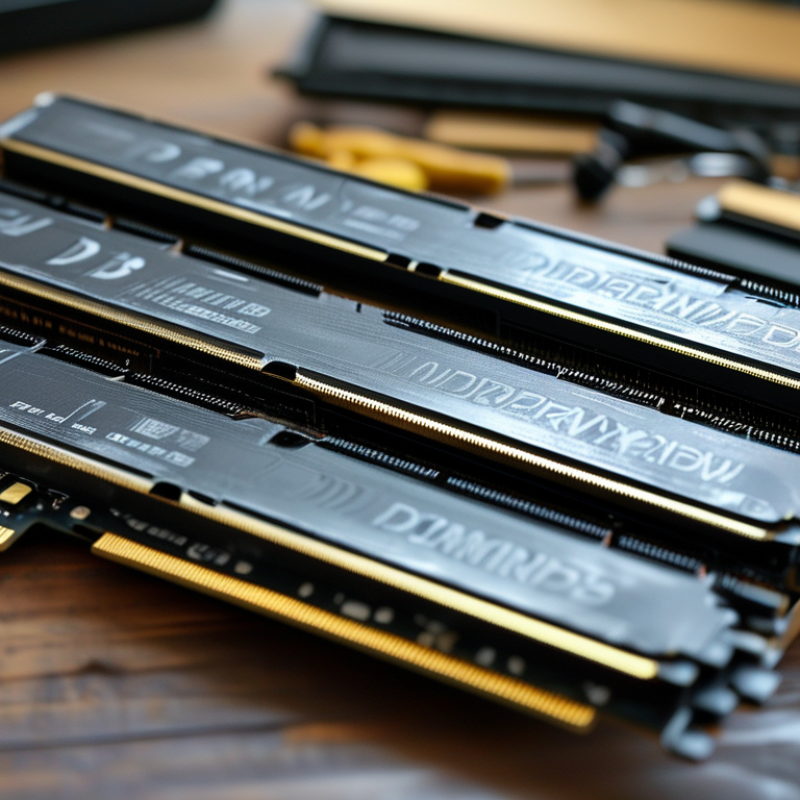
Understanding DDR4 and DDR5: Key Differences in Latency
Understanding DDR4 and DDR5 reveals significant differences in latency. Though DDR5 boasts faster data rates, latency can be a concern for buyers. According to recent industry reports, DDR4 typically has a latency of 15-20 nanoseconds, while DDR5 ranges around 26-32 nanoseconds. This increase may seem counterintuitive given the improved bandwidth of DDR5.
The architecture of DDR5 includes additional features designed to enhance overall performance. For example, it supports dual-channel DIMM architecture. However, this complexity can introduce latency. Buyers should consider how their applications respond to latency changes. Tasks like gaming or real-time data processing might not benefit from higher bandwidth if increased latency adversely affects performance.
Real-world benchmarks illustrate these issues. Even though DDR5 excels in raw speed, users may not notice a proportionate improvement in everyday tasks. For high-performance computing, the increased latency could pose challenges. Thus, it's crucial to evaluate whether the advantages of DDR5 outweigh the latency concerns based on specific usage scenarios. Carefully analyzing these trade-offs will assist buyers in making informed decisions.
Latency Metrics: How DDR4 and DDR5 Compare
Latency is a critical metric when comparing DDR4 and DDR5 memory. DDR5 is designed to improve bandwidth. However, its latency metrics paint a more complex picture. Generally, DDR5 latency is higher than that of DDR4. This may seem counterintuitive, as higher bandwidth often suggests improved performance.
Users should understand this discrepancy. While DDR4 operates at lower speeds, it has tighter timings. DDR5's architecture allows for higher data rates, but this comes with increased latency. For many users, the implications may not be noticeable in everyday tasks. However, those involved in high-performance computing or gaming might experience varying effects.
Investors and enthusiasts should weigh these factors carefully. DDR5 offers advanced features, but at a latency cost. It's essential to consider the type of applications you will run. If low latency is critical, DDR4 may still hold advantages. Each technology has its place, and the choice should align with specific user needs.
DDR5 Latency Compared to DDR4
This chart illustrates the comparison of latency metrics between DDR4 and DDR5 memory types. The data represents average latency in nanoseconds for different configurations, showcasing how DDR5 generally offers lower latency than DDR4.
Impact of Increased Bandwidth on Latency Performance
When comparing DDR5 to DDR4, a significant factor is bandwidth.
DDR5 delivers higher bandwidth, enabling faster data transfer rates.
This increase can enhance overall system performance, especially in memory-intensive tasks.
Applications like gaming, video editing, and data analysis can benefit from this improvement.
However, higher bandwidth doesn't always equal lower latency. In some cases, DDR5 may exhibit slightly higher latency
compared to DDR4. This could be concerning for buyers who prioritize responsiveness.
Latency is the delay before data is processed, which affects how quickly a system reacts. It's crucial for real-time applications,
where even small delays can disrupt user experience.
Users should consider their specific needs. If high bandwidth for heavy multitasking is essential, DDR5 shines.
But for applications sensitive to latency, DDR4 might still hold an advantage.
Understanding these trade-offs is vital when making purchasing decisions.
Balancing bandwidth and latency can lead to a well-rounded and efficient computing experience.
Factors Influencing Real-World Latency in Memory Modules
When comparing DDR5 to DDR4, understanding real-world latency is essential for buyers. Latency is not solely defined by the memory generation. Several factors, like clock speed, memory timings, and overall architecture, come into play. Higher clock speeds often translate into faster data access but can have diminishing returns. DDR5 offers increased bandwidth, yet if timings are not optimized, its advantages may not be fully realized in typical use cases.
Another important aspect is the platform compatibility. A motherboard designed for DDR5 must effectively utilize its capabilities. If paired with outdated components, the potential benefits may be lost. Additionally, user workloads greatly impact perceived latency. For gamers, faster access can improve performance in demanding scenarios. Yet, for general tasks, the differences may not be as noticeable.
Consider also that not all applications benefit equally from reduced latency. Some tasks are more sensitive to memory speed than others. Therefore, potential buyers should evaluate their specific needs. Review and compare benchmarks in tasks relevant to you. A tailored approach ensures you make an informed decision, balancing speed and cost-effectiveness.
Buying Considerations: Choosing Between DDR4 and DDR5
When considering a memory upgrade, DDR4 and DDR5 are important options. DDR5 offers significant improvements in bandwidth and speed. However, latency still matters, especially for gaming and other real-time applications. DDR4 typically has lower latency numbers, which can deliver reliable performance. This is vital for users who prioritize responsiveness.
Budget is another key factor in the decision process. DDR5 modules tend to be more expensive. Buyers should weigh the cost against the performance gains. For some, DDR4 provides more value, particularly for systems that don’t require cutting-edge speeds.
Compatibility also plays a role. DDR5 is only supported by newer motherboards, while DDR4 remains widely usable. Upgrading to DDR5 may mean additional costs for a new motherboard. Assessing the overall system compatibility is crucial. Investing in the right memory depends heavily on individual needs and system requirements.
FAQS
: DDR5 offers higher bandwidth for faster data transfer, improving performance in memory-intensive tasks.
Not necessarily. DDR5 can have higher latency compared to DDR4, which may affect responsiveness.
Latency impacts how quickly a system reacts. It’s critical for real-time applications, like gaming and video editing.
Users should evaluate their specific needs, balancing bandwidth demands with latency sensitivity in their applications.
Yes, DDR5 is generally pricier than DDR4. Buyers should consider cost versus performance gains.
DDR5 requires newer motherboards. Ensure your system can support it before making a purchase.
Yes, for budget-conscious users or systems not needing high speeds, DDR4 offers reliable performance.
DDR5 enhances performance in gaming, video editing, and data analysis due to its higher bandwidth.
It's vital for a well-rounded experience. Recognizing trade-offs is crucial for making informed purchases.
Potential risks include higher costs and compatibility issues with existing systems, which might lead to frustrations.
Conclusion
The article "DDR5 Latency Compared to DDR4: What Should Buyers Know?" delves into the critical differences between DDR4 and DDR5 memory, particularly focusing on latency. It starts by outlining the fundamental characteristics of both memory types, highlighting how DDR5 introduces improvements but also varying latency metrics compared to DDR4. The comparison elaborates on the effects of increased bandwidth on latency performance, revealing that while DDR5 offers higher data transfer rates, its latency can sometimes be comparable to that of DDR4.
Moreover, the article discusses the real-world factors that influence latency in memory modules, emphasizing that actual performance may differ based on system configurations and usage scenarios. Finally, it provides essential buying considerations for consumers deciding between DDR4 and DDR5, advising them to weigh the significance of latency against other performance metrics when making their choice. The discussion on "DDR5 latency vs DDR4" serves to guide prospective buyers in understanding the implications of their selection in various applications.

 Memvora