As the computing landscape evolves, the importance of memory standards like DDR5 becomes evident. A recent report by IDC noted that the global demand for high-performance memory has surged by over 30% in the last year alone. This trend emphasizes the need for a comprehensive DDR5 compatibility guide for global buyers. Numerous manufacturers are releasing DDR5 products, and understanding compatibility can significantly influence your buying decisions.
Despite its advantages, DDR5 technology presents challenges. Many users remain uncertain about compatibility issues, which can lead to performance bottlenecks. For instance, not all motherboards support DDR5, while some still operate on the older DDR4 standard. This discrepancy often leads to confusion and misinformed purchases.
Therefore, navigating through compatibility details is crucial for end-users. With our DDR5 compatibility guide, we aim to mitigate confusion and enhance the buying experience. This guide will detail essential considerations, such as motherboard support and memory latency, ensuring informed choices in an increasingly complex market.
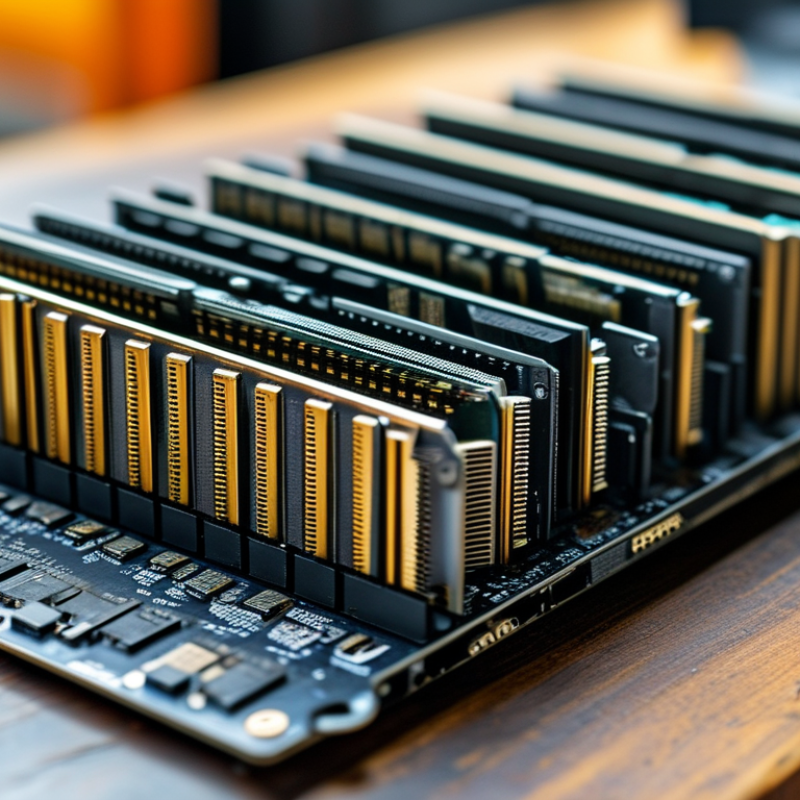
DDR5 technology represents a significant advance in memory performance, providing crucial improvements in speed and efficiency. This generation of memory can reach speeds up to 8400 MT/s, greatly surpassing its predecessor, DDR4, which maxes out around 3200 MT/s. This increase supports higher bandwidth applications, making it essential for gaming, content creation, and AI workloads. Research shows that efficient memory usage can boost performance by up to 30%, particularly in data-intensive tasks.
Furthermore, DDR5 offers enhanced power management features. With on-module power management, it reduces energy consumption during operation, which is vital in today’s eco-conscious landscape. According to industry reports, DDR5 can achieve up to 15% power savings compared to previous generations. This efficiency is not only beneficial for the environment but also for users seeking longer battery life in portable devices.
However, the transition to DDR5 may pose challenges. Compatibility issues with existing hardware and the higher costs associated with new components can be barriers for many. Additionally, not all applications immediately benefit from DDR5 speeds. Users should carefully evaluate their needs before investing. As with any new technology, staying informed is key to making sound purchasing decisions.
This bar chart illustrates the essential specifications of DDR5 technology in 2026, including speed, capacity, latency, and power consumption. These metrics highlight the advancements DDR5 brings over its predecessor, making it a critical choice for global buyers.
When looking to buy DDR5 memory, several compatibility factors are crucial. Understanding these aspects will help ensure the best performance for your system. First, check the motherboard specifications. Not all motherboards support DDR5. Refer to the manufacturer’s guidelines to confirm compatibility.
Next, consider the CPU compatibility. DDR5 works best with the latest processors. Ensure your CPU can take full advantage of DDR5's speed and efficiency. Performance gains are not realized if the CPU cannot utilize the memory efficiently. Mismatched components can lead to frustration.
Here are some tips to remember. Always verify speed ratings before purchasing. Look for memory modules that suit your needs. Not all applications require high speeds. Matching your memory speed to your workload is essential. Additionally, consider the memory capacity. More isn't always better. You may need less than you think for everyday tasks.
In 2026, understanding DDR5 compatibility is crucial for buyers.
When matching DDR5 RAM with motherboards, focus on the motherboard's specifications.
Check for supported RAM speeds and capacities. Some motherboards may not fully utilize DDR5’s potential.
Missing this can lead to performance loss.
Crucially, also check the number of DIMM slots available. Many newer motherboards support dual-channel configurations, which can optimize performance.
Moving to CPUs, verify the CPU’s memory controller capabilities.
Not all processors can handle DDR5 optimally. Ensure your CPU has the right specifications to support DDR5 speeds.
Compatibility issues can arise if the CPU is outdated. Additionally, keep an eye on power consumption.
DDR5 may demand more from your power supply. This aspect is often overlooked.
Finally, embrace the journey of choosing DDR5 RAM. It’s not always straightforward.
Researching can reveal surprising insights and challenges. Engage with online communities to gain perspectives.
Compatibility may seem tedious, but it’s key for building a system that lasts.
Adopting a careful approach can greatly enhance your computing experience.
The global market for DDR5 memory is rapidly evolving. As of early 2023, penetration of DDR5 in high-end computing devices surpassed 35%, according to industry reports. This trend suggests a significant increase in consumer demand for high-performance memory. Major manufacturers are enhancing their DDR5 offerings, focusing on compatibility and speed improvements.
Popular models now provide speeds up to 8400 MT/s. This marks a substantial gain from DDR4's maximum of 3200 MT/s. Many users report improved multitasking and gaming experiences with these advancements. However, compatibility issues remain a concern. Not all motherboards support DDR5, which can frustrate users. A recent survey indicated that nearly 25% of potential buyers were unaware of their motherboard's compatibility with DDR5.
Some DDR5 kits target gamers and professionals, boasting low latency and high bandwidth. These features are essential for demanding applications. Yet, customers should be cautious. Higher speeds do not always translate to better performance in all scenarios. Decisions must be based on individual user needs and system requirements. Choosing the right model requires careful consideration, not just flashy specifications.
| Memory Size (GB) | Speed (MT/s) | Form Factor | ECC Support | Price Range (USD) |
|---|---|---|---|---|
| 8 | 4800 | DIMM | No | 40 - 60 |
| 16 | 5200 | SO-DIMM | Yes | 80 - 100 |
| 32 | 6000 | DIMM | No | 150 - 200 |
| 64 | 7200 | DIMM | Yes | 300 - 400 |
| 128 | 8400 | DIMM | Yes | 600 - 800 |
Upgrading to DDR5 memory offers a way to future-proof your system. This new standard brings faster speeds and improved efficiency compared to DDR4. It’s essential to ensure your motherboard can support DDR5 when considering an upgrade. Many older boards are not compatible, and switching may involve additional costs.
Consider the RAM capacity you need. Most users favor 16GB, while gamers or content creators might require 32GB or more. DDR5 allows for higher capacities without the significant drawbacks of power consumption seen in older generations. Make sure to choose the right speed for your applications. Some applications benefit from faster speeds, while others may not notice much difference.
However, it’s vital to reflect on the longevity of your investment. DDR5 may still be evolving, so staying informed is key. Keep an eye on future developments and changes in technology. Your choice today should align with upcoming trends, but ensure you’re not locked into quickly outdated specifications. Balancing performance needs and budget constraints will be an ongoing challenge.
: DDR5 is an advanced memory technology that significantly improves speed and efficiency. It can reach up to 8400 MT/s.
DDR5 speeds exceed DDR4, which maxes out around 3200 MT/s. This offers better performance for high-bandwidth applications.
DDR5 enhances speed, supports multitasking, and improves performance in gaming and content creation. It allows for up to 30% performance boost.
Yes, DDR5 features on-module power management, achieving about 15% energy savings compared to previous generations.
Compatibility issues with existing hardware can be a barrier. New components are often more expensive than older ones.
Very important. Not all motherboards support DDR5, and many users are unaware of their device's compatibility.
Evaluate your personal needs. Not every application will benefit from DDR5 speeds immediately. Consider your system requirements.
Higher speeds don’t always mean better overall performance. Look beyond flashy specs to ensure it meets your specific needs.
The "2026 DDR5 Compatibility Guide for Global Buyers" outlines essential information for those looking to upgrade their systems with DDR5 technology. It begins with an overview of DDR5, highlighting its advantages such as improved speed and efficiency compared to previous generations. The guide emphasizes key compatibility factors, helping buyers understand how to match DDR5 with appropriate motherboards and CPUs to ensure optimal performance.
Additionally, the article provides insights into the leading brands and models of DDR5 available in the market, giving global buyers a comprehensive view of their options. Finally, it offers advice on future-proofing systems through strategic upgrades, ensuring that investments in DDR5 technology remain relevant for years to come. This DDR5 compatibility guide serves as a valuable resource for anyone considering an upgrade to the latest memory technology, ensuring informed purchasing decisions.

Memvora